Category Archives: Alcohol recovery

Addiction

Denial frustrating intoxication solutions

Denial frustrating intoxication

Denial frustrating intoxication solutions in many ways

Denial frustrating intoxication solutions: Drinking problem

Whereas alcohol consumption is not considered an illicit substance, the frustrations of drinking problems and denial by users is a big impediment in the effort of alcohol addiction management. According to the experts from AWAREmed Health and Wellness Resource Center under the able leadership of doctor Dalal Akoury’s care, denial is one of the biggest obstacles when it comes to getting help for alcohol abuse and alcoholism. Professionally it has been established that the desire to drink is so strong that the mind finds many ways to rationalize drinking, even when the consequences are obvious. By keeping you from looking honestly at your behavior and its negative effects, denial also exacerbates alcohol-related problems with work, finances, and relationships. When an addict is in denial, treatment becomes very difficult because denial frustrating intoxication solutions and that is why before any treatment can be administered, the patients’ needs to acknowledge the existence of the problem and be willing to be assisted in fixing the problem. Doctor Akoury is pointing out at certain pointers that allude to the fact that one is in denial as we progressed into the discussion:

Denial frustrating intoxication solutions: People with drinking problem you may deny it by

  • Extremely underestimating how much you drink
  • Downplaying and underrating the negative consequences of your drinking to your health and that of your loved ones
  • Complaining that family and friends are exaggerating the problem
  • Blaming your drinking or drinking-related problems on others

When it comes to denial, users will always have a host of reason to validate their position of drinking. But will this change the facts about their drinking habits? Certainly not and just take a close look around you and you will notice that our surrounding offers a lot more elements to pass the blame on. It will not surprise you to have an addicted alcoholic refusing to acknowledge the fact that they have a problem by blaming it on their ‘unfair and un-accommodative boss’ for trouble at work or the married men passing it on their ‘nagging wife’ for your marital issues. These are common grounds for denial says doctor Dalal Akoury.

Instead of them looking at the real problem which is their drinking habit as a contributing factor to the problem, they would rather lean on someone or something. Doctor Akoury is confirming that while elements like work environment, relationship, and financial stresses do happen to everyone, an overall pattern of deterioration and blaming others may be a sign of serious trouble and should not be overlooked. Therefore if you find yourself rationalizing your drinking habits, lying about them, or refusing to discuss the subject, it is very important that you take a moment to consider why you’re being so defensive. Remember that if you truly believe that you don’t have a problem, there should be no reason for you to cover up your drinking or make excuses says doctor Akoury. However, if you do have a problem, then wait no time and schedule an appointment with doctor Akoury now for help.

Denial frustrating intoxication solutions: Drinking problem

http://www.I-AM-I.com/wp-admin


Facebooktwitterpinterestlinkedin
Dopamine Rush

Pleasures registration brain and addiction

Pleasures registration brain

Pleasures registration brain and addiction. When drugs get access to the brain, there is bound to be serious health problems

Pleasures registration brain and addiction: Neurotransmitter dopamine

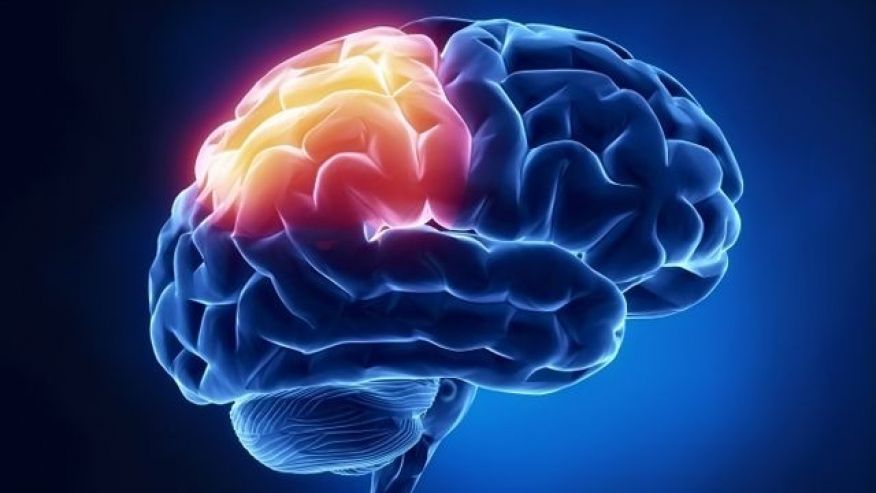
Among the functions of the brain is that of pleasures registration as and when they happen irrespective of their origin. It doesn’t matter whether they’re associated with a psychoactive drug, a monetary reward, a sexual encounter, or a satisfying meal. The fact is in the brain pleasurable principles has a distinct role of releasing the neurotransmitter dopamine in the nucleus accumbens, a cluster of nerve cells lying underneath the cerebral cortex. Dopamine release in the nucleus accumbens is so consistently tied with pleasure that neuroscientists refer to the region as the brain’s pleasure center.

All drugs of abuse, from nicotine to heroin, cause a particularly powerful surge of dopamine in the nucleus accumbens. The likelihood that the use of a drug or participation in a rewarding activity will lead to addiction is directly linked to the speed with which it promotes dopamine release, the intensity of that release, and the reliability of that release. Therefore addictive drugs provide a shortcut to the brain’s reward system by flooding the nucleus accumbens with dopamine. The hippocampus lays down memories of this rapid sense of satisfaction, and the amygdala creates a conditioned response to certain stimuli.

Brain pleasurable principle and drug addiction: Learning the process

Previously it was believed that an experience of pleasure alone was enough to compel people into consistent seeking of addictive elements or activities. However new research findings indicate that the situation may be more complicated. This is because dopamines are not only responsible for the experience of pleasure but are also playing a role in learning and memory which are the two key elements in the transition from liking something to being addicted to it. Currently, the philosophy about addiction is that dopamine interacts with another neurotransmitter, glutamate to take over the brain’s system of reward-related learning. Remember that this system has an important role in sustaining life because it links activities needed for human survival (such as eating and sex) with pleasure and reward.

Finally, it may interest you to note that the reward circuit in the brain may include areas involved with motivation and memory as well as with pleasure. Addictive substances and behaviors stimulate the same circuit and then overload it. And therefore repeated misuse of any addictive substances or behavior will cause nerve cells in the nucleus accumbens and the prefrontal cortex (the area of the brain involved in planning and executing tasks) to communicate in a way that couples liking something with wanting it, in turn driving us to go after it. That is, this process motivates us to take action to seek out the source of pleasure. This can be very unhealthy more so if the source of pleasure is drugs. Many often run to drugs for pleasure and as such, the prevalence of drug abuse is on the rise. We can choose individually and collectively to correct this by scheduling an appointment with doctor Dalal Akoury MD, who is a veteran addiction expert and also the founder of AWAREmed Health and Wellness Resource Center for help today.

Brain pleasurable principle and drug addiction: Neurotransmitter 

http://www.integrativeaddictionconference.com/wp-admin


Facebooktwitterpinterestlinkedin
addicts

Addiction hijacking brain functions

Addiction hijacking brain

Addiction hijacking brain functions, however, this can stop if you let it go professionally.

Addiction hijacking brain functions: Drugs abuse prevalence

Misuse of drugs is a common occurrence these days and it is a very painful experience not just to the individual drug users, but also the family and even the community. Because of this, many are suffering from the wave of addiction hijacking brain functions rendering many people vulnerable to associated diseases. And the brain is the engine that drives life, the moment it stops, life equally stops. Even though we desire to have a healthy brain, the demands of life have betrayed that by subjecting it to much undue pressure. Drug abuse prevalence is not helping either in keeping the good health of the brain and this is what we want to engage the experts at AWAREmed Health and Wellness Resource Center under the leadership of doctor Dalal Akoury MD. The objective of this facility is to primarily offer solutions to people struggling with addiction. Therefore, doctor Akoury is going to help us understand how substance abuse is hijacking individual’s minds besides causing other chronic health problems to the body.

Addiction hijacking brain functions: New standings into a common problem

Because of the consequences that come with substance abuse, ideally, nobody would on a voluntary basis wants to desire to develop an addiction, however many people get caught in its snare from very humble beginnings. And today looking at the prevalence of addiction it is amazing that drug use is almost getting out of hand. Take for instance the latest statistics from the government America where nearly 23 million Americans are addicted to either alcohol or other drugs representing a worrying figure of one in every ten being an addict. The statistics also indicate that more than two-thirds of people with addiction abuse alcohol. While the top three drugs causing addiction are marijuana, opioid (narcotic) pain relievers, and cocaine. These are not worth celebration. The sooner we find ourselves out of this statistics the better. It may seem a long journey, but with the help of experts from AWAREmed Health and Wellness Resource Center under the able leadership of doctor Akoury MD, this journey can be made shorter and bearable if only you can schedule an appointment with her today.

Meanwhile, in the past, the perception about addiction was not right and people who developed signs of addiction were seen as people with questionable character and lacking in willpower. As such the remedy was punishment since they were considered wrongdoers besides that they were also being encouraged to make peace with the community by turning away from their bad habits? Nonetheless, a lot is currently being done and scientific findings are changing this old perception of addiction. Today addiction is recognized as a chronic disease that changes both brain structure and function. Just in the same way as cardiovascular disease damages the heart and diabetes impair the pancreas, addiction hijacks the brain. This happens as the brain goes through a series of changes, beginning with recognition of pleasure and ending with a drive toward compulsive behavior thanks to the drug abuse prevalence that has hijacked the functions of the brain.

Addiction hijacking brain functions: Drugs abuse prevalence

http://www.integrativeaddictionconference.com/wp-admin


Facebooktwitterpinterestlinkedin
addiction treatment

Natural brain balance and addiction

Natural brain balance

Natural brain balance and addiction which is very significant in destroying life of drug users

Natural brain balance and addiction: Homeostasis

How does substance abuse affect the brain? This is very fundamental. There is no doubt that the natural brain balance is greatly affected by substance abuse. This change is scientifically known as homeostasis which is a biological process. All biological systems including the human body will attempt to maintain a “normal” balance, known as homeostasis. Doctor Akoury says that the brain functions as the administrator of this balance by making various adjustments where necessary to maintain a balanced, well-functioning, biological system. Each person’s “normal” balance is individually determined. Drugs abuse and activity addictions lead to changes in this normal balance.

Chronic over-stimulation of the brain interferes with the maintenance of the brain natural balance (homeostasis). When the brain has difficulty maintaining homeostatic balance, the wonderfully adaptive brain makes adjustments. It does this by creating a new balanced set-point. The creation of a new balance is called allostasis. This may not be very clear to many, but let me make it simpler by using a daily life illustration. Take for instance if you add more weight to 20 units, you will try fitting into your clothing’s despite the discomfort. But with time this will not be bearable and so you will have to adapt to the new body size by buying new clothes that will fit you well. Once this is done you will be more comfortable and at this point, you will get used to the fact that your clothes are now the large size and not medium or small sizes as it used to be and in the process your homeostasis balance changes from medium to large. And with this adjustment, you become comfortable again.

Take note that the reverse can also take place in the future where the added 20 units may be lost to keep healthy and when that happens you will be compelled to make further readjustment to your clothing size by buying smaller sizes. Therefore even though at this moment you will be healthy due to the loss, you will still need to make an unpleasant and costly adjustment by buying smaller clothes. This is very similar to the unpleasant adjustment the brain must go through when people try to give up their addiction. Although this is a positive change, we will be uncomfortable while the brain makes readjustments to suits the present circumstances.

Natural brain balance and addiction: The brain’s ability to cope

From the concept illustrated above, the brain’s wonderful ability to make the readjustments is worth noting. It’s these changes that account for many behaviors associated with addiction like:

  • The powerful and lustful need to obtain drugs or continue with the indulgence of harmful activities despite the harms to self or loved ones
  • The difficulty of quitting an addictive drug or activity
  • The obsessive, all-consuming nature of addictions such that little else in life matters

This is because addiction caused the natural brain balance to change and accommodate the addiction. Once changed, the brain requires the addictive substance or activity in order to maintain this new homeostatic balance. Drugs and alcohol are not helping us in any way. Instead of the poor health and social discrimination, we get from drugs, let’s seek for solution by scheduling an appointment with doctor Dalal Akoury today for a one on one sharing of what you are going through and she will in the most professional way offer you lasting solutions to all your concerns.

Natural brain balance and addiction: Homeostasis

http://www.I-AM-I.com/wp-admin


Facebooktwitterpinterestlinkedin
Drug administaration

Family addictions to drugs and consequences

Family addictions

Family addictions to drugs and consequences are elements you don’t want near your home. To avoid this, your actions must be health-oriented

Family addictions to drugs and consequences: Alcohol and drugs

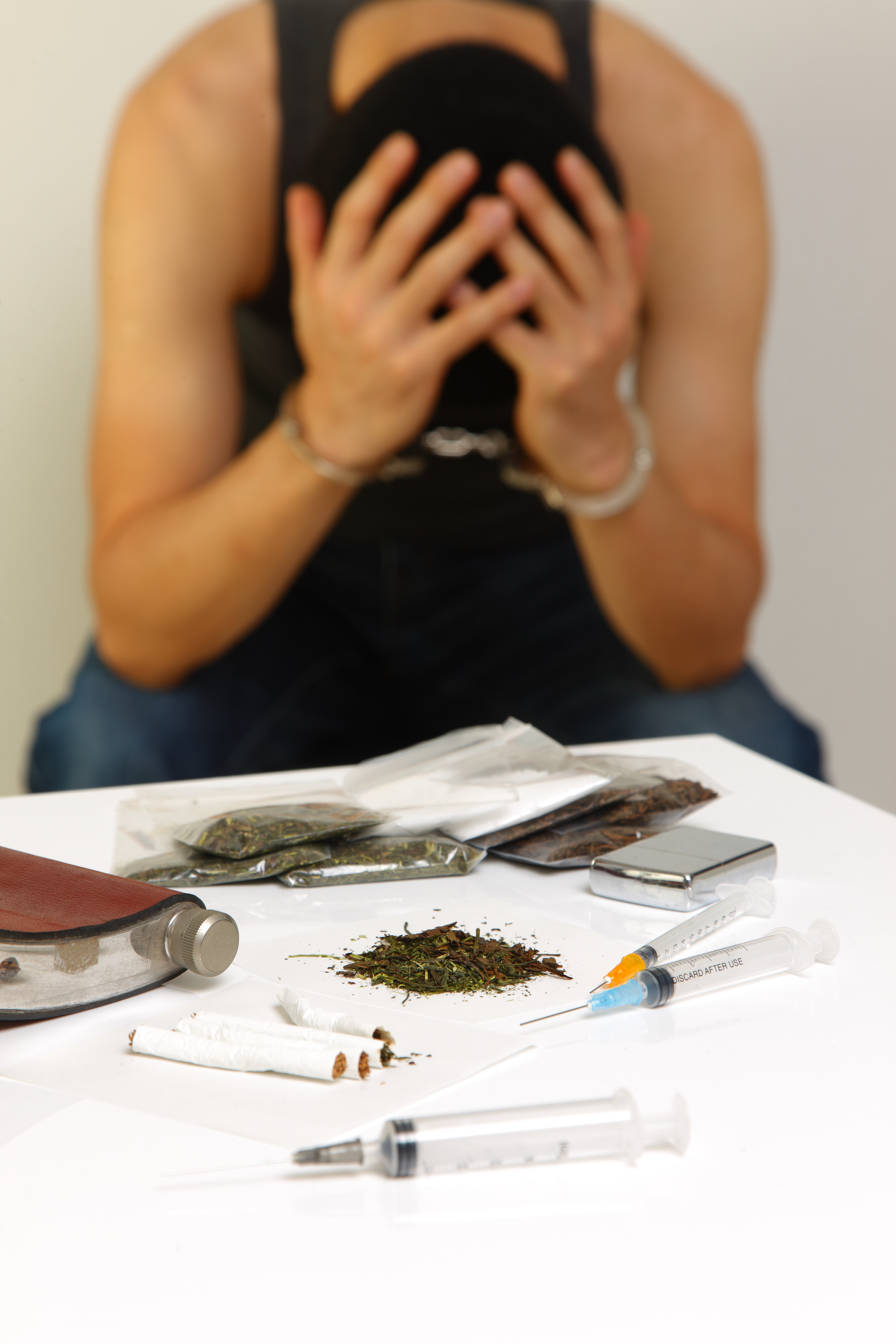
The relatives of victims of drug abuse are ashamed of their kin’s behaviors. The worry is based on what their neighbors or friends may think about them. More worrying is that they have no idea on how to solve the situation. In the early stages of this problem, relatives are supportive showing care, love, support primarily trying to help them accept the problem, the need for treatment and make them take the first step to recovery. However, after making several unsuccessful attempts to persuade them to enroll into a recovery program to no avail, many at time this support fades off and the people they need the most gives up on them and sometimes it can come to the extreme where the victim is expelled from the family just to demonstrate that choices has consequences and family addictions also has its share of consequences.

Nonetheless, doctor Akoury reiterates that even though in some few selected instances members of the family may choose isolation, professionally this doesn’t solve the problem. According to her family support deprivation will leave the addict alone to face his addiction and thus makes the vicious circle closed and the truth is that this is a collective responsibility and getting out of this hell without the help, support and love from the family are impossible.

Family addictions to drugs and consequences: Education and employment effects

The prevalence of drug addiction is no doubt escalating to the amazement of many. What is even worrying the most is that the age bracket of those young people getting into drugs is ever increasing? Unless something is done drastically management of addiction may become very difficult. Socially education is very basic and without it, there is no hope for a better society tomorrow. Therefore, when discussing the subject addiction in relation to education and employment our young ones come to the forefront. Like for instance a teenager or a young adult with his unformed psyche and immature volitional mechanisms, it will be very difficult to resist the temptation to indulge into smoking, drinking alcohol or to take drugs. The desire to be part of the “circle”, to try the forbidden fruit, “to be like an adult” can quickly lead to addiction.

As a parent, you may not be aware of the signs of addiction more so when you have done your part well in bringing up the children. But it is very important that you have these facts together. Antisocial or irrational behavior, unexplained poor school or college attendance, larceny reports, as well as, poor performance, reduced concentration, lack of motivation for continuing education can be some of the signs of using the drugs. Remember that in many instances expulsion from school, college, the university is always as a result of the abuse of substances so whenever this happen, be very watchful and take action immediately should you notice any sign of drug abuse. Finally, take note that drugs destroy professional skills. Therefore to protect your investment in your children’s education schedule an appointment with doctor Dalal Akoury today to get further insights on the best possible ways to go about the emergence of drug addiction in our children today.

Family addictions to drugs and consequences: Alcohol and drugs

http://regenerativepotential.com/wp-admin 


Facebooktwitterpinterestlinkedin