Category Archives: Alcohol recovery

Blood sugar imbalances meets with low carbs diets

Blood sugar imbalances meets with low carbs diets: To prevent chronic ailments

Blood sugar

When blood sugar imbalances meets with low carbs diets such foods have no place on the table.

The other area in life where low carbs diet is very significant is in the management of imbalances of blood sugar. Previously we saw that the consumption of sugar beyond the moderate levels is hazardous to human health and that is why blood sugar control is very important in the management of weight. And by so doing a lot of benefits come along including the prevention of most chronic ailment like diabetes, heart disease, cancer, and all other complications that comes with weight related problems including Alzheimer’s disease just to mention but a few. The information in this article is meant for helping you to be ready at all times. Remember that we appreciate that sugar is sweet and therefore ours is not to scare you in any way, the intension is to inform you of the possible consequences for remedial and timely action. Therefore if you are suspecting that your blood sugar is always raises, then that is a serious indication of a pending chronic problem that need immediate treatment. Persons with such experiences are at an exponentially higher risk for a collection of diseases already mentioned. If timely action is not taken the victim is more likely to experience premature death from these diseases as well and therefore you need to schedule for an appointment with doctor Dalal Akoury for further professional guidance before things get out of hands.

Doctor Akoury MD, President and founder of AWAREmed Health and Wellness Resource Center, is reiterating that in order to avoid this calamity, it is highly recommended that anyone who is consistently experiencing high blood sugar should consider reducing their carbohydrate intake significantly since that will bring that number down quickly, more so if you’re relatively sedentary. Besides that, low carb diets are also very helpful in reactive hypoglycemia. This is a condition where by blood sugar drops too low after consumption of a meal and it is associated with symptoms like dizziness, anxiety, shakiness, hunger, and just being in a state of confusion. This issue can be made worse by caffeine and stress, and it is mostly common with people struggling with adrenal issues.

A common cause of this reaction is when a meal too high in easily absorbed carbohydrates is consumed, and blood sugar rises rapidly, leading to a release of insulin. The insulin released then causes a subsequent drop in blood sugar. The consequences of this drop can sometimes go too low or happen quite rapidly (all over sudden) thereby leading to the hypoglycemic symptoms. From an expert point of view, if therefore you are that person who feed mostly on food loaded with lots of sugar or you are just fond of consuming high carbs, low fat diet etc.., they you may be most likely suffer from blood sugar swings and this can effectively generate to hypoglycemia symptoms. Under such circumstances, it is only advisable that you reduce from high to low carbs and increase fat in your meals to help in keeping your sugar levels steady. Nonetheless, in the event that you’re already feeding on a very low carbohydrate diet, then just some little adjustment like a bit of healthy carbs at each meal will just be enough to help normalize your blood sugar too. In all these, take note that it is very important that you consider your current dietary habits before dropping your carbs any lower meaning that if in any case you’re not very sure where you stand on this issue, then it may be necessary that you consult further from your physician or diet expert.

Blood sugar imbalances meets with low carbs diets: The reasons why we need to be careful with sugar and starch

Our quest of understanding low carbs will not be complete if we don’t tackle on some of the reasons why we must be careful with sugar and starch. There is no doubt that all digestible carbohydrates after consumption are broken down into simple sugars mainly in the intestines. These sugars are then re-absorbed into the blood through a process which in turn raises the blood glucose levels. And because of this increases the production of the hormone insulin is made possible besides our fat keeping hormone. The formation of insulin in the pancreas by and large prevents fat burning and instead stores the surplus nutrients in fat cells. In just a little while this may result in a perceived shortage of nutrients in the blood thereby creating the feeling of hunger and craving for something sweet. It therefore goes without saying that at such point people will often go for food again and again to certify the craving, and vicious cycle continues leading to weight gain. That then explains why we need to be careful with the tow element but contrary to that, a low intake of carbs will give you lower, more stable blood glucose and lower amounts of insulin. The impact of that is that it increases the release of fat from your fat stores and increases the fat burning. Under normal circumstances, this will lead to fat loss, more so around the belly in abdominally obese individuals.

Like in all other applications people use, there is bound to be some initial side effects and low carbs is not left out. Because the body is accustomed to certain lifestyle when that is interfered with, it will have to make some adjustment and during that period of stoppage of using sugar and starch the following are likely to happen in the first few weeks of adjustment:

The good news about these side effects is that they are short lived because as the body adapts to new environment the fat burning process also increases. However you can also take lots of fluids to help you minimize the pain of such effects. Putting a little extra salt in your food can also be used as a temporary measure of reducing any unforeseen pain. Doing this is very important because carbs rich foods have the potential of increasing the water retention in the body. It therefore means that the moment you stop using high carbs foods, you are likely to lose a lot of water through the kidneys which may cause dehydration and lack of salt within the first weeks as the body gets used to the new feeding system. And because of the fear of going through some of these side effects, some people often choose to progressively decrease their intake of carbs through the weeks. However for the majority dealing with all the side effects and getting started into low carbs straight way is most popular. This way they are able to remove sugar and starch while at the sometime scaling down their weight just within a very short period of time.

Blood sugar imbalances meets with low carbs diets: To prevent chronic ailments


Facebooktwitterpinterestlinkedin
substance-use

Evidence Based Treatment Practices for Substance Use Disorders

Evidence Based Treatment Practices for Substance Use Disorders

substance abuseSelecting the appropriate addiction treatment option is very crucial. The individual suffering from substance use may only have one shot at recovery as there are no guarantees that they will ever gather-up the motivation to try quitting substance use again. Unfortunately however, there have been many reported cases where people have attempted quitting but have ended up with a treatment that wasn’t the best for them. In order to ensure that better choices are made when choosing the best treatment to give someone with substance disorders, adequate information is very important. The data gathered about the individual and the treatment option has to be reliable and dependable. By selecting an evidence-based treatment option for substance use disorders, the individual is set in the best position where it is much likely for them to enter a path that leads to recovery.

Definition of Evidence Based Treatment Practices for Substance Use Disorders

Whenever people do online searches for possible treatment options for substance use, they will find many possible treatment options which may be overwhelming. Aggravating the issue is the fact that many of these treatment practices are pure scams or a little more than scams. Some of these results promise the individuals instant results simply by drinking some herbs, swallowing some pill or by wearing some special necklace. Evidence based treatments are therefore put in place to ensure that the individual trying to quit addiction is placed next to the best options or resources that could help them in their journey to freedom.

Evidence Levels to Guide the EBT Practices

All types of evidence cannot be treated equally by professionals; some will get more attention than the others. Data obtained from subjective or anecdotal approaches are considered to be of lesser value as against data obtained from objective scientific approaches or researches. Now this is not to mean that subjective or anecdotal evidence is not of important use because they are but there are challenges with information proceeding from such sources. Such problems as human biases and errors are common with such methods. There are different evidence levels that can be assigned to Substance use Disorder treatments and they include:

Level 1: Indicates evidence that proceeds from true experimental designs and that includes trials performed in the clinic that include some kind of randomization.

Level 2: Indicates evidence that proceeds from quasi-experimental designs that includes no kind of randomization

Level 3: Talks about evidence emanating from professional consensus. For instance, a professional community may believe that a particular treatment works better than the other.

Level 4: Speaks of evidence that proceeds from qualitative literature reviews and publications that of good authority

Level 5: Indicates anecdotal information involving personal experiences and accounts.

From the above, evidence proceeding from Level 1 is of the utmost importance and value while evidence at Level 5 has the least value.


Issues with Anecdotal Evidence

Normally in life, humans tend to learn easily from other people’s personal stories and experiences. It is really simple, people tend to connect real time when someone is talking about what they are going through presently. The belief is there that the person is telling the truth and as such their personal experiences can be related to. It makes it easier to learn from the errors and mistakes such people had in order to avoid the pains they went through and wasted time. However, it is also very natural for humans to think anecdotally that thinking scientifically and there are problems with such thinking such as:

  • Human have been absolutely wired to locate connections between things even when these connections may not actually be there
  • The ways people find interpretation to things they have been through and what has happened to them is extremely affected by personal biases. What this means that even when the same event happen to similar kinds of people, their interpretation of the event might be absolutely different.
  • Humans sometimes have hidden motives and their interpretation of their evidence may be to support these hidden motives.
  • People, more often than not, tend to select experiences and information that best suits what they already believe as their reality.
  • In many ways, the human sense can be compromised and this means events can be inaccurately interpreted and this can be a big problem for those whose only reliance is on eye witness testimonies.
  • Humans possess a subconscious confirmation bias which means that they are much more likely to pay attention to things that relates to what they already believe as their reality and miss things that prove their belief otherwise.

For the above reasons, anecdotal evidences when treating Substance use disorders are taken with a pinch of salt.

substance use

Examples of Evidence Based Treatment Practices for Substance Use Disorders

Below are some of the best evidence based treatment practices for substance use disorders:

  • Cognitive Behavioral Therapy (CBT): This is a psychotherapeutic approach to the treatment of substance use disorders. Many studies have shown and proven the efficacy of this approach when dealing with addictions.
  • The Matrix Model: This is also one of the effective Evidence based treatments used in treating the misuse of stimulants. This employs education and encouragement practices to help the individual recover.
  • The Community Reinforcement Approach: This approach seeks to provide supports for the addicted individual within a common community of addicted people who are trying to recover. This is usually combined with a reward scheme that rewards people who can abstain for a certain period of time.
  • Drugs such as topiramate, acamprosate and disulfiram have been confirmed very useful pharmaceutical agents that are evidence backed when treating substance use disorders. Disulfiram, for instance, make people feel sick when they drink alcohol.
  • The 12 Step Facilitation Therapy is a kind of EBT that encourages addicted individuals to participate in a 12 step program.
  • Motivational Enhancement Therapy: This used a counselling approach which is aimed primarily at increasing the individual’s motivation to quit substance misuse. This involves motivating the individual to see themselves in a positive light and see themselves as being able to quit addiction.

It is very imperative for clinicians and health professionals to employ evidence based practices in treatment of substance use disorders as this helps to greatly improve the chances of the addicted individual’s recovery and prevents the possibility of them retracting and sinking deeper into addiction.

Facebooktwitterpinterestlinkedin
Opioid-Abuse

Challenges in Using Opioids to Treat Pain in Persons With Substance Use Disorders

OpioidsMore often than not, pain and abuse of substance exist together and their co-existence makes treatment of one without the other difficult. In most cases, if the pain is to be addressed, then the substance abuse has to be dealt with first. Opioids are compounds that look like opium in their addictive properties or psychological effects. They are sometimes used as pain relief whenever patients are in severe pains and other pain reliefs seem to be inefficient. Opioids are narcotics and as such are to be used moderately to prevent addiction. This is why when there are cases with patients who are already used to substance abuse, using Opioids tends to just aggravate the problem of substance use. These challenges in using opioids to treat pain in persons with substance use disorders are what this article seeks to talk about.

Pain and Substance use

16 to 24 percent of Americans have been reported to have problems with alcohol abuse. 8% out of the total American population, from 12 years and older, do have a problem with illicit use of substance within a given month. Substance use disorders have been seen to be more significant in medical populations. For instance, 19 to 26% of hospitalized patients have substance use disorders, 40 to 60% are people that have sustained a major trauma, 5 to 67% are those who have been or are being treated for depression. From the above, it can be seen that the treatment of chronic pain poses challenges as the patient may just pick up an appetite which may be hard to shake off, long after their stay in the hospital.

Clinical and Ethical Challenges

Persons who have had a history with substance use are less likely to have an effective pain treatment. It is not as if the pain treatment is not effective but because such people are used to substances which have considerably altered or increased their tolerance and adaptability for such substances, even the most potent pain relief in their right doses will appear ineffective. This is where opioids come in.

Mild to moderate pains can easily be taken care of with physical modalities such as ice, rest and splints but when pains are severe, opioids appear to be one effective way of managing them. Clinicians are however concerned that opioids may be misused by patients. Opioids use in patients with substance use disorders does not only raise complex clinical issues, it also raises ethical issues. This is where the challenge lies. Principles of justice and beneficence demands that all persons have equal access to an effective pain treatment. However tension sets in when such persons are used to substance as the principle of non-maleficence asks that a medical practitioner ‘do no harm’ first when there are concerns about misuse which may cause harmful consequences.

Multidimensional Nature of Pain

Pain is multidimensional in nature. This is another challenge posed to treatment of pain. Pain is subjective, rather than objective, making it hard to actually verify if it exists. Since they are transferred by sensory and emotional experience, one can actually have pains without any physical signs that corroborate this. Therefore, since pain cannot be verified to be existent or not, it is advised that all clinicians attend to all cases of pain seriously. Some patients have the knowledge of this and may often feign pain in order to obtain opioids for non-pain related cases. Also, a patient with addiction who also has pains may not be able to properly coordinate or tell where the pain ends and a craving for opioids begins because actually, it may feel the same way. For instance, pain complaints come with distress calls, and when craving starts as well, the patient may show signs of serious distress. The chronic pain disorders’ spectrum as against addictive disorders is the same for everyone making it hard for actually append treatments accordingly. In patients with no past history of substance abuse, administering opioids is a whole lot easier than when it has to be administered to patients who history of substance abuse because it is very hard to tell when they are actually in need of opioids for pains.

In cases where clinicians are not sure, they have been taught to ask questions such as asking the patient how intense the pain is and asking them to describe their pains on the scale of 0 to 10. Sometimes, this may be useful in knowing the intensity of pain and at other times, some other methods needs to be worked up. In cases where pain seems to be persistent, not only the pain is assessed, the impact it will have on the individual receiving pain treatments will also have to be accessed. Such impacts as how it affects sleep, mood, stress level, work functions and recreational activities.

The challenges in using opioids in treating pains in persons with substance use disorders is high and complex and in most cases, clinician tend to evaluate the results. If the patient seems to get better by the use of Opioids, they should generally not be too concerned about the addiction. What can be done is to supervise the use on a short-term basis.

Facebooktwitterpinterestlinkedin
Glutamate-Homeostasis-Hypothesis-Addiction

Glutamate Homeostasis Hypothesis Of Addiction

Understanding Glutamate Homeostasis Hypothesis Of Addiction

It is harder for a drug addict to recover from an addiction simply because he isn’t in control. Addictive behaviours are highly dependent on several neurotransmitter reactions such as glutamate homeostasis that takes place in the body making it harder to deal with drug addiction complications such as relapse. Studies show that drug abuse disorders are dependent on glutamate levels that are also determined by the degree of cellular development. This assumption became obvious in the 1990s where biologists discovered non-synaptic extracellular glutamate has a significant influence on the release of synaptic glutamate as well as signalling through its receptors. It was also realized that lack or lower levels of glutamate in the synaptic cleft critical prevented the receptor from desensitization as well as excitotoxicity and also, created high chances of postsynaptic responsiveness and synaptic release.

Defining Glutamet Homeostasis

Glutamate Homeostasis can be defined as a range of synaptic glutamate concentrations that are highly controlled in the nucleus accumbens vital for maintaining synapses of glutamatergic. According to studies, reactions revolving around glutamate homeostasis has shown to impact directly the possible chances of drug addiction. This is because continuous use of drugs influences neuroadaptations that in turn affect reactions involving glutamate homeostasis. As a result, the synaptic plasticity gets impaired in a way that it ends up encouraging drug addiction behaviours such as relapse.

Some of the vital triggers of addictive behaviours especially for the recovering addicts are high-risk factors, cues and most importantly stress. According to studies, effects of relapse triggers varies depending on the levels of glutamate in the body. Here is a brief overview of the relationship between glutamate homeostasis and drug abuse.


Glutamate homeostasis

Glutamate Homeostasis Hypothesis Of Addiction eradication success

RELATIONSHIP BETWEEN GLUTAMATE LEVELS AND ADDICTIVE BEHAVIORS

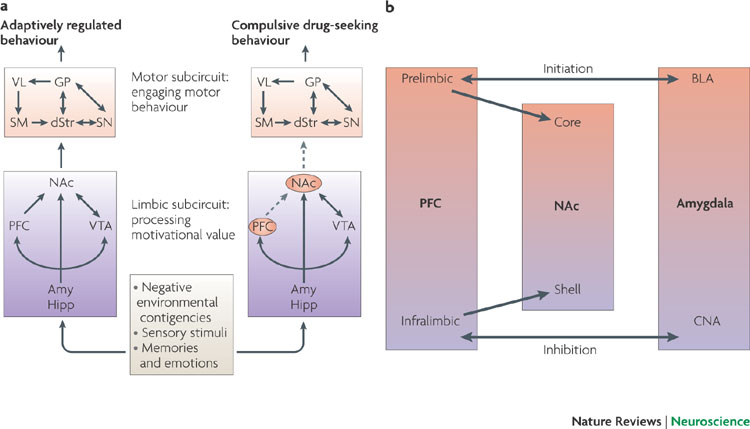
Effects of drug abuse to learning are highly determined by dopaminergic signalling. It has been realized that prolonged drug use results in increased transmission of dopamine that takes place in the ventral tegmental into the structures that exist within the brain’s mesolimbic circuitry such as prefrontal cortex, amygdala and NAc. There is an assumption that projection of glutamatergic from the Prefrontal cortex is among the major causes of drug use or relapse as a result of stress and drug cues making circuitry one of the important factors to consider when dealing with addictive behaviour.

It is also evident that dopaminergic stimulates the patient’s desire to start using drugs. This is made clear in the study that showed that corticostriatal glutamatergic neurotransmission disruptions are partly responsible for chronic drug addiction behaviours that result from several disruptions in the brain caused by glutamate homeostasis dysregulation. Concentrations of extracellular glutamate are regulated to preserve plasticity and synaptic function’s integrity. Other signs that glutamate plays a major role in determining chances of drug addiction exists in the studies that involve, Glutamate-Cystine exchange, Glutamate transporters, mGluR2/3/5, and more.

As we can see above, glutamate homeostasis directly impacts drug seeking behaviours in several ways. As a result, biologists came to a conclusion that restoration of glutamate homeostasis by focussing on its components is one of the effective ways of dealing with drug addiction behaviours, drug cues, high-risk situations as well as relapse. Other studies have also shown that continuous drug use affects the levels of extrasynaptic glutamate. However, some cases contradict the findings of the study. For example, some studies show that alcohol increases the levels of glutamate while on the other hand, cocaine that has almost the same effects as alcohol, reduces the levels.

Glutamine Supplements And Their Benefits To Addiction

It has been realized that apart from determining the chances of drug addiction, Glutamine also plays a significant role in preventing relapse and continuous use of a drug. This remains a fact since almost all studies revolving around glutamine supplements such as L-glutamine has proved that glutamine is one of the vital amino acids required by the body. It has also shown that glutamine plays an important role in brain health, physical performance and high blood sugar that are also considered as relapse triggers. Adequate glutamine in the body ensures that the body functions as expected by reducing stress, discomfort, restlessness and more. As a result, glutamine supplements are now in the market targeting drug users and those who are too cautious of their brain health. Here are some of the glutamine supplement’s proven drug addiction benefits.

Glutamate

  • Glutamine improves focus: One of the most triggers of relapse is the lack of concentration especially when under stress. For drug addicts who are recovering this is the worst thing that can happen especially during their first stages of recovery. Being an essential neurotransmitter, glutamine ensures that you remain focused despite the situation you are in.
  • Improves physical performance: Another relapse trigger common with recovering drug addicts, is the feeling of exhaustion especially when they are not using the drug. As a result, they end up using the drug with an aim of dealing with the situation. Glutamine has proven to promote physical performance as well as recovery after hard work hence eliminates the need of a drug as a booster.
  • Glutamine reduces cravings for alcohol: It is quite clear that alcohol users who have decided to stop drinking can cope with the situation since are not able to control their cravings. The bad news is, cravings are natural and out of human control. If your body needs it then any chance you get, you’ll end up using it again. Glutamine ensures that this doesn’t happen by helping you to effectively control your alcohol cravings hence vital to preventing relapse.

In summary, drug abuse, addiction, drug cues and relapse are all dependent on glutamine levels, making it harder for drug addicts to survive the recovery period. According to studies, lower levels of glutamine encourages addictive behaviours such as relapse, continuous drug use and more. The most disturbing fact is that you have no control of the glutamine levels in your body unless you decide to use supplements such as L-glutamine. It occurs naturally, meaning that if you are an addict, you’ll have a hard time recovering from the problem.

If you are a drug user seeking relief or you have a friend who is an addict and you are looking for a better solution, you are highly invited to Integrated Addiction Conference. The conference will cover topics that relate to drug addiction such as preventing relapse, identifying and managing drug cues and high-risk situations and more. You’ll also get a chance to meet and interact with recovered as well as recovering drug addicts around the world to share your experiences. For more information, follow the link below.

http://regenerativepotential.com/integrativeaddictionconference/

Facebooktwitterpinterestlinkedin
smoking

Solving addiction worries to know the action point

Solving addiction worries by asking to know action point: The most points of concern for many

Solving addiction worries

Solving addiction worries must be prioritize as failing to do so is causing family disintegration at an alarming rate.

Some of the problems we go through are only affecting us because we often don’t ask about them. Do you know that solving addiction worries is possible just by being aggressive by asking questions and getting answers to them? The holy book records that “my people don’t find because they don’t ask” are you struggling with this addiction problem and you are just quite there? We want to help you find answers to your problems. Talking to us at AWAREmed Health and Wellness Resource Center should be your starting point. This facility take pride in solving problems and your problem is only a problem because you have not shared it. Would you want to get solutions today? Doctor Dalal Akoury MD, President and founder of this facility want to help you and as you continue reading through this content, you will notice that it is about asking and getting answers. Keep reading and make a healthy decision today to live a more robust and healthy life with the experts.

Solving addiction worries by asking to know action point: Is there a difference between physical dependence and addiction?

The answer to this is absolutely yes. It is important to note that besides the chronic and harmful consequences that come with addiction, it is also characterized by the weakness or failure to stop using that particular drug; neglecting or failure to meet work, social, or family obligations; and, occasionally depending on the drug, tolerance and withdrawal. When tolerance sets in, the consequence is that the of physical dependence meaning that the body adapts to the drug, thereby demanding for more of it to achieve a certain effect (tolerance) and eliciting drug-specific physical or mental symptoms especially where there is a sudden stoppage (withdrawal) of the supply/use of the drug in question.

Physical dependence can happen with the chronic use of many drugs—including many prescription drugs, even if taken as instructed. Thus, physical dependence in and of itself does not constitute addiction, but it often accompanies addiction. This distinction can be difficult to discern, particularly with prescribed pain medications, for which the need for increasing dosages can represent tolerance or a worsening underlying problem, as opposed to the beginning of abuse or addiction.

How do other mental disorders coexisting with drug addiction affect drug addiction treatment?

In response to this concern, it is important first to note that drug addiction is not behavior but a disease of the brain commonly coming with other mental disorders. Available statistics indicate that up to 6 in every 10 people struggling with an illicit substance use disorder equally suffer from another mental illness; the same is true with users of licit drugs like tobacco and alcohol. Many of the people struggling with addiction are also suffering from mental disorders what is medically known as co-occurrence condition 9suffering from tow conditions at the same time). Successful treatment for such patients sometimes become very difficult more so if individual conditions are addressed differently. Because of the intertwined condition, both conditions must be assessed and treatment done simultaneously. Experts are in agreement that treating both illnesses simultaneously in an integrated fashion which is generally the best treatment approach for these patients.

Is the use of medications like methadone and buprenorphine simply replacing one addiction with another?

This is a good question but the answer to that is No. these (Buprenorphine and methadone) are prescription drugs only administered under medical experts authorization, they are taken under strict adherence of medical doctors and are safe and effective for treating opioid addiction when used as directed. They are administered orally or sublingually (i.e., under the tongue) in specified doses, and their effects differ from those of heroin and other abused opioids. Like for instance, heroin is administered through injection, snorting or smoked thereby causing an immediate “rush of intense euphoria. The rush is then short lived and in just a little while it wears off and ends in a “crash.” At the point individual will experience an intense craving to use the drug again to stop the crash and reinstate the euphoria. If this is not managed well the cycle of euphoria, crash, and craving may continue repeated several times in a day. This is often the most painful part or stage of addiction which must be addressed in the best and most professional manner.

Solving addiction worries by asking to know action point: Can exercise play a role in the treatment process?

Many people become less active as they approach their sunset days but this is one of the biggest mistakes we often make. And so in response to the question the answer is “Yes.” Exercise should be done regularly and it is increasingly proving to be one of the most attractive components in many treatment programs more so when combined with cognitive-behavioral therapy. Exercise may exert beneficial effects by addressing psychosocial and physiological needs that nicotine replacement alone does not, by reducing negative feelings and stress, and by helping prevent weight gain following cessation.

How does drug addiction treatment help reduce the spread of HIV/AIDS, Hepatitis C (HCV)?

Looking at the mode of administration of most of these drugs, they are mostly administered through injection. And one of the characteristic of drugs is that it causes users to lose focus. It is at this point when the damage is done. When users are drunk the will most likely share the needles they use further putting them at more risk of contracting HIN/AIDS and other STDI. Besides that drug-abusing individuals are likely to engage in risky sexual behavior further subjecting them to the risk of contracting these diseases. Finally by now you must have appreciated why solving addiction worries is very important if we have to live a more healthy life. It is our desire to see you enjoy your life for a very long time. Therefore if you or any one you know is struggling with any kind of addiction, you have an opportunity to redeem yourself by scheduling for an appointment with doctor Dalal Akoury for professional treatment.

http://regenerativepotential.com/integrativeaddictionconference/

Facebooktwitterpinterestlinkedin