Category Archives: Alcohol recovery

sex-addiction-treatment-cen-300×3001

Treating sex addiction for the good of intimacy

Treating sex addiction

Treating sex addiction for the good of intimacy and relationship

Treating sex addiction for the good of intimacy: Sex is fun and not to be ashamed of

Treating sex addiction is the best thing you can do to your-self and also to your partner. This is something that is fun, enjoyable and nourishing. Therefore if you have a problem with or in your sex life, you must speak freely about it with your doctor so that the best treatment can be diagnosed for you. It is worrying that for decades of possibly from the creation, sex has remain a no go zone.

Because of this, many people have for a long time been suffering in silence. The good news about sharing in this topic of treating sex addiction is that it can provide a sense of security and control to the victims who would otherwise feel powerless and timid over their urge to participating in an erratic sexual behavior says doctor Dalal Akoury MD, President and founder of AWAREmed Health and Wellness Resource Center. From her several decades of working experience in addiction related discipline, doctor Akoury is advising that sex is a precious gift we should be proud talking about. The secrecy in the discussions about matters touching on sexual activities is not working well for us and especially to those individuals with certain sexual challenges.

Therefore she urges that if anyone is having any sex related complications, they should not make it a secret. What is important is to get help and live your normal life. It is because of that desire of living your life to the fullest that made doctor Akoury to establish AWAREmed Health and Wellness Resource Center so that you and your loved ones can get solace. This is just one of the many facilities where you can help for all matters pertaining to sex addiction. Further to that, today there are so many different treatment programs available to assist you in your recovery. And according to the US National Library of Medicine, some of the best sex addiction treatment programs use proven strategies to help heal the emotional and physical complications that have derived from sex addiction and which were possibly underlying prior to the sexual addiction or which could potentially have even been a source of the addiction to begin with.

If you ever visit any health facility for treatment (treating sex addiction) you will realize that most sex addiction treatment programs are actually take the same approach with other proven strategies applicable in the treatment of other substance addictions or alcohol addiction. Like for instance the following applications are working well for sex addiction treatment; behavioral therapy, counseling, twelve step programs and any other similar methods of treatment for sex addiction that are common in all treatment centers offering sexual addiction treatment approach. And as a matter of fact, many would prefer to use similar methods of treatment since these addictions appear to function similarly in the brain. You may therefore want to consult with doctor Akoury for a much more professional approach in dealing with this condition.

Treating sex addiction for the good of intimacy: Sex is fun and not to be ashamed of

http://www.integrativeaddictionconference.com/wp-admin


Facebooktwitterpinterestlinkedin
painkiller abuse

Natural balance homeostasis of the brain

Natural balance homeostasis

Natural balance homeostasis of the brain can fall prey to substance abuse

Natural balance homeostasis of the brain: Drug addiction

One of the fundamentals in our response to the question of discussion “the natural balance homeostasis of the brain” is that addiction will always change the brain natural balance which is scientifically known as homeostasis. The truth is that addiction interferes with an important biological process called homeostasis. Scientifically the human body is considered as a biological system. All biological systems attempt to maintain a “normal” balance, known as homeostasis. Doctor Akoury says that the brain actually functions as the administrator of this balance by making various adjustments where is necessary to maintain a balanced, well-functioning, biological system. Each person’s “normal” balance is individually determined. Drugs of abuse and activity addictions lead to changes in this normal balance.

Natural balance homeostasis of the brain: The brains over-stimulation

Chronic over-stimulation of the brain (like that which occurs in addiction) interferes with the maintenance of this natural balance homeostasis. When the brain has difficulty maintaining homeostatic balance, the wonderfully adaptive brain makes adjustments. It does this by creating a new balanced set-point. The creation of a new balance is called allostasis. This may not be very clear to many, but let me make it simpler by using a daily life illustration. Take for instance if you add more weight by 20 units, you will try fitting into your clothing’s despite the discomfort. But with time this will not be bearable and so you will have to adapt to the new body size by buying new clothes that will fit you well. Once this is done you will be more comfortable and at this point you will get used to the fact that your cloths are now large size and not medium or small sizes as it used to be.

That is how the process your natural balance homeostasis changes from medium to large. And with this adjustment you become comfortable again. Nonetheless the reverse can also take place in the future where the added 20 units may be lost to keep healthy and when that happens you will be compelled to make further readjustment to your clothing size by buying smaller sizes. Therefore even though at this moment you will be healthy due to the loss, you will still need to make an unpleasant and costly adjustment by buying smaller clothes. This is very similar to the unpleasant adjustment the brain must go through when people try to give up their addiction. Although this is a positive change, we will be uncomfortable while the brain makes readjustments to suits the present circumstances.

Natural balance homeostasis of the brain: The brains coping strategies

I hope that the concept is coming out clearly from the above illustration. But nonetheless even with the brain’s wonderful ability to make the readjustments, these changes are still causing significant changes to the brain’s functioning. And in fact it is these changes that account for many behaviors associated with addiction such as:

  • The powerful and lustful need to obtain drugs or continue with the indulgence of harmful activities despite the harm to self or loved ones
  • The difficulty of quitting an addictive drug or activity, and
  • The obsessive, all-consuming nature of addictions such that little else in life matters

This happens because addiction caused the brain’s balance to change to accommodate the addiction. Once changed, the brain requires the addictive substance or activity in order to maintain this new homeostatic balance. Finally it is important to appreciate that we all have a duty to keep our health above board and the brain is playing a key role in ensuring that this dream is realized. Therefore anything that makes the brain to function improperly must be the biggest enemy to us. That is to say that if you or anyone you know is struggling with any form of addiction you may want to consider scheduling for an appointment with doctor Dalal Akoury today for the commencement of your healing recovery program.

Natural balance homeostasis of the brain: Drug addiction

http://www.awaremednetwork.com/


Facebooktwitterpinterestlinkedin
gut-brain-axis (1)

Hypothalamus area of the brain and drug addiction

Hypothalamus

Hypothalamus area of the brain and drug addiction. This is the section of the brain that is most affected

Hypothalamus area of the brain and drug addiction: Stress management

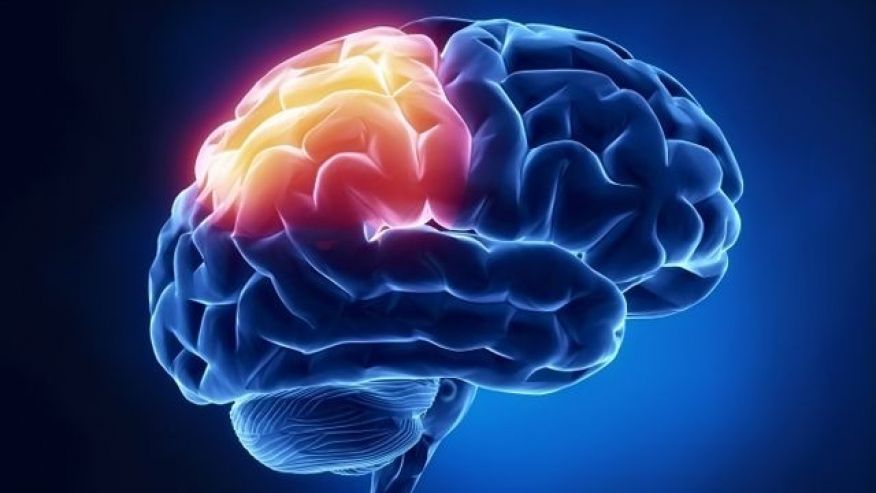
Of the components of the brain, the hypothalamus area often bears the greater risk of attack by substance abuse. This is actually the part of the brain that is responsible for several functions including body temperature regulations, hunger, thirst and sleep. Besides these functions, the hypothalamus is also task a key role of the interpretation of how we respond to stress. According to the experts at AWAREmed Health and Wellness Resource Center which is one of the leading pioneers in natural and holistic addiction treatment, we cannot effectively talk about addiction without the mention of stress. Doctor Dalal Akoury MD and also the founder of this facility agree that stress regulation is highly relevant to our understanding of addiction. And that is why we want to explore further into details the effects of addiction on the hypothalamus area of the brain alongside the regulation of stress and withdrawal.

Because of these facts, it is important to note that when an individual is stress, the hypothalamus releases chemicals known as hormones. It is these hormones that allows’ the brain and the body to respond to that stress. Unlike neurotransmitters (which are chemicals limited to the brain) hormones travel throughout the body via the blood system. It therefore means that hormones can exert an effect on other body systems as well. When these chemical hormones operate in the brain, we refer to them as neuromodulators. These hormones (neuromodulators) can act just like neurotransmitters in the brain. Like neurotransmitters, they have their own receptors associated with them.

Stress the relapse trigger

From our studies, it is obvious that stress is a well-known relapse trigger to all users of drugs. It capable of prompt powerful cravings in addicted persons I can therefore say almost with certainty that majority of us in one way or another have come across someone who struggled with an addiction and tried to quitting but ultimately relapsed when they became stressed out. Doctor Akoury says that under normal circumstances, at the beginning periods of recovery withdrawal symptoms often create stress and the vicious cycle continues. It is however very important to appreciate that stress will always prompts the addictive use, while efforts to discontinue use prompt stress.

During withdrawal, these stress hormones are elevated. Even though stress levels are high, the brain’s anti-stress neuromodulators appear to decrease, as do dopamine and serotonin in the nucleus accumbens. This suggests that withdrawal affected the reward system (evidenced by decreasing dopamine and serotonin). At the same time, withdrawal activates the stress and anxiety systems. This “1-2 punch” heightens the negative experience of withdrawal. This prompts people to seek relief via the addictive substance or activity (i.e., relapse).

In summary, the neurotransmitter pathways associated with the amygdala and the hypothalamus play a crucial role in sustaining the addiction process and this occurs thorough:

  • The negative emotional memory that is associated with drug withdrawal
  • The positive emotional memory that is associated with drug cues
  • The disruption that occurs to stress regulation
  • The pleasurable relief from withdrawal symptoms that occurs by resuming drug use or addictive activities

Hypothalamus area of the brain and drug addiction: Stress management

http://www.awaremednetwork.com/

Facebooktwitterpinterestlinkedin
master cells

Addiction rage on the brain system

Addiction rage

Addiction rage on the brain system with all substances causing serious damage to the brain

Addiction rage on the brain system: Significant reversal of drug addiction

There’s no doubt that the addiction rage on the brain is continually getting out of proportion. The naked truth is that drug addiction is causing significant chemical, structural and molecular changes that has literally hijacked the operations of the brain. However, as painful as it may appear, doctor Dalal Akoury MD and a veteran addiction expert who also founded AWAREmed Health and Wellness Resource Center to primarily help all people struggling with addiction related problems says that with goo and professional treatment this can be reversed. Besides, as the recovery process proceeds, the brain continues to heal. Nonetheless even though it is true that many changes do occur in the brain after addiction takes hold, it is also very important to remember that the brain is very dynamic with ever-changing system. That is to say that changes to the brain’s neuronal circuits, chemistry, and structures powerfully drive the addiction forward. However, a strong motivation to change, can just as powerfully counter these changes. It therefore means that people can learn new coping skills on how to counter the addiction rage. Like for instance, they can practice behavioral modification techniques and all these efforts put together will actually counter those damaging changes.

Addiction rage on the brain system: Practicing abstinence

Abstinence from addictive substances or activities can lead to a reversal of many physical changes that occurred during addiction. Combination of therapies like for instance medications and psychotherapy can also help the recovery process by managing the physiological effects of addiction rage as well as the withdrawal symptoms. Cognitive-behavioral treatments work to mend and repair the psychological impact of addiction. Doctor Akoury says that from this discussion, it should come out clearly that the brain is quite amazing. Like for instance it has the capacity to control its own physiology and is highly adaptive. Each behavioral step we make forward has a beneficial physiological effect on the brain. Therefore a sincere effort to change behavior is a powerful tool that mends the damaged brain.

What that communicates is that when we change our behaviors by finding new healthy outlets for satisfying cravings, we succeed in correcting the damaged brain functions. These positive changes form new memory and behavioral circuits in the brain that strengthen and reinforce recovery efforts. Yes, the brain has changed because of the addictive process. Nevertheless, even people with severe addiction problems succeed in overcoming their addiction rage when the rights are done. It is disturbing that many often do so without any professional help and that is why motivation is one of the key we want to give to you should you chose to contact us for help today.

Addiction rage on the brain system: Significant reversal of drug addiction

http://www.integrativeaddictionconference.com/wp-admin



Facebooktwitterpinterestlinkedin
heroin addiction

Defeating addictive habits and formations

Defeating addictive habits

Defeating addictive habits and formations is broad and wide including very essential foods can also be very dangerous

Defeating addictive habits and formations: Craving, withdrawal, relapse and triggers

It may be true that defeating addictive habits and formations can be very difficult once allowed to settles in an individual’s life. This school of thought is supported by several factors including denial and relapse among many others. But all the same this is one theory that needs not to be encouraged because defeating addictive habits is possible and with the right experts like doctor Dalal Akoury MD, President and founder of AWAREmed Health and Wellness Resource Center, this can even be achieved in relatively shorter time.

If you have been there, you will agree with me that besides relapse and denial, withdrawal is such an unpleasant experience that one wouldn’t want to repeat since it serves as a serious influence and a motivation to get back to your old habits. When this finally happens (getting back to your addiction), it becomes much more pleasurable to the victim even as the consequences of addiction sink further. And because of its pleasurable nature, it even becomes more rewarding and therefore it is bound to be repeated again and again.

Some drugs substances like alcohol and opiates, have withdrawal effects that are both physical and emotional. Other drugs or addictive activities may primarily involve around emotional symptoms. This characteristic of addiction occurs because of several changes in the brain meaning that we must do all it takes to ensure that defeating addictive habits and formations including craving, withdrawal, relapse, triggers of addiction are won. And with the help coming from doctor Dalal Akoury MD a veteran expert in addiction and her team of experts from AWAREmed Health and Wellness Resource Center this journey and mission is attained.

Doctor Akoury explains that as drug use or the addictive activities escalates the involvement of various brain regions associated with our emotional state also increases. Therefore the brain region that is most often associated with our emotional state is the extended amygdala. Experts are of the opinion that, this area of the brain plays an important role in addiction because of its association with emotions and stress. And like we had mentioned previously that addiction and stress are closely related, we are going to be looking at the two progressively as we progressed into the discussion.

Defeating addictive habits and formations: Amygdala

We all have memories about various events in our lives which can either be bad or good. These memories and emotions can be affected by amygdala. They can also be can be categorized as good or bad depending on the emotional states that happen during those events we are remembering. It is therefore very important to appreciate that these memories are formed from the brain and up on their formation, they are kept still within the brain along with the emotional attachment that occurred during those events.

In the same way an addicted person may only need to visualize about engaging in his addiction and that will be enough for him to experience pleasure. In that case, the memory of engaging in the addiction is stored with a pleasant emotional state and hence the pleasing memories of engaging with an addiction can lead to repeating those behaviors and eventually forms a habit. That explains why defeating addictive habits and formation is very important. And to effectively do that all you have to do is to call doctor Akoury to schedule for your appointment and your life will never be the same again.

Defeating addictive habits and formations: Craving, withdrawal, relapse and triggers

http://www.awaremednetwork.com/


Facebooktwitterpinterestlinkedin