Category Archives: Alcohol recovery

faster weight loss

Helping cancer patients cope
Helping cancer patients cope

Helping cancer patients cope with this disturbing condition requires a lot including healthy living

Helping cancer patients cope: Attitude and beliefs

People value the care they get from their cancer care team, but many also want to take an active role in dealing with their illness. Dr. Dalal Akoury the MD and founder of AWAREmed Health and Wellness Resource Center has been in the medical practice for well over two decades and she is going to be very instrumental in helping cancer patients cope with this condition progressively as we continue in the discussion. She says that for a better understanding of these concerns, it is important to segment the useful ideas on coping with cancer in to two categories. The divisions is based on attitudes and beliefs that clearly are beneficial (and she calls them the Do’s) and those that are harmful (which she referred to as the Don’ts). The following are some of the doable.

Helping cancer patients cope: The doable attitudes

Only go for those coping ways that have been helpful for you in the past in solving problems – It is important to note that everyone will only want to associate with those people who will add value to their lives. Therefor be selective and only go for those whom you will feel comfortable sharing and talking with about your illness freely. In the event that you can’t talk to anyone, you could opt for meditation, relaxation or listening to music as alternatives of calming you down. Do what it takes and only apply what has worked for you before and in the unlikely event that nothing works and coping is becoming difficult, then at this point getting professional help becomes necessary.

Deal with cancer “one day at a time – For effective dealing with cancer, it is very important that you keep distance from elements of worries. The business of coping with cancer will be less tasking when broken into smaller units which are manageable. By doing this, you will be able to handle your daily objectives.

Register for support and self-help groups – Only associate with value additions groups and leave any group that makes you feel worse.

Find a doctor who lets you ask all your questions – In the journey of answering this question “how can I help myself cope with cancer?” it will be very important that you in all your association there must be the feelings of mutual respect and trust. Always insist on being a partner in your treatment. Doing this will enable you to be informed of the problems you are likely to face before they come, and addressing them will become even easier.

Explore spiritual and religious beliefs and practices, such as prayer, that may have helped you in the past – If you don’t consider yourself a religious or spiritual person, get support from any belief systems that you value. This may comfort you and even help you find meaning in the experience of your illness.

Keep a personal notebook of your doctors’ numbers, dates of treatments, lab values, x-rays, scans, symptoms, side effects, medicines, and general medical status – Information about the cancer and your treatment is important to have, and no one can keep it better than you.

Keep a journal if you find a need to express yourself without holding back – It can help you process the journey, and you may be amazed by how helpful it can be.

Helping cancer patients cope: Attitude and beliefs


Facebooktwitterpinterestlinkedin
treadmill

Clinical depression and cancer

Clinical depression

Clinical depression and cancer treatment solution begins with detoxification effectiveness

Clinical depression and cancer: Emotional health

It’s normal to grieve over the changes that cancer brings to a person’s life. The future, which may have seemed so sure before, now becomes uncertain. Some dreams and plans may be lost forever. But if a person has been sad for a long time or is having trouble carrying out day-to-day activities, that person may have clinical depression. In fact, up to 1 in 4 people with cancer have clinical depression. The effects of clinical depression is alluded to great distress, impairs functioning, and might even make the person with cancer less able to follow their cancer treatment plan. In all these, there is still hope and the good news is that clinical depression can be treated. Therefore if you know of anyone who has symptoms of clinical depression, you can be their link to the much help they need, encourage them to get help from the experts at AWAREmed Health and Wellness Resource Center. There are many ways to treat clinical depression including medicines, counseling, or a combination of both. With good and timely treatments, you can reduce your rate of suffering and improve the quality of your life.

Symptoms of clinical depression

  • Loss of interest or pleasure in almost all activities most of the time
  • Being slowed down or restless and agitated almost every day, enough for others to notice
  • Frequent thoughts of death or suicide (not just fear of death), suicide plans or attempts
  • Continues sadness, hopeless, or “empty” mood for most of the day
  • Extreme tiredness (fatigue) or loss of energy
  • Trouble focusing thoughts, remembering, or making decisions
  • Feeling guilty, worthless, or helpless
  • Major weight loss (when not dieting) or weight gain
  • Trouble sleeping with early waking, sleeping too much, or not being able to sleep

Remember, some of these symptoms, such as weight changes, fatigue, or even forgetfulness can be caused by cancer and its treatment. However when five or more of these symptoms happen consistently daily for 2 weeks or more, or are severe enough to interfere with normal activities, it might be assign of depression. If this description fits your situation, then you need to be checked for clinical depression by a qualified health or mental health professional. If the person tries to hurt him- or herself, or has a plan to do so, get help right away.

Clinical depression and cancer: What to do

  • Promote physical activity, especially mild exercise such as daily walks.
  • Reassure the person that with time and treatment, he or she will start to feel better – and although changes to the treatment plan are sometimes needed, it’s important to be patient.
  • Help make appointments for mental health treatment, if needed.
  • Provide transportation for treatment, if needed.
  • Remember that it’s OK to feel sad and grieve over the losses that cancer has brought to their lives, and to yours.
  • Realize that being pessimistic and thinking everything is hopeless are symptoms of depression and should get better with treatment.
  • Engage the person in conversation and activities they enjoy.
  • Encourage the depressed person to continue treatment until symptoms improve, or to talk to the doctor about different treatment if there’s no improvement after 2 or 3 weeks.

If you suspect you may be depressed, schedule for an appointment with doctor Akoury today.

Clinical depression and cancer: Emotional health


Save

Facebooktwitterpinterestlinkedin
timthumb

Cancerous chronic nature and effect of cocaine

Cancerous chronic nature

Understanding Cancerous chronic nature and effect of cocaine.

Cancerous chronic nature and effect of cocaine: Long and short term effects

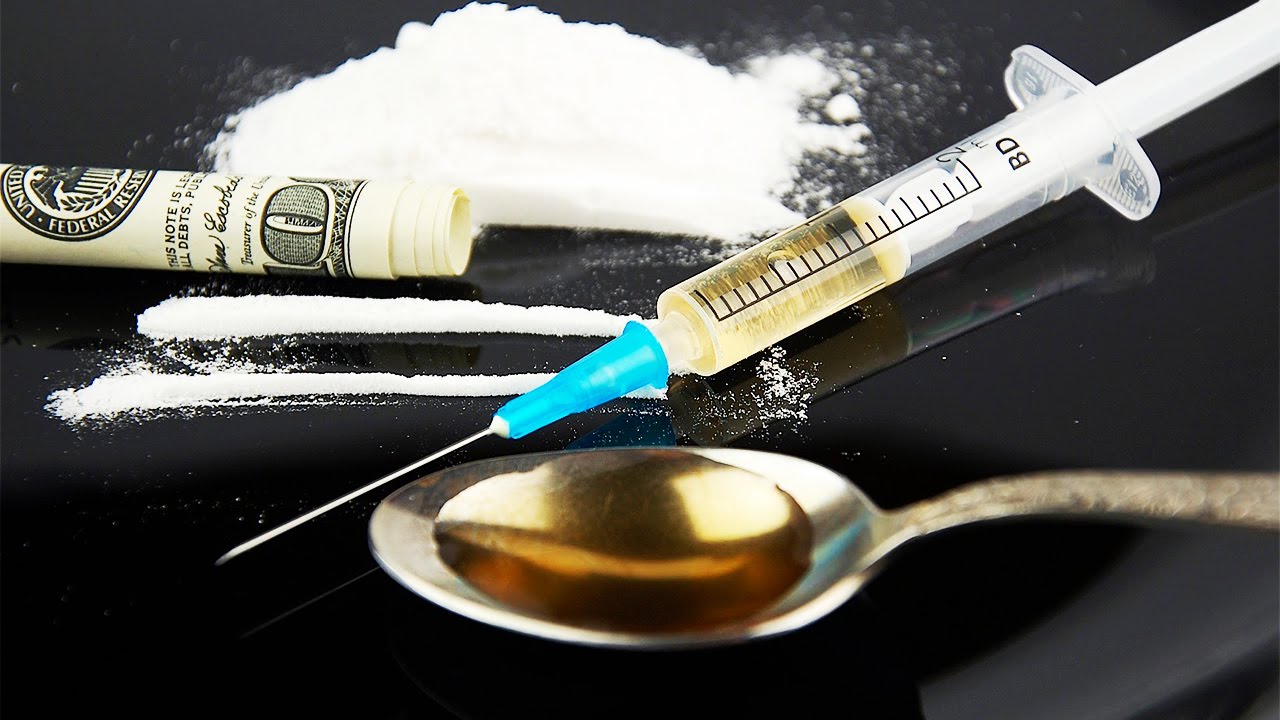
There is no doubt that cocaine is very addictive substance. Its power of addictiveness makes it to be very unpredictable and thus users may not be able to tell or control the extent to which they will continue to want or use the drug. Doctor Akoury says that with these characteristics, if one is to become addicted, the risk for relapse will be very high even after long periods of abstinence. Some studies have established that during periods of abstinence, the memory of the cocaine experience or exposure to cues associated with drug use can trigger tremendous craving and relapse to drug use. It is this craving element that will necessitate the long and short term effects of cocaine which is going to form the basis of this discussion.

Cocaine causes a short-lived, intense high that is immediately followed by the opposite intense depression, edginess and a craving for more of the drug. Users of cocaine often don’t eat or sleep properly. They can experience greatly increased heart rate, muscle spasms and convulsions. The drug can make them feel paranoid, angry, hostile and anxious even when they are just sober and not high. Doctor Akoury says that irrespective of the quantity of drugs used or frequency with which it is used, cocaine increases the vulnerability of addicts into contracting chronic diseases like heart attack, stroke, seizure or respiratory (breathing) failure. These conditions can be life threatening and any of them can result in sudden death.

Cancerous chronic nature and effect of cocaine: Long term effects

When people abuse cocaine over a period of time, a lot of things can happen in the lives of such individuals. Some of those health implications may include the following:

  • Permanent damage to blood vessels of the heart and the brain
  • High blood pressure that will occasionally leads to other chronic health conditions including heart attacks, strokes and even death
  • The damage of vital organs like the liver, kidney and the lungs
  • Damages of the nose tissues especially when sneezing
  • Respiratory failure if smoked
  • Infectious diseases and abscesses if injected
  • Malnutrition, weight loss

The point we have highlighted may not be conclusive as far as the long term effects is concern. It would be better if you are up to date will all health information surrounding this substance abuse. Such information in their conclusiveness is available at AWAREmed Health and Wellness Resource Center. All you need to do is to seek for help by scheduling for an appointment with doctor Dalal Akoury any your condition will be professionally addressed timely leaving you to enjoy life to the fullest.

Cancerous chronic nature and effect of cocaine: Short term effects

  • Loss of appetite causing the addict not to feed properly
  • Intense drug craving
  • Bizarre, erratic, sometimes violent behavior
  • Convulsions, seizures and sudden death from high doses (even one time)
  • Tactile hallucination that creates the illusion of bugs burrowing under the skin
  • Increased heart rate, blood pressure, body temperature
  • Contracted blood vessels
  • Dilated pupils
  • Disturbed sleep patterns

Finally it is not just enough to know the long and short term effects of cocaine but it is equally very important that you learn from the past people who had gone through the same experience. And I want to conclude this discussion with a testimony from one former addict who is now sober and he says “don’t touch cocaine. I had to spend four years behind bars just because of this drug (cocaine). And when I got out he continues, life was so hard and unbearable. I started taking the drug again. In this drug business, I have known 10 girls who were full of life but who became prostitutes because of cocaine. It’s much more extreme and degrading than we believe. At the time we don’t realize to what degree it destroys us he concludes.” Choose life and seek for help doctor Akoury will be waiting for your call.

Cancerous chronic nature and effect of cocaine: Long and short term effects


Facebooktwitterpinterestlinkedin
sex addiction

Addressing adolescent addiction problems

Addressing adolescent addiction

Addressing adolescent addiction problems begins by creating serious awareness about addiction and encouraging treatment as well.

Addressing adolescent addiction problems: When your teen has problems with drugs

We all want to bring up children in the way that they will become useful people in the society. This duty is becoming difficult by the day thanks to the abundance of drugs on our streets and neighborhood. The pain parents go through with their teens is overwhelmingly disturbing. Just imagine discovering for the first time that your son/daughter whom you have believed is honest, discipline and trustworthy is doing drugs! It is painful, frustrating, confusing and annoying. But even with that state of confusion we still have a duty of addressing teen’s addiction problems objectively. Doctor Dalal Akoury is an addiction veteran expert who has over the past two decades been working with all categories of addiction complications and she is going to be of great help to us in addressing teen’s addiction problems.

Doctor Akoury explains that under such situations it is important that as a parent or guardian you remain calm in the way you approach your teenage child with this disturbing issue. Yes you are angry and disappointed but you still need to be sober in handing this situation. It is important that even as you address your children, they should get the tone of a concern and loving parent and not that of a police officer or a high court judge. They (teens) needs to feel that they are still loved and are being supported come out of this drug problem. And so that you are not caught off gourd, it is important that you are aware of the signs indicating that your teens are abusing drugs

Addressing adolescent addiction problems: Warning signs of teens abusing drugs

It may be true that experimenting with substances many not result in abuse, it possess a challenge in the sense that early introduction to drugs is a risk factor to serious future addiction. Statistic also indicate that teens are at risk of addiction during transition like when moving from one school to another or from highs school to college. Doctor Akoury therefore advices that parents needs to be very observant to some of the following teen’s red flags of addiction.

  • Sudden bloodshot eyes or dilated pupils resulting in application of eye drops to mask these signs
  • Skipping class; deteriorating grades; consistent disciplinary actions at school
  • Missing money, valuables, or prescriptions at home
  • Sudden change in hobbies and telling lies about new hobbies and activities
  • Dropping one group of friends for another and being secretive about the new peer group
  • Seeking for more privacy by locking doors and often avoiding eye contact and just sneaking around
  • Acting unusually isolated, reserved, angry, or depressed

Addressing adolescent addiction problems: Possible actions parents may take

Rules and penalties – Stern action points needs to be in place. Teens must never feel that it is business as usual when they make mistakes. All this must be supported by both parents and no spouse should relent when penalties are being executed.

Be observant about your teen’s activity – Be informed of who your teens keep as friends. Occasionally walk around inspecting possible drug dens around your territory or home. Ensure your teens understand that privacy is a privilege which when violated, can be withdrawn and therefore this luck of privacy is a penalty to them for using drugs

Motivate your teens to focus on other interests and social activities – You can do this by expose them to much productive hobbies and activities like team sports.

Discuss with your children about any underlying issues – Drug use can be the result of other problems. Is your child having trouble fitting in? Has there been a recent major change, like a move or divorce causing stress? These are fundamental issues that can lead them into drugs.

Finally children can be rebellious to their parents and so seeking help from other authorities, they are likely to heed and get transformed. That is why doctor Dalal Akoury and her able team of experts are every available waiting to help you get the best out of your teens. Make a point of contacting us today for a life changing session with your teens.

Addressing adolescent addiction problems: When your teen has problems with drugs


Facebooktwitterpinterestlinkedin
Healthy foods

Double health complications from cancer and stress

Double health complications

Double health complications from cancer and stress. in fact cancer is a killer disease which must be addressed professionally.

Double health complications from cancer and stress: The questions to address

When dealing with dealing with health issues today, be rest assured that quite often you will be addressing multiple or double health complications from various health complications including cancer and stress which are very good friends as far as health issues are concern. The following questions are going to help us understand the double health complications. Doctor Dalal Akoury MD and also the founder of the same is going to be taking us through this process.

  • How does stress affect the way cancer progress?
  • How can I protect myself against the effects of stress?
  • How does support work?

Double health complications from cancer and stress: How does stress affect the way cancer progress?

The effects of stress may stem from how your body responds to it. When you’re stressed, your body makes certain so-called “stress” hormones to deal with it. In many cancer patients, these hormones bind with cancer cells. That can make the cells more invasive and help protect them as they move from one part of the body to another. This makes it easier for the tumor to grow and the cancer to spread. Nonetheless being stressful can also trigger negativity to your immune system which is the body basic defender from external and internal aggression. It has been established that, stress can interferes with the way certain cells in your immune system work. In particular, it affects cells that find and that kill emerging cancer cells.

How can I protect myself against the effects of stress?

People with better support tend to have better functioning immune systems. They also tend to have lower levels of certain stress hormones. This makes it less likely that stress will cause changes in the way a tumor grows. Some studies also show that people with more support have lower levels of chemicals that promote new cell growth and make tumors more aggressive.

Double health complications from cancer and stress: How does support work?

Support makes it easier to develop qualities you need to deal with stress. For example, it can help you develop more active coping skills. A strong support network can reduce the effects of stress in several ways including the following:

  • It can lessen the magnitude of the problem and help you see that event as less stressful. That will lessen your body’s response to it.
  • It can improve your management levels and how you cope by providing advice, problem solving techniques and resources for help when you need it.
  • It can help enhance positive health behaviors such as exercise and proper nutrition.
  • It can provide support that makes it easier to adhere to your medical treatment plan.

A number of recent studies have also shown that, in addition to a support network, there are potential benefits from programs that help you learn how to manage stress. Such programs include:

  • Cognitive behavioral therapy
  • Mindfulness
  • Yoga
  • Alternative therapies such as Healing Touch
  • Medication

It is important to appreciate that such programs can not only help you in dealing with the stress that comes from having cancer, but the stress that can come from treatments such as chemotherapy and radiation as well. Therefore cancer and stress must not be allowed to ruin your health. There is always something you can do to be safe. You can talk to the experts at AWAREmed Health and Wellness Resource Center under the able leadership of Doctor Akoury’s care for professional assistance today by scheduling for an appointment with her.

Double health complications from cancer and stress: The questions to address


Facebooktwitterpinterestlinkedin