Category Archives: Alcohol recovery

drug abuse

Pursuing drug usage and cravings to the brain
Pursuing drug usage

Pursuing drug usage and cravings to the brain

Pursuing drug usage and cravings to the brain: Addictions effect on the brain’s reward system

Pursuing drug usage and craving to the brain can be very interesting more so when considering how the brain functions. It is true that the brain has evolved over time in a way that ensures human survival. And in fact our brain’s reward system is part of that survival system. In many instances we often experience an urgent need for food whenever we are starving and generally have a powerful desire for sex too. According to doctor Dalal Akoury MD and founder of AWAREmed Health and Wellness Resource Center, the brain’s reward system rewards food and sex because they ensure our survival. Unfortunately, drugs of abuse operate within these reward systems which leads people to experience an urgent need or powerful desire for drugs or addictive activities.

The brain’s reward system has ensured our species survival. You may have not known but food, water, and sex are some of the elements that activate the reward system. Therefore when the brain’s reward center is activated, it releases dopamine. Dopamine then creates a pleasing, enjoyable sensation which then motivates us into repeating these behaviors which are necessary for our survival. The reason why this is happening is because dopamine has rewarded us with a pleasurable feeling. Doctor Akoury recommends that from an evolutionary standpoint of view, it is very helpful to have a reward system that works. Like for instance, imagine that there is very little food and you’re wandering about looking for food. When you finally find something to eat, this triggers your reward system. This pleasing feeling (dopamine “reward”) will become associated with whatever behavior that led you to that food. This causes you to want to repeat that behavior. Moreover, the reward system is closely tied to emotional and subjective memories. If you were successful and found food in a particular place for instance, in the future you will want to look for food in the same location. This reward system increases the likelihood that you will be successful in finding food there the next time. This is because your brain chemicals are rewarding you with a pleasing sensation. It also helps you to remember how and where this pleasant feeling occurred.

Pursuing drug usage and cravings to the brain: The negative dopamine reward sensation

It will come to you as a surprise that the element that motives your survival is the very same reward system that ensures your survival and also rewards drug use. Doctor Akoury reiterates that all addictive substances and activities will trigger the release of dopamine which rewards us with a pleasant sensation thereby succeeding in motivating us to continuously indulge in these harmful behaviors. It is nowadays common knowledge that peoples with addiction problems will all it takes to get their drug of choice and in the same way, they continue with their addiction despite the harm it causes to themselves or their loved ones. It is therefore very important to note that all these characteristic of addictive behaviors arise from the brain’s pleasure and rewards centers. Therefore seeking for lasting solutions becomes a must to do for all victims. This may not be a very popular thing owing to the addictiveness of some of these drugs, but nonetheless it is the best option if you want to have a healthy life that is free from all sorts of addiction. You can schedule for an appointment with doctor Dalal Akoury for the commencement of your journey to recovery.

Pursuing drug usage and cravings to the brain: Addictions effect on the brain’s reward system

http://www.I-AM-I.com/wp-admin

Facebooktwitterpinterestlinkedin
Addicted brain

Mesolimbic pathway and drug seeking

Mesolimbic pathway

Mesolimbic pathway and drug seeking. Hypothalamus area of the brain and drug addiction.

Mesolimbic pathway and drug seeking: Drug cravings to the brain

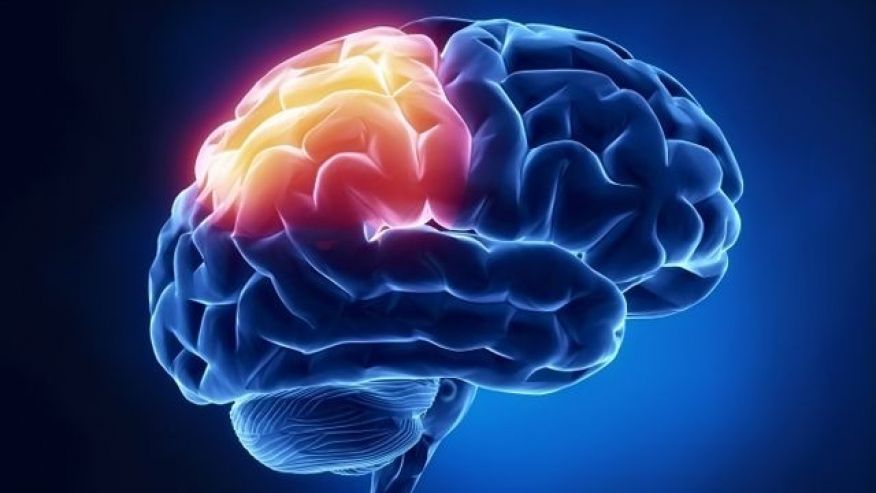
From our basic understanding of the purpose and functioning of the brains reward system in the previous postings, we can interrogate it a little bit further in several ways. The circuit most associated with pleasure and reward is the mesolimbic pathway which is located in the brainstem. The objective of this area of the brain is primarily concerned with basic survival. Within the mesolimbic pathway is an area called the ventral tegmental area (VTA). The VTA projects to the nucleus accumbens (thought to be the reward center). The neurotransmitter most commonly linked with the mesolimbic system is dopamine. Many people consider dopamine to be the driving force behind the human pursuit of pleasure. The release of dopamine is a pleasurable sensation. The release of dopamine motivates us to repeat behaviors or activities that prompted this release. This system’s purpose was to promote survival by rewarding life sustaining behaviors such eating and procreation.

All addictive drugs and activities release varying amounts of dopamine into the nucleus accumbens with stimulant drugs like cocaine and methamphetamine releasing the most. However when it comes to drugs like alcohol or heroin, the brain’s own opiate system (endorphins) also gets involved. Doctor Akoury further says that even though different forms of addictions have different effects in the nucleus accumbens, they share one common denominator that they all activate the reward system which in turn motivates us to repeat those behaviors, even though they may be harmful. Besides what we have discussed about the concepts of reward, pleasure, and craving together, it is however very important to appreciate that there is a distinction between pleasure-seeking and drug seeking. Note that pleasure-seeking is all about the pleasurable, rewarding aspect of addiction while drug-seeking refer to the craving aspect of addiction. Dopamine may be more involved in drug-seeking (craving) component of addiction. The opiate (endorphin), GABA, or glutamatergic systems may be more involved in pleasure-seeking aspect of addiction too.

Pleasure-seeking and drug-seeking (cravings) are inter-related, yet distinct. Research has established that natural rewards (food, water, sex) typically lessen their influence on the reward system over time. As a behavior occurs more often, dopamine levels tend to decrease in the process. Psychologists call this habituation. This makes sense. Once you’ve eaten enough food, you don’t need to be rewarded for eating more food. Then you would be eating too much, or too much of one type of food. Therefore everyone needs to take heed of keeping the brain free from all attacks be it from substances or otherwise. Talking to the experts at AWAREmed Health and Wellness Resource Center under the able leadership of doctor Dalal Akoury should be your starting point. Call and make that appointment today for the commencement of your journey to full recovery from your addiction.

Mesolimbic pathway and drug seeking: Drug cravings to the brain

http://www.awaremednetwork.com/


Facebooktwitterpinterestlinkedin
sex addiction

Brain hypothalamus area and stress

Brain hypothalamus area

Brain hypothalamus area and stress. When the brain needs to be protected the most

Brain hypothalamus area and stress: Regulating stress and withdrawal

One of the areas of the brain that can easily be affected by effects of substance abuse is the brain hypothalamus area. This is the part of the brain that is responsible for several duties including controlling of the body temperature, hunger, thirst, and sleep. Owing to these functions, the hypothalamus is equally playing a key role in how we respond to stress. According to the experts at AWAREmed Health and Wellness Resource Center which is one of the leading pioneers in natural and holistic addiction treatment, we cannot effectively talk about addiction without the mention one stress. Doctor Dalal Akoury MD and also the founder of this facility agree that stress regulation is highly relevant to our understanding of addiction. And that is why we want to explore further into details the effects of addiction on the brain hypothalamus area even as we also look the stress regulation and withdrawal.

Because of that, it is important to note that when an individual experiences stress, the hypothalamus releases chemicals known as hormones. It is these hormones that allows’ the brain and the body to respond to that stress. Unlike neurotransmitters (which are chemicals limited to the brain) hormones travel throughout the body via the blood system. It therefore means that hormones can exert an effect on other body systems as well. When these chemical hormones operate in the brain, we refer to them as neuromodulators. These hormones (neuromodulators) can act just like neurotransmitters in the brain. Like neurotransmitters, they have their own receptors associated with them.

Brain hypothalamus area and stress: How stress motives relapse

From our studies, it is obvious that stress is a well-known relapse trigger to all users of drugs. It capable of prompt powerful cravings in addicted persons I can therefore say almost with certainty that majority of us in one way or another have come across someone who struggled with an addiction and tried to quitting but ultimately relapsed when they became stressed out. Doctor Akoury says that under normal circumstances, at the beginning periods of recovery withdrawal symptoms often create stress and the vicious cycle continues. It is however very important to appreciate that stress will always prompts the addictive use, while efforts to discontinue use prompt stress. During withdrawal, these stress hormones are elevated. Even though stress levels are high, the brain’s anti-stress neuromodulators appear to decrease, as do dopamine and serotonin in the nucleus accumbens. This suggests that withdrawal affected the reward system (evidenced by decreasing dopamine and serotonin). At the same time, withdrawal activates the stress and anxiety systems. This “1-2 punch” heightens the negative experience of withdrawal. This prompts people to seek relief via the addictive substance or activity (i.e., relapse).

In summary, the neurotransmitter pathways associated with the amygdala and the hypothalamus play a crucial role in sustaining the addiction process and this occurs thorough:

  • The negative emotional memory that is associated with drug withdrawal
  • The positive emotional memory that is associated with drug cues
  • The disruption that occurs to stress regulation
  • The pleasurable relief from withdrawal symptoms that occurs by resuming drug use or addictive activities

Finally, since we cannot talk about addiction without mentioning stress, it becomes important that the two need to be addressed professionally and that is where doctor Dalal Akoury and her team of experts from AWAREmed Health and Wellness Resource Center comes in. if you are struggling with this, you can schedule for an appointment today with doctor Akoury for the commencement of your treatment.

Brain hypothalamus area and stress: Regulating stress and withdrawal

Facebooktwitterpinterestlinkedin
milk tea addiction

Addiction chemical structural and molecular changes

Addiction chemical

Addiction chemical structural and molecular changes. Addictions stress risk and anxiety. Handling addiction crisis

Addiction chemical structural and molecular changes: The brain that reverse addiction

There’s no doubt that addiction is wreaking havoc on the brain. The naked truth is that addiction chemical structural and molecular changes is very significant and has taken over quite literally the brains of most addicts. However, treatment can reverse or counteract these effects. Besides, as the recovery process proceeds, the brain continues to heal. And even though it is true that many changes do occur in the brain after addiction takes hold. Nonetheless, we must also remember that the brain is a dynamic and ever-changing system. Changes to the brain’s neuronal circuits, chemistry, and structures powerfully drive the addiction forward. However, a strong motivation to change, can just as powerfully counter these changes. People can learn new coping skills. They can practice behavioral modification techniques. These efforts will counter those damaging changes.

Abstinence from addictive substances or activities can lead to a reversal of many physical changes that occurred during addiction. Combination therapies (medications plus psychotherapy) help the recovery process by managing the physiological effects of addiction and withdrawal. Cognitive-behavioral treatments work to mend and repair the psychological impact of addiction. Doctor Akoury says that from this discussion, it should come out clearly that the brain is quite amazing. Like for instance it has the capacity to control its own physiology and is highly adaptive. Each behavioral step we make forward has a beneficial physiological effect on the brain. Therefore a sincere effort to change behavior is a powerful tool that mends the damaged brain. It therefore means that when we change our behaviors by finding new healthy outlets for satisfying cravings, we succeed in correcting the damaged brain functions. These positive changes form new memory and behavioral circuits in the brain that strengthen and reinforce recovery efforts. Yes, the brain has changed because of the addictive process. Nevertheless, even people with severe addiction problems succeed in overcoming their addictions. Many do so without any outside help. Motivation is one of the key.

Addiction chemical structural and molecular changes: The psychology of addiction and recovery

We have introduced the Bio-Psycho-Social-Spiritual (BPSS) model of addiction and will use this model to answer the question “How do people get addicted?” Having reviewed the biological reasons, it is true people can get addicted. The biological portion of the BPSS model considers addiction a brain disease with biological, chemical, and genetic roots. We now turn our attention to the psychological portion of the BPSS model. The psychological portion of the BPSS model views addiction in different ways. It is important to note that people may get addicted to whatever they are addicted to through various means including the following:

  • Addiction could also develop because of a personality defect or mental disorder.
  • Addiction may be due to developmental immaturity.
  • Addiction may occur as a means of coping with uncomfortable feelings.
  • It could be as a result of learning the habit from others
  • People may find recovery difficult because of the way they think about things.
  • They may also lack good problem-solving skills.

Finally it real doesn’t matter whether addiction originated because of some biological process, it is important to note that recovery from addiction requires people to become motivated to make significant changes. People can benefit from increasing their maturity, and improving their copings skills and to get these full benefits, you can consult with the experts at AWAREmed Health and Wellness Resource Center under the leadership of doctor Dalal Akoury today to free yourself from all the effects of addiction on the hypothalamus area of your brain and all other organs of your body today.

Addiction chemical structural and molecular changes: The brain that reverse addiction

http://www.integrativeaddictionconference.com/wp-admin


Facebooktwitterpinterestlinkedin
addiction treatment

Addiction habit formation and relapse triggers

Addiction habit formation

Addiction habit formation and relapse triggers are often driven by emotions

Addiction habit formation and relapse triggers: Drug craving and withdrawal

In many peoples’ minds addiction is a habit which is very difficult to disassociate yourself with once it settles in your body. There are several factors that supports this description including denial and relapse among many others. Therefore when people make effort of quitting their addictive life styles whether it is drug use or addictive activities, the problem of withdrawal often becomes a great challenge. If you have been there, you will agree with me that withdrawal is such an unpleasant experience that you wouldn’t want to repeat since it serves as a serious influence and a motivator to get back to your old habits. When this finally happens (getting back to your addiction), it becomes much more pleasurable to the victim even as the consequences of addiction sink further. And because of its pleasurable nature, it even becomes more rewarding and therefore it is bound to be repeated again and again. Some drugs, such as alcohol and opiates, have withdrawal effects that are both physical and emotional. Other drugs or addictive activities may primarily involve around emotional symptoms. This characteristic of addiction occurs because of several changes in the brain and for that reason we want to focus our discussion on the habit formation, craving, withdrawal, relapse triggers addiction with the help from doctor Dalal Akoury MD a veteran expert in addiction who is also the founder of AWAREmed Health and Wellness Resource Center.

Addiction habit formation and relapse triggers: The extended amygdala

Doctor Akoury explains that as drug use or the addictive activities escalates the involvement of various brain regions associated with our emotional state also increases. Therefore the brain region that is most often associated with our emotional state is the extended amygdala. Experts are of the opinion that, this area of the brain plays an important role in addiction because of its association with emotions and stress. And like we had mentioned previously that addiction and stress are closely related, we are going to be looking at the two progressively as we progressed into the discussion.

When one is stress, emotions are triggered and if the victim is also into drug use, the risk of suffering several health complications becomes high. These risk can be very fatal and if not addressed timely, can cause death. This is what doctor Dalal Akoury and her team of experts at AWAREmed Health and Wellness Resource Center wants to help your address. Stress and substances must not bring you down in anyway. If you are going through situations that are stressing your life, we have a solution for you. In the same way if you are struggling with drugs and addiction habit formation is becoming your way of life, we will help you overcome all your fears including relapse triggers, cravings and withdrawal symptoms. All you need to do is to let us know by scheduling for an appointment now for the commencement of your treatment program.

Addiction habit formation and relapse triggers: Drug craving and withdrawal

http://www.I-AM-I.com/wp-admin

Facebooktwitterpinterestlinkedin