Category Archives: Alcohol recovery

drug-rehab

Relieving nicotine cravings and withdrawal symptoms
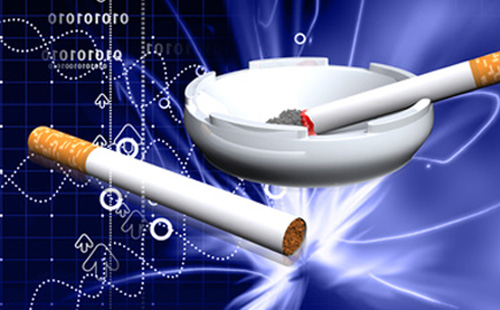
Relieving nicotine cravings

Relieving nicotine cravings and withdrawal symptoms paves way for effecting recovery

Relieving nicotine cravings and withdrawal symptoms: Nicotine replacement products

Nicotine replacement products deliver measured doses of nicotine into the body, which helps to relieving nicotine cravings and withdrawal symptoms often felt by people trying to quit smoking. Nicotine replacement products are effective treatments that can increase the likelihood that someone will quit successfully. The following are some of the nicotine replacement products that have been approved by the U.S. Food and Drug Administration (FDA):

The nicotine patch

This is available over the counter (without a prescription). A new patch is worn on the skin each day, supplying a small but steady amount of nicotine to the body. The nicotine patch is sold in varying strengths, usually as an 8- to 10-week quit-smoking treatment. Typically, the nicotine doses are gradually lowered as treatment progresses. The nicotine patch may not be a good choice for people with skin problems or allergies to adhesive tape. Also, some people experience the side effect of having vivid dreams when they wear the patch at night. These people may decide to wear the patch only during the daytime.

Nicotine gum

This is available over the counter in two strengths (2 and 4 milligrams). When a person chews nicotine gum and then places the chewed product between the cheek and gum tissue, nicotine is released into the bloodstream through the lining of the mouth. To keep a steady amount of nicotine in the body, a new piece of gum can be chewed every 1 or 2 hours. The 4-milligram dose appears to be more effective among highly dependent smokers (those who smoked 20 or more stick of cigarettes per day). Nicotine gum might not be appropriate for people with temporomandibular joint disease or for those with dentures or other dental work, such as bridges. The gum releases nicotine more effectively when coffee, juice, or other acidic beverages are not consumed at the same time.

The nicotine lozenge

This is also available over the counter in 2 and 4 milligram strengths. The lozenge is used similarly to nicotine gum; it is placed between the cheek and the gums and allowed to dissolve. Nicotine is released into the bloodstream through the lining of the mouth. The lozenge works best when used every 1 or 2 hours and when coffee, juice, or other acidic beverages are not consumed at the same time.

Nicotine nasal spray

This is made available only on prescription. The spray comes in a pump bottle containing nicotine that tobacco users can inhale when they have an urge to smoke. Nicotine is absorbed more quickly via the spray than with other nicotine replacement products. Nicotine nasal spray is not recommended for people with nasal or sinus conditions, allergies, or asthma or for young tobacco users. Side effects from the spray include sneezing, coughing, and watering eyes, but these problems usually go away with continued use of the spray.

Relieving nicotine cravings and withdrawal symptoms: A nicotine inhaler

This is also available by prescription only, delivers a vaporized form of nicotine to the mouth through a mouthpiece attached to a plastic cartridge. Even though it is called an inhaler, the device does not deliver nicotine to the lungs the way a cigarette does. Most of the nicotine travels only to the mouth and throat, where it is absorbed through the mucous membranes. Common side effects include throat and mouth irritation and coughing. Anyone with a breathing problem such as asthma should use the nicotine inhaler with caution.

Experts recommend combining nicotine replacement therapy with advice or counseling from a doctor, dentist, pharmacist, or other health care provider. Also, experts suggest that smokers quit using tobacco products before they start using nicotine replacement products. Too much nicotine can cause nausea, vomiting, dizziness, diarrhea, weakness, or rapid heartbeat.

Relieving nicotine cravings and withdrawal symptoms: Nicotine replacement products


Facebooktwitterpinterestlinkedin
heroin addiction

Chemical abuse and dependence

Chemical abuse

Chemical abuse and dependence are all associated to drug addiction and tolerance

Chemical abuse and dependence: What is Addiction Treatment?

Understanding chemical abuse and dependence is very key in unlocking the stalemate that comes with all kinds of addiction complications. It is true that so many people these days are not using alcohol or other drugs instead they are trying the use of chemicals in order to achieve their desired goals. In the process some will rarely experience any negative consequences while others will. However, many people and this is very common, drink or use drugs problematically and disorderly thereby landing themselves in serious health and social problems. According to the experts at AWAREmed Health and Wellness Resource Center under the able leadership of doctor Dalal Akoury, those who use chemicals and experience negative consequences are scientifically known as “chemical abusers.” Some of these people are able to stop abusing by modifying their own behavior and using community supports, allowing them to eliminate the negative consequences. However for those who are unable to effectively modify their behavior and whose use continues to be problematic, formal treatment interventions are recommended says doctor Akoury.

Chemical dependence is a complex disease. It is often characterized by compulsive which may be very difficult to manage. Take for instance the problem of uncontrollable – craving, seeking and use that persist even in the face of extremely negative consequences. This disorder is a chronic condition with a high probability of relapse; it affects both the physical and mental health of the dependent individual. It also negatively affects interpersonal relationships with family members, relatives and friends of the addicted person. As such, the disease results in both physical and behavioral manifestations.

The addiction and resultant compulsion for alcohol or drugs can take over the individual’s life, leading to a wide range of dysfunctional behaviors that interfere with the family, workplace and broader community interactions. The problem is further magnified with the fact that most chemical dependent live in denial and fail to admit that they have a problem. They may show poor judgment, lack impulse control, and show marked mood swings. Persons with addiction can become preoccupied with alcohol or drugs and can be extremely careful in protecting their supply. Glamorizing the use of chemicals along with joyous memories of being “high” is also frequently associated with addiction.

Chemical abuse and dependence: The association of drug addiction with other chronic health conditions

The expert at AWAREmed Health and Wellness Resource Center are very categorical that people get into addiction for various specific reasons that are very unique to those individuals. Besides that it is also important to note that addiction is a chronic and progressive medical condition with genetic, physical and behavioral components. It is closely associated to other chronic medical conditions like hypertension, diabetes, and asthma, all of which can be treated effectively says doctor Dalal Akoury.

Finally, for you to effectively get this treatment, your choice of treatment facility matters the most. That is why doctor Dalal Akoury founded AWAREmed Health and Wellness Resource Center to primarily offer treatment for all patients suffering from all kinds of drug addiction and all other chronic conditions associated with addiction. You can become part of the many beneficiaries by scheduling for an appointment with doctor Akoury today for the commencement of your recovery process.

Chemical abuse and dependence: What is Addiction Treatment?

http://regenerativepotential.com/wp-admin

Facebooktwitterpinterestlinkedin
Why medical detox is necessary to addicts

Detoxification purpose and importance

Detoxification purpose

Detoxification purpose and importance. In fact this therapies are best done in Inpatient rehab care centers

Detoxification purpose and importance: Why it must be done before treatment?

The detoxification purpose and importance in the treatment process is to help rid the body of the toxins that come as a result of either intoxication or dependence on a substance or substances. Another purpose of detoxification is to minimize both the physical and psychological symptoms associated with withdrawal. And according to the Quick Guide for Clinicians booklet created by the Substance Abuse and Mental Health Services Administration (SAMHSA) regarding medical detoxification, detox in itself is not seen as a sufficient treatment option. The main feature of detox, as noted in this guide, and its’ importance in the recovery picture is that it serves as the start of the intervention process.

Detoxification purpose and importance: The basis of addiction treatment

The detox process needs to take place in a medical facility or other licensed and accredited environment in which the detox services are performed by certified personnel. There are three main components that are very essential and entail the detoxification process. These components are available at AWAREmed Health and Wellness Resource Center and up on scheduling for your appointment with doctor Akoury MD, they will form the starting point of your recovery treatment process as follows:

Evaluation – consists of testing for the presence of substances in an individual’s bloodstream as well as screening for any co-occurring mental and physical conditions will be done on the patient professionally, and besides that there are also comprehensive assessments of an individual’s medical, psychological and social functioning and situations, all these are tailored at ensuring that your recovery process is procedural, timely and most importantly effective.

Stabilization – detoxification is quite a process and therefore the patient needs to be assisted through the medical, psychological and social processes of withdrawal. This is essentially tailored towards getting them to a state in which they are stable medically and free of substances.

Entry into Treatment – the moment all these are done and the doctor is certified that the patient is now ready for treatment; they are then prepared for the entry into a comprehensive treatment program.

Finally doctor Akoury reiterates that detoxification is not treatment on its own, but it is the starting point of the overall treatment and recovery process. Besides its’ stabilizing effects, it is worth appreciating that the primary importance of detox is to assess the individual across a wide spectrum of factors and establish a treatment game plan that best fits that individual. In the detoxification process, the addict is given the message that recovery from substance abuse is possible and there is hope for recovery. Starting with the detox process, those who are struggling with substance abuse understand that addiction lies within the brain and is not solely the result of weak morals on the part of the addict. Ultimately, the importance of detox is the start of being proactive in regards to treatment where family and other support networks are involved in the treatment process. This is very important and if you or any of your loved ones is struggling with any form of addiction, then you can schedule for an appointment with doctor Dalal Akoury for further professional one on one deliberations and all your concerns will be addressed timely.

Detoxification purpose and importance: Why it must be done before treatment?

http://www.integrativeaddictionconference.com/wp-admin


Facebooktwitterpinterestlinkedin
Ruins of addiction

Detoxification necessities before treatment

Detoxification necessities

Detoxification necessities before treatment is essential in managing panic attacks in cancer patients

Detoxification necessities before treatment: Drug addiction recovery plan

One will always be considered to be addicted to alcohol or other substances if the individual has an accumulation of toxic elements in their body systems. And for the body to regain its optimum capacities in discharging the various functions of the body such toxic must be removed. That is why we want to concentrate on detoxification necessities before the administration of any addiction treatment to the patient. Therefore when an individual is addicted to drugs or alcohol or both, the body develops a physical dependence to the substance which then results into chemical changes that occur within the brain. Experts at AWAREmed Health and Wellness Resource Center under the able leadership of doctor Dalal Akoury (MD) and founder of the same facility reports that, due to these physical and chemical changes that occur as a result of substance abuse, any attempts to terminate consumption by sudden or progressive quitting either through the cold turkey way or otherwise in many instances do often fails and the consequences of such failures can tantamount to significant health risks for the addict and to their loved ones.

Therefore in order to eliminate or minimize the physical and psychological symptoms that can occur during the withdrawal process in a safe manner, doctor Akoury recommends that it is very important that medical detox is considered as an essential cornerstone of the recovery game plan. Professionally this service is available at the home of addiction solutions (AWAREmed Health and Wellness Resource Center) and up on scheduling for an appointment with the experts at this facility, you will have your case evaluated professionally and the most appropriate treatment administered to you for the most desired result.

Detoxification necessities before treatment: How medical detox came to the front

History has it that the importance of detox in regards to the recovery process from addiction came to the forefront and was first administered in the 1970’s with the emergence of the medical model. Previously and before this time (1970’s), the patterns and behaviors associated with addiction were commonly dealt with as a criminal offense and people who were struggling with such kinds of addiction were considered to be of week character a factor that was very discriminative and unfair to both the patient and their loved ones. During that time the practice was that individual addicts were often arrested and held in places like “drunk tanks” and other similar holding places of confinement where they were taken through the withdrawals without any form of medical supervision.

Nonetheless and progressively as reality and sense sunk to the society of what addiction really is, the voice of reason begun to take shape and the societies on a voluntary basis begun embracing and adopting more humane and constructive ways in dealing with individuals who were struggling with all manner of substance abuse issues. And it is at this point that the methods of detoxification started to evolve and therefore we can now begin to discuss authoritatively the purpose of detox and its importance before any addiction treatment. With that background we want now to invite you in our next article for this informative discussion, in the meantime you can schedule an appointment with experts from AWAREmed Health and Wellness Resource Center under the leadership of doctor Akoury for all the concerns you may have.

Detoxification necessities before treatment: Drug addiction recovery plan

http://www.awaremednetwork.com/

Facebooktwitterpinterestlinkedin
Detox Diet

Cortisol application in weight management

Cortisol application

Cortisol application in weight management delivers the much needed lean body weight.

Cortisol application in weight management: Eliminating stress

In an effort of coming close to realizing our dream of keeping fit both physically and mentally, understanding cortisol application in weight management becomes very important. Therefore we want to relay on the expert opinion of professionals from AWAREmed Health and Wellness Resource Center a facility which was founded by doctor Dalal Akoury (MD) to help us put this discussion to perspective. We are going to put all the facts straight, and therefore this is a discussion you don’t want to miss. We want to invite you to be part of us specifically to eliminate any ignorance that is likely to cause us to lose the focus of eliminating all the complications associated with weight complications in our lives.

From her decades of professional practice in this discipline, doctor Akoury when looking at the happenings in today’s society is very much concern with the kind of commercials that tout the effectiveness of supplements like Cortislim ™ and Relacore ™ that propose to help people lose weight and feel less stressed by inhibiting the effects of cortisol. Some of these commercials do not fully inform the general public effectively about:

  • The functions and importance of cortisol for bodily function.
  • The potential link between cortisol and obesity.
  • The potential link between stress, cortisol, and appetite.
  • The harmful health effects of stress-induced obesity.

Therefore to bridge the gap, we want to shade more light on the above omissions so that together we can walk along in this worthy course of proper weight management.

Cortisol application in weight management: From where does cortisol come and for what purpose?

Cortisol has become a ‘prime’ hormone of fascination, discussion and confusion within the consumer and fitness industry, due to misleading television commercials and advertisements. It is a steroid (compound based from a steroid nucleus) hormone that is produced in the cortex of the adrenal glands located on top of each kidney. Fasting, food intake, exercising, awakening, and psychosocial stressors cause the body to release cortisol. Cortisol is released in a highly irregular manner with peak secretion in the early morning, which then tapers out in the late afternoon and evening. Energy regulation and mobilization are two critical functions of cortisol. Cortisol regulates energy by selecting the right type and amount of substrate (carbohydrate, fat or protein) that is needed by the body to meet the physiological demands that is placed upon it.

Cortisol mobilizes energy by tapping into the body’s fat stores and moving it from one location to another, or delivering it to hungry tissues such as working muscle. Under stressful conditions, cortisol can provide the body with protein for energy production through gluconeogenesis, the process of converting amino acids into useable carbohydrate (glucose) in the liver. Additionally, it can move fat from storage depots and relocate it to fat cell deposits deep in the abdomen. Cortisol also aids adipocytes (baby fat cells) to grow up into mature fat cells. Finally, cortisol may act as an anti-inflammatory agent, suppressing the immune system during times of physical and psychological stress. All these and many more are the reasons why cortisol application in weight management make sense. You may want to know more about cortisol and weight management by scheduling for an appointment with doctor Akoury for a one on one further deliberations.

Cortisol application in weight management: Eliminating stress

http://www.integrativeaddictionconference.com/wp-admin


Facebooktwitterpinterestlinkedin