Category Archives: Alcohol recovery

Glutamate-Homeostasis-Hypothesis-Addiction

Addictive biochemistry and the HPA axis
Addictive biochemistry

Addictive biochemistry and the HPA axis that focuses on the real action points

Addictive biochemistry and the HPA axis: Ending alcohol abuse using alternative treatment

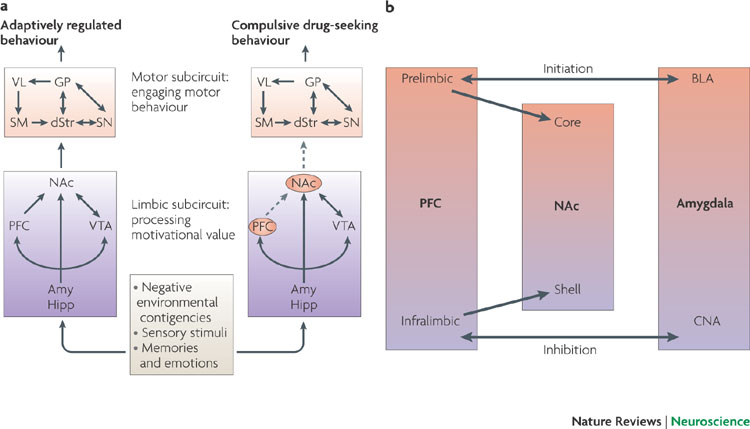
The door to addictive biochemistry opens when either the hypothalamus or one of the organs which serve the hypothalamus in accomplishing this job is injured, or if the nutrients required are not available. In any one of these conditions, the entire system will fall off the “point zero” (homeostasis) that the HPA system tries to maintain opening the door for addictive biochemistry. According to the experts at AWAREmed Health center under the leadership of doctor Dalal Akoury MD, we can’t change the fact that addictive biochemistry and full out alcoholism are associated with overexpression of the sympathetic nervous system; low serotonin, GABA, dopamine, endorphins and enkephalins and it is in the hypothalamus where the delicate job of balancing this network of hormones and neurotransmitters to achieve physical and mental health is supposed to be done whether it be directly from the hypothalamus or via the pituitary and adrenals under the control of the hypothalamus.

Differences between biochemistry and alcoholism

The only difference between addictive biochemistry and full out alcoholism is that addictive biochemistry becomes aggravated, meaning that the deficient condition within the hypothalamus, pituitary or adrenals is made more profound by the damaging effects of alcohol toxicity and the medicating effects which, while drinking, overexpress serotonin, endorphins and dopamine which magnifies the negative impact of an already up-regulated brain chemistry. The symptoms the problem drinker experiences intensify in direct relationship to the diminishing health of the neuroendocrine system which further encourages the person to drink more thus causing further damages. This cycle progressively intensifies until intervention which discontinues and heals the damage is required to stop it.

The pituitary gland is located below the hypothalamus and is directly connected to it via nerve and circulatory pathways. The hypothalamus regulates the function of the pituitary gland which in turn controls hormonal secretions of all other glands; however, specific to alcoholism we are concerned with the function of the adrenals and the secretion of cortisol which is under control of ACTH (adrenocorticotrophin) secreted by the pituitary, and epinephrine and norepinephrine which is also released by the adrenals due to a rise in CRH and/or signals from the sympathetic nervous system.  In the case of cortisol release, when the hypothalamus registers low blood sugar it will send CRH (corticotrophin releasing hormone) to the pituitary which then releases ACTH which will cause cortisol to be secreted from the adrenals.  This chain of events will also cause the release of epinephrine and to a lesser degree norepinephrine.  Prolonged increased levels of epinephrine will block insulin receptors which lead to insulin resistance and lowered serotonin, endorphin, enkephalin and GABA levels which impair HPA functions and increases compulsive/addictive behavior.

The adrenals sit on top of the kidneys and are directly controlled by the pituitary gland. The adrenals are comprised of two sections; one is the medulla which is the inner core and the second is the adrenal cortex which is the outer layer. The medulla relates to the sympathetic nervous system and produces the catecholamine’s epinephrine and norepinephrine. The adrenal cortex produces sex hormones, aldosterone, and what we’re most concerned with cortisol.

Although it is hard to imagine because they are docked on our kidneys, adrenal health is fundamental to our mental health. Proper levels of cortisol, epinephrine and norepinephrine are crucial to our mental well-being so the concentrated focus needs to be applied to their health when healing addictive biochemistry and alcoholism. As you consider breaking way from addictive biochemistry and alcoholism, you can always consult with doctor Dalal Akoury an expert in this discipline for over two decades and has been helping many get their life back globally by emphasizing on Neuroendocrine Restoration (NER) to reinstate normality through realization of the oneness of Spirit, Mind, and Body, Unifying the threesome into ONE.

Addictive biochemistry and the HPA axis: Ending alcohol abuse using alternative treatment

http://www.integrativeaddictionconference.com/wp-admin


Facebooktwitterpinterestlinkedin
Misuse of alcohol

Ending alcohol abuse using alternative treatment

Ending alcohol abuse

Ending alcohol abuse using alternative treatment to avoid stocking more chemicals in the body system

Ending alcohol abuse using alternative treatment: The HPA Axis

Consumption of alcohol is a problem which has kept the global society thinking. There are two different schools of thoughts depending on the interest represented. The interest of health and that of generating revenue, and for the purpose of this article we will focus on the interest of health and the possible solutions that come with ending alcohol abuse. Several types of research have been done and conclusions made. One of the finds was that the “home” of alcoholism resides in the HPA (hypothalamus, pituitary, adrenal) axis of the neuroendocrine system, to this effect scientists have developed extremely sophisticated tests which monitor the performance of this axis under various conditions by measuring:

  • Dopamine
  • Serotonin, GABA
  • Glutamate
  • Epinephrine (adrenaline)
  • Norepinephrine (noradrenaline)
  • Cortisol
  • DHEA

Professionally, doctor Dalal Akoury MD, President, and founder of AWAREmed Health Center reiterates that these are known neurotransmitters and two key hormones which define either the health of the neuroendocrine system or its state and depth of illness. To better understand the root of this phenomenon we will go into it a little more in detail regarding genetic addictive biochemistry and active addiction and how they affect the HPA axis. But in the meantime, you can direct all your alcoholism concerns to the experts at AWAREmed health for a timely treatment action.

Ending alcohol abuse using alternative treatment: The hypothalamus

The endocrine system is the network of glands in the body comprised of the hypothalamus, pituitary, pineal, adrenals, thyroid, parathyroid and the sex glands; ovaries and testes. These glands secrete hormones throughout the body to each and every organ via the blood which is received by their complimentary receptors. Hormones are “messengers” which carry messages coded by our DNA with the intention of keeping an organ regulated and healthy, essentially functioning as it should.  A hormone’s message will stimulate, suppress or maintain the functional cell or tissue activity of the organ it is received by.

The hypothalamus is the centerpiece of the endocrine system and is located in the middle of the base of the brain. The purpose of the hypothalamus is to establish and maintain homeostasis; balance within the body. It regulates all the functions of the autonomic system of breathing, heart rate, etc… but also hunger, thirst, sexual drive, sleep urination and metabolism which includes blood sugar control.

Although technically hypothalamus is part of the endocrine system it is really central to both the endocrine and nervous system; in fact, it is in the hypothalamus that these two extremely complex systems of the body intersect. As the Master Accountant, the hypothalamus performs checks and balances and responds to chemical messages of deficient or excess by sending various hormones and neurotransmitters to “adjust” to the requirements of your internal and/or external environments to maintain status quo. The hypothalamus is able to do this because it houses receptor sites for both hormones from the endocrine system and neurotransmitters from the nervous system and it utilizes the information it receives from those sites to do its job of not only controlling the entire endocrine system, including having a profound influence on the liver, heart, and kidneys, but establishing healthy brain chemistry and nervous system performance by correcting neurotransmitter imbalances by either slowing production of what is in excess, ingesting or degrading them faster, or in cases of deficiency, producing and releasing them as required.

Ending alcohol abuse using alternative treatment: The HPA Axis

http://regenerativepotential.com/wp-admin

Facebooktwitterpinterestlinkedin
how-to-rebuild-your-life-after-you-stop-drinking

Real action points with alcoholism and denial

Real action points

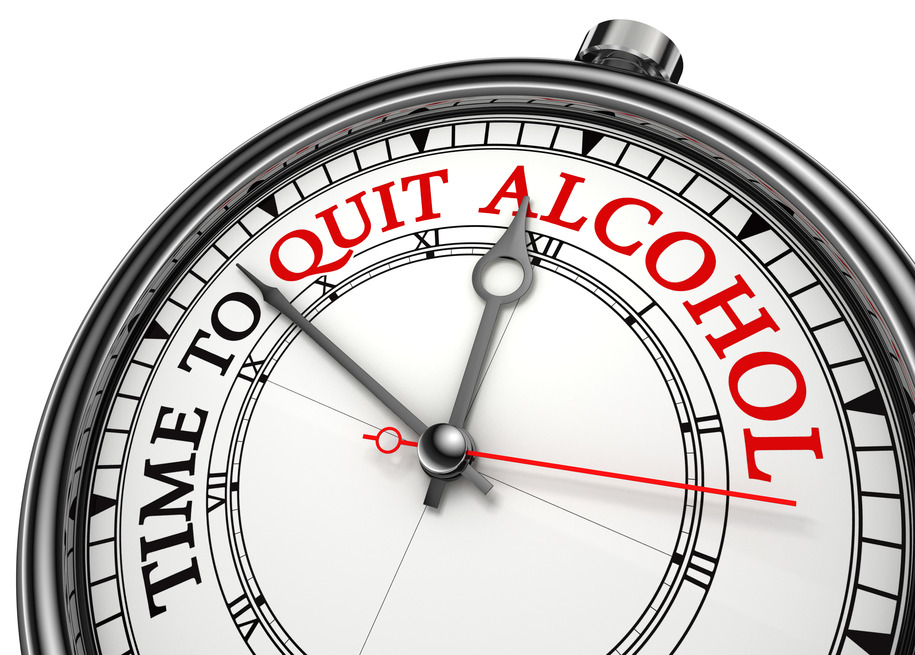
Real action points with alcoholism and denial starts when the consciousness of quitting is developed in the mind

Real action points with alcoholism and denial: Helping a loved one with alcoholism or alcohol abuse

What do you do if someone you love has a drinking problem? If this is so, it is possible that you may be struggling with a number of painful emotions, including shame, fear, anger, and self-blame. The problems may be so overwhelming that it seems easier to ignore it and pretend that nothing is wrong. But in the long run denying it will be more damaging to you, other family members, and the person with the drinking problem. We spoke to doctor Dalal Akoury MD, a veteran addiction expert and founder of AWAREmed Health Center and she is clarifying some of the real action points as follows:

  • Don’t attempt to punish, threaten, bribe, or preach.
  • Don’t try to be a martyr. Avoid emotional appeals that may only increase feelings of guilt and the compulsion to drink or use other drugs.
  • Don’t cover up or make excuses for the alcoholic or problem drinker or shield them from the realistic consequences of their behavior.
  • Don’t take over their responsibilities, leaving them with no sense of importance or dignity.
  • Don’t hide or dump bottles, throw out drugs, or shelter them from situations where alcohol is present.
  • Don’t argue with the person when they are impaired.
  • Don’t try to drink along with the problem drinker.
  • Above all, don’t feel guilty or responsible for another’s behavior.

Dealing with a loved one’s alcohol problem can be an emotional rollercoaster. It’s vital that you take care of yourself and get the support you need. It’s also important to have people you can talk honestly and openly with about what you’re going through. A good place to start is by joining a group such as Al-Anon, a free peer support group for families coping with alcoholism. Listening to others with the same challenges can be a tremendous source of comfort and support. You can also turn to trusted friends, a therapist, or people in your faith community. And always remember that:

  • You cannot force someone you love to stop abusing alcohol – As much as you may want to, and as hard as it is to watch, you cannot make someone stop drinking. The choice is up to them.
  • Don’t expect the person to stop drinking and stay sober without help – Your loved one will need treatment, support, and new coping skills to overcome a serious drinking problem.
  • Recovery is an ongoing process – Recovery is a bumpy road, requiring time and patience. An alcoholic will not magically become a different person once sober. And the problems that led to the alcohol abuse in the first place will have to be faced.

Finally, we appreciate that, admitting openly that you have a serious problem can be painful not just for you, but also to the whole family. However, doing so is the right thing to do and you shouldn’t be ashamed because you’re not alone. Alcoholism and alcohol abuse affect millions of families, from every social class, race, and culture. But there is help and support available for both you and your loved one today if only you can schedule an appointment with doctor Akoury now.

Real action points with alcoholism and denial: Helping a loved one with alcoholism or alcohol abuse

http://www.integrativeaddictionconference.com/wp-admin



Facebooktwitterpinterestlinkedin
Alcohol kills

Compulsive drinking effects and denial

Compulsive drinking effects

Compulsive drinking effects and denial

Compulsive drinking effects and denial: Myths about alcohol dependence

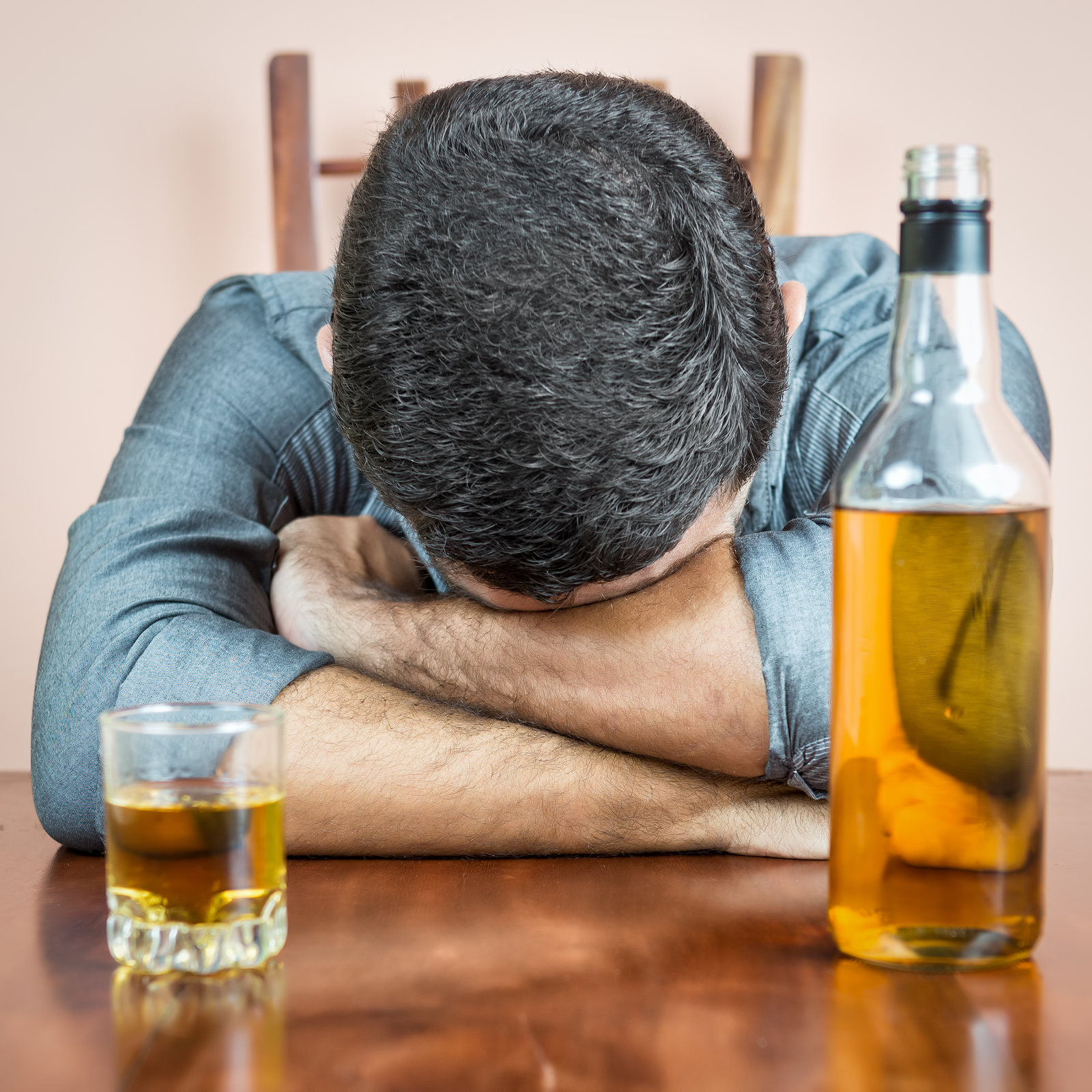
Many people have failed in dealing with their alcoholism and drug abuse problems because of the wrong information they get from their suppliers and fellow users of their substances. Because of this, the compulsive drinking effects have continually increased each passing year. As experts from AWAREmed Health center under the able leadership of its founder doctor Dalal Akoury MD, we want to highlight some of the myths that have contributed in rooting denial in the lives of addicts even when they are fully aware of the consequences involved.

I can stop drinking anytime I want toMaybe you can; more likely, you can’t. Either way, it’s just an excuse to keep drinking. The truth is, you don’t want to stop. Telling yourself you can quit makes you feel in control, despite all evidence to the contrary and no matter the damage it’s doing.

My drinking is my problem. I’m the one it hurts, so no one has the right to tell me to stopIt’s true that the decision to quit drinking is up to you. But you are deceiving yourself if you think that your drinking hurts no one else but you. Alcoholism affects everyone around you—especially the people closest to you. Your problem is their problem.

I don’t drink every day, so I can’t be an alcoholic OR I only drink wine or beer, so I can’t be an alcoholic – Alcoholism is NOT defined by what you drink, when you drink it, or even how much you drink. It’s the EFFECTS of your drinking that define a problem. If your drinking is causing problems in your home or work life, you have a drinking problem—whether you drink daily or only on the weekends, down shots of tequila or stick to wine, drink three bottles of beers a day or three bottles of whiskey.

I’m not an alcoholic because I have a job and I’m doing okay – You don’t have to be homeless and drinking out of a brown paper bag to be an alcoholic. Many alcoholics are able to hold down jobs, get through school, and provide for their families. Some are even able to excel. But just because you’re a high-functioning alcoholic doesn’t mean you’re not putting yourself or others in danger. Over time, the effects will catch up with you.

Drinking is not a “real” addiction like drug abuse – Alcohol is a drug, and alcoholism is every bit as damaging as drug addiction. Alcohol addiction causes changes in the body and brain, and long-term alcohol abuse can have devastating effects on your health, your career, and your relationships. Alcoholics go through physical withdrawal when they stop drinking, just like drug users do when they quit. All these and much more are just but hindrances which you can overcome by scheduling an appointment with doctor Dalal Akoury today for the commencement of your recovery process.

Compulsive drinking effects and denial: Effects of alcoholism and alcohol abuse

Finally, it is true that alcoholism and alcohol abuse can affect all aspects of your life. Long-term alcohol use can cause serious health complications, affecting virtually every organ in your body, including your brain. Problem drinking can also damage your emotional stability, finances, career, and your ability to build and sustain satisfying relationships. Alcoholism and alcohol abuse can also have an impact on your family, friends and the people you work with. We will be discussing this in details progressively in our next postings which you don’t want to miss. Stay with us on the link and learn with the best.

Compulsive drinking effects and denial: Myths about alcohol dependence  

http://regenerativepotential.com/wp-admin

Facebooktwitterpinterestlinkedin
Alcohol and work

Compulsive drinking problems and denial

Compulsive drinking problems

Compulsive drinking problems and denial must be terminated if we want to deal with this problem meaningfully

Compulsive drinking problems and denial: Alcohol dependence

Are you at the verge of becoming an alcoholic? I may not have the facts about you, but one fact is common with people who are into alcohol and drugs. I am talking about denial which is one of the biggest obstacles to getting help for all the compulsive drinking problems (alcohol abuse and alcoholism). The desire to drink is so strong that the mind finds many ways to rationalize drinking, even when the consequences are obvious. By keeping you from looking honestly at your behavior and its negative effects, denial also exacerbates alcohol-related problems with work, finances, and relationships.

Compulsive drinking problems and denial: If you have a drinking problem, you may deny it by

  • Drastically underestimating how much you drink
  • Downplaying the negative consequences of your drinking
  • Complaining that family and friends are exaggerating the problem
  • Blaming your drinking or drinking-related problems on others

Take, for example, you may want to blame your ‘unfair boss’ for trouble at work or a ‘nagging wife’ for your marital issues, rather than look at how your drinking is contributing to the problem. And even though activities involving work, relationship, and financial stresses can happen to everyone, experts at AWAREmed health center reiterates that, an overall pattern of deterioration and blaming others may be a sign of trouble. Therefore if you find yourself rationalizing your, drinking habits, lying about them, or refusing to discuss the subject, take a moment to consider why you’re so defensive. If you truly believe you don’t have a problem, there should be no reason for you to cover up your drinking or make excuses. And if you are persuaded that something is not right, immediate action needs to be taken. You may now want to consider scheduling for an appointment with doctor Dalal Akoury today for the commencement of your treatment and recovery process. In the meantime, the following are additional signs and symptoms of compulsive drinking problems to help you make informed decisions.

Compulsive drinking problems and denial: Other signs and symptoms of alcoholism (alcohol dependence)

You’ve lost control over your drinking. You often drink more alcohol than you wanted to, for longer than you intended, or despite telling yourself you wouldn’t.

You want to quit drinking, but you can’t. You have a persistent desire to cut down or stop your alcohol use, but your efforts to quit have been unsuccessful.

You have given up other activities because of alcohol. You’re spending less time on activities that used to be important to you (hanging out with family and friends, going to the gym, pursuing your hobbies) because of your alcohol use.

Alcohol takes up a great deal of your energy and focus. You spend a lot of time drinking, thinking about it, or recovering from its effects. You have few if any interests or social involvements that don’t revolve around drinking.

You drink even though you know it’s causing problems. For example, you recognize that your alcohol use is damaging your marriage, making your depression worse, or causing health problems, but you continue to drink anyway.

Compulsive drinking problems and denial: Alcohol dependence http://www.integrativeaddictionconference.com/wp-admin

Facebooktwitterpinterestlinkedin