Category Archives: Alcohol recovery

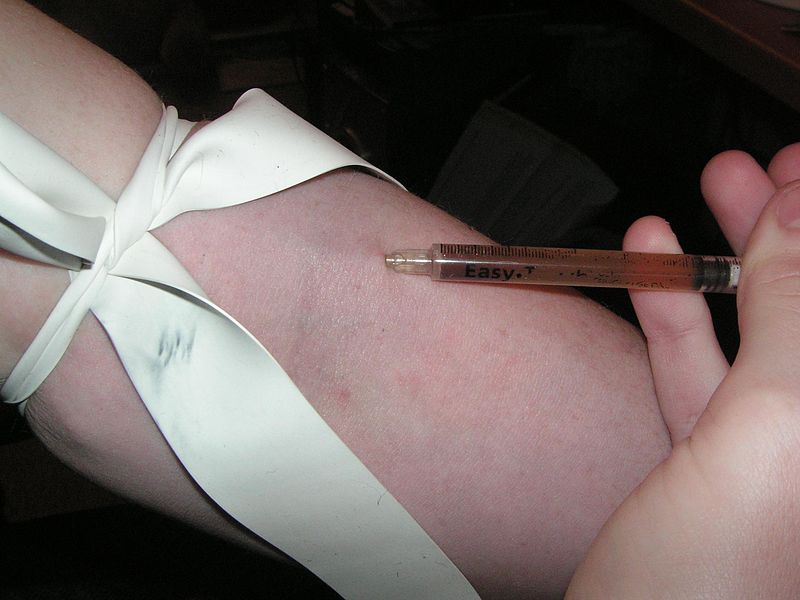
800px-injecting_heroin

Buprenorphine side effects
Buprenorphine side effects

Buprenorphine side effects treatment can be corrected very effective when treatment is done professionally

Buprenorphine side effects: Heroin addiction treatment

Like with all medications applicable for addiction treatment, buprenorphine as a medication tool will deliver effectively but some side effects are also likely to be registered. Doctor Dalal Akoury MD is a veteran addiction expert for over two decades and has been very resourceful to many patients across the globe. Her practice focuses on personalized medicine through healthy lifestyle choices that deal with primary prevention and underlying causes instead of patching up symptoms. You can therefore call her today for any addiction concerns you may be struggling with and together with her team of experts at AWAREmed health and wellness resource center, all your problems will be attended to professionally. And as you consider doing that, the following are some of the buprenorphine side effects:

  • The most common side effects are constipation and nausea. Usually these are not strong.
  • If you feel light-headed at first, you may not be able to drive or use heavy equipment until you get used to the medicine.
  • You cannot take buprenorphine at the same time as some pain medicines, like morphine and codeine, because buprenorphine will block their effects. Use medicines like Tylenol® or ibuprofen instead. If you need surgery or have a long-term pain problem, you will need to stop buprenorphine for a while.
  • Do not take buprenorphine with sedatives to help you sleep or tranquilizers (like anti-anxiety medicine such as Xanax® or Valium) unless prescribed by your doctor. High doses of these drugs mixed with buprenorphine may cause an overdose.
  • If you have hepatitis or other active liver problems, your doctor may check your liver tests from time to time.

Buprenorphine side effects: Heroin addiction natural treatment

There are a few highly effective homeopathic ingredients that can be used on a heroin addict to get rid of the addiction in a natural way.

Plantago Major is the first ingredient that has been used for a very long time for treating various ailments, conditions, even as salad dressing, and also for treating heroin addiction; it is a dark green looking weed and it enhances the growth of cells in human body and releases a chemical compound in the body that makes the person stay away from tobacco and heroin. Not only is it effective in overcoming heroin addiction but smoking as well.

Tabacum is a diluted replacement that will work in place of heroin. This is the best way of gradually leaving heroin addiction and taking a step down. If you cannot just leave heroin right away; this treatment will make you gradually leave it.

Abies Nigra also known as Black Spruce; it is a natural relaxant. It’s not easy to coupe with withdrawal symptoms. In order to make these symptoms less pleasant, the patient can make use of Black Spruce. The nerves will calm down and the patient will no longer feel the thirst for heroin.

Natural methods for overcoming heroin addiction are very effective but they should always be combined by other medicinal treatments as well in order to make sure that they results are surely positive.

Buprenorphine side effects: Heroin addiction treatment

http://regenerativepotential.com/wp-admin


Facebooktwitterpinterestlinkedin
Addiction

Possible sobriety in all drug addiction


Possible sobriety

Possible sobriety in all drug addiction begins with conscious acknowledgement of the problem and willingness to be helped

Possible sobriety in all drug addiction: When action needs to be taken instantly

When you’re struggling with drug addiction, sobriety can seem like an impossible goal. But recovery is never out of reach and we believe in possible sobriety no matter how hopeless your situation may seems. From the experts’ point of view, change is possible with the right treatment and support, and by addressing the root cause of your addiction. Experts at AWAREmed health and wellness resource center under the able leadership of doctor Dalal Akoury MD encourages that giving up shouldn’t be an option even if you’ve tried and failed before. The road to recovery often involves bumps, pitfalls, and setbacks. But by examining the problem and thinking about change, you’re already on your way.

Possible sobriety in all drug addiction: Decide to make a change

For many people struggling with addiction, the biggest and toughest step toward recovery is the very first one: deciding to make a change. It’s normal to feel conflicted about giving up your drug of choice, even when you realize it’s causing problems in your life. Change is never easy and committing to sobriety involves changing many things, including:

  • The way you deal with stress
  • Who you allow in your life
  • What you do in your free time
  • How you think about yourself

You may wonder if you’re really ready for all that change or if you have what it takes to quit. It’s okay if you’re torn. Recovering from addiction is a long process, one that requires time, commitment, motivation, and support. As you contemplate your situation, the following tips can help you make the decision.

Possible sobriety in all drug addiction: Thinking about change

  • Keep track of your drug use, including when and how much you use. This will give you a better sense of the role the addiction is playing in your life.
  • List the pros and cons of quitting, as well as the costs and benefits of continuing your drug abuse.
  • Consider the things that are important to you, such as your spouse, children, career and health. How does your drug use affect those things?
  • Talk it over with someone you trust. Ask the person how he or she feels about your drug use.
  • Ask yourself if there’s anything preventing you from changing. What are some things that could help you make the change?

Five key steps to addiction recovery

  1. Remind yourself of the reasons you want to change.
  2. Think about your past attempts at quitting, if any. What worked? What didn’t?
  3. Set specific, measurable goals, such as a quit date or limits on your drug use.
  4. Remove reminders of your addiction from your home and workplace.
  5. Tell friends and family that you’re quitting and ask for their support.

Finally, life free of drug addiction is very enjoyable. And by the way everyone is entitled to life enjoyment and therefore, substance abuse must and shouldn’t stand on your way to life full potential. From our position at AWAREmed health center, we’re always ready to make a difference in your life if only you can schedule an appointment with us today.

Possible sobriety in all drug addiction: When action needs to be taken instantly

http://regenerativepotential.com/wp-admin

 

Facebooktwitterpinterestlinkedin
stem cell therapy

Exploring addiction treatment options

Exploring addiction treatment options

Exploring addiction treatment options in the best ways possible to deliver effective treatment

Exploring addiction treatment options: Addiction recovery

The best you can do for your health is choosing to quit addiction by exploring addiction treatment options available. This is not always very easy, but experts at AWAREmed health and wellness resource center under the leadership of doctor Dalal Akoury encourages that the first step is acknowledging the problem. And once you’ve made the decision to challenge your drug addiction, it’s time to explore your treatment choices. As you endeavor to consider quitting, keep the following in mind:

There’s no magic bullet or single treatment that works for everyone. When considering a program, remember that everyone’s needs are different. Drug addiction treatment should be customized to your unique problems and situation. It’s important that you find a program that feels right.

Treatment should address more than just your drug abuse. Addiction affects your whole life, including relationships, career, health, and psychological well-being. Treatment success depends on developing a new way of living and addressing the reasons why you turned to drugs in the first place. It may have been because of an inability to manage stress, in which case you’ll need to find healthy ways to handle stressful situations.

Commitment and follow through. Drug addiction treatment is not a quick and easy process. In general, the longer and more intense the drug use, the longer and more intense the treatment you’ll need. But regardless of the treatment program’s length in weeks or months, long-term follow-up care is crucial to recovery.

There are many places to turn for help. Not everybody requires medically supervised detox or an extended stint in rehab. The level of care you need depends on your age, drug use history, and other medical or psychiatric conditions. In addition to doctors and psychologists, many clergy members, social workers, and counselors offer addiction treatment services.

As you seek help for drug addiction, it’s also important to get treatment for any other medical or psychological issues you’re experiencing. Your best chance of recovery is through integrated treatment for both the substance abuse problem and the mental health problem. This means getting combined mental health and addiction treatment from the same treatment provider or team.

Exploring addiction treatment options: Reach out for support

Don’t try to go it alone. Whatever treatment approach you choose, having a solid support system is essential. The more positive influences you have in your life, the better your chances for recovery. Recovering from drug addiction isn’t easy, but with people you can turn to for encouragement, guidance, and a listening ear, it’s a little less tough.

Lean on close friends and family – Having the support of friends and family members is an invaluable asset in recovery. If you’re reluctant to turn to your loved ones because you’ve let them down before, consider going to couples counseling or family therapy.

Build a sober social network – If your previous social life revolved around drugs, you may need to make some new connections. It’s important to have sober friends who will support your recovery. Try taking a class, joining a church or a civic group, volunteering, or attending events in your community.

Consider moving in to a sober living home – Sober living homes provide a safe, supportive place to live while you’re recovering from drug addiction. They are a good option if you don’t have a stable home or a drug free living environment to go to.

Make meetings a priority – Join a recovery support group and attend meetings regularly. Spending time with people who understand exactly what you’re going through can be very healing. You can also benefit from the shared experiences of the group members and learn what others have done to stay sober. And never for get to keep in touch with doctor Akoury from time to time to remain focus to the bigger objective of quitting.

Exploring addiction treatment options: Addiction recovery

http://regenerativepotential.com/wp-admin

Facebooktwitterpinterestlinkedin
Drunk young man resting head on bar counter

Addiction recovery priorities

Addiction recovery priorities

Addiction recovery priorities includes being physical active as this helps you to remain focus

Addiction recovery priorities: Learn healthy ways to cope with stress

Learning healthy ways of coping with stress is very important in the long journey of addiction recovery priorities. Experts at AWAREmed health and wellness resource center led by doctor Dalal Akoury MD reiterates that even after you’ve recovered from drug addiction, you’ll still have to face the problems that led to your drug problems in the first place. Did you start using drugs to numb painful emotions, calm yourself down after an argument, unwind after a bad day, or forget about your problems? After you become sober, the negative feelings that you used to dampen with drugs will resurface. For treatment to be successful, and to remain sober in the long term, you’ll need to resolve these underlying issues as well.

Conditions such as stress, loneliness, frustration, anger, shame, anxiety, and hopelessness will remain in your life even when you’re no longer using drugs to cover them up. But you will be in a healthier position to finally address them and seek the help you need.

 Relieving stress without drugs

Drug abuse often curtails from misguided attempts to manage stress. Many people turn to alcohol or recreational drugs to unwind and relax after a stressful day, or to cover up painful memories and emotions that cause us to feel stressed and out of balance. But there are healthier ways to keep your stress level in check, including exercising, meditating, using sensory strategies to relax, practicing simple breathing exercises, and challenging self-defeating thoughts.

Addiction recovery priorities: Strategies for quickly relieving stress without drugs

You may feel like doing drugs is the only way to handle unpleasant feelings, but it’s not. You can learn to get through difficulties without falling back on your addiction. Different quick stress relief strategies work better for some people than others. The key is to find the one that works best for you, and helps you calm down when you’re feeling stressed and overwhelmed. When you’re confident in your ability to quickly de-stress, facing strong feelings isn’t as intimidating or overwhelming.

  • Exercise releases endorphins, relieves stress, and promotes emotional well-being. Try running in place, jumping rope, or walking around the block.
  • Step outside and savor the warm sun and fresh air. Enjoy a beautiful view or landscape.
  • Yoga and meditation are excellent ways to bust stress and find balance.
  • Play with your dog or cat, enjoying the relaxing touch of your pet’s fur.
  • Put on some calming music.
  • Light a scented candle.
  • Breathe in the scent of fresh flowers or coffee beans, or savor a scent that reminds you of a favorite vacation, such as sunscreen or a seashell.
  • Close your eyes and picture a peaceful place, such as a sandy beach. Or think of a fond memory, such as your child’s first steps or time spent with friends.
  • Make yourself a steaming cup of tea.
  • Look at favorite family photos.
  • Give yourself a neck or shoulder massage.
  • Soak in a hot bath or shower.

Finally, with all these strategies, life in addiction can be demeaning and very useful people can become useless if corrective measures are not taken. This is a journey you can’t travel alone. We want to invite you to journey with us as we take you through the recovery process professionally at AWAREmed health and wellness resource center today.

Addiction recovery priorities: Learn healthy ways to cope with stress

http://www.awaremednetwork.com/

Facebooktwitterpinterestlinkedin
drug abuse

Contain addiction triggers and cravings

Contain addiction triggers

Contain addiction triggers and cravings will only be possible when you willingly give it up and let it go

Contain addiction triggers and cravings: Recovering with dignity

While getting sober from drugs is an important first step, it’s only the beginning of the recovery process. Once sober, the brain needs time to recover and rebuild connections that have changed while addicted. During this time, drug cravings can be intense. Doctor Dalal Akoury MD a veteran addiction expert and founder of AWAREmed health and wellness resource center advices that you can support your continued sobriety by making a conscious effort to avoid people, places, and situations that trigger the urge to use. This is only way among many you can use to contain addiction triggers and cravings. Besides, that, you can also opt for the following:

Make a break from old drug friends. Don’t make the mistake of hanging out with old friends who are still doing drugs. Surround yourself with people who support your sobriety, not those who tempt you to slip back into old, destructive habits.

Avoid bars and clubs, even if you don’t have a problem with alcohol. Drinking lowers inhibitions and impairs judgment, which can easily lead to relapse. Drugs are often readily available and the temptation to use can be overpowering. Also avoid any other environments and situations that you associate with drug use.

Be up front about your history of drug use when seeking medical treatment. If you need a medical or dental procedure done, be up front about your history and find a provider who will work with you in either prescribing alternatives or the absolute minimum medication necessary. You should never feel ashamed or humiliated about previous drug use or be denied medication for pain; if that happens, find another provider.

Use caution with prescription drugs. Stay away from prescription drugs with the potential for abuse or use only when necessary and with extreme caution. Drugs with a high abuse potential include painkillers, sleeping pills, and anti-anxiety medication.

Contain addiction triggers and cravings: Coping with drug cravings

Sometimes craving cannot be avoided, and it is necessary to find coping ways like:

Get involved in some distracting activity. Reading, a hobby, going to a movie, exercising (jogging, biking) are good examples of distracting activities. Once you get interested in something else, you’ll find the urges go away. Another effective response to a drug craving is eating (be careful of what you eat, as eating junk will only add stress and inches to your waistline).

Talk it through. Talk to friends or family members about craving when it occurs. Talking about cravings and urges can be very helpful in pinpointing the source of the craving. Also, talking about craving often helps to discharge and relieve the feeling and will help restore honesty in your relationship. Craving is nothing to feel bad about.

Urge surf. Many people try to cope with their urges by gritting their teeth and toughing it out. But some are just too strong to ignore. When this happens, it can be useful to stay with the urge until it passes. This technique is called urge surfing. Imagine yourself as a surfer who will ride the wave of your drug craving, staying on top of it until it crests, breaks, and turns into less powerful, foamy surf.

Challenge and change your thoughts. When experiencing a craving, many people have a tendency to remember only the positive effects of the drug and forget the negative consequences. You may find it helpful to remind yourself that you really won’t feel better if you use and that you stand to lose a lot. Sometimes it is helpful to have these benefits and consequences documented. This way you will be kept on the positive track of recovery and always remember to keep consulting with the experts at AWAREmed health center from time to time.

Contain addiction triggers and cravings: Recovering with dignity

http://www.I-AM-I.com/wp-admin

Facebooktwitterpinterestlinkedin