Category Archives: Alcohol recovery

alcohol-addiction-1-21

Drinking problems and denial

Drinking problems

Drinking problems and denial are the Conner stone of destruction in addiction

Drinking problems and denial: Helping alcoholism victims get treatment

If you’re ready to admit your drinking problems, you’ve already taken the first step. It takes tremendous strength and courage to face alcohol abuse and alcoholism head on and that is why in most cases expert across the globe including those from AWAREmed health and wellness resource center under the able leadership of doctor Dalal Akoury agrees that helping alcoholism victims get treatment is often very difficult due to the problems relating to the addictiveness of the substance and denial. Reaching out for support is the second step. But one very important point is that it really doesn’t matter whether you choose to go to a rehab center, get help from self-help programs, get therapy, or take a self-directed treatment approach, support is essential. Doctor Akoury reiterates that recovering from alcohol addiction is much easier when you have people you can lean on for encouragement, comfort, and guidance. Without support, it’s easy to fall back into old patterns when things get tough.

Nonetheless, it is important noting that, your continued recovery depends on continuing mental health treatment, learning healthier coping strategies, and making better decisions when dealing with life’s challenges. In order to stay alcohol-free for the long term, you’ll also have to face the underlying problems that led to your alcoholism or alcohol abuse in the first place. Those problems could be depression, an inability to manage stress, an unresolved trauma from your childhood, or any number of mental health issues. Such problems may become more prominent when you’re no longer using alcohol to cover them up. But you will be in a healthier position to finally address them and seek the help you need.

Drinking problems and denial: Helping a loved struggling with alcoholism

If someone you love has a drinking problem, you may be struggling with a number of painful emotions, including shame, fear, anger, and self-blame. The problem may be so overwhelming that it seems easier to ignore it and pretend that nothing is wrong. But in the long run denying it will be more damaging to you, other family members, and the person with the drinking problem. So then what shouldn’t you do?

  • Don’t attempt to punish, threaten, bribe, or preach.
  • Don’t try to be a martyr. Avoid emotional appeals that may only increase feelings of guilt and the compulsion to drink or use other drugs.
  • Don’t cover up or make excuses for the alcoholic or problem drinker or shield them from the realistic consequences of their behavior.
  • Don’t take over their responsibilities, leaving them with no sense of importance or dignity.
  • Don’t hide or dump bottles, throw out drugs, or shelter them from situations where alcohol is present.
  • Don’t argue with the person when they are impaired.
  • Don’t try to drink along with the problem drinker.
  • Above all, don’t feel guilty or responsible for another’s behavior.

The above don’ts are just guidelines which many have failed to comply with and has made grievous mistakes in the process. And so that you stand out, I want to seek your indulgence, to be different by seeking professional assistance from AWAREmed health center and doctor Akoury and her team of experts will help you professionally.

Drinking problems and denial: Helping alcoholism victims get treatment


Facebooktwitterpinterestlinkedin
dopamine-5

Neurochemical roots of addiction

Neurochemical roots

Neurochemical roots of addiction needs to be identified and corrected

Neurochemical roots of addiction: The depleted GABA

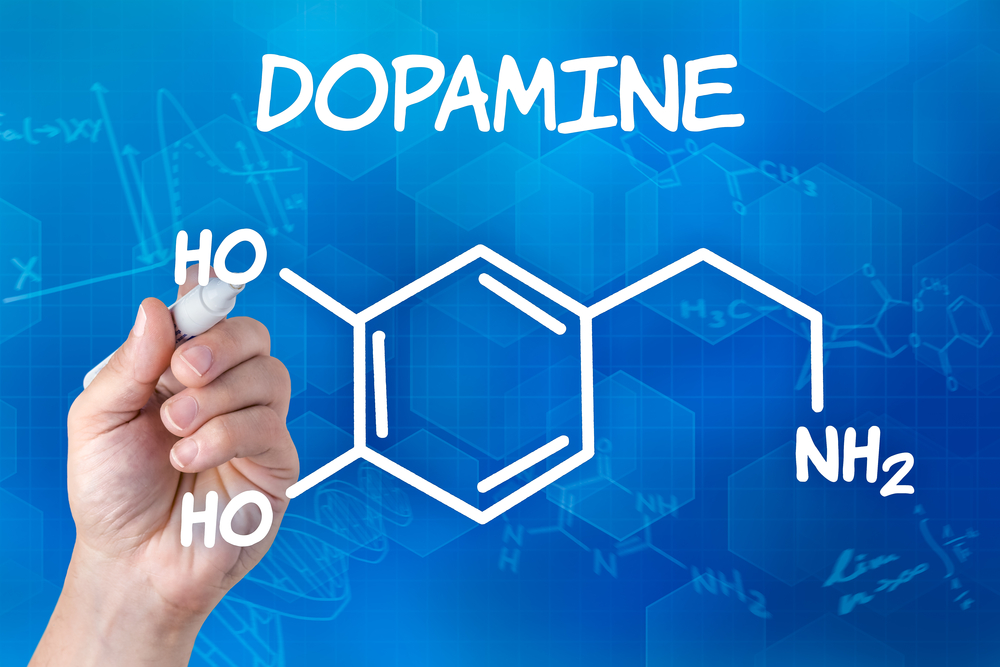
For a long time, various forms of addictions have been taken to be just as a result of social problems and sometimes even decisions or choices we make in life. Yes, this may be true but we need to take a moment and look into this problem more critically to find facts about the neurochemical basis of addiction. Doctor Dalal Akoury MD, President, and founder of the AWAREmed health and wellness resource center says that it’s good that modern addiction medicine now recognizes that substance dependency of any kind is a disease process of the brain that features lowered dopamine and glutamate neurotransmitter levels. Importantly, as more legitimate research is done in this field of addiction medicine whose experimental basis is beginning to gain ground, models of neurochemical roots of addiction in the future may also feature lowered levels of GABA as the disease progresses. To understand this neurotransmitter (GABA) it will be necessary that we try to define some of the terms associated with it and appreciate the roles and functions of GABA in totality.

The use of GABA

Because of our unique DNA and the way that each of us metabolizes drugs, each of us may have different amounts of GABA in the brain but we are still considered to be operating “normally.” Unfortunately, there are no accepted medical tests to determine if we have too much or too little GABA activity. It appears that people who are nutritionally deficit and dehydrated often have problems with the operation of GABA in their brains. Since almost all of our patients are nutritionally deficient and dehydrated when they arrive at our facility, we have always implemented the addition of GABA to the IV therapy given to patients. The purpose is to provide a more natural boost to the GABA in the brain and to allow the calming effect of GABA to make the detoxification process more comfortable. Let us now understand how GABA operates by defining these terms.

Neurochemical roots of addiction: The neuron

  • A neuron is another name for a nerve cell.
  • Nerve cells float in the fluid.
  • Each neuron has an axon a thread-like part of the cell that sends signals from the cell body and a dendrite a part of the cell that receives signals from other neurons.
  • The neurons are not touching and the space between the cells is called the synapse.
  • Electrical signals are sent through the synapse to a receptor, a place on a cell that can produce a certain effect like the production of adrenaline if someone is frightened.

Neurochemical roots of addiction: The central nervous system (CNS)

  • The CNS is composed of the brain and the spinal cord.
  • The CNS transmits signals to the rest of the body using chemical messengers called neurotransmitters.
  • Neurotransmitters are stored in vesicles—hollow sac-like structures inside the cells.
  • These neurotransmitters carry a message from a neuron to receptors on another neuron.
  • The action of the neurotransmitters on the receptors has been likened to a key being inserted in a lock.
  • When the key is turned the lock opens and the neurotransmitters activate the receptors which in turn create an effect in the body.
  • Then many of the neurotransmitters return to the releasing vesicles to be used again.

Finally, you can always talk to us by calling doctor Akoury on telephone number 843 213 1480 to help you with any concerns you may have.

Neurochemical roots of addiction: The depleted GABA


Facebooktwitterpinterestlinkedin
stop-drinking-alcohol

Marijuana addictive component

Marijuana addictive component

Marijuana addictive component is a recipe for destruction and must be eliminated professionally

Marijuana addictive component: How it affects human health

A nutritionist will encourage you to serve more vegetables in your meals for a healthy living and to keep your bodies strong and detoxified. There are several plants commercially produced for this purpose and the great investment is being done by agriculturalist to ensure this worthy objective is not only achieved but also sustained. While this is being done there are some few individuals who are in the business of doing the direct opposite. I am talking about farmers who are commercially producing the herb called marijuana. This is not just an herb but an illegal drug in most nations. Marijuana addictive component including dried leaves, flowers, stems, and seeds from the hemp plant Cannabis sativa, which contains the psychoactive (mind-altering) chemical delta-9-tetrahydrocannabinol (THC), as well as other related compounds. This plant material can also be concentrated in a resin called hashish or a sticky black liquid called hash oil.

And according to the experts at AWAREmed health and wellness resource center under the leadership of doctor Dalal Akoury MD, there is no doubt that marijuana is the most common illicit drug used in the United States and many other states globally. The biggest users of this substance are the young people. This has been very evident in the last two decades where there has been the steady increase of young people in relation to a diminishing perception of drug risk that may be associated with the increased public debate over drugs legal status. Although marijuana is illegal in most states some governments have passed laws allowing its use in the treatment of certain conditions.

Marijuana addictive component: Effects of marijuana on the brain

The THC will rapidly pass from the lungs into the blood streams when marijuana is smoked carrying with it the chemical into the brain and other vital organs of the body, besides smoking it can also be absorbed into the body slowly when ingested in food or drinks. When ingested, it will act on specific molecular targets on brain cells, called cannabinoid receptors which are ordinarily activated by chemicals similar to THC that naturally occur in the body and are part of a neural communication network called the endocannabinoid system. This system plays an important role in normal brain development and function.

The highest density of cannabinoid receptors is found in parts of the brain that influence pleasure, memory, thinking, concentration, sensory and time perception, and coordinated movement. Marijuana over activates the endocannabinoid system, causing the high and other effects that users experience. These effects include altered perceptions and mood, impaired coordination, difficulty with thinking, problem-solving, and disrupted learning and memory. Looking at the problems attached to this drug, we cannot bury our heads in the ground and pretend that everything will be alright. And as a way of taking remedial action, you can schedule an appointment with doctor Akoury who is a veteran addiction expert with vast experience of over two decades. Upon receipt of your request, she will evaluate your individual conditions and enroll you into the most effective treatment program that will deliver your health back in a record time.

Marijuana addictive component: How it affects human health


Facebooktwitterpinterestlinkedin
akory-landing-slider2

Healthy feeding saves life

Healthy feeding saves life

Healthy feeding saves life and if doubting, try it today

Healthy feeding saves life: Natural food stuff

Irrespective of what we do, nature will always be with us. Even with the great development we are witnessing today natural things still stand out. Sweet things like honey come from natural things and so is our health. Anyone looking for good health must go back to the natural. We are going to share with you some of the healthy eating tips because we believe that healthy feeding saves life. Anything processed is always against good health and needs to be avoided or taken in moderation as we will be discussing briefly going forward with the help of doctor Dalal Akoury MD. President and founder of AWAREmed Health and Wellness Resource Center. This health facility is one of a kind where all addiction and matters relating weight management, nutrition and beauty are addressed. The following are some of the healthy eating tips you may want to consider:

  • Set successful goals
  • Moderation is key
  • Reduce sugar
  • Eat more of fruits and vegetables
  • Feed more on fiber

Healthy feeding saves life: Set successful goals

To make any meaningful progress, you need to set realistic goals by planning a healthy diet. There is food you will introduce or reduce but in either case, it must be done progressively. Like for instance, you may start by adding a salad to your diet once a day and gradually until the body gets used to the change.

Healthy feeding saves life: Moderation is key

Eating in moderation is where an individual eats only what the body needs. The secret is that as you eat you should feel satisfied at the end of the meal and not stuffed. It is also important that as you eat in moderation it must be well balanced. That is to say, all the food nutrients like protein, fat, fiber, carbohydrates, vitamins, and minerals need to be balanced to sustain a healthy body.

Healthy feeding saves life: Reduce sugar

Sugar is one single modern food that causes more problems to the body than good. Too much sugar causes among other problems energy spike, weight problems, diabetes, depression and the list continues. Things like candy and desserts are rich in sugar and must be avoided and not forgetting foods like bread, cereals, canned soups and vegetables, pasta sauce, margarine, instant mashed potatoes, frozen dinners, low-fat meals, fast food, and ketchup. Your body gets all it needs from sugar naturally occurring in food so all this added sugar just means a lot of empty calories.

Eat more of fruits and vegetables

Fruits and vegetables are low in calories and nutrient dense, that is to say, they are enriched with vitamins, minerals, antioxidants, and fiber. Doctor Akoury advises that your focus should be on eating the recommended daily minimum of five servings of fruit and vegetables. This way you will naturally fill you up and also help you cut back on unhealthy foods.

Feed more on fiber

Eating foods high in dietary fiber can help you stay regular, lower your risk for heart disease, stroke, and diabetes, and help you lose weight. Depending on your age and gender, nutrition experts recommend you eat at least 21 to 38 grams of fiber per day for optimal health. Many of us aren’t eating half that amount which is not very healthy.

Healthy feeding saves life: Natural food stuff


Facebooktwitterpinterestlinkedin
weight loss diet

Maintaining immune system

Maintaining immune system

Maintaining immune system using minerals is primary by all standards

Maintaining immune system using minerals: Supporting healthy immune system

Zinc is one of the minerals in food that has received the most attention for its ability to support immune function. Zinc is a potent immune stimulant, and its deficiency can result in profound suppression of T-cell function. Children with severe zinc deficiencies show signs of growth retardation and susceptibility to infections. However, an excess of zinc has also shown negative effects on immune function and can inhibit the phagocytic cells (macrophages and neutrophils). Therefore, maintaining immune system will require adequate but not excessive levels of zinc since it is a strong pillar when it comes to minerals functions in maintaining a strong and healthy immune system. Speaking to the experts at AWAREmed health and wellness resource center under the able leadership of doctor Dalal Akoury MD. And from her decades of experience, doctor Akoury agrees that food is one of the reasons and a great excellent source of obtaining nutrition versus supplementation.

Maintaining immune system using minerals: Sources of zinc

Remember that food contains a balanced variety of the micronutrients whereas supplementation with individual nutrients can lead to too much of some and not enough of others. Very good sources of zinc include spinach, asparagus, shiitake mushrooms and crimini mushrooms. Good sources include sesame seeds, pumpkin seeds, garbanzo beans, lentils, cashews, and quinoa. Many other minerals are important in supporting immune function. Clinical research studies have shown that iron deficiency results in impaired response to antibodies, and defective phagocytic cell functioning. Copper deficiency is associated with an increase in infections and may impair the development of immune cells such as T-cells and the phagocytic cells. Selenium and manganese are important for supporting healing from inflammation and may be immune-stimulants. Selenium can be obtained from fish and shellfish, as well as tofu and whole grains.

Finally, the greatest enemy in life and more so in relation to our topic of discussion is being ignorant of what you can do to be safe from any kind of nutrients deficiencies that can easily weaken your immune system. And because knowledge is power, the purpose of this article is to open your eyes and understanding by bringing you to the full understanding of how to keep yourself healthy. You now have an option of doing what is right for your health. Following the facts posted on this link will be the starting point and by and by you will be strengthening your immune system positively. Nevertheless, you will still need to be in touch with the expert to help you understand and take action when the deficiency of these nutrients weakens your immune system and messes up your life. To that effect, you can always call on doctor Dalal Akoury whose practice focuses on personalized medicine through healthy lifestyle choices that deal with primary prevention and underlying causes instead of patching up symptoms. This way you will not only be informed but also attentive and proactive with matters concerning your health and immune system.

Maintaining immune system using minerals: Supporting healthy immune system


Facebooktwitterpinterestlinkedin