Category Archives: Natural Addiction Recovery Training

Hospital Outpatient Entrance Sign

Counselor training using CBT approach

Counselor training using cognitive behavioral treatment approach: Solutions for cocaine addiction

Counselor training

Counselor training using cognitive behavioral treatment approach: Solutions for cocaine addiction

The addiction vice is wreaking havoc in our societies and no one is off the hook of addiction. Families are being broken, children are becoming rebellious to everyone and instances of stealing and vandalism are on the rise and the root cause of all this is substance abuse. The low enforcement agencies are complaining of the stretched accommodation in our recreational facilities thanks to the growing number of petty offenders under the influence of drugs and misuse of alcohol. With that overview, it is evident that we are living in a morally decaying society and unless corrective measures are taken immediately we are most likely sinking into destruction in the near future. To help in containing this vice, experts from AWAREmed Health and Wellness Resource Center under the able leadership of doctor Dalal Akoury are giving their contribution by offering counselor training using cognitive behavioral treatment approach to all health workers so that we are having well equipped personnel to handle the magnitude of the problem.

Investing in substance abuse counselor training using cognitive behavioral approach among other training modes is the way to go and the good news is that if you want to make a difference then you are at the right place because all these are available at this facility (AWAREmed Health and Wellness Resource Center) to help you give your contribution in the fight of the scourge of addiction. It is also important for the qualified experts to appreciate that the integrating cognitive behavioral treatment (CBT) and medication are very essential primarily because they are highly compatible with pharmacotherapy. Doctor Akoury reiterates that when applied alongside the medication, the range of CBT interventions expands to include a focus on enhancing medication compliance. Generally, medication response and compliance are monitored during the early part of each session and that is to say that the first third of each hour of the training session. Now even as we progress into the discussion, for a better understanding of these facts, the following strategies can be very useful:

Counselor training using cognitive behavioral treatment approach: Find out about the patients’ history with medication

History in all dimensions offers an opportunity for the physicians to make very appropriate medical opinion in addressing the present situation. Therefore means that when attending to a patient, it is important to make enquiries about this patient past with medication so that commencement of treatment can take place from a very informed position. The following are some of the questions that a physician or the therapist can ask:

  • Did they take the medication as prescribed faithfully to the last dose?
  • Therapists can also ask the patients about their prior history with pharmacotherapy for any psychiatric disorder or condition.
  • Under what conditions was it terminated?
  • Was it helpful?
  • Why was it prescribed?

Depending on the responses accruing from such interrogation, the therapist will be able to professionally point out areas of noncompliance and this will be very helpful in establishing the patients’ view as to why they did not comply previously and also to attempt to address those issues proactively.

Counselor training using cognitive behavioral treatment approach: Listen and address patients’ concerns about medication

Listening is very paramount in the treatment process. It is therefore important that therapist take time to listen to their clients carefully for any concerns, including any misunderstandings, or prejudices about taking medication and find ways of addressing them timely and assertively. These may include misconceptions about expected medication effects, time needed to experience the effect, side effects, dosing, and interactions with cocaine and other substances. It is important that therapists provide clarification in clear, familiar terms and frequently check back with patients to be sure that they have understood. Without counselor training, achieving this may not be practical because of the strong sense of denial that always comes with addiction. That is why counselor training is very important as it gives them the techniques and expertise of unlocking the stalemates that are always characterized with substance abuse.

Besides that, sometimes the effects of medication may not come immediately apparent, it is important to inform patients that it may take several weeks before therapeutic effects emerge; thus, patients should be encouraged to expect gradual rather than all-or-nothing change. Explaining the gradual emergence of medication effects provides an opportunity for the therapist to emphasize that patients should not expect to benefit from an entirely passive stance regarding CBT treatment simply because they are taking medication. Mastery and implementation of coping skills remain an essential and important part of treatment; medication may be an additional, useful adjunct or tool.

Assess medication compliance since last session

Close, consistent, and careful monitoring is one of the most effective strategies for enhancing compliance with medications. Thus, a portion of each session should be devoted to evaluating medication compliance and working through any difficulties that might arise. In general, until the patients’ compliance pattern is clearly established, therapists should, in every meeting, inquire about medication compliance, day by day, since the last session. This should include asking when patients take the medication, how they take the medication, and a thorough discussion of any deviation from the prescribed dose and schedule.

In her many years of service in this discipline, doctor Akoury has noted that compliance and retention are most difficult to achieve early and late in treatment – early if the patient is not receiving obvious benefit, and later if the patient, after obtaining a partial or full therapeutic response, does not appreciate the need to continue treatment. Thus, therapists should be particularly attentive to compliance and motivation issues during early and late sessions.

Counselor training using cognitive behavioral treatment approach: Appreciate medication compliance

Therapists should also convey confidence in the medication and inform patients of the likely benefits. Therapists should be strong on the side of compliance and praise patients’ compliance enthusiastically and genuinely. Like for instance you could appreciate your patient by saying that “I have seen you take your medication diligently since our last meeting and that’s really great. I know you may have had some doubts about whether the medication would work for you, and I’m glad you were willing to give it a try. And by the way have you noticed any positive changes you think might be related to the medication?” For a better assessment, doctor Akoury suggest that the patient improvement should be related to compliance and lack of improvement and luck of it to noncompliance.

Counselor training using cognitive behavioral treatment approach: Solutions for cocaine addiction

http://regenerativepotential.com/integrativeaddictionconference/


Facebooktwitterpinterestlinkedin
sexuality

When Does Sexuality Begin?

Stages of the beginning of sexuality

beginning of sexualityThere had been times when sex and sexuality were one of the least discussed topics, they were more like taboos. But nowadays it’s perfectly normal to discuss them; these are still fairly personal but no more considered as forbidden knowledge. The terms Sexuality and sexual orientation are sometimes alternatively used for each other and to a great extant its well justified. Sexuality is about understanding your personal sexual feelings and attractions towards others while sexual orientation is exploring your sexuality and placing yourself in pre-defined categories such as heterosexuality, homosexuality, bisexuality and asexuality. There is no definite age at which sexuality begins as there are multiple environmental and social factors that are responsible for it. Biological and socially the age of beginning depends upon Gender, hormonal balance, ethnicity, family values, substance and drug use, socioeconomic makeup, religious beliefs, cultural views about sex, women liberation etc.

It’s not justified to say that sexuality only begins when a child starts understanding its environment because we all are sexual beings, even  an infant have a different overall body structure and organs distinctly a male or a female or sometimes both, these factors through some extant can predict a child’s sexual orientation. On the other hand young children are usually curious about their bodies, between ages zero to five, it is considered normal for them to touch their own body parts and also ask questions about related topics.

Gender plays a very important role in the onset of sexuality. It refers to the socially constructed roles, behaviors, activities, and attributes that are assigned to men and women in any given society There are defined gender roles and expectation in every society that how men and women should behave. There are cultures where it is alright for men to talk about sex whether women are expected to stay silent on these matters. They cannot be assertive about their sexual preference and orientation; simply they are not given enough liberation to express their sexual desires.

The hormonal theory of sexuality and gender identity explains in detail that, exposure to certain hormones  at early stages of development plays a very important role in fetal sex differentiation, such exposure also has a strong influence on the sexual orientation and or gender identity that emerges later in the adult. Differences in brain structure that come about from chemical messengers and genes interacting on developing brain cells are believed to be the basis of sex differences in countless behaviors, including sexual orientation. Prenatal factors that affect or interfere with the interaction of these hormones on the developing brain can influence later sex-typed behavior in children. On the other hand hormonal production and balance biologically determines the increased awareness of sexual behaviors in children. Usually children start facing hormonal changes after the age of ten that greatly impacts their attitude towards sex and sexuality.

Socioeconomic and environmental issues have long been discussed as key role players in the onset of sexuality in children. Within sound socio economic settings, children are more exposed to facilities such as internet, magazines, sex educations guides and most importantly social media at an early age. Also in cultural settings where public show of affection is culturally accepted, children possess early beginning of sexuality. They have more references to real life so they could understand their own desires in a much better way as compared to those children who do not have access to our basic information systems and facilities. The trends of proper sex education in a culture can enhance the rates of children getting involved in sexual habits at an early age. On the other hand educated families tend to be more open about sex and sex education with their children. The question “what is the appropriate age?” for discussing such personal and sensitive topics with children has haunted parents and psychologists for a long time, but now it’s an established fact that healthy sex education can greatly reduce the risk of children developing aberrant sexual habits due to wrong information from wrong sources.

In societies where children can have easy access to drugs and other similar substances, it has been seen that sexual behavioral abnormalities and early understanding of sexual practices occur as one of the many side effects of these drugs. The concept of normal and abnormal habits is totally relevant to the age of a child. There are practices that are considered for a child five years of age but the same practices are normal for a child around ten years of age.

One more important parameter in determining the commencement of sexuality is religious practices. Religious practices often forbid extra marital sex, and private habits like masturbation. From a psychological perspective it is perfectly normal a child to have inappropriate thoughts and touching their own body parts but these same practices are at time forbidden, when these practices are strictly followed, children are kept socially isolated from being getting indulged in such activities that can delay social inception of sexuality.

In conclusion, the commencement of sexuality can not only be based one or few factors, it’s a complex process which has equal involvement of biological processes and social and environmental practices around the individuals. Sexuality cannot be generalized, every individual is unique and so are their experiences towards life, there are multiple encounters that shape the sexual orientation of a child. Even once decided and sorted out, there are significant chances that a person’s sexuality can change over the period of time. These intricate matters still need a lot of discussion to answer more complex questions related to this basic knowledge. For this purpose we have arranged Integrative Addiction Conference which focuses on more sensitive issues of human sexuality and addiction. It is a great opportunity for health professionals. Students, psychologists, policy makers and every related field experts to join this platform and help build an integrated system for the solution of current problems related to above mentioned issues.

Facebooktwitterpinterestlinkedin
gut-healing

Low carb diet a remedy for obesity and weight loss

Low carb diet a remedy for obesity and weight loss: Foods to eat and those to avoid

low carb diet

Low carb diet is quickly becoming a good remedy for obesity and weight loss

Are you struggling with your weight management? And has it been bothering you that all your efforts seem not to impress? If your answer is yes then you are at the right place where natural weight loss solutions are delivered in a more professional way with the experts from AWAREmed Health and Wellness Resource Center under the able leadership of doctor Dalal Akoury. From the definition of low carb diet, we realized that this is a diet plan that limits the intake of carbohydrate and put more emphasis on the usage of other food nutrients like proteins and fats with the main objective being that of losing weight. It is therefore evident that food is very significant in the whole process and that is going to be our point of focus in this article. Looking at the basics of this whole topic, the following are some of the foods that we can conveniently feed on; meat, fish, eggs, vegetables with emphasis being made on those that naturally grown above the ground alongside natural fats. And as we encourage such consumption, we should be careful to avoiding sugar and starchy food packages like bread, beans, potatoes and pasta. The list may be long but for purposes of giving direction we will stop there and encourage you to be vigilant going forward on what you should allow in. Now from the list and as professionals from AWAREmed Health and Wellness Resource Center we have indicated that we want to help you understand them in details even as we progress into the discussion about the recommended foods as follows.

Low carb diet a remedy for obesity and weight loss: Food stuff recommended for consumption

The freedom of feeding on all things that are not poisoners can be misleading to many. Yes food is food but the wise say that not all that glitters is gold. The same is very much applicable when we get into the food industry. Therefore because of the misconceptions around food, it is important that we make some clarifications as we progress. Take note that the title of this article is “low carb” we are not saying zeros carb. Meaning that, even some of these foods that we are listing are actually not 100% carb free. The common denominator is low it may not be zero carb. Now with that understanding, we can progress into explaining the following as some of the food elements you can use effectively in low carb diet as a remedy to obesity and weight loss:

Meat – Meat comes in many different types and we are free to enjoy all these, the only caution should be that we must go for the best and the best comes from those animals and birds that are organically fed. In others words all meat products should be from those animals that are naturally fed with grass and fodder.

Fish and shellfish – Without any kind of restriction, for low carb diet all kinds of fish are recommended including fatty species like haddock, salmon, trout, mackerel or herring. However we should be careful to avoid breading.

Eggs – Take not that all organic eggs with omega-3 enriched are recommended and remember that the mode of preparation is secondary.

Natural fat, high-fat sauces – Using butter and cream for cooking can be delighting and satisfying however ensure that all the ingredients are of healthy standards and finally desire to prepare it yourself at home.

Organic Fruits and Vegetables grown naturally above the ground – I now understand why the holy book records that the stone the builders rejected become the Conner stone. Many people don’t like vegetables yet this is one of the best foods to keep you healthy. Fruits and vegetables has become the best that was rejected initially. Today all fruits and vegetables naturally grown are recommended as part of low cab diet working effectively in weight loss management.

Low carb diet a remedy for obesity and weight loss: Foods to avoid by all standards

Sugar – There is no doubt that sugar is very sweet and because of this, nearly all of us were brought up taking sugar in nearly all the food we were fed on. Because of this background, it may not be very easy for people to forgo sugar. We understand that and much as it may not be your fault, sugar is very unhealthy to use exceedingly. With this caution, experts have rank sugar as one of the worst when it comes to carb content. Now for the benefit of your health, take note that not all that glitters is gold. It may not be easy but you must make efforts towards avoid using all the sugary drinks including soft drinks and ice cream. Besides that always be careful with all sweeteners and avoid them by all means because your health is a priority and cannot be compared with anything.

Starch – It may sound difficult to avoid some of these starchy foods because most of them are staple food for many communities, nonetheless even with that challenge, they are not categorized as low carbs thereby making them unhealthy and must not only be used in moderation, but could be avoided all together. Looking at the starchy foods listed to be avoided one will be excused to wonder if rice, bread and potato chips are not good then what is really good. That concern comes because the three are staple foods for many communities. Now take note that when we were introducing the topic we did say that it is low carb and not zero carb, meaning that nearly all the foods that we eat will have some carbohydrate in them but our focus should be on those with low content or even if they are not of low content, then the consumption should be in moderation. Still on starch it is also important to note that wholegrain products on the other hand are just less bad. That is to say legumes, such as beans and lentils, are high in carbs and needed to be used in moderation.

We will continue with is discussion in our next article even as we focus on how low carb diet works to achieve its effectiveness in weight loss and obesity management. In the meantime if you have any concern about low carb diet, then you can schedule for an appointment with doctor Dalal Akoury today for further professional assistance.

Low carb diet a remedy for obesity and weight loss: Foods to eat and those to avoid


Facebooktwitterpinterestlinkedin
sexual-addiction

What is Sexual addiction?

Sex addiction explained.

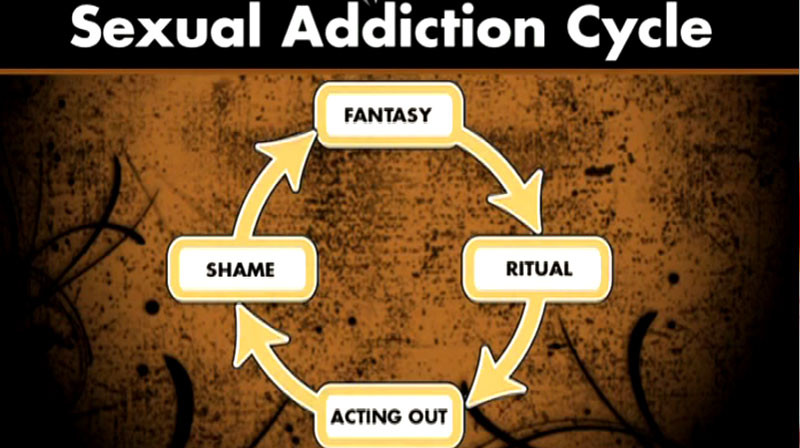
Sexual AddictionSexual addiction is best described as a progressive intimacy disorder characterized by compulsive sexual thoughts and acts. Like all of the present forms of addictions, the negative impact of addiction on addict and family members progressively increase with the progress of disease. This addiction if left unattended, take a toll on the addict’s life and forces the individual to heap on the addictive behavior to have the same level of satisfaction that was attainable through less effort at the beginning of disease. As every individual possess unique personality, the intensity of disease is also variable for every addict. For some their addictive behavior does not surpasses the grim need of masturbation, extensive addiction to pornography or cybersex and other chat sex facilities but for others, it can acquire a more severe form forcing them to get involved in certain abnormal activities like exhibitionism, voyeurism, obscene phone calls, child molestation or rape. It is not necessary that this disease forces individuals to commit sex crimes. They can keep it personal because statistics show that not all sex offenders are sex addicts but there is a significant percentage i.e. 55% who can be considered sex addicts.


Sexual addiction could not be put into distinct categories because of the variability of reasons and factors but still chiefly it involves excess addiction masturbation, pornography, prostitution, fantasy, sadistic or masochistic behavior, Exhibition/Voyeurism, other excessive sexual pursuits like child molestation, insatiable lust for partners, rapid switching of partners for sexual satisfaction, emotional detachment and lack of satisfaction through normal sexual practices. The National Council on Sexual Addiction and Compulsivity states that a sex addict will continue to engage in certain sexual behaviors despite facing prospective health risks, financial and economic harms, shattered and unsuccessful relationships or even arrest.

It is an established fact that sex offenders do not solely act for sexual delight, but rather out of a troubled desire for authority, supremacy, control or vengeance, or a perverted and distorted expression of anger. A sex addict may suffer a single form of sexual addiction or it may practices all of its forms depending upon the severity of disease and course of time an addict have been indulged in these activities.  Sexual addiction is usually considered an emotional/psychological sexual disorder but it does manifests itself in physical form. Sometime it’s evident from ones behavior that they are thinking about some really perverse act as it becomes difficult for addicts to control their behavior.

Sex addicts often face problems defining healthy boundaries, they either completely become desolate, depressed, mysterious, frustrated, and humiliated or they could become completely opposite of these, being excessively getting involved with people sexually regardless of respecting the choice of their partners or potential partners towards them. Majority of sex addicts could not walk out of unhealthy relationships because of their extreme paranoia of abandonment. On contrary to this, their sexual lust might make them leave their healthy relationships in the worst of ways without caring about the emotions of people around them.

Sexual addiction can develop due to factors that encompass all aspects of an individual’s life. Researchers have found that there could be some biological explanations for sex addiction. An individual could have a genetic tendency towards emotional volatility, impulsivity or negative attention seeking behavior. Existence of other metal conditions like stress, anxiety or depression can also play a major role in manifestation of sexual addiction. Higher levels of sex hormones are other key players that can increase the chances of excessive involvement in sexual activities. Psychologically, those that have been diagnosed with Bipolar Disorder, or have a tendency toward “manic” states, are much more likely to engage in excessive or risky sexual behavior. Apart from these causes an early history of child abuse, molestation or exposure to explicit content at an inappropriate age can result into aberrant sexual behaviors.

Sexual addiction can have deleterious effects on individual’s life and the life of those around them. According to the stats of Departmental Management of the USDA, about 38% of men and 45% of women with sex addictions have a venereal disease as a result of their behavior. On the other hand in female addicts pregnancy is a main side effect related to these sexual practices. In a survey, around 70% of women have experienced an unwanted pregnancy due to their untamed sexual ventures. Socially, sex addiction can result in decline of personal relationships and decreased productivity in working environments, resulting in financial problems. Health wise, these excessive sexual activities greatly increase the chance of contacting sexually transmitted diseases.

The Diagnostic and Statistical Manual of Psychiatric Disorders, Volume Four categorizes sex addiction, under the category “Sexual Disorders”. It is immensely imperative to know that although sex and porn addiction are not “formally” diagnosable, these situations exist and often present with very unpleasant consequences and towering levels of distress, guilt, and emotional tumult. If you can relate to the symptoms mentioned above, or know somebody who meets these criteria, do not hesitate to ask for help. There are a number of available options for treatment including psychotherapy, medication and hormonal therapy but diagnosis and self-assessment is the key to get help in the first place. If you think you need help we are organizing an international conference titled “Integrative Addiction conference” whose sole purpose is to unite medical health professional, psychologists and other stake holder on one platform. Speakers from all over the world are going to discuss multiple aspects of addiction. This is just a tremendous opportunity to get a lot of valuable information without any kind of hesitation. You can find more information here http://integrativeaddictionconference.com/ . Get yourself registered today and avail this opportunity to understand yourself and your loved ones in better ways. Alternatively if you have some valuable suggestions and knowledge of the said field, you can join us as one of our speakers, so register right now and spread awareness. After all it’s the right of every human being to be loved and understood despite of innumerous flaws we all possess.

Facebooktwitterpinterestlinkedin
substance-use

Evidence Based Treatment Practices for Substance Use Disorders

Evidence Based Treatment Practices for Substance Use Disorders

substance abuseSelecting the appropriate addiction treatment option is very crucial. The individual suffering from substance use may only have one shot at recovery as there are no guarantees that they will ever gather-up the motivation to try quitting substance use again. Unfortunately however, there have been many reported cases where people have attempted quitting but have ended up with a treatment that wasn’t the best for them. In order to ensure that better choices are made when choosing the best treatment to give someone with substance disorders, adequate information is very important. The data gathered about the individual and the treatment option has to be reliable and dependable. By selecting an evidence-based treatment option for substance use disorders, the individual is set in the best position where it is much likely for them to enter a path that leads to recovery.

Definition of Evidence Based Treatment Practices for Substance Use Disorders

Whenever people do online searches for possible treatment options for substance use, they will find many possible treatment options which may be overwhelming. Aggravating the issue is the fact that many of these treatment practices are pure scams or a little more than scams. Some of these results promise the individuals instant results simply by drinking some herbs, swallowing some pill or by wearing some special necklace. Evidence based treatments are therefore put in place to ensure that the individual trying to quit addiction is placed next to the best options or resources that could help them in their journey to freedom.

Evidence Levels to Guide the EBT Practices

All types of evidence cannot be treated equally by professionals; some will get more attention than the others. Data obtained from subjective or anecdotal approaches are considered to be of lesser value as against data obtained from objective scientific approaches or researches. Now this is not to mean that subjective or anecdotal evidence is not of important use because they are but there are challenges with information proceeding from such sources. Such problems as human biases and errors are common with such methods. There are different evidence levels that can be assigned to Substance use Disorder treatments and they include:

Level 1: Indicates evidence that proceeds from true experimental designs and that includes trials performed in the clinic that include some kind of randomization.

Level 2: Indicates evidence that proceeds from quasi-experimental designs that includes no kind of randomization

Level 3: Talks about evidence emanating from professional consensus. For instance, a professional community may believe that a particular treatment works better than the other.

Level 4: Speaks of evidence that proceeds from qualitative literature reviews and publications that of good authority

Level 5: Indicates anecdotal information involving personal experiences and accounts.

From the above, evidence proceeding from Level 1 is of the utmost importance and value while evidence at Level 5 has the least value.


Issues with Anecdotal Evidence

Normally in life, humans tend to learn easily from other people’s personal stories and experiences. It is really simple, people tend to connect real time when someone is talking about what they are going through presently. The belief is there that the person is telling the truth and as such their personal experiences can be related to. It makes it easier to learn from the errors and mistakes such people had in order to avoid the pains they went through and wasted time. However, it is also very natural for humans to think anecdotally that thinking scientifically and there are problems with such thinking such as:

  • Human have been absolutely wired to locate connections between things even when these connections may not actually be there
  • The ways people find interpretation to things they have been through and what has happened to them is extremely affected by personal biases. What this means that even when the same event happen to similar kinds of people, their interpretation of the event might be absolutely different.
  • Humans sometimes have hidden motives and their interpretation of their evidence may be to support these hidden motives.
  • People, more often than not, tend to select experiences and information that best suits what they already believe as their reality.
  • In many ways, the human sense can be compromised and this means events can be inaccurately interpreted and this can be a big problem for those whose only reliance is on eye witness testimonies.
  • Humans possess a subconscious confirmation bias which means that they are much more likely to pay attention to things that relates to what they already believe as their reality and miss things that prove their belief otherwise.

For the above reasons, anecdotal evidences when treating Substance use disorders are taken with a pinch of salt.

substance use

Examples of Evidence Based Treatment Practices for Substance Use Disorders

Below are some of the best evidence based treatment practices for substance use disorders:

  • Cognitive Behavioral Therapy (CBT): This is a psychotherapeutic approach to the treatment of substance use disorders. Many studies have shown and proven the efficacy of this approach when dealing with addictions.
  • The Matrix Model: This is also one of the effective Evidence based treatments used in treating the misuse of stimulants. This employs education and encouragement practices to help the individual recover.
  • The Community Reinforcement Approach: This approach seeks to provide supports for the addicted individual within a common community of addicted people who are trying to recover. This is usually combined with a reward scheme that rewards people who can abstain for a certain period of time.
  • Drugs such as topiramate, acamprosate and disulfiram have been confirmed very useful pharmaceutical agents that are evidence backed when treating substance use disorders. Disulfiram, for instance, make people feel sick when they drink alcohol.
  • The 12 Step Facilitation Therapy is a kind of EBT that encourages addicted individuals to participate in a 12 step program.
  • Motivational Enhancement Therapy: This used a counselling approach which is aimed primarily at increasing the individual’s motivation to quit substance misuse. This involves motivating the individual to see themselves in a positive light and see themselves as being able to quit addiction.

It is very imperative for clinicians and health professionals to employ evidence based practices in treatment of substance use disorders as this helps to greatly improve the chances of the addicted individual’s recovery and prevents the possibility of them retracting and sinking deeper into addiction.

Facebooktwitterpinterestlinkedin