Category Archives: Act Now

alcoholismlsd_main_0309

Group therapy straight benefits

Group therapy straight benefits

Group therapy straight benefits includes healing of most health complications collectively

Group therapy straight benefits: What can group therapy help with?

When complications resulting from substance abuse sets in, life can sometimes become unbearable to the affected individual. There are several therapies that can be applied as means of treatment for such patients a group therapy is just one of them. Doctor Dalal Akoury who is an addiction expert and has been offering lasting addiction solutions to many people across the globe for over two decades now registers that group therapy straight benefits can technically be applied to a variety of approaches and a variety of concerns, there are certain areas that group therapy straight benefits may  be quite ideal. Like for instance, the following are some of the fields, where group therapy direct benefits can actually be realized:

  • Substance abuse and addiction
  • Anxiety and depression
  • Eating disorders
  • Schizophrenia and Obsessive compulsive disorders
  • Self-harm and Relationship difficulties

Group therapy straight benefits: Substance abuse and addiction

This is one of the situation where group therapy direct benefits counts the most. Keeping a strong support network is very fundamental when it comes to the elimination of addiction. Getting to know the experiences of other people in the same situation is very effective in helping victims of addiction cope with their conditions. Besides group therapy also enables victims to learn new skills and uncovering how their behaviors can impact other people. All these are very helpful tools in your journey to overcoming addiction.

Anxiety and depression

For people suffering with anxiety, getting out and interacting with those who understand can be helpful. Knowing you aren’t alone in your feelings and hearing how others manage their anxiety can be very helpful in social skill development. Besides that, those dealing with depression may find themselves feeling vulnerable and isolated. Getting out of the house and talking to others is always useful and in a group therapy session it can be even more so.

Eating disorders

For some people, the support network created by group therapy can aid recovery from an eating disorder. For others however, it can be counterproductive. If you find that you are comparing yourself to others in the group (for example their weight or size) it may be worth seeking individual therapy instead.

Group therapy straight benefits: Schizophrenia and obsessive compulsive disorder

Being alone with your own thoughts during times of anxiety can trigger symptoms when you suffer from obsessive compulsive disorder. Speaking to others who understand your feelings and behaviors can help you understand your condition better. Group therapy direct benefits for those with schizophrenia will depending on the severity of the condition. It can be helpful to reach out to others who experience similar symptoms to yourself, and learning more about the disorder can help you understand your own thoughts better.

Self-harm and relationship difficulties

If you find it difficult to forge and maintain relationships, attending group therapy could help. Remember that being around other people on a regular basis help you to develop interpersonal and social skills which you can practice outside of your sessions. Hearing how others cope with their problems, including practical tips you may not have thought of, can also be incredibly helpful. His list may not be exhaustive and therefore you can always schedule for an appointment with doctor Akoury for more professional assistance.

Group therapy straight benefits: What can group therapy help with?


Facebooktwitterpinterestlinkedin
over the counter drug abuse

Defining treatment approaches

Defining treatment approaches

Defining treatment approaches that helps all drug addiction patients to overcome their habit

Defining treatment approaches: Different treatment benefits

If you have ever fallen sick, you must have made effort of seeking for treatment from the hospitals. While in the hospitals your doctor may have whispered to you that besides the medication they are prescribing to you, you also needed to do certain things on your own like feeding on a well-balanced diet, checking your weight, detoxifying your body system by either drinking more water or feeding on certain food stuff. When your doctor tells you all these, they are simply defining treatment approaches for you. These are some of the things you can do on your own to improve on your health. Why do you think even after prescribing your medication, they still involve you with such advice? It is because things are first changing and in this century, we have different treatment approaches that benefits the well-being of our health.

If you have been following this link for sometimes now, you must have come across educative blogs touching on the possibilities of seeking for treatment differently away from what we are a custom to in our daily lives. Some of these treatment approaches are actually very effective and are impacting on the lives of the society well. We wanted to find out why have different treatment approaches if one can solve the problem and so we ask some question to doctor Dalal Akoury who is a veteran addiction expert of our times. From her experience doctor Akoury says that different treatment approaches are healthy for this society where pollution is causing serious health consequences to the lives of people. In her briefing she acknowledges that different treatment approaches have been given various names used to describe them. This has become necessary because majority of these healing approaches are not being taught in medical schools, yet they are generally available in hospitals or are routinely reimbursed by medical insurance.

Defining treatment approaches: Complementary and alternative medicine (CAM)

Any name could be preferred but Complementary and alternative medicine (CAM) is the noun chosen by the National Institutes of Health. CAM is defined as the an expansive healing philosophies, approaches and therapies that mainstream western (conventional) medicine does not commonly use, accept, study, understand, or make available. CAM therapies may be used alone, as an alternative to conventional therapies, or in addition to conventional, mainstream medicine to treat conditions and promote well-being.

Integrative medicine is a new term that emphasizes the combination of both conventional and alternative approaches to address the biological, psychological, social and spiritual aspects of health and illness. It emphasizes respect for the human capacity for healing, the importance of the relationship between the practitioner and the patient, a collaborative approach to patient care among practitioners, and the practice of conventional, complementary, and alternative health care that is evidence-based.

Defining treatment approaches: Why use CAM?

There is no doubt that CAM is gaining popularity because of its attractiveness to many people. This is so because its application emphasizes on treating the whole person by promoting good health and well-being. It adds value on the prevention and it is more tailored to personalize the patient treatment concerns. It has become the millennium treatment approach to many. You can become part of it by scheduling for an appointment with doctor Dalal Akoury today for a more detailed professional input.

Defining treatment approaches: Different treatment benefits

http://regenerativepotential.com/wp-admin


Facebooktwitterpinterestlinkedin
alcoholismlsd_main_0309

Bipolar complications and depression

Bipolar complications

Bipolar complications and depression causes brain instability

Bipolar complications and depression: The brain instability

If you have never known what bipolar complications are, then it will benefits you to appreciate that normally it is identified by incidences of excitability (mania) interchanging with the cycles of depression. The mood swings between mania and depression are normally very sudden. Doctor Dalal Akoury, MD founder and President of AWAREmed Health and Wellness Resource Center says that bipolar disorder results from instability in the sections of the brain charged with moods regulation. During manic periods, persons struggling with bipolar disorder may be excessively impulsive and energetic, with a flamboyant sense of self. The depressed stage brings overpowering feelings of anxiety, low self-respect and suicidal thoughts.

Because of the seriousness of bipolar disorder, many of the victims will often require time in inpatient depression treatment centers. The essence of this is to help them to be free from life stressors, get appropriate medication management and learn healthier coping skills. Ideally if you will schedule for an appointment with doctor Akoury, this is what we will offer to you during treatment professionally and with a lot of dignity.

Bipolar complications and depression: Types of bipolar disorder

There are two principal types of bipolar disorder. Individuals with bipolar disorder have had at least one fully manic episode with episodes of major depression. (At one time, bipolar disorder was called manic depression).

Individuals with bipolar disorder II rarely suffer full-fledged mania. Instead they suffer periods of hypomania (increased levels of energy and impulsiveness that are not as extreme as the symptoms of mania). These hypomanic episodes alternate with episodes of major depression. A mild form of bipolar disorder called cyclothymia involves periods of hypomania and mild depression, with less severe mood swings. It is further important to note that bipolar disorder affects men and women equally and usually appears between the ages of 15 and 25.

Bipolar disorder symptoms and signs

The manic phase of bipolar disorder may last from days to months and include the following symptoms:

  • Binge eating, drinking and drug use
  • Easily irritated
  • Elevated mood
  • Hyperactivity
  • Increased energy
  • Inflated self-esteem
  • Lack of self-control
  • Little need for sleep
  • Over-involvement in activities
  • Poor temper control
  • Racing thoughts
  • Reckless behavior
  • Sexual promiscuity
  • Spending sprees
  • Tendency to be easily distracted

These symptoms of mania are seen with bipolar disorder I. In people with bipolar disorder II, hypomanic episodes involve similar symptoms that are less intense. The depressed phase of both types of bipolar disorder involves very serious symptoms of major depression include:

  • Struggling concentrating, memory lapse and poor decision making.
  • Eating disturbances
  • Fatigue
  • Feelings of worthlessness, hopelessness and guilt
  • Loss of appetite and weight loss
  • Loss of self-esteem
  • Overeating and weight gain
  • Persistent sadness
  • Persistent imaginations of death
  • Sleep disturbances like excessive sleepiness or inability to sleep
  • Withdrawal from activities that were once enjoyed and from friends

Finally, bipolar disorder increases the risk of suicide to the directly affected victims. While in either phase, a person may abuse alcohol or other substances, which can worsen the symptoms. Sometimes there is an overlap between the two phases. Manic and depressive symptoms may occur simultaneously or in quick succession in what is called a mixed state. But in all these instances, you will need help. This is what doctor Akoury and her team of experts will do effectively to restore your health professionally.

Bipolar complications and depression: The brain instability

http://regenerativepotential.com/wp-admin


Facebooktwitterpinterestlinkedin
drug-rehab-family

Investigational therapy treatment

Investigational therapy treatment

Investigational therapy treatment effectiveness for good health

Investigational therapy treatment: The advent of psychotherapy

Investigational therapy treatment also known as experimental therapy is an umbrella term that applies to a range of actions and movement-based forms of psychotherapy. According to the experts from AWAREmed Health and Wellness Resource Center, this kind of therapy uses a wide range of activities such as role playing, wilderness adventures, expressive arts, animal-assisted experiences and trust-based activities to identify and address any hidden or subconscious issues that may not reveal themselves via more traditional forms of therapy.

Doctor Dalal Akoury reiterates that for those patients who may have previously participated in more traditional forms of psychotherapy like for instance a talk therapy in a clinical or office setting, experiential therapy can be particularly effective due to its ability to take the patient’s focus off the therapy itself and encourage him or her to function effectively even if it is only during the session. Take for example, while completing a ropes course, the patient will be focused on mastering what first may appear to be an insurmountable task, and will be more likely to let his or her guard down than he or she would during a normal traditional individual or group talk therapy session.

Investigational therapy treatment: Benefits of experimental therapy

During experiential therapy sessions, patients have the opportunity to experience successes, identify obstacles, develop improved self-esteem, and take greater responsibility for their actions. After the experiential therapeutic activity, they have the opportunity to process their emotions and receive specific feedback based upon their decisions, actions, and reactions.

Though not necessarily a primary focus of experiential therapy, the activities that patients participate in may also serve the purpose of providing them with new ways of filling leisure time or other “down times” during their daily lives.

This may be particularly important for individuals who are in treatment for substance abuse and addiction, because part of the recovery process involves finding healthy and productive leisure activities to fill the hours previously occupied by searching for, acquiring, and using alcohol or other drugs.

Investigational therapy treatment: Which kind of disorders does experimental therapy address?

Experiential therapy has been an effective component of comprehensive treatment programs for individuals who are struggling with a range of issues and disorders.

Experiential therapy has been successfully integrated into treatment programs for adults and teens who are receiving treatment for alcohol, chemical dependency, mood disorders, eating disorders, bipolar disorder, and a host of other related conditions.

Finally besides the experimental therapy treatment the spirit behind the establishment of AWAREmed Health and Wellness Resource Center by doctor Dalal Akoury was to transform each individual’s life through increasing awareness about health and wellness by empowering every individuals into finding their own inner healing power. The success of this is very vital as it will offer the much needed solutions to all addiction related issues. Further to that it will also interest you to note that doctor Akoury’s practice focuses on personalized medicine through healthy lifestyle choices that deal with primary prevention and underlying causes instead of patching up symptoms. This is very powerful and therefore if you or any one you know is struggling with any kind of addiction, then you can call us today on telephone number 843 213 1480 and we will attend to you professionally.

Investigational therapy treatment: The advent of psychotherapy

http://www.integrativeaddictionconference.com/wp-admin


Facebooktwitterpinterestlinkedin
Dopamine Rush

Well balanced neurotransmitters

Well balanced neurotransmitters

Well balanced neurotransmitters is a serious need for every one.

Well balanced neurotransmitters: The threats of the imbalance

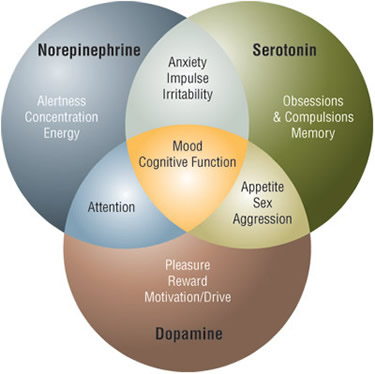
A well balanced neurotransmitters is a serious need for everyone. This must be done timely if we want to have a healthy life. To understand this better, we spoke to doctor Dalal Akoury MD President and founder of AWAREmed Health and Wellness Resource Center about this to get some answers. In her decades of experience in medicine, doctor Akoury is registering that neurotransmitter imbalances can actually cause problems in very many ways including those relating to moods, memory, addictions, energy, libido and sleep. As we progress into the discussion, doctor Akoury is posing some question to you to help you re-evaluate your position.

  • Do you have any area of your life where you feel you don’t have control over?
  • Are you a shopaholic, chocoholic, caffeine addict, or worse?
  • And finally do you get depressed for no good reason, feel overwhelmed by life, have trouble falling asleep, or are you harboring negative thoughts that you just can’t shake?

Did I speak your mind? It is important to note that if you answer yes to any of these questions, then it’s very possible that you have a neurotransmitter imbalance and this needs to be corrected if you have to be in proper control over your life. That now brings us to the next question.

Well balanced neurotransmitters: What are the neurotransmitters?

It may surprise you to note that the brain of a normal human being is composed of billions and billions of neurons which are the cells that communicates with each other via chemical messengers known as neurotransmitters. It therefore means that the defining features of drug intoxication and addiction can be traced to disruptions in cell-to-cell signaling.

Drugs of abuse alter the way people think, feel, and behave by disrupting neurotransmission, the process of communication between brain cells. Over the past few decades, studies have established that drug dependence and addiction are features of an organic brain disease caused by drugs’ cumulative impacts on neurotransmission. Scientists continue to build on this essential understanding with experiments to further elucidate the physiological bases for drug abuse vulnerability as well as the full dimensions and progression of the disease. The findings provide powerful leads to new medications and behavioral treatments.

Finally, now that you know the implications of not taking why you need to balance neurotransmitters, it will be of great help to you to periodically consult with experts like doctor Dalal Akoury for any concerns you may be having as far as balancing neurotransmitter is concerned. Up on scheduling for that appointment, doctor Akoury together with her team of experts will professionally attend to you and before you knew it, you will have your life back.

Well balanced neurotransmitters: The threats of the imbalance

http://www.I-AM-I.com/wp-admin


Facebooktwitterpinterestlinkedin