Category Archives: Act Now

Behavioral Addiction and Brain Function

Neurons signals and addiction

Neurons signals

Neurons signals and addiction. In fact, neurons are the primary communication unit of the brain and must not be contaminated with drugs

Neurons signals and addiction: The brain chemistry

The neuron is the primary unit of communication within the brain. A single neuron is extremely tiny. Experts are estimating that there are over 100 billion neurons in the human brain. With that, you can imagine just how complex and distinct your brain is from the person next to you. And because good communication is of two ways where we both listen (receive information) and at the same time we also speak (send information). The same is applicable to the brain’s communication system with the neurons having the ability to both send and receive communication signals. The dendrite is the portion of neuron signals that typically receives information (listens) while the axon is a portion of the neuron signals that sends out information (speaks).

Neurons signals and addiction: Neurotransmitters

When humans communicate with each other, we typically use words and gestures. The different parts of the brain communicate with each other using electrical signals. Neurons use electrical pulses to send their communication signals. These electrical impulses are called action potentials. When neuron fire, the action potential travels down the neuron’s axon where it ends. At the end of the axon is the axon terminal or pre-synapse. In this area, special chemical messengers called neurotransmitters and neuromodulators lay in wait. These are stored in specialized capsules called vesicles. The action potential causes the release of these chemical messengers into an open space between one neuron’s axon and the next neurons’ dendrites. This open space is the synaptic cleft. At the other side of the synaptic cleft is the post-synapse that is formed by the dendrites of connecting neurons. In the post-synapse, there are special receptors that receive the neurotransmitters.

Receptors and neurotransmitters function in a way that is similar to a keyhole and key. Receptors are like keyholes and neurotransmitters are like the keys. When neurotransmitters fit into the receptors it is called binding. Once a neurotransmitter is bound to a receptor, the key turns the lock. Once the lock opens, it communicates with the receiving neuron’s dendrites. In the post-synapse, there may be many different receptors (many different shaped keyholes). However, a particular neurotransmitter may be able to fit into (bind to) several different receptors types. This is similar to the way a single key can open several different locks. The particular receptor type determines the type of signal that is transmitted. Thus, the receptor type is often more critical to the communication than the particular neurotransmitter.

It may be easiest to visualize this communication as a single chain of events: First, a neuron sends an electrical impulse (action potential) down the axon. Next, the electrical impulse causes chemicals (neurotransmitters and neuromodulators) to be released into space between two neurons. Then these chemicals can signal the next neuron to send an electrical impulse and so on. This electrochemical process forms the brain’s communication system. In conclusion, it is evident that the functions of the brain in communication are very sensitive and any alteration caused by drugs addiction can have far-reaching effects. Therefore before we get there, we must do all it takes to prevent or correct as soon as it is necessary. For this reason, it will be prudent that you schedule an appointment with doctor Dalal Akoury MD a veteran addiction expert who is also the founder of AWAREmed Health and Wellness Resource Center for the commencement of your addiction recovery process.

Neurons signals and addiction: The brain chemistry

http://regenerativepotential.com/wp-admin


Facebooktwitterpinterestlinkedin
Tools of addiction

Drug use cravings and the brain

Drug use cravings

Drug use cravings and the brain have nothing in common

Drug use cravings and the brain: Addictions effect on the brain’s reward system

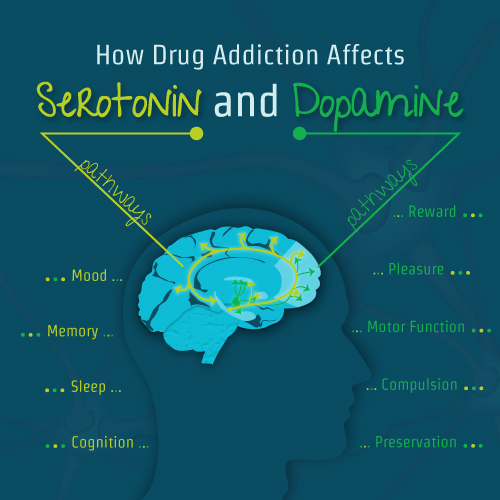
The delicate functions of the brain demand that at no given time must we have an unhealthy brain. The problem of drug use cravings will, however, not allow this to be. And because the brain is the brain’s reward system which is part of the survival system, in many instances we often experience an urgent need for food whenever we are starving and generally have a powerful desire for sex too. According to doctor Dalal Akoury, MD President and founder of AWAREmed Health and Wellness Resource Center, the brain’s reward system rewards food and sex because they ensure our survival. Unfortunately, drugs of abuse operate within these reward systems which leads people to experience an urgent need or powerful desire for drugs or addictive activities.

The brain’s reward system has ensured our species survival. You may not have known but food, water, and sex are some of the elements that activate the reward system. Therefore when the brain’s reward center is activated, it releases dopamine which then creates a pleasing, enjoyable sensation to motivate us into repeating these behaviors necessary for our survival. That is happening because dopamine has rewarded us with a pleasurable feeling. Doctor Akoury recommends that from an evolutionary standpoint, it is helpful to have a reward system that works.

For example, when there is very little food and you’re wandering around looking for food, and when you finally find something to eat, this triggers your reward system. This pleasing feeling (dopamine “reward”) will become associated with whatever behavior that led you to that food. This causes you to want to repeat that behavior. Moreover, the reward system is closely tied to emotional and subjective memories. If you were successful and found food in a particular place for instance, in the future you will want to look for food in the same location. This reward system increases the likelihood that you will be successful in finding food there the next time. This is because your brain chemicals are rewarding you with a pleasing sensation. It also helps you to remember how and where this pleasant feeling occurred.

Drug use cravings and the brain: Negative dopamine reward sensation

It will come to you as a surprise that the element that motives your survival is the very same reward system that ensures your survival and also rewards drug use. Doctor Akoury reiterates that all addictive substances and activities will trigger the release of dopamine which rewards us with a pleasant sensation thereby succeeding in motivating us to continuously indulge in these harmful behaviors. It is nowadays common knowledge that peoples with addiction problems will all it takes to get their drug of choice and in the same way, they continue with their addiction despite the harm it causes to themselves or their loved ones. It is therefore very important to note that all these characteristic of addictive behaviors arise from the brain’s pleasure and rewards centers. Therefore seeking for lasting solutions becomes a must to do for all victims. This may not be a very popular thing owing to the addictiveness of some of these drugs, but nonetheless, it is the best option if you want to have a healthy life that is free from all sorts of addiction. You can schedule an appointment with doctor Dalal Akoury for the commencement of your journey to recovery.

Drug use cravings and the brain: Addictions effect on the brain’s reward system

http://regenerativepotential.com/wp-admin

 

Facebooktwitterpinterestlinkedin
drug addiction treatment

Fake drug use urges and relapse

Fake drug use urges

Fake drug use urges and relapse must be resisted for the true restoration of health to take effect

Fake drug use urges and relapse: Dealing with mental urges

When going through drug addiction rehabilitation, you will need a lot of support from everybody. This is important because it is during this time that fake drug use urges will be very persistent. If you have been in the recovery program and you are almost succeeding, temptations will become and fake drug use urges will multiply. But in all these, be on the lookout for the mental relapse solutions techniques for dealing such urges. You can’t come this far to allow any urge to take you back, but you must learn to say no. It will not be easy and lots of disappointments will be there but be still, remain focus even if you are alone away from your support team reiterates doctor Dalal Akoury MD and founder of AWAREmed Health and Wellness Resource Center.

Remember that relapse is a good skimmer. It comes when the surrounding is conducive. When your spouse who has been helping you keep off drugs is away for the weekend or on a trip. At this point when you’re vulnerable relapse strikes harder but whatever the case, do not be deceived that you don’t have a problem because you’re not on this journey for of recovery for your spouse or your work. Remain focus because that urge is fake. Remind yourself of the negative consequences you’ve already suffered, and the potential consequences around the corner if you relapse again.

Fake drug use urges and relapse: Tell someone that you’re having urges to use

Call a friend, a support, or someone in recovery. Share with them what you’re going through. The magic of sharing is that the minute you start to talk about what you’re thinking and feeling, your urges begin to disappear. When you think about drugs, try to occupy yourself with something to distract you from that feeling. You could call a friend, go to a meeting, get up and go for a walk. Do something productive. Remember that most urges usually last for less than 15 to 30 minutes. When you’re in an urge, it feels like an eternity. But if you can keep yourself busy and do other things you’re supposed to do, it’ll quickly be gone.

Fake drug use urges and relapse: Take your recovery gradually and relax

Don’t think about whether you can stay abstinent forever. That’s a paralyzing thought. It’s overwhelming even for people who’ve been in recovery for a long time. One day at a time means you should match your goals to your emotional strength. When you feel strong and you’re motivated to not use, then tell yourself that you won’t use for the next week or the next month. But when you’re struggling and having lots of urges, and those times will happen often, tell yourself that you won’t use for today or for the next 30 minutes. Do your recovery in bite-sized chunks and don’t sabotage yourself by thinking too far ahead. Relaxation is an important part of relapse prevention because when you’re tense you tend to do what’s familiar and wrong, instead of what’s new and right. When you’re tense you tend to repeat the same mistakes you made before. When you’re relaxed you are more open to change. For more call us on telephone number 843 213 148 and we will help you out professionally.

Fake drug use urges and relapse: Dealing with mental urges


Facebooktwitterpinterestlinkedin
addiction

Addiction treatment overseas

Addiction treatment overseas

Addiction treatment overseas has its merits and if those can work for you, then waste no time and get help

Addiction treatment overseas: The benefits of medical tourism

People do not just travel overseas for no reason there must be some good things that motivate them into seeking addiction treatment overseas or traveling across the borders in search for treatment as many puts it. We spoke to doctor Dalal Akoury MD, a veteran addiction expert who is also the founder of AWAREmed Health and Wellness Resource Center to help us understand why the long journeys. From her over two decades of experience in this discipline, doctor Akoury notes the following as some of the benefits for seeking addiction treatment overseas:

  • It means that the individual may have recovery options that would not be available to them at home. Some of the international rehabs offer unique programs that might be just what the individual needs.
  • By seeking addiction treatment overseas, the individual will often find cheaper options than they would find in their home country. This could mean that even those with a modest salary can benefit from a stay in a more luxurious facility.
  • There are some individuals who will not want other people to know about their stay in rehab. One way to protect their anonymity is to travel abroad to stay in a rehab in most of these placed they will not even need to use their real name further offering them the best of protection from any stigma.
  • It is possible to attend a facility in an exotic location such asThailand. By entering recovery the individual is building a foundation for a better future and it seems fitting that they do this in a special place.
  • Some people often feel or view rehab abroad as a reward for doing the right thing.
  • There will be some discomforts related to the rehab process that is unavoidable (e.g. being away from family), but there will be other discomforts that will be complete avoidable (e.g. staying in an environment that is not conducive to recovery). By choosing a foreign facility the individual may be able to eliminate many of the unnecessary discomforts associated with this type of treatment.
  • Combining rehab with a foreign holiday can make the whole process more meaningful. It will ensure that the start of the journey into sobriety will be special as well as memorable.
  • Some people will choose a remote location with stunning scenery. This ambiance will make their stay in rehab all the more comfortable.

Addiction treatment overseas: Drug addiction medical tourism

Finally, the objective of traveling or medical tourism will always remain the same when it comes to fighting drug addiction. It is important to note that traveling alone will not offer the solution but all other factors of treatment must be observed if any meaningful result is to be attained. If the patient is still in denial and he/she has flown abroad for recovery treatment, such individual will not be able to optimize on their medical tourism and will probably return the same or even worse as they left. Therefore there must be good preparedness before this decision of traveling is arrived at. It will be very important that you talk with professionals in your region to help you understand some of the coping needs that you must observe. If you are looking for where to get this information, then look no further because we are here for you. Talk to us at AWAREmed Health and Wellness Resource Center and we will be of great help to you in all matters pertaining to the drug addiction recovery process.

Addiction treatment overseas: The benefits of medical tourism

http://www.integrativeaddictionconference.com/wp-admin


Facebooktwitterpinterestlinkedin
drug-abuse

Substance abuse manipulations in the brain

Substance abuse manipulations

Substance abuse manipulations in the brain takes effect immediately traces of substances reached the brain

Substance abuse manipulations in the brain: The brain influence of drugs

Without perfection in the brain’s health, we cannot be sure of our health. The brain being the coordinator of all body functions must be protected from all the harms of substance abuse manipulations. With a well-functioning brain, we can competently say that we are healthy. Any negative effect on the brain affects human health adversely. This is because the brain is the engine that drives human body meaning that if the brain is healthy, it will process and transmit healthy information to various parts of the body. However, when the brain is contaminated, all the processed information will be contaminated too. That is why we need to understand, protect and maintain the brain in perfect health if we want to get full optimum from it. The brain must be cared for well and kept safe from all the substance abuse flow which are likely to bring damage to it.

Substance abuse manipulations in the brain: The brain’s adaptation to the environment

Because of the sensitivity of the brain functions, I am persuaded that you to find out how to protect it from any known harms. Therefore, it will do you good to keep on the link to find out more from the experts at AWAREmed Health and Wellness Resource Center under the able leadership of doctor Dalal Akoury. According to these experts, the proper functionality of the brain delivers quality assurance of our very survival. Doctor Akoury says that when the brains function well, we are constantly adapting or adjusting to our environment changes well. What many may not know is that this smooth adaptation is the work of our brain. And ironically, it is the brain’s ability to be so adaptive that contributes to the formation of all manner of addictions. From the various studies conducted by researchers across the globe, it has been established that addiction has a direct effect on the brain and that it causes changes in the brain in at least four fundamental ways:

  • Addiction causes changes to the brain’s natural balance (homeostasis).
  • Addiction alters brain chemistry.
  • Addiction changes the brain’s communication patterns.
  • Addiction causes changes to brain structures and their functioning.

The findings listed above will help us understand the importance of the brain and why we must protect it from the effects of drug addiction which has been sighted as one of the main course of damage to this very vital organ. Doctor Dalal Akoury and her team of experts from AWAREmed Health and Wellness Resource Center are going to be very resourceful even as we discuss each of these fundamental changes that come with the effects of addiction to the brain progressively. You certainly don’t want to miss this and so we invite you to stay with us on the link and be enriched with this worthy health information. But in the meantime, if you are struggling with any kind of addiction, you may want to consult with doctor Akoury for a more professional undertaking today.

Substance abuse manipulations in the brain: The brain influence of drugs

http://www.integrativeaddictionconference.com/wp-admin


Facebooktwitterpinterestlinkedin