Category Archives: Act Now

The pain of addiction

Chronic Pain challenges and opioids abuse

Chronic Pain challenges

Chronic Pain challenges and opioids abuse if not addressed can only lead to more harm to the body

Chronic Pain challenges and opioids abuse: What is chronic pain?

Just as the media is consistently giving space and headlines about opioids and misuse of the drugs, physicians and other medical experts who treat patients with chronic pain are also wrestling with how to deal with opioid dependence. Not long ago, experts at American Psychiatric Association had established that treating patients in pain and are also abusing opioids involves a delicate balance between controlling pain relief and risk of drug abuse. Among chronic pain challenges and opioid abuse is that we are not able to have conclusive estimates of how common it is for chronic pain patients to develop complications with opioid use says doctor Dalal Akoury MD, president and founder of AWAREmed Health and Wellness Resource Center for addiction solutions. Many people with chronic pain do not go on to develop an opioid addiction, but that does not give you the leeway to start abusing opioids. Remember in the first place these are legitimate drugs it is only that when used wrongly, they become bad like any other misused drug.

Chronic Pain challenges and opioids abuse: Potential risk factors

Rates for co-existing chronic pain and opioid addiction vary depending on where you look, Dr. Akoury says. For patients in a pain clinic, addiction rates are relatively low, but in a methadone or buprenorphine population, between 34 to 40 percent will have a chronic pain complaint, she says. Under normal circumstances, physicians who are offering treatment to patients with chronic pain challenges will often look for potential risk factors for substance abuse, such as a personal or family history of other types of substance abuse or psychiatric disorders. In the event that a person has one of these risk factors, they shouldn’t automatically be denied opioids, but they should be informed of the risk of dependence and be monitored for potential abuse.

Finally chronic pain challenges can be described as any pain that lasts much longer than would be expected from the original problem or injury. Up on registering chronic pain in the body, the body is likely to respond in various ways. There are certain facts that we need to understand clearly and from the expert’s opinion at AWAREmed Health and Wellness Resource Center under the able leadership of doctor Dalal Akoury we will be getting those facts right progressively. With that doctor Akoury registers that chronic pain may be characterized by abnormalities in brain hormone, low energy, mood disorders, muscle pain, and impaired mental and physical performance. Chronic pain worsens as neurochemical changes in your body increase your sensitivity to pain and at this point you begin to have pain in other parts of your body that do not normally hurt. Ordinarily nobody would want to be subjected to any kind of pain that is why it is important for you to schedule for an appointment with the expert (doctor Akoury) today for a one on one professional advice on all the concerns you may be having in relation to chronic pain challenges and opioid abuse.

Chronic Pain challenges and opioids abuse: What is chronic pain?

http://regenerativepotential.com/wp-admin

Facebooktwitterpinterestlinkedin
milk tea addiction

Understanding depression pain complications

Understanding depression pain

Understanding depression pain complications in totality alongside being mindful about the solution for stress will go along way in finding lasting solution

Understanding depression pain complications: What happens with chronic pain and depression?

Understanding depression pain complications is a worthy concern for anyone struggling with both chronic pain and depression. From an expert point of view, it will interest you to note that depression is one of the most common psychological issues facing people who are suffering from chronic pain. This problem if not addressed timely can really complicates the patient’s conditions and treatment. The most worrying thing is that prevalence of these problems is escalating on a daily basis. Like for instance according to the American Pain Foundation, they have registered that about 32 million people in the U.S. alone have had pain lasting longer than one year. And about one quarter to more than half of all the population that complain to their doctors registering depression. And on average up to 65% of those depressed individuals are also complaining of pain and yet again those people whose pain limits their independence are especially likely to get depressed. These statistics are a reflection of how depression and pain are a serious threat globally. It has now become an epidemic that must be addressed from all quarters if we want to enjoy comfort in life says doctor Akoury.

Understanding depression pain complications: Is there a cycle of depression and pain?

One would not be punished for saying that pain is a trigger of depression. In fact it has been established from various studies that pain can provoke an emotional response in everyone. Like for instance if you are struggling with some pain, you may also have high anxiety, irritability, and agitation. These are very normal accompaniment feelings when you are hurting. Even though this is so, the good news about all this process or relations is that under normal circumstances, as pain subsides, so does the stressful response. However with chronic pain, you are likely to constantly feel tense and stressed. That is to say, with time, the constant stress can result in different emotional problems associated with depression. Doctor Akoury MD, who is a veteran addiction expert and founder of AWAREmed Health and Wellness Resource Center says that if you are suffering from these chronic pains and depression then you are likely to experience some of the problems: Altered mood, work issues, fatigue, physical deconditioning, financial concerns, chronic anxiety, weigh gain or weight loss, anger, social sleep disturbances, isolation, legal issues, confused thinking, family stress, reduced sexual activities, fear of injury, decreased self-esteem and irritability.

Finally looking at the list above, it is obvious these are not health experiences one should go through. You can therefore make wise decisions today to be safe from all these by scheduling for an appointment with doctor Dalal Akoury for a one on one professional advice and treatment that will help you have your life reinstated to normalcy.

Understanding depression pain complications: What happens with chronic pain and depression?

http://www.integrativeaddictionconference.com/wp-admin


Facebooktwitterpinterestlinkedin
drug abuse

Pursuing drug usage and cravings to the brain

Pursuing drug usage

Pursuing drug usage and cravings to the brain

Pursuing drug usage and cravings to the brain: Addictions effect on the brain’s reward system

Pursuing drug usage and craving to the brain can be very interesting more so when considering how the brain functions. It is true that the brain has evolved over time in a way that ensures human survival. And in fact our brain’s reward system is part of that survival system. In many instances we often experience an urgent need for food whenever we are starving and generally have a powerful desire for sex too. According to doctor Dalal Akoury MD and founder of AWAREmed Health and Wellness Resource Center, the brain’s reward system rewards food and sex because they ensure our survival. Unfortunately, drugs of abuse operate within these reward systems which leads people to experience an urgent need or powerful desire for drugs or addictive activities.

The brain’s reward system has ensured our species survival. You may have not known but food, water, and sex are some of the elements that activate the reward system. Therefore when the brain’s reward center is activated, it releases dopamine. Dopamine then creates a pleasing, enjoyable sensation which then motivates us into repeating these behaviors which are necessary for our survival. The reason why this is happening is because dopamine has rewarded us with a pleasurable feeling. Doctor Akoury recommends that from an evolutionary standpoint of view, it is very helpful to have a reward system that works. Like for instance, imagine that there is very little food and you’re wandering about looking for food. When you finally find something to eat, this triggers your reward system. This pleasing feeling (dopamine “reward”) will become associated with whatever behavior that led you to that food. This causes you to want to repeat that behavior. Moreover, the reward system is closely tied to emotional and subjective memories. If you were successful and found food in a particular place for instance, in the future you will want to look for food in the same location. This reward system increases the likelihood that you will be successful in finding food there the next time. This is because your brain chemicals are rewarding you with a pleasing sensation. It also helps you to remember how and where this pleasant feeling occurred.

Pursuing drug usage and cravings to the brain: The negative dopamine reward sensation

It will come to you as a surprise that the element that motives your survival is the very same reward system that ensures your survival and also rewards drug use. Doctor Akoury reiterates that all addictive substances and activities will trigger the release of dopamine which rewards us with a pleasant sensation thereby succeeding in motivating us to continuously indulge in these harmful behaviors. It is nowadays common knowledge that peoples with addiction problems will all it takes to get their drug of choice and in the same way, they continue with their addiction despite the harm it causes to themselves or their loved ones. It is therefore very important to note that all these characteristic of addictive behaviors arise from the brain’s pleasure and rewards centers. Therefore seeking for lasting solutions becomes a must to do for all victims. This may not be a very popular thing owing to the addictiveness of some of these drugs, but nonetheless it is the best option if you want to have a healthy life that is free from all sorts of addiction. You can schedule for an appointment with doctor Dalal Akoury for the commencement of your journey to recovery.

Pursuing drug usage and cravings to the brain: Addictions effect on the brain’s reward system

http://www.I-AM-I.com/wp-admin

Facebooktwitterpinterestlinkedin
Addicted brain

Mesolimbic pathway and drug seeking

Mesolimbic pathway

Mesolimbic pathway and drug seeking. Hypothalamus area of the brain and drug addiction.

Mesolimbic pathway and drug seeking: Drug cravings to the brain

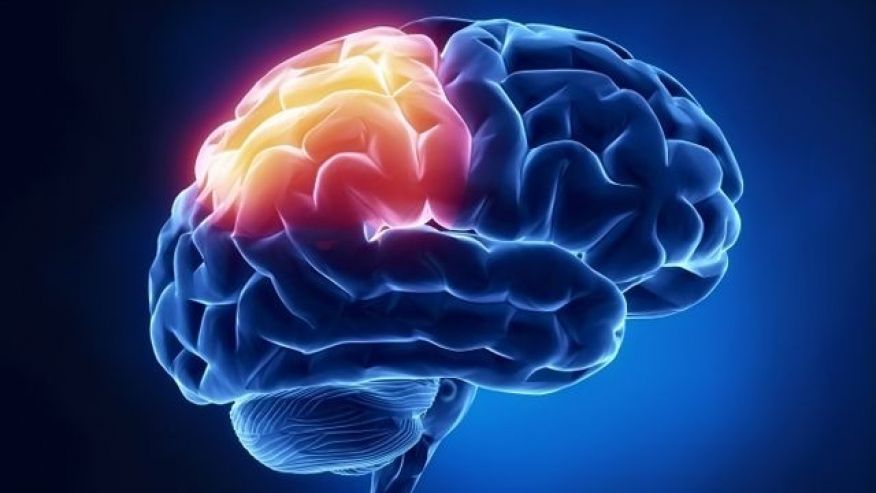
From our basic understanding of the purpose and functioning of the brains reward system in the previous postings, we can interrogate it a little bit further in several ways. The circuit most associated with pleasure and reward is the mesolimbic pathway which is located in the brainstem. The objective of this area of the brain is primarily concerned with basic survival. Within the mesolimbic pathway is an area called the ventral tegmental area (VTA). The VTA projects to the nucleus accumbens (thought to be the reward center). The neurotransmitter most commonly linked with the mesolimbic system is dopamine. Many people consider dopamine to be the driving force behind the human pursuit of pleasure. The release of dopamine is a pleasurable sensation. The release of dopamine motivates us to repeat behaviors or activities that prompted this release. This system’s purpose was to promote survival by rewarding life sustaining behaviors such eating and procreation.

All addictive drugs and activities release varying amounts of dopamine into the nucleus accumbens with stimulant drugs like cocaine and methamphetamine releasing the most. However when it comes to drugs like alcohol or heroin, the brain’s own opiate system (endorphins) also gets involved. Doctor Akoury further says that even though different forms of addictions have different effects in the nucleus accumbens, they share one common denominator that they all activate the reward system which in turn motivates us to repeat those behaviors, even though they may be harmful. Besides what we have discussed about the concepts of reward, pleasure, and craving together, it is however very important to appreciate that there is a distinction between pleasure-seeking and drug seeking. Note that pleasure-seeking is all about the pleasurable, rewarding aspect of addiction while drug-seeking refer to the craving aspect of addiction. Dopamine may be more involved in drug-seeking (craving) component of addiction. The opiate (endorphin), GABA, or glutamatergic systems may be more involved in pleasure-seeking aspect of addiction too.

Pleasure-seeking and drug-seeking (cravings) are inter-related, yet distinct. Research has established that natural rewards (food, water, sex) typically lessen their influence on the reward system over time. As a behavior occurs more often, dopamine levels tend to decrease in the process. Psychologists call this habituation. This makes sense. Once you’ve eaten enough food, you don’t need to be rewarded for eating more food. Then you would be eating too much, or too much of one type of food. Therefore everyone needs to take heed of keeping the brain free from all attacks be it from substances or otherwise. Talking to the experts at AWAREmed Health and Wellness Resource Center under the able leadership of doctor Dalal Akoury should be your starting point. Call and make that appointment today for the commencement of your journey to full recovery from your addiction.

Mesolimbic pathway and drug seeking: Drug cravings to the brain

http://www.awaremednetwork.com/


Facebooktwitterpinterestlinkedin
sex addiction

Brain hypothalamus area and stress

Brain hypothalamus area

Brain hypothalamus area and stress. When the brain needs to be protected the most

Brain hypothalamus area and stress: Regulating stress and withdrawal

One of the areas of the brain that can easily be affected by effects of substance abuse is the brain hypothalamus area. This is the part of the brain that is responsible for several duties including controlling of the body temperature, hunger, thirst, and sleep. Owing to these functions, the hypothalamus is equally playing a key role in how we respond to stress. According to the experts at AWAREmed Health and Wellness Resource Center which is one of the leading pioneers in natural and holistic addiction treatment, we cannot effectively talk about addiction without the mention one stress. Doctor Dalal Akoury MD and also the founder of this facility agree that stress regulation is highly relevant to our understanding of addiction. And that is why we want to explore further into details the effects of addiction on the brain hypothalamus area even as we also look the stress regulation and withdrawal.

Because of that, it is important to note that when an individual experiences stress, the hypothalamus releases chemicals known as hormones. It is these hormones that allows’ the brain and the body to respond to that stress. Unlike neurotransmitters (which are chemicals limited to the brain) hormones travel throughout the body via the blood system. It therefore means that hormones can exert an effect on other body systems as well. When these chemical hormones operate in the brain, we refer to them as neuromodulators. These hormones (neuromodulators) can act just like neurotransmitters in the brain. Like neurotransmitters, they have their own receptors associated with them.

Brain hypothalamus area and stress: How stress motives relapse

From our studies, it is obvious that stress is a well-known relapse trigger to all users of drugs. It capable of prompt powerful cravings in addicted persons I can therefore say almost with certainty that majority of us in one way or another have come across someone who struggled with an addiction and tried to quitting but ultimately relapsed when they became stressed out. Doctor Akoury says that under normal circumstances, at the beginning periods of recovery withdrawal symptoms often create stress and the vicious cycle continues. It is however very important to appreciate that stress will always prompts the addictive use, while efforts to discontinue use prompt stress. During withdrawal, these stress hormones are elevated. Even though stress levels are high, the brain’s anti-stress neuromodulators appear to decrease, as do dopamine and serotonin in the nucleus accumbens. This suggests that withdrawal affected the reward system (evidenced by decreasing dopamine and serotonin). At the same time, withdrawal activates the stress and anxiety systems. This “1-2 punch” heightens the negative experience of withdrawal. This prompts people to seek relief via the addictive substance or activity (i.e., relapse).

In summary, the neurotransmitter pathways associated with the amygdala and the hypothalamus play a crucial role in sustaining the addiction process and this occurs thorough:

  • The negative emotional memory that is associated with drug withdrawal
  • The positive emotional memory that is associated with drug cues
  • The disruption that occurs to stress regulation
  • The pleasurable relief from withdrawal symptoms that occurs by resuming drug use or addictive activities

Finally, since we cannot talk about addiction without mentioning stress, it becomes important that the two need to be addressed professionally and that is where doctor Dalal Akoury and her team of experts from AWAREmed Health and Wellness Resource Center comes in. if you are struggling with this, you can schedule for an appointment today with doctor Akoury for the commencement of your treatment.

Brain hypothalamus area and stress: Regulating stress and withdrawal

Facebooktwitterpinterestlinkedin