Category Archives: Act Now

gut-neurotransmitters

Stopping brain damage from addiction consequences
Stopping brain damage

Stopping brain damage from addiction consequences is very essential for good health

Stopping brain damage from addiction consequences: The pathological activity

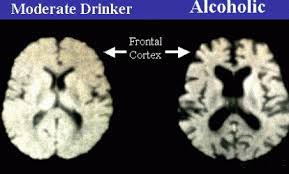
Did you know that drugs are the major cause of the death of the brain cells? The brain is one of the most sensitive organs in any human body where everything starts and ends. Death is always registered the moment ones brain stops functioning. Therefore we all have a duty of keeping the good health of the brain primarily by stopping brain damage from the consequences of drug abuse. To do this, we are going to be consulting with doctor Dalal Akoury MD, to help us in the unlocking some of the sensitive things that we must do to keep the proper functionality of the brain. And in line with that, experts at AWAREmed Health and Wellness Resource Center under the able leadership of doctor Dalal Akoury, are registering that, drug abuse could be the worst cause of damage to the brain.

Stopping brain damage from addiction consequences: Prognosis of recovery

As we progress into the discussion, it is worth noting that the degree of the brain damage from drug abuse is always defined by the prognosis of recovery. Sometimes unfavorable changes in the brain of a drug addict are so much overwhelming that they are not even able to realize the problem let alone the need for treatment. And even if they are, the deformed psyche, expressed in loss of willpower, doesn’t allow them to complete the treatment and refrain from using the drugs. Nonetheless such situations often come to the extreme cases. Besides that under normal circumstances addiction often creates a center of addiction in the brain, or so-called a generator of pathological activity for drug craving.

To illustrate this, let us take an example of a condition we are all familiar with that of epilepsy. This disease is characterized by periodically recurrent seizure syndrome and when a small portion of the brain cells (it can be quite small in size), figuratively speaking, “going crazy”. From time to time they reach the level of excitation which covers the whole brain. As a result, a person loses consciousness, falls down, the total muscle spasms make him convulse. When he comes regains his consciousness, he doesn’t remember what happened to him. Medically these “haywire” cells are called the generator of pathological activity. Now the connection is that about the same generator is formed in case of a drug addiction. However in this case the generator is that of attraction to drugs, self-excitation of which with different periodicity may also cover the entire brain and cause an uncontrollable, overpowering desire to take drugs thereafter. The activity of the generator leads to a constant, obsessive thoughts about drugs. Without treatment, this generator can persist for years, even if the person does not use the drugs during that time. Along with the formation of the generator of attraction to drugs, there is another type of brain damage from drug abuse, to the nervous system of a drug addict.

Another reason why stopping brain damage from drug abuse is necessary is because the regular drug poisoning leads to severe changes in metabolism in the cells of the nervous system and especially in brain cells. These cells contain neurotransmitters which are the active substances whose presence in the inter-neuron synapses provides the transmission of electrical impulses to effectuate the functions of all kinds of nervous activities, including the higher nervous activity of a man’s mind, emotions, feelings, willpower, and so on. Doctor Akoury reiterates that the constant presence of the outer psycho active chemical substances badly affects the processes of neuro-transmission in the brain. .

It’s fair to say, that shortly after the “fix”, the deficit of neurotransmitters in an addict’s brain temporarily shifts back to “normal”, and the victim feels better for a while. However, with each subsequent dose of narcotic, the further infringements in neurotransmitter systems of the brain ultimately become more and more profound.

Stopping brain damage from addiction consequences: The pathological activity

http://www.awaremednetwork.com/

Facebooktwitterpinterestlinkedin
Crashing addiction

Drug withdrawal unpleasant sensations

Drug withdrawal

Drug withdrawal unpleasant sensations. In all this remember that acupuncture treatment therapy will bring restoration to the brain functions

Drug withdrawal unpleasant sensations: Excessive units of dopamine

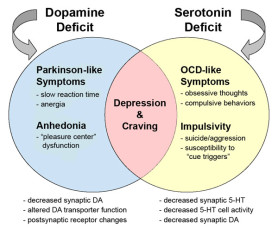
During the withdrawal the most unpleasant drug withdrawal sensations are connected with abrupt plummet of content of neurotransmitters in the brain. For instance, the dopamine content due to severe lack of transmitters can’t be utilized in time and may exceed the normal level few times. The excessive amount of dopamine is a real poison to the brain. Drug withdrawal and in particular the opiate withdrawal can be very disruptive irrespective of whether the effect is mental or physical. It may last from few days to a few weeks. You can get more information about opiate (Heroin, Methadone) withdrawal by scheduling for an appointment with doctor Dalal Akoury MD today and she will be more than willing to help you find answers to all your questions today.

It is further important to note that during withdrawal some time will lapse and within a few days the level of neurotransmitters will gradually returns to normal even though this may not be completely done, but all the same the symptoms of drug withdrawal subsides. Besides that another danger will come in handy waiting for the patient. This is commonly known as “dry withdrawal”.  After some time, when seemingly all is over, sometimes without any reason, but mostly after the stress, the balance of neurotransmitters breaks down again. At this point the patient starts re-experiencing some mental discomfort, nervousness, sleep disorders, hot-and-cold flashes and aggravated attraction to drugs.

Drug withdrawal unpleasant sensations: Drug addiction fluctuation courses

Drug addiction, like many other chronic diseases, is characterized by fluctuating course, with alternate “ups and downs”. Most of the failures happen exactly on the peaks of these “ups”. That is why all drugs have the toxic effects and damages the body’s cells. This damage causes some element of pain in an individual and to fight this pain the victim will have to take more drugs further causing addiction to that substance and the situation to becomes a vicious circle: that is to say, the higher dose of drugs the more pain they cause, the more pain the more need to take the higher dose. As a result, the euphoric effect of the drugs, which was so attractive at the beginning, quickly disappears and leaves an addict to continue taking the drug just to avoid the pain and let him somehow to function “normally”.

Finally from the discussion we have seen that drug addiction is a very complex disease, which is fixed in many levels of the organism. Simple and quick methods, such as coding or isolated psychotherapy are absolutely inactive. To this doctor Akoury says that professionally drug addiction requires a serious multi-stage treatment at all levels and that will be very helpful in correcting the brain damage from drug abuse effectively.

Drug withdrawal unpleasant sensations: Excessive units of dopamine

http://www.integrativeaddictionconference.com/wp-admin 


Facebooktwitterpinterestlinkedin
stop drinking

Treating multiple drug addiction cases

Treating multiple drug addiction

Treating multiple drug addiction cases. Drug addiction may be the highway to temporal solution, but the consequences can be life threatening

Treating multiple drug addiction cases: The toxic effects of multiple addiction

Multiple drug addiction will always occur when the elements of addiction is more than one at any given time. Meaning that any two or more psychoactive substances at a time causes what is referred to us multiple of addiction. Even though there is no particular pattern by which multiple addiction may occur, from experience there can be various combinations of drugs from different classes that when put together will cause multiple of drug addiction. The most frequent drugs combinations that necessitates treating multiple drug addiction includes: heroin and cocaine; cocaine and alcohol; heroin and MMDA (ecstasy); heroin and THC (marijuana); alcohol, amphetamines, MMDA and THC; benzodiazepines usually take part in every combination. With all these combinations you can only ask yourself that do we have solutions in treating multiple drug addiction cases. That is what we want to address in this article to help you be well equipped with the right skills in handling multiple addiction.

Speaking to the experts at AWAREmed Health and Wellness Resource Center an addiction health center under the able leadership of doctor Dalal Akoury (MD), it is evident that the addictiveness of narcotic properties alongside toxic effects of these substances are on the rise. The pathological attraction to drugs has reached the point of paranoia. The processes of physical and mental degradation are often accelerated several times. It is therefore important to note that with multiple drug addiction, detrimental health consequences will become irreversible after 3-4 years of drug abuse meaning that if you are going through this complication, then it is time for you to seek for help immediately from the house of the experts at AWAREmed Health and Wellness Resource Center today.

Treating multiple drug addiction cases: Combination of alcohol and cocaine

The most common and highly dangerous version of multiple drug addiction currently is a combination of alcohol and cocaine. This combination of Cocaine and alcohol creates a highly toxic chemical called Coca-ethylene the only known example of creating a third drug following the ingestion of two others. Coca-ethylene’s powerful euphoric effects help to explain the increasing attraction of combining alcohol and cocaine. The combined use of alcohol and cocaine can produce a sense of increased and prolonged euphoria, compared with the use of either substance isolated. However, Coca-ethylene has not only a pronounced euphoric effect but also possesses the life-threatening properties. It is not only toxic for liver, but it is also blamed for heart attacks and in a surge of social problems. Many who consider themselves social users for whom a line or two of cocaine coupled with a few drinks in a bar is a weekly or monthly event – don’t consider the health implications of drug addiction. Its side-effects threaten to become tragically familiar as they take their toll on users.

Finally cocaine-related deaths are also increasing in the US and according to the US National Household Drug Survey, it is estimates that around five million people use alcohol and cocaine each month. The ability of cocaine users to consume vast amounts of alcohol is being blamed for an increase in sexually risky behavior among the young and rising levels of violence. This is one reason why you should consider scheduling for an appointment with doctor Dalal Akoury for a much more professional care an all matters relating to drug addiction.

Treating multiple drug addiction cases: The toxic effects of multiple addiction

http://www.integrativeaddictionconference.com/wp-admin

Facebooktwitterpinterestlinkedin
Brain and addiction

Speedball combination of heroin and cocaine

Speedball combination

Speedball combination of heroin and cocaine. Remember that the brain vulnerability to drug infections is real

Speedball combination of heroin and cocaine: Treating the toxic effects of multiple addiction

When addressing the problems relating to multiple addiction, it will certainly be incomplete if speedball combination is not addressed. Doctor Dalal Akoury MD and founder of AWAREmed Health and Wellness Resource Center says that the other wide spread drug combination is certainly the Speedball. As a matter of fact this happens when heroin and cocaine are taken together intravenously in the same syringe or by insulation. Originally the term Speedball was applied only to combination of heroin and cocaine. Nowadays it also can be applied to mixture of any opioids with amphetamines and bezodiazepines. The idea of Speedball is the use of stimulant (Cocaine) and depressant (Heroin) at a time.

Speedball combination of heroin and cocaine: Avoidance of negative side effects of drugs

Combination of “upper” and “downer” is meant to reach the more intense rush of euphoria and the same time to alleviate the negative side-effects of both drugs such as an excessive anxiety and depression. Avoidance the sedative effect of heroin is the most frequent cause of appeal to Speedball. Two substances with opposite effects cause a state of mediator chaos in user’s brain.  Incoherence, confusion, drowsiness, blurred vision, motor skills dysfunction, uncontrolled behavior, paranoid delusions, hallucinations, excessive arousal are the typical symptoms of speedball intoxication.

There are two main groups of complications from using the Speedball. The first one comes from cardiovascular toxic effects of Cocaine: irregular heartbeat, blood hypertension, vascular constriction which often result in heart attack/ heart arrest, brain hemorrhage or ischemic stroke. The second one comes from pharmacodynamics of the drugs. The effects of cocaine wear off far faster than those of heroin. Uncovered, isolated effects of heroin may result in severe respiratory depression which is a life threatening condition.

Speedball combination of heroin and cocaine: Physical dependence

This cocktail of drugs creates a strong physical dependence with all classical symptoms of heroin deprivation (nervousness, sickness, sever muscle pain, vomiting, diarrhea, sweating and etc.) strengthened by symptoms of cocaine withdrawal (insomnia, paranoia, anxiety, restlessness and etc.), lasting even in the case of medical assistance no less than two weeks. Finally by now you must be well conversant with the dangers of drug addiction and you can just imagine that not just one but two or more of the drugs are wreaking havoc in your life in the name of multiple drug addiction. That is why this article was pointing out some of the collaborations drug users can make to even add more problems to their health. Even though multiple cases of drug addiction are increasing daily, this problem can be treated effectively. Therefore if you are struggling with addiction of any kind, be it multiple or otherwise, you can call doctor Dalal Akoury today and book an appointment with her and you will never regret having done so.

Speedball combination of heroin and cocaine: Treating the toxic effects of multiple addiction

http://www.awaremednetwork.com/


Facebooktwitterpinterestlinkedin
Dopamine Rush

Neurotransmitter role in drug addiction

Neurotransmitter role

Neurotransmitter role in drug addiction includes the treatment of cancer related pain

Neurotransmitter role in drug addiction: Risk and reward that trigger for the release of dopamine

Dopamine is neurotransmitter in the brain that plays vital roles in a variety of different behaviors. The major behaviors dopamine affects are movement, cognition, pleasure, and motivation. Dopamine is an essential component of the basal ganglia motor loop, as well as the neurotransmitter responsible for controlling the exchange of information from one brain area to another. However, it is the role that dopamine plays in pleasure and motivation that attracts the most neurobiologists attention. And that is why our discussion is focusing on dopamine the neurotransmitter role in drug addiction in this article. We would appreciate if you can stay with us on the link so that together we can learn and take action where necessary in order to defeat addiction. Nonetheless for a better understanding of this topic, we are going to be relying on the expert opinion of doctor Dalal Akoury (MD) who is also the founder of AWAREmed Health and Wellness Resource Center. This is a facility that she founded primarily to make a difference in the life of people who are suffering from the various forms of drug addiction which is very rampant in the current societies we live in.

For better understanding of this point doctor Dalal Akoury says that in certain areas of the brain when dopamine is released it gives one the feeling of pleasure or satisfaction. These feelings of satisfaction become desired, and the person will grow a desire for the satisfaction. To satisfy that desire the person will repeat behaviors that cause the release of dopamine. For example food and sex release dopamine. That is why people want food even though their body does not need it and why people sometimes need sex. These two behaviors scientifically make sense since the body needs food to survive, and humans need to have sex to allow the race to survive. However, other, less natural behaviors have the same effect on one’s dopamine levels, and at times can even be more powerful. Often these behaviors can result in addiction due to their effect on dopamine, and that addiction can have negative effects on a person’s well-being.

Neurotransmitter role in drug addiction: Cocaine

Cocaine is by far more severe in relation to other substances in terms of addiction. Cocaine chemically inhibits the natural dopamine cycle. Normally, after dopamine is released, it is recycled back into a dopamine transmitting neuron. However, cocaine binds to the dopamine, and does not allow it to be recycled. Thus there is a buildup of dopamine, and it floods certain neural areas. The flood ends after about 30 minutes, and the person is left yearning to feel as he or she once did. That is how the addiction begins and with time adaptation builds up due to the fact that the person is consistently behaving in the same way that he or she had the first time. However, the individual cannot, because dopamine is also released when something pleasurable yet unexpected occurs. During the first time, the person expects the effect, thus less dopamine is released, and the experience is less satisfying. This cause explains why gambling releases dopamine.

Many studies have been done which targeted neural response to rewards. The findings were in agreement that when one performed an action repeatedly, and is given a reward randomly, the dopamine levels rises. If the reward is administered for example every four times the action was performed, the dopamine levels remained constant. Whereas when no reward is given dopamine levels dropped. These random rewards can be seen in gambling and since the outcome is based on chance, one may not know prior if he or she will win. Therefore, if he or she wins, dopamine levels increases. However, unlike cocaine, gambling causes addiction in relatively low levels of participants. This is because Cocaine’s chemical input is much more influential on dopamine levels than gambling’s behavioral input meaning that only people whose dopamine levels are low, become addicted to gambling. This may sound technical and complicated, but a phone call to doctor Dalal Akoury will make it much easier for you if only you can schedule for that appointment today.

Neurotransmitter role in drug addiction: Risk and reward that trigger for the release of dopamine

http://regenerativepotential.com/wp-admin


Facebooktwitterpinterestlinkedin