Category Archives: Act Now

drug addiction treatment

Specific nutritional imbalances caused by drug addiction

Specific nutritional imbalances

Specific nutritional imbalances caused by drug addiction and alcoholism are a common threat to life and good health

Specific nutritional imbalances caused by drug addiction: Opiates

The specific nutritional imbalances caused by drug addiction can really frustrate your health in many ways. Opiates for example is a very strong stimulant that impacts negatively in an individual’s life. From experts opinion, doctor Dalal Akoury MD, explains that the family of opiates which includes codeine, oxycontin, heroin, and morphine will impact negatively on the gastrointestinal system and besides that constipation is a very common symptom of abuse with diarrhea, nausea and vomiting being some of the major symptoms which in many cases will lead to the deficiencies of nutrients and an imbalance of electrolytes such as sodium, potassium, and chloride. Doctor Akoury is reporting that even though the impact may not be pleasing to the body, the good news is that feeding on a balance diet will go a long way in reducing the effects of these symptoms.

Specific nutritional imbalances caused by drug addiction: Alcohol

In the past articles, we have dwelt much on the effects of alcoholism on human health and even in this case alcohol abuse is also considered as one of the major causes of nutritional deficiency in most states globally. The most common deficiencies are of pyridoxine (vitamin B6), thiamine, and folic acid. A lack of these nutrients causes anemia and nervous system neurologic problems. Korsakoff’s syndrome “wet brain” occurs when heavy alcohol use causes a lack of enough thiamine. Besides that alcohol intoxication will also cause damages in two major organs that are responsible for metabolism and nutrition: the liver and the pancreas. The liver is responsible for the removal of toxins from harmful substances while the pancreas regulates the blood sugar and the absorption of fat. With these vital functions it therefore means that any damage caused to these two organs will automatically results in an imbalance of fluids, calories, protein, and electrolytes. Apart from what is already mentioned other complications may include: diabetes, high blood pressure, permanent liver damage (or cirrhosis), seizures, severe malnutrition and shortened life expectancy

Specific nutritional imbalances caused by drug addiction: Stimulant

Stimulant use (such as crack, cocaine, and methamphetamine) reduces appetite, and leads to weight loss and poor nutrition. Abusers of these drugs may stay up for days at a time. They may be dehydrated and have electrolyte imbalances during these episodes. Returning to a normal diet can be hard if a person has lost a lot of weight. Memory problems, which may be permanent, are a complication of long-term stimulant use.

Finally from the discussion above it is now clear that nutrition imbalance is a major factor in drug addiction recovery and efforts must be made to have this problem fixed professionally. We must therefore pool together in order to keep healthy and if you are wondering on where to start from, the wonder no more because doctor Dalal Akoury realizing the difficulties people were going through made a passionate decision to create a medical center whose main objective is to transform each individual’s life through increasing awareness about health and wellness and by empowering individuals to find their own inner healing power. Dr. Akoury’s practice focuses on personalized medicine through healthy lifestyle choices that deal with primary prevention and underlying causes instead of patching up symptoms. This is the place of professionalism and all you need to do on your part is to call her on telephone number 843 213 1480 to schedule for an appointment that will have all your problems relating to addiction and nutrition professionally fixed.

Specific nutritional imbalances caused by drug addiction: Opiates

http://www.I-AM-I.com/wp-admin


Facebooktwitterpinterestlinkedin
stop-drinking-alcohol1

Nutritional imbalances resulting from drug addiction

Nutritional imbalances

Nutritional imbalances resulting from drug addiction can also lead to serious health problems if not addressed timely

Nutritional imbalances resulting from drug addiction: Diet and drug addiction conflicts

The energy that keeps the body functioning normally comes from food we eat. It therefore means that the quality of this food stuff must be above board. In other words, every meal we take should be loaded with adequate nutrients and we must also learn to balance the diet so that the body is not just feed on one element of nutrient. This is very important and everybody needs to embrace it by all standards if we want to remain healthy. However as we endeavor to do good to our body by feeding it with good and well balanced diet, these efforts could be watered down if we in cooperate certain harmful substances in the body. That is what we want to understand in this article even as we address the nutritional imbalances resulting from drug addiction.

Professionally doctor Dalal Akoury (MD) who is a veteran specialist in addiction says that ideally the body of any living thing needs to be kept in perfect health for it to discharge it duties effectively. Even though good nutrition is very instrumental in keeping the body in good shape, it is not the only element that is needed to do this enormous task in the body. The body will also need to be active by indulging in reasonable physical activities among other necessities.

According to the experts at AWAREmed Health and Wellness Resource Center, a health institution primarily formulated by doctor Dalal Akoury to make a difference in the lives of people struggling with addiction, drug addiction impacts negatively in the lives of people and it causes a lot of nutritional imbalances in the process. This is what we want to interrogate even as we move towards finding lasting solutions that will deal permanently with the scourge of drug addiction in our societies. Doctor Akoury is very categorical that the body needs sufficient nutrients to dispense energy that will enable it to propel the daily activities however deficiency of these vital nutrients in the body is likely to have serious consequences more in the life of those using drugs. And that now brings us to the question “how does the substance abuse cause harm to the body?” continue reading as we progress into the discussion.

Nutritional imbalances resulting from drug addiction: Harmful effects of substance abuse on the body

Without the knowledge of how drug addiction harms the body we may not be able to fight the problem from its roots. In that respect, doctor Akoury reports that substance abuse is capable of harming the body in two major ways which may include: the substance itself affecting the body and it can also cause negative lifestyle changes including irregular eating and poor diet. Like for instance the infants whose parents were alcoholic or abusing certain drugs, such infants are exposed to alcohol and those other substances their parents were using even when they are still in the womb and the consequences of that is that they will often have physical and mental problems as they grow up.

Alcohol will affects the growth of such babies at the connection point which is by crossing the placenta. And in most cases after birth, the baby may have withdrawal symptoms. The mother’s poor nutrition while she is drinking can harm the baby’s growth and development while still in the womb. And remember that even recovery from substance abuse can also affects the body in many other ways, including metabolism processing energy, organ function, and mental well-being. Proper nutrition may help the healing process. Nutrients supply the body with energy. They provide substances to build and maintain healthy organs and fight off infection. We’re going to continue with this discussion while looking at the specific impacts different drugs have on nutrition and healthy living, in the meantime, you can schedule for an appointment with doctor Akoury to help you have a deeper understanding of the health implications associated with the nutritional imbalances resulting from drug abuse.

Nutritional imbalances resulting from drug addiction: Diet and drug addiction conflicts

http://www.integrativeaddictionconference.com/wp-admin

Facebooktwitterpinterestlinkedin
Addiction Recovery

Exploring nutritional therapy in addiction recovery

Exploring nutritional therapy

Exploring nutritional therapy in addiction recovery by way of making healthy lifestyle choices

Exploring nutritional therapy in addiction recovery: Weight management and eating disorders

With the disturbing increase rate of drug addiction, it is becoming clearer that this problem needs to be fought from all angles.  And as we do this, the level of professionalism in dealing with this scourge must never be compromised. That is why according to the experts at AWAREmed Health and Wellness Resource Center under the able leadership of doctor Dalal Akoury MD, all the problems that are associated with weight management are a common nutritional concern which are also related to substance abuse. In the same way while exploring nutritional therapy in addiction recovery, all the detoxification programs are commonly seen to be leading to weight gain, as addicts who are being taken through the process often turn to food instead of their drugs of choice.

Exploring nutritional therapy in addiction recovery: Biochemical changes

Besides that biochemical changes also result in increased appetite and a preference for highly palatable foods, and confusion in hunger/fullness cues arise. However, for some, weight gain is important due to significant protein-energy malnutrition and low BMI as a result of substance use. Doctor Akoury is raising concern that increased consumption of lots of calories and weight if not managed properly can lead to other devastating health complications including obesity, diabetes, hypertension and cardiovascular disease, therefore it is very important that professionals in this discipline should monitor and counsel patients on healthful eating and weight management and that is what doctor Akoury and her team of experts at AWAREmed Health and Wellness Resource Center are doing relentlessly in giving their contribution towards fighting the scourge of addiction from our systems.

While in treatment, most patients reduce their levels of exercise either due to lack of time, the program structure, or lack of motivation. Increased abnormal liver tests are common in re-feeding among hospitalized drug addicts, which is theorized to be caused by a lack of exercise and increase in weight. According to a study conducted by the Journal of the American Dietetic Association, it was established that the daily weight change had a significant positive correlation with changes in serum alanine transaminase or aspartate aminotransferase concentrations from admission to discharge. Experts can therefore help in monitoring weight gain and laboratory results primarily to identify patient goals for achieving or maintaining a healthy weight. They can also work with professionals including the families and relatives of the victims to develop exercise programs during and after treatment that can help to level patients’ liver enzymes and manage their weight.

Doctor Akoury is of the opinion that with the high prevalence of eating disorders in the substance abuse population, care must be taken in making recommendations for weight management to ensure they aren’t too restrictive and weight gain or loss is monitored and steady. It is a point of great concern that up to 72% of women who are below 30 years of age and are struggling with alcoholism have eating disorder problems and besides that, other substances such as cocaine are associated with a higher prevalence of eating disorders, it is therefore very important that careful attention and precautions be taken when working with these populations, and for effectiveness in finding lasting solutions over this problem, even as you walk through the path of exploring nutritional therapy, consulting with doctor Dalal Akoury over this would be very necessary for you and your loved ones.

Exploring nutritional therapy in addiction recovery: Weight management and eating disorders

http://regenerativepotential.com/wp-admin


Facebooktwitterpinterestlinkedin
smoking

Substance abuse eradication through nutritional therapy

Substance abuse eradication

Substance abuse eradication through nutritional therapy
will help you get your life back prohressively

Substance abuse eradication through nutritional therapy: Objectivity in dealing with addiction

From the available statistics, it is evident that the complications relating to drugs addiction are not likely to go away anytime soon. It therefore means that we need to up our sleeves into bringing this ghost of addiction to manageable levels. In doing so, no stone must not be left unturned and everyone must be brought on board for the treatment operations to be meaningfully successful. For that reason, AWAREmed Health and Wellness Resource Center under the able leadership of doctor Dalal Akoury MD, and a veteran addiction expert of several decades is going to share with us in depth about substance abuse eradication through nutritional therapy tailored into eliminating this vice from our societies. This is very important not just to the direct victims of substance abuse but even to their loved ones who are equally affected even if it is indirectly. We are therefore going to concentrate on the pharmacotherapy in this article and progress into weight management in the next article which you really don’t want to miss.

Substance abuse eradication through nutritional therapy: Pharmacotherapy

Pharmacotherapy is a common component of addiction treatment. While exploring good nutritional therapy for substance abuse eradication, it is important to note that these medications are intended to improve mood stability and recovery success and to assist with any medical or mental health problems resulting from or co-occurring with detoxification. When exploring this working with experts is very important because they can help in the management of any nutritional implications of these medications says doctor Dalal Akoury.

According to the experts at AWAREmed Health and Wellness Resource Center, medication-assisted treatment for substance abuse has been effective for alcohol and opioid dependence immensely. It’s important for dietitians to be familiar with these common medications, because the side effects may influence patients’ nutritional status. Alongside that, dietitians need to be cautious when recommending supplementation in this population due to addicts’ quick-fix mindset and already-taxed bodies. Taking cognizance that a damaged liver may not be able to correctly process certain supplements, and the supplements may ultimately have a negative impact on liver health. And that not with-standing, according to a study conducted by the National Institutes of Health it was suggested that a common over-the-counter herbal supplement, N-acetylcysteine, can reduce the cravings of cocaine and heroin addicts and possibly alcoholics during withdrawal.

Finally Naltrexone (ReVia, Vivitrol, Depade), disulfiram (Antabuse), and acamprosate calcium (Campral) are used to treat alcoholism. Naltrexone, which also has been used with opiate and narcotic dependence, may cause anorexia, weight loss, nausea, and vomiting. Disulfiram may cause nausea and vomiting, and if patients ingest alcohol, they will become very ill. Therefore, care must be taken to ensure that all traces of alcohol are eliminated from patients’ diets, including any that may be used in recipes. Acamprosate calcium may cause an increase in appetite, increased weight, and taste changes. Dietitians should take note of these side effects and work with patients to identify ways to promote adequate nutritional intake. With all these worthy points about exploring nutritional therapy for substance abuse eradication, if you still have any area of concern that you need to be clarified, you can schedule for an appointment with doctor Dalal Akoury for a one on one professional touch today and you will never be the same again there-after.

Substance abuse eradication through nutritional therapy: Objectivity in dealing with addiction

http://www.awaremednetwork.com/ 


Facebooktwitterpinterestlinkedin
Why medical detox is necessary to addicts

Good neurotransmitters and moods for addiction healing

Good Neurotransmitters

Good Neurotransmitters and moods for addiction healing as away of containing substance abuse

Good neurotransmitters and moods for addiction healing: Feeding on good nutrition

In the process of seeking for solutions when it comes to overcoming drug addiction, people often go for very big things, big rehabilitation institutions and expensive and elaborate addiction professionals. I certainly don’t have any problem with that for it is very much in order since the most important thing is the reclaiming of one’s health and freedom from the scourge of addiction. However what many may not know or if they do, then they don’t care about is the avenue of nutrition as a tool of fighting and eliminating all sorts of addictions you may be privy to. For quite a while now we have been posting articles touching on the use of healthy nutrition in the fight against substance abuse and we are not about to stop. We want all of us to have the knowledge so that the work of dealing with drug addiction can be made easier and much lighter to both the direct and indirect victims. From the expert’s point of view, correcting addiction by good neurotransmitters and moods is one very important avenue available for containing the problem.

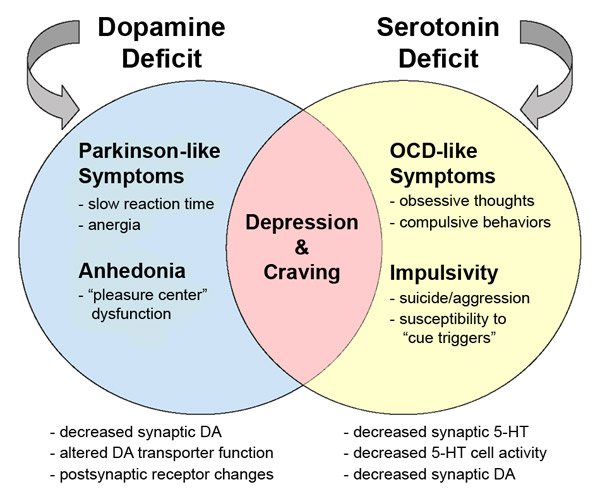
According to doctor Dalal Akoury (MD) a well-respected expert in addiction, it is important to note that psychoactive substances may lead to psychiatric problems because in many cases the substances can have toxic effects on brain chemistry. She adds that before detoxification is done, neurotransmitters are reduced due to poor nutrition which then alters the amino acid absorption and utilization. The implication of this is that the victims (addicts) are left feeling depressed, agitated and unregulated early in recovery. From the various studies conducted so far, it is believed that these imbalances will disappear over a couple of weeks but then again, they may also last as long as one year after an addict becomes sober further necessitating normalizing neurotransmitters and moods for the perfection in addiction healing process.

Good neurotransmitters and moods for addiction healing: Moods and behavior abnormalities

As we progress into the discussion, it is worth noting that for some, moods and behavior abnormalities may have been present before the substance abuse. With proper diagnosis of any possible underlying mental health disorders, a healthy diet and education on how nutrition influences mood and brain chemistry, recovery can be enhanced. An understanding of how food affects mood and the risk of substance abuse begins with macronutrients. And with carbohydrates being the body’s main source of energy it therefore means that without this macronutrient, the brain can’t function properly, blood sugar becomes unstable, and neurotransmitters become disrupted. Unstable blood sugar can lead to feelings of frustration, anxiety, and cravings. You can however avoid this by scheduling for an appointment with doctor Dalal Akoury today for a more professional input that will help you effectively in the normalizing neurotransmitters and moods for addiction healing.

Good neurotransmitters and moods for addiction healing: Feeding on good nutrition

http://www.integrativeaddictionconference.com/wp-admin 


Facebooktwitterpinterestlinkedin