Category Archives: Act Now

drug-abuse

Addiction treatment doctrines
Addiction treatment doctrines

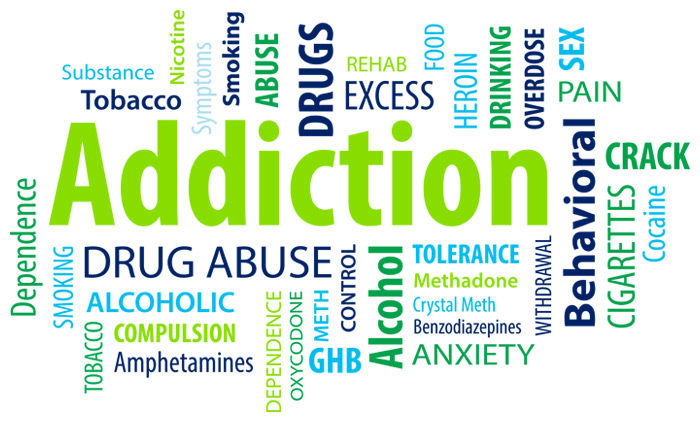
Addiction treatment doctrines are essential whether it is done as inpatient or outpatient

Addiction treatment doctrines: The addicted brain treatment solution

When addressing the brain addiction treatment doctrines, it will necessitate the application of a tailored treatment that addresses multiple needs of the patient. Experts at AWAREmed health and wellness resource center under the leadership of doctor Dalal Akoury MD are in agreement that any effective treatment must address the multiple needs of the individual, not just their drug addictions. The other needs may include the individual’s drug abuse and any related medical, psychological, social, vocational, and legal problems.

Addiction treatment doctrines: Assessment and mental disorders

An individual’s treatment and services plan must be assessed continually and modified as necessary to ensure that it meets his or her changing needs. A patient may require varying combinations of services and treatment components during the course of treatment and recovery. In addition to counseling or psychotherapy, a patient may require medication, medical services, family therapy, parenting instruction, vocational rehabilitation, or social and legal services. For many patients, a continuing care approach provides the best results, with the treatment intensity varying according to a person’s changing needs. It is also important noting that many drug addicts also suffers mental disorders. Therefore, patients presenting one condition, experts will also assess for the other(s) possible complication. And when these problems co-occur, treatment should address both (or all), including the use of medications as appropriate.

Detoxification

Medically assisted detoxification is only the first stage of addiction treatment and by itself does little to change long-term drug abuse. Although medically assisted detoxification can safely manage the acute physical symptoms of withdrawal and, for some, can pave the way for effective long-term addiction treatment, detoxification alone is rarely sufficient to help addicted individuals achieve long-term abstinence. Thus, patients should be encouraged to continue drug treatment following detoxification. Motivational enhancement and incentive strategies, begun at initial patient intake, can improve treatment engagement.

Monitoring

Drug use during treatment must be monitored continuously, as lapses during treatment do occur. Knowing their drug use is being monitored can be a powerful incentive for patients and can help them withstand urges to use drugs. Monitoring also provides an early indication of a return to drug use, signaling a possible need to adjust an individual’s treatment plan to better meet his or her needs.

Addiction treatment doctrines: Treatment Programs

Treatment programs should assess patients for the presence of HIV/AIDS, hepatitis B and C, tuberculosis, and other infectious diseases as well as provide targeted risk-reduction counseling to help patients modify or change behaviors that place them at risk of contracting or spreading infectious diseases. Typically, drug abuse treatment addresses some of the drug-related behaviors that put people at risk of infectious diseases. Targeted counseling specifically focused on reducing infectious disease risk can help patients further reduce or avoid substance-related and other high-risk behaviors. Counseling can also help those who are already infected to manage their illness.

Finally, these are just a few notable principals and treatment doctrines tailored at finding lasting solutions. Nonetheless, even as you take any of these avenues, it is still very important that you continually seek professional advice from the experts at AWAREmed Health and Wellness Resource Center for professional direction that focuses on Neuroendocrine Restoration (NER) to reinstate normality through realization of the oneness of Spirit, Mind, and Body, Unifying the threesome into ONE.

Addiction treatment doctrines: The addicted brain treatment solution

http://www.awaremednetwork.com/

Facebooktwitterpinterestlinkedin
Drunk young man resting head on bar counter

Addiction treatment principles

Addiction treatment principles

Addiction treatment principles that delivers solution timely are recommended

Addiction treatment principles: The brain

Even though drug addiction is a health condition that can easily be treated if the diagnosis is done early, many patients often fail to seek for treatment for various reasons. From the experts’ point of view, doctor Dalal Akoury MD President and founder of AWAREmed health and wellness resource center states that, this is the biggest obstacle in addressing this problem which affects the brain function and behavior by making alterations in the brain structures and functions resulting in changes running long after recovery from the drug addiction. And that further explain why recovering drug addicts are at risk for relapse even after long periods of abstinence and notwithstanding the potentially devastating consequences.

Addiction treatment principles: Complexity

Due to its complexity, there is no single treatment which is applicable to everyone. Amalgamating various treatment settings, interventions, and services to an individual’s specific problems and needs is critical to their eventual success in returning to productivity in the family, workplace, and to the society. Because of this, doctor Akoury created this facility to primarily help every individual’s life through increasing awareness about health and wellness and by empowering individuals to find their own inner healing power. Dr. Akoury’s practice focuses on personalized medicine through healthy lifestyle choices that deal with primary prevention and underlying causes instead of patching up symptoms. This is the place to be if you are struggling with any kind of addiction. You can schedule an appointment with her on telephone number 843 213 1480 at your convenient time.

Accessibility

Treatment should be accessible because an addict may not be keen about entering treatment, maximizing on the readily available services the moment people are ready for treatment is critical. Potential patients can be lost if treatment is not readily accessible. As with other chronic diseases, the earlier treatment is administered the better and the duration of treatment should depend on the individual’s needs and the level of their addiction. Ordinarily, such treatments require at least 3 months in treatment to significantly reduce or stop their drug use however the best recovery is realized with longer durations of treatment. Recovery from drug addiction is often a long-term process and frequently requires multiple episodes of treatment. As with other chronic illnesses, relapses to drug abuse can occur and should signal a need for treatment to be reinstated or adjusted. Because individuals often leave treatment prematurely, programs should include strategies to engage and keep patients in treatment.

Counseling and medication

Individual or group counseling and other behavioral therapies are the most commonly used forms of drug abuse treatment. Behavioral therapies vary in their focus and may involve addressing a patient’s motivation to change, providing incentives for abstinence, building skills to resist drug use, and replacing drug-using activities with constructive and rewarding activities that improve solution finding skills by facilitating better interpersonal relationships. Besides counseling, medications is also an important element of treatment for many patients, especially when combined with counseling and other behavioral therapies. For example, methadone and buprenorphine are effective in helping heroin addicts or other opioids stabilize their lives and reduce their illicit drug use. Naltrexone is also an effective medication for some opioid-addicted individuals and some patients with alcohol dependence and must never be ignored each time addiction treatment principles is addressed.

Addiction treatment principles: The brain

http://regenerativepotential.com/wp-admin

Facebooktwitterpinterestlinkedin
Autoimmune diseases no more

Correcting overweight problems

Correcting overweight problems

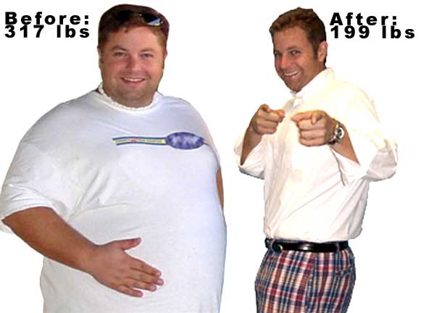
Correcting overweight problems needs a lot of discipline in your exercise and healthy feeding habits.

Correcting overweight problems: Healthy eating plan

Correcting overweight complications begins with developing a healthy eating plan to supply your body with the essential nutrients it needs every day and by ensuring just enough calories for good health, while being careful not to overdo it that may lead to weight gain. This is essential and according to doctor Dalal Akoury MD President and founder of AWAREmed health and wellness resource center, a healthy eating plan should be low in saturated fat, Tran’s fat, cholesterol, sodium (salt), and added sugar. Following a healthy eating plan will lower your risk for heart disease and other conditions. Healthy foods include:

  • Fat-free and low-fat dairy products, such as low-fat yogurt, cheese, and milk.
  • Protein foods like lean meat, fish, and poultry without skin, beans, and peas.
  • Whole-grain foods, such as whole-wheat bread, oatmeal, and brown rice. Other grain foods include pasta, cereal, bagels, bread, tortillas, couscous, and crackers.
  • Fruits, which can be fresh, canned, frozen, or dried.
  • Vegetables, which can be fresh, canned (without salt), frozen, or dried.

Canola and olive oils, soft margarine made from these oils, are heart healthy. However, they should be used in smaller units because they’re rich in calories.

You also consider adding unsalted nuts, like walnuts and almonds in your diet provided that you limit the amount you eat (nuts also are high in calories).

Correcting overweight problems: Food limit

Foods that are high in saturated and Tran’s fats and cholesterol raises blood cholesterol levels and also may be rich in calories. Fats and cholesterol raise your risk for heart disease, so they should be limited, saturated fat is found mainly in:

  • Fatty cuts of meat, such as ground beef, sausage, and processed meats like bologna, hot dogs, and deli meats.
  • Poultry meat without the skin
  • High-fat dairy products like whole milk cheeses, whole milk, cream, butter, and ice cream
  • Lard, coconut, and palm oils, which are found in many processed foods

Tran’s fat is found mainly in:

  • Foods with partly hydrogenated oils like many hard portions of margarine and shortening
  • Baked products and snack foods like crackers, cookies, doughnuts, and bread
  • Foods fried in hydrogenated shortenings like French fries and chicken

Cholesterol mainly is found in:

  • Egg yolks
  • Organ meats like the liver
  • Whole milk or whole milk products like butter, cream, and cheese

Avoiding foods and drinks containing added sugars, like high-fructose corn syrup, is very necessary. Added sugars will give you extra calories without nutrients like vitamins and minerals. They (added sugars) are found in many desserts, canned fruit packed in syrup, fruit drinks, and no diet drinks.

Correcting overweight problems: Portion size

A portion is the quantity of food you choose to eat for a meal or snack. It’s different from a serving, which is a measured amount of food and is noted on the Nutrition Facts label on food packages. Anyone who has eaten out lately is likely to notice how big the portions are. Reducing the portion size is a good way to eat fewer calories and balance your energy IN.

Finally what you eat and how you eat can be the cause of your weight problem and this could be complicated if you don’t know that the food you eat is really the reasons for your problem and that is why doctor Akoury created AWAREmed Health and Wellness Resource Center to help people make a difference in their lives. You may want to consider calling on her for more professional direction.

Correcting overweight problems: Healthy eating plan

http://regenerativepotential.com/wp-admin

Facebooktwitterpinterestlinkedin
losing-weight

Treating overweight and obesity

Treating overweight

Treating overweight and obesity depends mostly on your lifestyle. Healthy diet and exercise are essential ingredients

Treating overweight and obesity: Complication management

Because being obese can be life threatening, experts are very categorical that treating overweight and obese conditions must be prioritized. And according to the experts at AWAREmed health and wellness resource center under the leadership of doctor Dalal Akoury, MD this can be done in various ways including setting goals and making lifestyle changes, like eating fewer calories and being physically active. Other treatment methods available are medicines and weight-loss surgery for people who may feel that lifestyle changes aren’t enough.

Setting realistic goals

Setting realistic weight-loss goals is an important first step to losing weight. The choice of goals may not be standard. Adults and children choices may be different. We now want to look at the two segment of adults and teens goals respectively.

Goals for Adults

  • An adult should try losing between 5 to 10 percent of their current weight over 6 months. This will lower their risk for coronary heart disease (CHD) and other conditions.
  • The best way to lose weight is gradual. A weight loss of 1 to 2 pounds a week is practical, safe, and will help you keep off the weight. It will also give you the time to make new, healthy lifestyle changes.
  • In the event that you’ve lost say 10 percent of your body weight and have consistently maintained it off for 6 months if after this progress you are still overweight or obese then you may want to consider further weight loss.

Goals for Children and Teens

  • Parents should take the lead role in this and keep monitoring the progress. If your child is overweight or has a high risk of being overweight or obesity, the goal is to maintain their current weight and to focus on healthy feeding and being physically active. To help young ones the whole family should make effort to embrace positive lifestyle changes.
  • If your child is overweight or obese and has a health complication related to overweight or obesity, your doctor may refer you to a pediatric obesity treatment center for further examinations and treatment.

Lifestyle changes

Lifestyle changes can help you and your family achieves long-term weight-loss success by:

  • Focusing on balancing energy received in the body (calories from food and drinks) with energy the body gives out (physical activity)
  • Following a healthy eating plan
  • Learning how to embrace healthy lifestyle habits

Over time, these changes will become a routine in your everyday life which is very good for weight loss.

Treating overweight and obesity: Calories

By reducing the rate of calories intake (i.e. energy in) will be very helpful in weight loss. It is important to note that for an adult to lose 1 to 2 pounds a week they should reduce their calories intake by 500-1000 calories a day. In general, having 1,000 to 1,200 calories a day will help most women lose weight safely while for men it will be 1200 to 1600 calories a day to be effective for proper weight loss. This calorie range for men is also suitable for women who weigh 165 pounds or more or who exercise routinely. This figure can only be achieved with a real commitment which in many cases is lacking. If this describes your situation, you may want to schedule an appointment with doctor Akoury for further professional direction.

Treating overweight and obesity: Complication management

http://www.awaremednetwork.com/

Facebooktwitterpinterestlinkedin
Obesity and exercise

Life frightening illnesses relating to obesity

Life frightening illnesses

Life frightening illnesses relating to obesity can attack at any stage in life

Life frightening illnesses relating to obesity: Interventions to obesity

Because of the life frightening illnesses associated with being obese and overweight, experts at AWAREmed health and wellness resource center under the leadership of doctor Dalal Akoury MD are united in finding lasting solutions professionally. To that effect, the time for intervention is now and all of us including healthcare providers like nurses have a duty to help in edging obese people to adopt changes to promote a healthier lifestyle with the main objective being the sustainability of life changes through modification of diet, physical activities and use of community supports.

Life frightening illnesses relating to obesity: Safe weight loss strategies

  • Older persons present special challenges when making changes in diet and activity levels. In patients over 65, the increase in chronic diseases associated with aging reduces physical activity and exercise capacity, making it more difficult for elderly persons to lose weight.
  • Widowhood, loneliness, isolation, and depression are other factors that need to be addressed during weight-loss programs.
  • Participation in these programs by family members, as well as the caregiver(s), is especially important if the older person’s vision and hearing are impaired or if there is cognitive impairment.
  • Appropriate nutritional counseling through referral to a registered dietitian is necessary to ensure that the older adult’s daily nutritional requirements are met during weight-loss programs.
  • The benefits and risks of weight reduction in older adults should be carefully considered.
  • Loss of lean body mass, which is already diminished in older adults, may not be appropriate in persons over 65 years of age because the loss of fat-free mass in older adults is associated with significant morbidity and mortality.
  • A weight loss program that minimizes muscle and bone loss is necessary for the older adults who are obese and have functional impairments or metabolic complications that might be improved by weight loss.
  • Improving physical function and helping to preserve muscle and bone mass through regular physical exercise is important for older adults who are obese.
  • Increasing flexibility, endurance, and strength should be the objective of regular exercise in older adults who are obese.

Finally, to ensuring that the life of our old people well cares for the use of professionals who are well conversant with obesity is very important all the way. Together we have a duty to help patients and especially the older obese people to manage their weight along with general considerations to facilitate weight loss safely. Doctor Akoury is one of the most trusted and respected healthcare professionals who also the founded AWAREmed Health and Wellness Resource Center, she is committed to helping people globally in all matters of overweight and obesity in the most natural way and putting emphasis on Neuroendocrine Restoration (NER) to reinstate normality through realization of the oneness of Spirit, Mind, and Body, Unifying the threesome into ONE. It is, therefore, time for you to take the lead role in combating the obesity epidemic in our societies today and kick out this problem from our neighborhood by scheduling an appointment with her now for the commencement of your recovery process.

Life frightening illnesses relating to obesity: Interventions to obesity

http://regenerativepotential.com/wp-admin

Facebooktwitterpinterestlinkedin