Tag Archives: Polysubstance abuse

The truth about withdrawal from Heroin Addiction

The truth about withdrawal from Heroin Addiction: Quitting Heroin Addiction is Possible
The truth about withdrawal from Heroin Addiction

The truth about withdrawal from Heroin Addiction is very essential if we are to defeat this problem of addiction

If there is anything users should have done like yesterday, is to stop their habit of substance abuse. The little euphoric moments are just for a moment but the repercussions are for a life time if one does not quit. If you were to be given an opportunity to choose between life and death in your sober state of life and at your very best moments in your life calendar, what would you go for? Would you opt for life or death? You have the liberty to make that choice but I strongly believe that you will settle for life like I will too. Therefore in this article, we want to look at some of the truth about withdrawal from heroin addiction to help you be ready to face any challenges that may come with your noble choice of quitting. To help us get the facts right, we are going to be talking to the experts at AWAREmed Health and Wellness Resource Center a heath facility formulated by doctor Dalal Akoury primarily to offer lasting solutions to all drug addicts across the globe among other health complication matters.

Actually there is no secrete concerning the truth about withdrawal from heroin addiction because much has been written about “cold turkey” and the huge trauma of getting a heroin addict off the drug. Doctor Akoury acknowledges that withdrawal can be very difficult, but she is also very quick to register strongly that it is only difficult but not impossible. It therefore means that when there is the willingness and determination, freedom from drug addiction can be realized with a very short time. She says that at AWAREmed Health and Wellness Resource Center up on scheduling for an appointment, her team of experience experts will in the most professional way help you to first come to terms with this disturbing condition. They will also work very closely with your loved ones because in this journey everyone is a victim with just small differences in the intensity. Elements like “Clucking” or “cold turkey” is characterized by unpleasant symptoms such as sold sweats, nausea, confusion and intense craving and those are some of the areas that we will help you cope with. Nonetheless it is also very important to note that some of these symptoms are not necessarily physically dangerous.

The truth about withdrawal from Heroin Addiction: The genesis of Effects of Withdrawal

When you have enrolled for treatment our team of experts will evaluate your individual conditions to determine the degree or the magnitude of the problem before commencement of a tailored treatment designed specifically to address the root cause of your individual addiction problem. This will help significantly in fast trucking the recovery process. We are determined to getting you back on your feet and pick up the pieces of your life back and live it to the fullest. And as this treatment process gain momentum, it is equally important to appreciate that the withdrawal effects are likely to start around eight to twenty four hours after the last dose. This will be accompanied with some symptoms similar to flu aches, chills and sweating, sneezing, yawning and muscular spasms. These effects take a week or two to subside but feeling of weakness and loss of well-being can last months. Psychological dependence can be even harder to overcome than physical dependence. As a possible candidate for treatment, it is very important that you are well informed of these challenges and contain with them because they form part of the withdrawal process. If you are not adequately informed, these can lead you into losing the treatment momentum.

The truth about withdrawal from Heroin Addiction: Real treatment obstacles

Despite all this treatment side shows, very many patients have successfully come off high doses of heroin without medication or massive withdrawal symptoms like for instance this has been particularly common in some rehab units run as Christian foundations across the globe. Many factors are involved, not least of all mental state. For example, a heroin user who injects regularly may experience a “hit” even if he or she is injecting medical saline (salty water) so long as the person believes it to be heroin. This so-called placebo effect can be very powerful.

When dealing with heroin addiction, a lot more is involved besides the real object and target the heroin. Many users have gotten so much into the habit that they tend to be so much attached or let me say that they have fallen in love with the needle and the act of injecting themselves. When an addict gets to the position where they take this habit as a hobby, withdrawal is quite a challenge. I know of one patient whom I will name Mr. H, he is such a thin man in his late thirties and a father of three very handsome boys. For a couple of years he lived alone in a government flat and he has used heroin for very many years besides injecting so many other drugs including crush tablets and anything that comes his way. His love for the syringe causes him to sleeps at night cuddling his syringe, holding it in his hand on the pillow by his head. To him, the needle is a symbol of comfort and a source of happiness and hope. That is a serious problem and he is not alone. This gives us even greater challenge to pool together, educate the world on the truth about withdrawal from heroin addiction and all other drugs. The society is grieving and you and I must step up the spirit of defeating this menace. And even as Mr. H is changing the game in that manner, for many others the ritual of passing the needle has a meaning, they see it as a sign of belonging, of being a part of the club something that unite them, can you see the danger? The syringe being used as a bonding factor! Oh what a life? That aside the good news is that much of that is changing in this post-AIDS world. And even though a lot more still needs to be done, most injectors are now using their own equipment, replenished from government funded needle exchanges a practice that is being appreciated by many both as individuals and institutions.

Finally the luck of knowledge is a very bad disease, if you are reading this right now, be an ambassador of change and share what you now know with a friend and better still schedule for an appointment with the experts at AWAREmed Health and Wellness Resource Center and get the best treatment that will restore your life back for prosperity.

The truth about withdrawal from Heroin Addiction: Quitting Heroin Addiction is Possible


Facebooktwitterpinterestlinkedin

Polysubstance Abuse, You can fight Polysubstance Abuse

Fighting Polysubstance Abuse – Drug Addiction

Polysubstance abuse

Fighting polysubstance abuse- the war on drugs must be worn at all cost. Indulgence in polysubstance abuse is not helping fight the war.

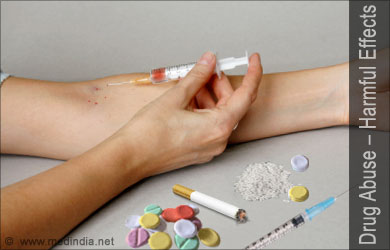
We are living in a world where people want to explore all things even those things that are dangerous to their lives. Take for example drugs, there are substances which are not just harmful to one’s life but are life threatening and fatal. You would therefore wonder why someone would want to take this kind of adventure. I am not trying to confuse you here but I am talking about what is known as polysubstance abuse which is defined as the use of more than three groups of addictive substances over a period of one year. This normally happens when a person indulges in acts of abusing several substances within a short period of time, often in an attempt to enhance the effect of a single drug to create a more intense high. We can therefore conclude that polysubstance abuse is where no single substance is identified as the user’s drug of choice.

Some combination drug users have “patterned” use. These include:

  • Alcoholics who for example use will cocaine only after they’ve reached a certain state of intoxication meaning that they don’t overuse.
  • Addicts who speed ball that is to say that they are mixing cocaine and heroin for intravenous use and other combinations.
  • There is another polysubstance subgroup, consisting mostly of adults already addicted to alcohol. After an injury or surgery, they were placed on opiate medications and developed a pain syndrome over time. They then mixed substances or switched to opiates as their drug of choice.

Polysubstance Abuse among Different Populations

Adult polysubstance abuse, according to literature, is often associated with other mental health conditions. Homelessness, personality disorders, and psychiatric disorders such as major depression, psychosis, and bipolar disorder are common. The overlap of polysubstance dependence and psychiatric problems points to a lot of self-medication. Typically, among multiple substance users, individuals used alcohol or marijuana at an early age and then added other substances (or changed their drugs of choice) without quitting their original substances.

  • Among young people, polysubstance abuse is often the norm, and not the exception. The most commonly abused polysubstance by adolescents are marijuana, alcohol, and heroin. Other drugs used include MDMA (ecstasy), dextromethorphan, multiple forms of opiates, cocaine, hallucinogens, and inhalants.
  • A 2004 study of young people reported that one-half had used an illicit street drug by the end of their senior year. Two million young people need treatment for alcohol and drug addiction, but only 8 percent actually get it. Nearly one-third of young people addicted to psycho-stimulants also suffered from attention deficit hyperactivity disorder (ADHD), and 20 percent said they gave their medications to others.
  • One treatment facility said that 33 percent of the adolescents currently in treatment had polysubstance addiction.
  • The elderly are another population that clearly has a problem with polysubstance abuse.
  • Older people have more medical conditions that often require prescriptions. Over time with debilitating illnesses such as Alzheimer’s disease the tendency to over medicate (taking more of a drug, more often, forgetting when and if medication was already taken) increases the likelihood of polysubstance abuse. Combined with alcohol, the results can be devastating, even fatal.
  • Elderly women tend to keep their substance abuse and chemical dependency secret. Alcoholism occurs later in women’s lives, perhaps due to problems associated with divorce or separation. Women who are over 55 have less tolerance for alcohol and are therefore more prone to addiction. They are also less likely than men to seek treatment and also use prescribed psychoactive drugs.
  • Polysubstance abuse is increasingly prevalent among the street drug user population. Different substances abused include heroin, prescription opioids, benzodiazepines, cocaine, crack, alcohol, and marijuana.

Detoxification for Polysubstance Abuse and Addiction

Before treatment to address underlying causes of polysubstance addiction, detoxification must first be done. Detox is more complex and problematic with polysubstance addiction for several reasons. An accurate history of total substances abused must be obtained, and the patient may not be able or willing to provide complete details. Determination of the actual substance being used has to be made using screens for breath, urine, and/or blood.

  • Some patients can be treated on an outpatient basis, but others, particularly those with alcohol, sedative, hypnotic, opioid, and anxiolytic abuse may require hospitalization or inpatient detox. Repeated abstinence failures or severe anxiety, depression, or psychotic symptoms lasting 1 to 3 days after abstinence may also require inpatient substance abuse treatment.
  • After patients admitted for detox for opioids began to show classic alcohol withdrawal symptoms, some treatment professionals opted to routinely treat their detox patients with thiamine until a determination could be made that there was no history of alcohol use.
  • Diagnosis and treatment of patients who have been on psychotropic medications while they were already addicted is more difficult.
  • If a patient doesn’t know, or is unable to discuss, use of opioid drugs and it’s been days since their last drug use, opiate withdrawal symptoms can lag. Urine screens my not be able to detect the drug.
  • Treatment for mixed addiction that also includes alcohol use may include benzodiazepines during the acute phase of alcohol withdrawal. Benzodiazepines can help decrease tremors and prevent or reduce increases in heart rate and blood pressure.
  • Medication to treat symptoms of diarrhea or muscle aches may also be prescribed. Folic acid, thiamine, and Vitamin B-12 may counteract vitamin deficiencies.

Evaluation Factors

The length of the treatment program is determined by how long and what type of substance dependence the patient has, whether or not organ damage exists, any underlying mental illness, the patient’s desire to change and willingness to undergo treatment, adequacy of the patient’s social support system, treatment choice, and plans for ongoing care.

Treatment after Detox

After drug use patterns and substances have been identified, a thorough psychological evaluation is necessary. There needs to be enough time for detox, history evaluation, and a thorough understanding of any psychiatric conditions that exist.

Although there are many different aspects of treatment, they generally include four phases.

The acute phase – this is where the focus is on alleviating symptoms or physiological withdrawal. This typically lasts 3 to 5 days, but is dependent on the number, type, and length of substances abused.

The abstinence period – this phase concentrates on changing the patient’s behavior which is usually about one month

The early remission phase – follows and can last up to 12 months. The sustained remission phase lasts as long as the patient refrains from alcohol or substance use and no longer exhibits any of the criteria for polysubstance abuse.

Treatment during early remission may involve education on the physical, emotional, and psychological aspects of addiction and recovery. The patient learns to identify stressors and triggers that cause drug use. They learn ways to manage those stressors and also build up coping skills. They can also undergo assertiveness training and relaxation techniques.

Polysubstance Addiction – Is There Hope?

Fighting polysubstance abuse is more difficult than abuse of a single substance, but it can be successful. The likelihood of success depends on the individual’s determination and discipline to follow through on the requirements to abstain completely from substance abuse. Such determination and discipline does not come easily, especially for hard-core or long-term abusers and addicts. There may be repeated relapses before stability becomes a part of the recovering addict’s life. After treatment, recovery from polysubstance abuse and addiction just like for any addiction requires ongoing diligence and participation in a support network. While understanding the difficulty involved in treatment and recovery of this nature doctor Dalal Akoury established AWAREmed Health and Wellness Resource Center facility to help in the treatment of all kinds of addiction. Doctor Akoury cares for you and she is riding on more than two decades of experience. Calling on doctor Akoury will benefits you since she will attend to you in the most natural way by focusing on Neuroendocrine Restoration (NER) to reinstate normality through realization of the oneness of Spirit, Mind, and Body, Unifying the threesome into ONE

Fighting Polysubstance Abuse – Drug Addiction


Facebooktwitterpinterestlinkedin