Tag Archives: mental disorder

The Philosophies of Drug Addiction Treatment

The Philosophies of Drug Addiction Treatment: Addressing some of the pertinent concerns

The Philosophies of Drug Addiction Treatment

The Philosophies of Drug Addiction Treatment includes all known remedies of treating all the chronic conditions related to substance abuse

A lot has been said about drug addiction in terms of creating awareness and offering solutions to the ever increasing problem globally. And even though several efforts to contain this problem are underway, a lot more needs to be done. In our effort is dealing with this problem, we have chosen to continually inform the public through this plat form and other media about the magnitude of the problem we have found our self in all in the name of drug addiction. In particular, we want to focus on the philosophies or drug addiction treatment and respond to some of your concerns in the most direct and professional way says doctor Dalal Akoury MD and also the founder of AWAREmed Health and Wellness Resource Center which is one of the leading pioneers in natural and holistic addiction treatment. We have aligned several questions which when all are responded to, then you will be well equipped with all the necessary tools you need to defeat drug addiction says doctor Akoury. Meanwhile as we get into the discussion you may want to talk to doctor Akoury for more insight on matters relating to substance abuse, the opportunity is available and you can schedule for an appointment with her anytime of your choice.

The Philosophies of Drug Addiction Treatment: Is there a difference between physical dependence and addiction?

In response to this concern the answer is definitely yes. Drug addiction or compulsive drug use despite harmful consequences that comes with it, it is also characterized by helplessness and difficulty in quitting the use of the drugs in question; failure to meet work obligations and set deadlines, social responsibilities and family obligations; and occasionally and depending on the drug tolerance and withdrawal. The latter is a bit sensitive as it reflects on physical dependence in which the body familiarizes with the drug thereby demanding for more of it to achieve a certain effect of tolerance and eliciting drug-specific physical or mental symptoms if drug use is abruptly terminated (withdrawal). This is about drug addiction and on the other hand physical dependence is different in the sense that it can happen with the chronic use of many drugs including many prescription drugs even when taken as instructed by the physician.

It therefore means that, physical dependence alone does not constitute addiction however it is an accompaniment of addiction. This distinction can be difficult to differentiate, particularly with prescribed pain medications, for which the need for increasing dosages can represent tolerance or a worsening underlying problem, as opposed to the beginning of abuse or addiction.

The Philosophies of Drug Addiction Treatment: How do other mental disorders coexisting with drug addiction affect drug addiction treatment?

Doctor Akoury says that drug addiction is not just a chronic problem but one which affects the brain quite frequently alongside other mental disorders. The magnitude of this problem is evident according to the available statistics that in every 10 people struggling with drug addiction, 6 will also be suffering from another mental illness and the same is replicated for users of licit drugs like tobacco and alcohol.

For these individuals, one condition becomes more difficult to treat successfully as an additional condition is intertwined. Thus, people entering treatment either for a substance use disorder or for another mental disorder should be assessed for the co-occurrence of the other condition. Research indicates that treating both (or multiple) illnesses simultaneously in an integrated fashion is generally the best treatment approach for these patients.

The Philosophies of Drug Addiction Treatment: Is the use of medications like methadone and buprenorphine simply replacing one addiction with another?

No. Buprenorphine and methadone are prescribed or administered under monitored, controlled conditions and are safe and effective for treating opioid addiction when used as directed. They are administered orally or sublingually (i.e., under the tongue) in specified doses, and their effects differ from those of heroin and other abused opioids.

Heroin, for example, is often injected, snorted, or smoked, causing an almost immediate “rush,” or brief period of intense euphoria, that wears off quickly and ends in a “crash.” The individual then experiences an intense craving to use the drug again and again to stop the crash and reinstate the euphoria.

The cycle of euphoria, crash, and craving sometimes is repeated several times in a single day is a hallmark of addiction and results in severe behavioral disruption. These characteristics result from heroin’s rapid onset and short duration of action in the brain.

In contrast, methadone and buprenorphine have gradual onsets of action and produce stable levels of the drug in the brain. The good news about this is that, patients maintained on these medications do not experience a rush, while they also significantly reduce their desire to use opioids.

If an individual treated with these medications tries to take an opioid such as heroin, the euphoric effects are usually dampened or suppressed. Patients undergoing maintenance treatment do not experience the physiological or behavioral abnormalities from rapid fluctuations in drug levels associated with heroin use. Maintenance treatments save lives they help to stabilize individuals, allowing treatment of their medical, psychological, and other problems so they can contribute effectively as members of families and of society.

The Philosophies of Drug Addiction Treatment: The role in drug addiction treatment process

Exercise is increasingly becoming a component of many treatment programs and has proven effective, when combined with cognitive-behavioral therapy, at helping people quit smoking. Exercise may exert beneficial effects by addressing psychosocial and physiological needs that nicotine replacement alone does not, by reducing negative feelings and stress, and by helping prevent weight gain following cessation.

The Philosophies of Drug Addiction Treatment: The effects of drug addiction treatment in reducing the spread of HIV/AIDS, Hepatitis C (HCV), and other infectious diseases

There is no doubt that those individuals who are abusing drugs either through injection or other means are increasingly risking their life for human immunodeficiency virus (HIV), hepatitis C virus (HCV), and other infectious diseases. Since these diseases are transmitted by sharing contaminated drug injection equipment and by engaging in risky sexual behavior sometimes associated with drug use. Effective drug abuse treatment will result in HIV/HCV prevention by reducing risky activities that can spread the disease like sharing injection equipment and engaging in unprotected sexual activity.

Finally the discussion we have heard in this article about the philosophies of drug addiction treatment is not the end of the problem of drug addiction, but just an opportunity we have given to you so that you are aware of some relevant information in containing the bigger problem. Even with this knowledge, it is still very important that you get to involve the services of a professional when it comes to matters relating to drug addiction. This is very important because no individual can go through the process of addiction recovery alone. Therefore you can use this opportunity to schedule for an appointment with doctor Akoury for assistance.

The Philosophies of Drug Addiction Treatment: Addressing some of the pertinent concerns


Facebooktwitterpinterestlinkedin

Stem Cell Treatment for Autism Spectrum Disorders

Stem Cell Treatment for Autism Spectrum Disorders

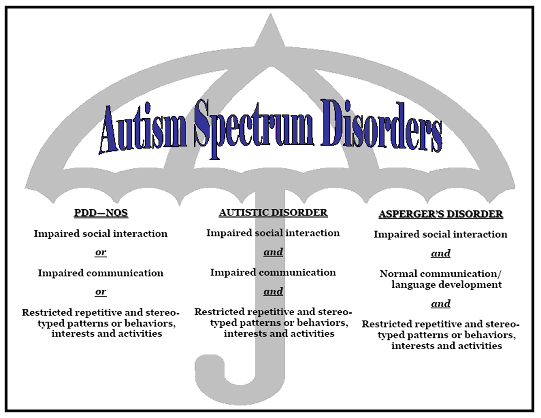
The medicinal properties of the stem cells have seen it being used for treatment of myriad ailments or as therapy for many diseases that are not even treatable. for the cases of these diseases that are not treatable the stem cell therapy helps to alleviate on the dangerous symptoms of the diseases and offer comfort as well as lengthen the lives of those who are victims of these diseases. needless the stem cell therapy has become a crucial component of regenerative medicine with many researchers still working around the subject to find out how its applicability can be useful in treating lifestyle diseases that have become a problem to this generation and many generations to come. The stem cell therapy has been proposed as an effective therapy in cases of autism. Autism spectrum disorders are complex neurodevelopmental disorders. This term refers to a heterogeneous group of varied conditions characterized by dysfunctions in social interactions, skills, and communication, restricted interests, and repetitive stereotypic verbal and non-verbal behaviors, influencing the ability to relate to others. Cognitive, emotional and neurobehavioral abnormalities characterize the core symptoms. The prevalence of these disorders has dramatically increased in the last years, with present rates of 1 in every 88 children aged 8 years in the United States, according to Centers for Disease Control.

Autism Spectrum Disorders

Autism Spectrum Disorders are presumed to be a lifelong disability with multiple impacts on child and adult health. Without a doubt, adult autistic individuals show limited independence because of their learning disability. Adult patients of autism spectrum disorders experience problems in communication. They are not able to read and write well. They’ve got poor comprehension of whatever they read. Apart from impaired communication, they also exhibit stereotyped behaviors and restricted interests. The children affected require special and intensive parental, school, and social support without which coping with the condition may become a nightmare. Autism Spectrum Disorders results in a substantial impact not only on the person’s quality of life but also that of their family. Autism Spectrum Disorders patients are not very easy to take care of, apart from their impaired social behavior, the cost of caring for them is so high. It is estimated that the cost of caring for a single person suffering from Autism Spectrum Disorders for a life time is $3.2 million, therefore this disease by all means is a global problem that should be prioritized and fought from all fronts.

Though the most salient symptoms of these diseases is seen in the cognitive, emotional and neurobehavioral abnormalities, Autism Spectrum Disorders are also characterized by a broad range of biochemical, toxicological and immune involvement, including oxidative stress, endoplasmic reticulum stress, decreased methylation capacity, limited production of glutathione, mitochondrial dysfunction, intestinal dysbiosis, increased toxic metal burden, and immune dysregulations including autoimmunity. Due to these complex problems there has never been any effective medication for autism spectrum disorders that has shown dependable level of efficacy. Today there are only few medications that are licensed by FDA for treating autism related disorders. Needless to emphasize these medications that are available in pharmacies such as anti-psychotics have failed to address the core symptoms of autism spectrum disorders. These medications are quite palliative and have potential adverse effects on the user. For this reason there are other alternative treatments of Autism Spectrum Disorders that have since surfaced. these may include; behavioral, nutritional, and biomedical approaches therefore this creates a vacuum that can be filled with effective therapies like the stem cell therapy but still there is need for more research that a better treatments for this disorder can be found. Despite medical technology advancements it is good to be blunt, Autism spectrum disorders are still untreatable pathologies. Mesenchymal stem cells possess the immunological properties which make them promising candidates as a novel therapeutic option but there is no single therapy that has been found that can treat autism spectrum disorders.

This is how stem cell therapy works for autism

Autism Spectrum DisordersAs mentioned earlier Stem cells are precursors of all cells and are capable of forming cells of other types hematopoietic, nervous and cardiovascular system, endocrine organs, bone, cartilage and muscle tissue. It is with this ability of stem cells to shift shape that it can be harnessed to help treat autism. Early animal studies have shown that stem cells isolated from umbilical cord blood can stimulate cells in the spinal cord to regrow their myelin layers, and in doing so help restore connections with surrounding cells. Autism is thought to result from impaired connectivity in the brain. Because of this, it is practical to apply this therapy on patients with autism spectrum disorders besides Mesenchymal stem cells can regulate the immune system. the mesenchymal stem cells can also help to reverse inflammatory conditions and perhaps this is why very many institutions in the US and across the globe have been doing trials on ability of the stem cells to treat even Cohn’s disease which is a condition resembling the gut inflammation in autistic children. Autism is a serious disease that should be prioritized by the public health stakeholders plus you also need information on how to leave with this disease, Visit us at AWAREmed Health and Wellness Resource Centre at Myrtle Beach, South Carolina. Dr. Dalal Akoury (MD) an expert in integrative and regenerative medicine will be able to help.

Stem Cell Treatment for Autism Spectrum Disorders


Facebooktwitterpinterestlinkedin

Fibromyalgia and NAD Treatment

Fibromyalgia and NAD Treatment

There is often a thin line between chronic fatigue and fibromyalgia. The two conditions exhibit almost the same symptoms. Many are the times when patients suffering from chronic fatigue syndrome have been diagnosed and treated for fibromyalgia.

So what is fibromyalgia? It is a health disorder that is often characterized by intense and widespread pain in the muscles. These pains are accompanied by other symptoms like increased fatigue, insomnia, mood swings and impaired memory and concentration levels. Studies show that the intense pains in patients with fibromyalgia is as a result of manipulation of the way pain signals are processed by the brain.

The symptoms of this disorder begin to manifest themselves after an individual has undergone a major stressful situation, physical trauma, infection or surgery. In some other cases the symptoms will continue building up over a period of time.

Contrary to many beliefs that fibromyalgia is a disease of the old folks, the condition can affect anybody from the young to the old. However, women are more at risk of developing the disease as compared to men. This is probably because women are more exposed to psychological stress than men.

Fibromyalgia

Most people who are diagnosed with the disease suffer from conditions such as temporomandibular joint disorders, anxiety, irritable bowel movements, headaches as well as depression. While fibromyalgia remains without a cure, the patients are given medications which aim at controlling the symptoms. Also some physiological measures such as relaxation, exercises and reducing the amount of stress you are exposed to also help ease the situation.

NAD Treatment for Fibromyalgia

Some of the symptoms of fibromyalgia are like those of chronic fatigue syndrome. NAD treatment is one that is used on patients suffering from this condition.

Basically we all need energy to survive. Every process in our bodies relies on energy and that is what keeps us healthy from circulation, breathing to even digestion. The mitochondria are responsible for generation of energy used by cells to perform their functions. Without this energy we are prone to diseases and medical conditions like chronic fatigue and fibromyalgia.

Nicotinamide adenine dinucleotide (NAD) refers to a molecule whose function is to react with the oxygen found in the mitochondria. This reaction creates energy that is used by the cells to help you in breathing, movement, food digestion, blood pumping and thinking.  In short, this energy is what enables to live your life as it is.

Studies show that lack of this molecule is what causes chronic fatigue, fibromyalgia, anxiety, depression, weakening of the immune system, impaired memory and decline in concentration levels, sleeping problems, muscle aches and weakness and even drug and alcohol addictions. Deficiency in this molecule is a cellular disease epidemic that may go undetected.

How Does NAD Works?

NAD is basically and active form of vitamin B3. NAD is converted into a co-enzyme that binds with hydrogen to become NADH. Hydrogen combines with oxygen in the body to generate energy. Naturally when hydrogen and oxygen react in their liquid forms they generate energy like in the case of hot air balloons. This same reaction takes place in the body.

However due to the explosive power of hydrogen, during NAD treatment it must be carefully inserted into the NAD molecule so that it can generate energy for the body without causing harm to the patient. NAD in this case acts as the hydrogen carrier before it reacts with the oxygen to become NADH.

The process of converting NAD into NADH undergoes through a cycle called Citric Acid Cycle. The fats, carbohydrates and proteins that we eat in our diet provide the necessary chemicals that enter into the cycle. At this point the NAD molecule becomes loaded with the hydrogen which enters into the mitochondria generating a reaction with oxygen that ends up generating energy.

Fibromyalgia

The energy produced by this reaction in the mitochondria is in form of ATP and also a bit of water. The ATP is what is used by the body to assist in blood pumping, contraction of muscles and also the energy that is required by billions of cells in the body.

It is clear how important energy is for normal body function. The energy produced is utilized by body organs like the heart and brain. When there is a deficiency in the energy production the brain is the first organ that is affected. This leads to decline in concentration, memory problems and reduced attention.

If incase this shortage of energy lasts a bit longer, the brain is unable to produce neurotransmitters such as dopamine, serotonin and noradrenaline which are useful in maintain consciousness. We thereby start experiencing depression, anxiety, moods swings and lack of sleep.  It is afterwards that the muscles begin to ache and fatigue creeps in because processes like blood pumping have reduced.

At AwareMed we believe in health and wellness and genera body health. Dr. Dalal Akoury will provide more information about this topic and more. Just visit www.awaremednetwork.com today and she will answer any questions you may have about Fibromyalgia and other health conditions.

Fibromyalgia and NAD Treatment

Related articles

Facebooktwitterpinterestlinkedin

Gut Inflammation Causing Your Mood Disorders?

Gut Inflammation Could Be the Source of Your Mood Disorders

As much as this may be shocking to some, it’s a proven medical fact that we all have to believe. There’s now a strong evidence showing the connection between our gut health, brain function and eventually our moods.

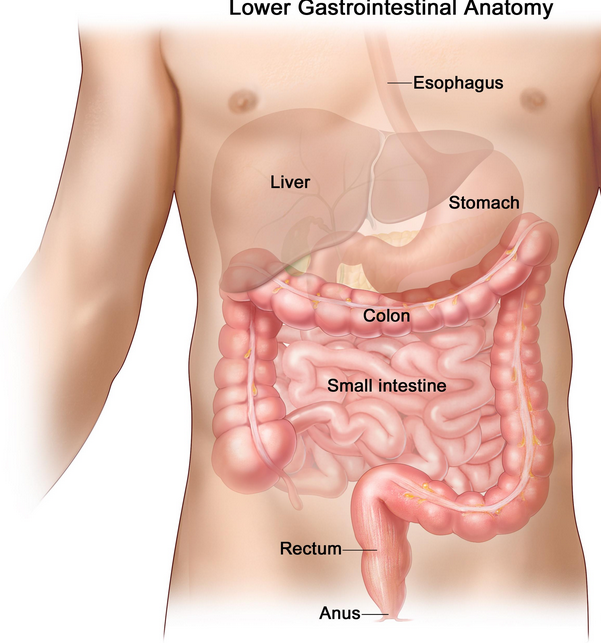
Like most people, I always believed that it’s only stress that can inflict much havoc with our digestive tract. However, as I later found out, problems in our gastrointestinal tract (commonly known as the GI tract) also stand a high chance of negatively impacting our brains and thus causing a lot of anxiety and depression.

Simply put, whatever goes on in your digestive tract has a lot of influence in the CNS-Central Nervous System, your neural circuitry and consequently stands a chance to influence on your behavior- which can be a positive or negative influence.

As revealed in the latest research, there’s for example, a link between how your digestive tract develops in the first few years of one’s life and his or her brain’s health. Subsequently, the influence can be seen later on in his or her future behaviors. The explanation for this hypothesis is based on the fact that a healthy gastrointestinal floral populace impacts positively on the neurons that are tasked with motor control and behavior. In fact, the research concludes that those with distinctly overwhelming population of these gut pathogens (or gut dysbiosis) stand a great chance to develop anxiety and depression in their later lives.

GI Tract Inflammation

Gut Inflammation and Mood Disorders

For deteriorating gut and intestinal health, a mechanism for the development of systemic inflammation and autoimmunity develops. This is a risky situation given the fact that both conditions of inflammation and autoimmunity have for long been linked with the birth of mood disorders.

As demonstrated in a different research, animal experiments in regards to inflammatory bowel disease proved that this disease had a strong adverse effect on the hypothalamus where it increases the sensitivity of the Hypothalamic Pituitary Adrenal Axis– the HPA, to stress. With all these, it’s only reasonable to affirm the intimate relationship that exist between brain function, gut health and mental health.

According another study on the inflammatory process and depression, addressing inflammation concerns in women who just had their first birth could go a long way in lowering or even prevent the harsh symptoms of post-delivery depression. The research also claims of a cause and effect relationship that exist between Intestinal permeability/GI inflammation and the pathogenesis of alcoholism.

It’s now quite an irrefutable fact that our microbial symbiotic gut inhabitants and ourselves-for which I mean the central nervous system, are in a constant communication through the GABA receptors present in the vagus nerve.

Could Chronic Inflammation result in Depression?

Research has shown that depression could be as a result of gastrointestinal inflammation. The research provides several in attesting to this as below:

  1. It’s a common knowledge that depressions are in most cases found alongside autoimmune diseases and gastrointestinal inflammations as well as with cardiovascular and neurodegenerative diseases, cancer and type-2-diabetes, all of which chronic low-grade inflammation is a noticeable contributing factor. As a conclusion, the researchers suggested that there’s a likelihood that depression is “neuropsychiatric manifestation of a chronic inflammatory syndrome”
  2. A dysfunction in the “gut-brain axis” is possibly the primary cause of inflammation as suggested by researchers. According to the researchers and other experts consulted during the research, the gut is literally a second brain- the same identical tissues making the brain during gestation, are the same found in the gut. The gut also has a large amount of serotonin neurotransmitter which plays a big role in mood control
  3. A good number of clinical studies conducted over time have shown that treatment of gastrointestinal inflammation by use of probiotics, vitamin D and B, and omega-3 fats could worsen the quality of life as well as depression symptoms by offsetting proinflammatory stimuli to the brain.

Free Advice: It’s of great help to understand that the bacteria in your gut form an active and integrated part of your body which essentially, heavily depend on the diet you use and are thus hugely affected by the lifestyle you lead. Too much processed foods and / or sweetened drinks impact negatively on the healthy microflora reducing their population. Sugars in general feed the bad bacteria in the gut and increase their population goes high and the end, systemic inflammation is promoted. Consequently, mood disorders creep in.

Probiotics and Their role in mood disorder

Going a step further in this discussion, could it be possible certain human strains of probiotics cause a therapeutic effect on mood? And could this further emphasize the relationship between gut inflammation and mood disorders? Through several studies conducted, this is factually true.

A particular strain known as the Bifidobacterium infantis, has been shown to considerably influence the stress response by standardizing specific measurements of the Hypothalamic Pituitary Adrenal Axis in addition to immune response and modulation of cytokine, all in an amazing model of depression and stress.

Evidence continue streaming in through research work to support the claim that the brain- our body organ with the sole responsibility of regulating the GI’s functioning through the vagus nerve, is able to communicate directly with the various microbial that form the natural surroundings of the GI tract. In fact, one of the researches conducted claims, “Since the interactions of microbes with host leads to a complex balance of host genes, alteration of microbiota population can cause several metabolic disorders.

GI Tract Inflammation

What all these shows is that there is a need to maintain the health of the digestive system’s bacterial interaction (environment) and check the use of probiotics

Maintaining an optimally functioning GI tract is of great significance given the profound prospect of the close relationship and communication between our brain and our gut. Also, this statement should open our eyes to give priority to the GI system when evaluating new patients, lest we wave away from the possible understanding of the causes of many chronic diseases.

AwareMed Wellness and Resource Center

An institution set up to create awareness on healthy living, lifestyle, treatment options on commonly occurring diseases like cancer, addictions etc. We share information on common medical conditions as well as offer accurate treatment to on health problems. Call us or contact us directly from here.

Gut Inflammation Could Be the Source of Your Mood Disorders


Facebooktwitterpinterestlinkedin

Treatment for Alcoholism

Treatment for Alcoholism – Drug Addiction

Alcoholism

Alcoholism treatment can be done in various ways. group therapy and support from family and friends is also very essential

It has been established that alcohol is one of the most addictive and abused substance the world over and the most surprising point is that despite its known dangers to human life, it is not listed among the illegal drugs thereby allowing its consumption freely. All the efforts the authorities are putting in place to put control to the usage of alcohol has not yielded much because today alcohol still remains the number one abused drug globally. Because of the magnitude of health complications associated with alcohol consumption, we will be discussing in our subsequent articles about various effects of alcohol to human life but for the purpose of this article we will look at the possible treatment available to those who have been considered to be alcoholics. There are many medical options for treating alcohol use disorders which generally depends partly on the intensity and the duration of the patient has been drinking. The treatment options may include:

  • Behavioral therapy like individual sessions with a health professional and support groups
  • Medications

In administering treatment for alcoholism your doctor will do a brief intervention to help the patient to reduce or stop their drinking. During this process your doctor will give you an action plan for working on your drinking. The action plan may include:

  • Keeping a daily diary of how much alcohol you consume
  • Setting targeted goals for your drinking
  • If you’ve reached alcoholism stage then anti-craving or aversion medication may be recommended.

Treatment for Alcoholism – Overall Treatment Goals

The ultimate goal for goal for alcoholism treatment is to secure patients total abstinence. When this is achieved it offers a better survival rates, mental health and sound marriages. Patients who attain this often become good and responsible parents, employees or employers compared to those who keeps relapsing. Achieving this may not be an easy task and therefore the patient will need to avoid high-risk situations and interchange the addictive patterns with much more useful and satisfying activities and behaviors. Many professionals may choose to treat alcoholism as chronic disease where patients will be expected to accept relapse even as they purpose for a long remission period as possible. Every step taken is an achievement because even very small reduction of alcohol intake is significant enough to lower the risk for alcohol-related medical problems.

It is highly regarded that achieving total abstinence and a voiding high risk situations are the optimal goals for alcoholics. This should also be supplemented by involving family members and friends by way of educating them on how to offer social support to the addicts. When it is approached from different directions like that then some level of success will be achieved.

Treatment for Alcoholism – Inpatient and Outpatient Treatment

Inpatient Treatment – this is usually a reserved for patients whose conditions of alcoholism places them in danger normally this is done in a general or psychiatric hospital or in any other facility dedicated to treatment of alcohol and other substance abuse. Factors that indicate a need for this type of treatment include:

  • Coexisting medical or psychiatric disorder
  • Delirium tremens (a neurological condition associated with withdrawal that involves uncontrollable trembling, sweating, anxiety, and hallucinations or other symptoms of psychosis)
  • Potential harm to self or others
  • Failure to respond to conservative treatments
  • Disruptive home environment

A typical inpatient regimen may include the following stages:

  • A physical and psychiatric work-up for any physical or mental disorders
  • Detoxification – this phase involves initiating abstinence, managing withdrawal symptoms and complications, and ensuring that the patient remains in treatment
  • On-going treatment with medications in some cases
  • Psychotherapy, usually cognitive behavioral therapy
  • An introduction to AA

Some studies have established better success rates with inpatient treatment of patients with alcoholism. However resent studies strongly suggest that alcoholism can be effectively treated in outpatient settings as opposed to the inpatient.

Outpatient Treatment – People with mild-to-moderate withdrawal symptoms are usually treated as outpatients. Basically treatments methods are similar to those in inpatient situations and may include:

  • Psychotherapy or counseling
  • Medications that target brain chemicals involved in addiction
  • Social support groups such as AA
  • Cognitive therapies
  • Involvement of family and other significant people in patient’s life

The current approach to outpatient treatment uses medical management a disease management approach that is used for chronic illnesses such as diabetes. With medical management, patients receive regular 20-minute sessions with a health care provider. The provider monitors the patient’s medical condition, medication, and alcohol consumption.

After-Care and Work Therapy – this kind of care uses services to help maintain sobriety. For example, in some cities, sober-living houses provide residences for people who are trying to stay sober. They do not offer formal treatment services, but the people living there offer each other support and maintain an abstinent environment.

The treatment of alcoholism is a process that involves many stages and serious commitment to the recovery process. When an addict makes the first and most important step of seeking for help the journey will be along one and a difficult one for that matter. Like indicated earlier treatment process may be complicated and fall back or relapsing may be the order of the day. But in all this you must take courage because you have chosen a worthy course for your life and that of people around you. Seeking for professional help along the way would be a good idea. For instance you may visit AWAREmed Health and Wellness Resource Center a medical facility established by doctor Dalal Akoury who is a medical doctor of over two decades of practice. Doctor Akoury has been helping many people overcome their addiction problems across the state and the world over in the most natural and efficient way. Your addiction condition will be professionally handled in her care while focusing on Neuroendocrine Restoration (NER) to reinstate normality through realization of the oneness of Spirit, Mind, and Body, Unifying the threesome into ONE and you will have your life back and live it to the fullest.

Treatment for Alcoholism – Drug Addiction


Facebooktwitterpinterestlinkedin