Tag Archives: Doctor Appointments

Parental Obligations in controlling Drug Addiction

Parental Obligations in controlling Drug Addiction: Important Facts to Observe

Parental Obligations in controlling Drug Addiction

Parental Obligations in controlling Drug Addiction is key irrespective of your economical engagements.

While looking at the roles of parents in taming substance abuse in our previous article, we highlighted certain lesion points from what other parents have experience while exercising their parental obligations in controlling drug addiction. It became clear that most of us have let our children plunge in to the intoxication of addiction, for very simple reasons like denial. Of the seven lessons we were able to address two and we want to progress with the remaining five as we progress into this discussion as follows:

  1. My addict is a liar
  2. My addict is a criminal
  3. Others don’t want them around
  4. Life will not be the same
  5. Homelessness may be the path he chooses

Parental Obligations in controlling Drug Addiction: My Addict is a Liar

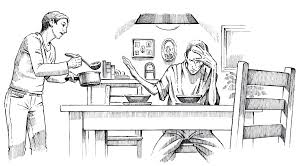
Traditionally addicts will often find something to hide their habits with and ensure that their real business is not exposed. It is possible that when they are making all these efforts of concealment, they may not be in their proper senses to tell exactly what they are doing. They are actually not even aware that they are lying because to them, they are telling you exactly what you want to hear. Normally they their motive is sincere of trying to seek your approval of their deeds and not really for pride. It is also true that most addicts are not happy with themselves for their actions are only that they have no way out at least while still in that state of mind. At this point their only survival ways would be to seek for some approval by telling lies no matter the consequences. As parents we will be laid to whether it is an innocent lie or not, it will still remain to be a lie. Like in my case when my addicted son tells me that he is not abusing drugs, I don’t buy that and instead I tell him repeatedly that “my eyes can hear even better than my ears” because ideally what they say is not what is really happening. It is therefore very important that we make efforts of finding facts for ourselves and not relying on what the children tell us. If you were to rely on what they say you may be surprised that you have no clue of who your child really is. Choose to be on top of everything so that you can be in a better position of protecting your children from all the harms of drug addictions.

Parental Obligations in controlling Drug Addiction: My addict is a Criminal

It is normal to feel hurt when someone tells you that your child is a criminal or is showing signs of being one. Honestly I won’t take that kindly but when it comes to drug abuse, before you get angry and dismiss in rage the whistle blower about the behavior of your son, investigate. Remember that symptoms of this disease include illegal behaviors and criminality is justified. But as many would become outrageous about such adjectives so will be the consequences of drug addiction. Substance abuse can cause your child to be incarcerated. So be warned and if you don’t heed the warnings, then be ready to face up to it dear parents. If he has done things wrong under the influence of his addiction, you must be ready to pay the price to the society. It will do you no good to bad mouth the police, judges, prisons, advocates and so on. Remember that this people or institutions did not cause the problem neither did they put him there instead it is his actions that sent him there.

I know this may not sound good to most of us because of the attachment we have with our children. But wait a minute, interrogate your memory line and remember that one fateful evening when you were at the comfort of your living room and you heard gun short in your neighborhood. You were terrified and when calm was restored you realized that it was your best friend who was the victim and he did not make it. Luckily the thugs were arrested and this was the head line news in the subsequent days. The thugs were all found guilty and sentenced according to the provisions of the law. Am justifying that when we read about others or watch on TV and in jail we appreciate how much they deserve to be there but our babies aren’t like them. In my view and this is from experience is that, it doesn’t how we can justify and separate the wrongs by misdemeanor and felony but the truth is those are legal terms to which our children are not immune to. Am not saying that you should be happy about it, No because no one can, the law needs to be applied to all and if my addicted son has done some wrong things that got him put in there, it is very sad and painful not just for me as a parent but to the whole society and he must pay for his actions.

Parental Obligations in controlling Drug Addiction: Others don’t want them around

Isolation is one element that people don’t want to be associated with. However acts of violence and hooliganism arising out of substance abuse often cause people to keep distance from the victims. Therefore if the society feels otherwise and they don’t want them (our addicted) sons and daughters, then that are justified because they have wronged the society and its people. I am in agreement with my fellow parents that we all ore our children that unconditional love, and for sure as an individual I love my children unconditionally, that is the indisputable truth and it will remain that way so long as am still alive. However it is not wrong in any way for friends, brothers, sisters, grandparents, relatives to have their own feelings and pain about this situation. We are all at liberty to make choices and if we make the wrong choices, there will be consequences. Finally no matter the consequences our (AWAREmed Health and Wellness Resource Center) doors are always open for you daily. We are standing in the gap for you and will be more than willing to offer our expertise in your addiction recovery. Our team of experts led by doctor Dalal Akoury will be there waiting for your appointment call and in the most confidential and professional manner address your individual situations satisfactorily.

Parental Obligations in controlling Drug Addiction: Important Facts to Observe


Facebooktwitterpinterestlinkedin

How can I help myself cope with cancer

How can I help myself cope with cancer: The Attitude and Beliefs?

How can I help myself cope with cancer

How can I help myself cope with cancer? By practicing moderate exercise and seeking for professional opinion

People value the care they get from their cancer care team, but many also want to take an active role in dealing with their illness. Dr. Dalal Akoury the MD and founder of AWAREmed Health and Wellness Resource Center has been in the medical practice for well over two decades and she is going to help us in putting this question “how can I help myself cope with cancer?” into perspective. She says that for a better understanding of these concerns, it is important to segment the useful ideas on coping with cancer in to two categories. The divisions is based on attitudes and beliefs that clearly are beneficial (and she calls them the Do’s) and those that are harmful (which she referred to as the Don’ts). The following are some of the doable.

How can I help myself cope with cancer: The Doable Attitudes?

Only go for those coping ways that have been helpful for you in the past in solving problems – It is important to note that everyone will only want to associate with those people who will add value to their lives. Therefor be selective and only go for those whom you will feel comfortable sharing and talking with about your illness freely. In the event that you can’t talk to anyone, you could opt for meditation, relaxation or listening to music as alternatives of calming you down. Do what it takes and only apply what has worked for you before and in the unlikely event that nothing works and coping is becoming difficult, then at this point getting professional help becomes necessary.

Deal with cancer “one day at a time – For effective dealing with cancer, it is very important that you keep distance from elements of worries. The business of coping with cancer will be less tasking when broken into smaller units which are manageable. By doing this, you will be able to handle your daily objectives.

Register for support and self-help groups – Only associate with value additions groups and leave any group that makes you feel worse.

Find a doctor who lets you ask all your questions – In the journey of answering this question “how can I help myself cope with cancer?” it will be very important that you in all your association there must be the feelings of mutual respect and trust. Always insist on being a partner in your treatment. Doing this will enable you to be informed of the problems you are likely to face before they come, and addressing them will become even easier.

Explore spiritual and religious beliefs and practices, such as prayer, that may have helped you in the past – If you don’t consider yourself a religious or spiritual person, get support from any belief systems that you value. This may comfort you and even help you find meaning in the experience of your illness.

Keep a personal notebook of your doctors’ numbers, dates of treatments, lab values, x-rays, scans, symptoms, side effects, medicines, and general medical status – Information about the cancer and your treatment is important to have, and no one can keep it better than you.

Keep a journal if you find a need to express yourself without holding back – It can help you process the journey, and you may be amazed by how helpful it can be.

How can I help myself cope with cancer: The Don’ts Elements?

  • Believe the old saying that “cancer equals death – remember that many cancer survivors are healthy today thereby disqualifying this statement.
  • Blame yourself for causing your cancer – There is no scientific proof linking certain personalities, emotional states, or painful life events to getting cancer. Even if you may have raised your cancer risk through smoking or some other habit, it does not help to blame yourself or beat yourself up.
  • Feel guilty if you can’t keep a positive attitude all the time, especially when you don’t feel well – The saying “you have to be positive to beat cancer” is not true. Low periods will come, no matter how great you are at coping. There is no proof that those times have a bad effect on your health or tumor growth. But if they become frequent or severe, getting professional help would be ideal.
  • Suffer in silence – Make cancer a communal problem and refuse to struggle with it alone. Get support from your family, loved ones, friends, doctor, clergy, or those you meet in support groups who understand what you are going through. With these supports, you are certainly going to cope better.
  • Be embarrassed or ashamed to get help from a mental health expert – If it becomes necessary to seek for the services of a mental specialist for conditions like anxiety or depression that disrupts your sleep, eating, ability to concentrate, ability to function normally, or if you feel your distress is getting out of control, don’t feel embarrassed and proceed boldly.
  • Abandon your regular treatment for an alternative therapy – If you use a treatment that your doctor didn’t recommend, use only those that you know do no harm. Find out if the treatment can be safely used along with your regular therapies to improve your quality of life. Psychological, social, and spiritual approaches are helpful and safe, and medical professional across the board are encouraging the use of such treatment modes. As we had mentioned things like relaxation and meditation are good ways to deal with distress.

How can I help myself cope with cancer: Other coping methods: Exercise

Doctor Akoury says that exercise is not only safe for most people during cancer treatment, but it can also help you feel better. Moderate exercise has been shown to help with tiredness, anxiety, muscle strength, and heart and blood vessel fitness. And in fact most people with cancer can do some form of exercise. Like for instance, walking is a good way to get started and a good way to keep moving when you are feeling stressed. Remember that with cancer involve not all cancer patients can be engaged in all types of exercises. Get the opinion of your doctor about your exercise plans before you start. Keep in mind that even though exercise may help lower distress levels in some people, exercise alone is usually not enough to help people with moderate to severe distress. Therefore, for comprehensive health information about our discussion topic “how can I help myself cope with cancer?” schedule for an appointment with doctor Dalal Akoury today and your healthy will never be the same again.

How can I help myself cope with cancer: The Attitude and Beliefs?


Facebooktwitterpinterestlinkedin

Understanding the Distress in People with Cancer

Understanding the Distress in People with Cancer: What is normal or abnormal?

Understanding the Distress in People with Cancer

Understanding the Distress in People with Cancer will help in offering quality ant timely treatment solutions.

With the prevalence of chronic diseases like cancer, there are certain questions that we need to answer well if we want to keep distance from such diseases. Being distressful is one common problem that is associated with cancer, and this brings us to the first question to respond to. “How do you know when your distress level is normal or more serious?” according to the experts at AWAREmed Health and Wellness Resource Center, responding to this question directly may be very difficult due to the fact that some distress are normal and are expected when one is struggling with cancer. However doctor Akoury, who is also the founder of AWAREmed Health and Wellness Resource Center, says that certain signs and symptoms can warn you that your distress level is too high and is becoming serious. Some of those sign and symptoms may include:

  • Feeling flabbergasted to the point of panic
  • Being overcome by a sense of anxiety
  • Being overwhelmed with sadness to the point that you think you won’t make it through treatment
  • Being unusually irritable and angry
  • Feeling unable to cope with pain, tiredness, and nausea
  • Poor concentration, fuzzy thinking and sudden memory problems
  • Having difficulties in making certain decisions including very little and simple things.
  • Feeling hopeless – wondering if there is any point in going on
  • Thinking about cancer and death all the time
  • Trouble getting to sleep or early waking (getting less than 4 hours of sleep a night)
  • Trouble eating (a decrease in appetite, or no appetite) for a few weeks
  • Family conflicts and issues that seem impossible to resolve
  • Questioning your faith and religious beliefs that once gave you comfort
  • Feeling worthless and useless

Understanding the distress in people with cancer can be very complicated because a lot of things can be involved. Like for instance in some cases and many of them historical things from the past may put you or your loved one in danger of greater distress and in need of help. The following are some examples of past events that can cause distress to be worse when you have cancer:

  • Having a loved one who died from cancer
  • Having a recent serious illness or death of someone close to you
  • Having had depression or suicidal thoughts in the past
  • Memories of painful events from your past that come back as nightmares or panic attacks

If any of these describe you or a loved one, then you need to talk to your doctor immediately for direction. This could be an indication that you need help in dealing with distress. Remember that currently doctors and nurses and even other health professionals have established that emotional distress is closely associated with having cancer and should be treated along with the physical symptoms of cancer. If you are looking for the best cancer treatment centers, remember to have this problem of distress treatment in mind. Look for facilities that offer both cancer and distress treatment all together.

Understanding the Distress in People with Cancer: Tools to help measure distress

Sometimes it’s hard to talk about distress in a way that helps your cancer care team understand how much distress you’re having and how it’s affecting you. There’s a distress tool that’s much like a pain scale to help measure your distress. The pain scale works like this:

When asking about pain, the doctor might say, “How is your pain right now on a scale from 0 to 10, with 0 being no pain and 10 the worst pain you can imagine?” This has proved to be a helpful way to measure pain. A score above 5 is a sign of significant pain, and tells the cancer care team that the patient needs more help to manage it.

Some cancer teams measure distress in the same way, using a 0 to 10 scale. Just as with the pain scale, you are asked to choose the number from 0 to 10 that reflects how much distress you feel today and how much you felt over the past week. Ten is the highest level of distress you can imagine, and 0 is no distress. Most people can use this scale to rate their distress in a way that helps the cancer team. If your response is 4 or more, you are likely to have a moderate-to-high degree of distress. Your doctor and/or cancer team should find out more and offer some help with your distress.

Not only does this tool tell your team about your emotional health, but it also gives you a chance to talk and work out problems during your visit. Surveys done in cancer clinics have shown that up to 4 in 10 patients have significant levels of distress. It therefore means that no matter how distressful you may be, you are not alone in your distress situation.

Another part of the distress tool is the “Problem List,” or a list of things that may be causing your distress. For this, you read through a list of common problems and mark possible reasons for your distress. This helps your doctor to know whom you need to see to get help. The list of physical problems helps you remember those you should tell your treatment team about.

Understanding the Distress in People with Cancer: Do you need extra help for your distress?

People are affected differently with some people having a higher risk of serious distress. Like for instance if you have any of these experiences, then you will need some extra help:

  • Have had depression or other major mental health problems in the past
  • Have made a suicide attempt in the past
  • Suffer from other serious medical problems besides cancer
  • Have communication problems (such as a different language, trouble reading, or hearing problems)
  • Have some type of social or family problems
  • Have ever been physically or sexually abused
  • Are younger
  • Are female
  • Live alone
  • Have limited access to medical care
  • Have young children in the home
  • Lived with very high stress levels (even before the cancer)
  • Have ever abused alcohol or drugs
  • Have financial problems
  • Have spiritual or religious concerns
  • Have uncontrolled symptoms

Both you and your cancer care team may also notice when there are times when you are at risk for greater distress during the course of illness and treatment. Cancer is often said to be “like being on a roller coaster.” These times for more distress are often at points of change in the illness and treatment:

  • Finding a suspicious new symptom
  • During work-up and diagnosis
  • Waiting to start treatment
  • Changing treatment
  • Going home from the hospital
  • Finishing treatment
  • Going back to your cancer doctor for follow-up visits
  • Going back to a “normal” life after treatment
  • Cancer comes back
  • Treatment doesn’t work
  • Cancer gets worse or becomes advanced
  • Nearing the end of life
  • Going into hospice care

If your distress reaches moderate to severe levels at these times, you may need extra help. And up on understanding the distress in people with cancer, you can schedule for an appointment with doctor Dalal Akoury today for that much needed professional help.

Understanding the Distress in People with Cancer: What is normal or abnormal?


Facebooktwitterpinterestlinkedin

Depression in Women with Breast Cancer

Depression in Women with Breast Cancer: The most talk about type of cancer

Depression in Women with Breast Cancer

Depression in Women with Breast Cancer is realistic and must be addressed timely if we have to keep the beauty and health of our loved ones breast.

Of all the cancer types, breast cancer is the one most studied more so when it comes to the psychosocial effects. It therefore goes without mention that of all the studies done, most of them are focusing on women and breast cancer. This is what the experts at AWAREmed Health and Wellness Resource Center under the able leadership of doctor Dalal Akoury are going to help us understand. Remember that doctor Akoury is also the founder of this facility and ever since she has been of great help to many people across the globe. You can be among the many that have been treated and are now enjoying their lives to the fullest by seeking an audience with her today through a phone call and you will not regret it. In the meantime, let us settle into the discussion focusing on the depression in women with breast cancer.

Depression in Women with Breast Cancer: Longitudinal studies of depression in women with breast cancer

Like I had said before, this has become a great point of concern to researchers and a lot is being done in this direction. Like for instance and according to one of the prospective study where 160 women with breast cancer and were schedule for breast surgery, it was established that about 22% prevalence of depression in women who had a mastectomy for breast cancer. In relation to those with initial stages of cancer this prevalence was consistent for two years. During this period a 30% rate of anxiety in a study of 58 ambulatory women who were 5 years post treatment for breast cancer. Nonetheless women who had partial mastectomy followed by radiation had better body image but similar amount of anxiety and depression symptoms and fear of recurrence as did women who had modified radical mastectomy.

Depression in Women with Breast Cancer: Depression in breast cancer patients by surgical procedure

Of the many studies conducted, when the specialist were analyzing the various findings and in comparison with the psychological outcomes of the women undergoing different surgical procedures, it was established some low levels of depression but higher levels of anxiety in 133 ambulatory breast cancer patients receiving radiotherapy after mastectomy or lumpectomy. The end result of this study shows clear evidence that in a cutoff score of 10 on HADS only two mastectomy patients were considered significantly depressed. And on the other hand if a HADS cutoff score of 8 was applied, then 6.7% were depressed. In contrast, in a study of 123 women with breast cancer, there was a clear evidence of high prevalence of depression (50% in mastectomy, 50% in lumpectomy with radiation versus 41% in lumpectomy only). These high percentages may have resulted from a use of a self-report depression scale (Center for Epidemiology Self-report Depression Scale [CES-D]) rather than a DSM-IIIR criteria-based clinical interview.

Depression in Women with Breast Cancer: Prior History of Depression in Women with Breast Cancer

Few researchers have noted the time of onset of depression or correlated patients’ history of depression with current depression or functioning. Notably, researchers reported findings on a homogenous sample of 79 women evaluated with the Diagnostic Interview Schedule and CES-D 3–7 months after their diagnosis of breast cancer. Nearly 18% of this sample had a past or current history of depression according to DSM-IIIR criteria. Women with elevated depressive symptoms had more physical symptom distress and more impaired functioning than subjects with depressive disorders and without depression.

In a cross-sectional study of 303 relatively young (mean age 46 years) women with early (stage I or II) breast cancer at 3 months after breast surgery using the European Organization for Research and Treatment of Cancer Quality of Life Questionnaire and HADS, it was again established that a past history of depression was associated with depression. It was also noted that women with few psychological symptoms and good emotional adjustment to cancer may have refused participation in this study because these women were also being recruited into an intervention study.

Depression in Women with Breast Cancer: Hormones and Depression in Women with Breast Cancer

In one of the studies involving 257 women with lymph node-negative breast cancer, 155 of who were treated with tamoxifen and 102 who were not. On the basis of clinical interview, 15% of the tamoxifen-treated group had depression compared with 3% of those not taking tamoxifen. Of the 23 women with depression, eight had mild symptoms and no change in tamoxifen dose was made, eight had significant depression requiring a dose reduction to relieve symptoms, and seven had to discontinue tamoxifen secondary to depression.

Depression in Women with Breast Cancer: Prevalence of Depression in Women with Advanced Breast Cancer

Studies evaluating the correlation of depression with disease progression in women with breast cancer have shown inconsistent results. Experts have found less depression in women with advanced breast cancer (4.5%) than in those with recurrent disease (15%). Physical disability did not relate to emotional disturbance. And yet in another study experts reported that ambulatory advanced breast cancer patients had a 20% depression prevalence in one study and 9% depression in another. Still again other studies found a 32% prevalence of depression in 22 women with local recurrence comparable with rates found with mastectomy. And in yet another research experts found a 13% prevalence of depression in advanced breast cancer patients (N = 139); increased levels of depression were found in those with lowest socioeconomic status, poorest performance status, and closer proximity to death.

In view of all these studies, researches and their findings it is becoming clearer that depression in women with breast cancer is realistically a problem that we cannot just wish away. It will take a consolidated effort from all us (medical professionals, government authorities, the general public and all interested parties) to pool together in the fight against these life threatening conditions. On her part as a medical expert, doctor Akoury made a decision to create a medical center (AWAREmed Health and Wellness Resource Center) whose main objective is to transform each individual’s life through increasing awareness about health and wellness and by empowering individuals to find their own inner healing power. Dr. Akoury’s practice focuses on personalized medicine through healthy lifestyle choices that deal with primary prevention and underlying causes instead of patching up symptoms. I strongly believe that you want your life to be transformed for the best of the very best. If this describes your interest, then you can schedule for an appointment with doctor Akoury today and being the life transformation journey with the best in the medical practice.

Depression in Women with Breast Cancer: The most talk about type of cancer


Facebooktwitterpinterestlinkedin

Cancer and Stress the worse collaboration

Cancer and Stress the worse collaboration: Dealing with the two problems

Cancer and Stress the worse collaboration

Cancer and Stress the worse collaboration. Prevention is always better than treatment for cure.

To deal with cancer, you also need to deal with stress. And that makes cancer and stress the worse collaboration in human health. If the two conditions are merged in an individual patient, treatment becomes very difficult. And in fact the way you handle stress can have a huge impact on the way you and your health team manage cancer. It is therefore very important that when you have been diagnosed with cancer, you must be on top of stress by all means and avoid those things, situations and places that are likely to trigger stress. The information about stress is also very important for you. Doctor Akoury says that many patients risk their healing process by allowing stress to take over the control of their lives. This is what we want to eliminate so that you can face the disease (cancer) with a lot of sobriety.

Cancer and Stress the worse collaboration: What Is Stress?

As we have indicated, the information about stress is very important. So what is stress? It is a normal response to feeling threatened or to facing a challenge you’re not sure you can meet. Stress can be chronic, which means it is long lasting and often gets worse over time. Or it can be acute, coming on quickly with short-lived but often severe symptoms. It is possible that you can have emotional stress, like for instance, the feelings you get when you are faced with financial challenges or the feelings that follow when the reality dons on you that you have a chronic ailment like cancer. Besides the emotional stress, you can also have physical stress. For instance, not getting the adequate sleep you need can make it hard for your body to do what it needs to do during the day causing you to feel tired, fatigue and stressed. An illness can put stress on organs and other parts of your body. And some treatments or medications you take can also cause your body to react in stressful ways.

Cancer and Stress the worse collaboration: How Might Stress Affect Me?

Emotional stress can be very overwhelmed in an individual’s life. It can trigger the feelings of being helpless in the things you do and what you think about. It can interfere with your sense of well-being and cause you to lose hope that things will improve, and the state of being hopelessness can be very fatal if not addressed in good time. Stress can also lead to depression.

Some people believe stress can play a role in developing cancer. There is, though, very little evidence to show that stress causes cancer in people who don’t already have it. The few studies that have shown a link looked mainly at severe stress. One found that women who lost a spouse through separation, divorce or death had a higher risk for breast cancer. Another showed that people who lived through the Holocaust as children have a higher risk for developing cancer. Even though a lot more needs to be done to authenticate the direct link of stress to cancer, several studies have actually established that those who are already struggling with cancer are very vulnerable and that stress is likely to play a significant role in the way this disease escalates. It is equally important to note that health conditions like trauma, depression and distress have all been linked to more rapid progression.

Cancer and Stress the worse collaboration: How Does Stress Affect the Way Cancer Progresses?

The effects of stress may stem from how your body responds to it. When you’re stressed, your body makes certain so-called “stress” hormones to deal with it. In many cancer patients, these hormones bind with cancer cells. That can make the cells more invasive and help protect them as they move from one part of the body to another. This makes it easier for the tumor to grow and the cancer to spread. Nonetheless being stressful can also trigger negativity to your immune system which is the body basic defender from external and internal aggression. It has been established that, stress can interferes with the way certain cells in your immune system work. In particular, it affects cells that find and that kill emerging cancer cells.

Cancer and Stress the worse collaboration: How Can I Protect Myself against the Effects of Stress?

People with better support tend to have better functioning immune systems. They also tend to have lower levels of certain stress hormones. This makes it less likely that stress will cause changes in the way a tumor grows. Some studies also show that people with more support have lower levels of chemicals that promote new cell growth and make tumors more aggressive.

Cancer and Stress the worse collaboration: How Does Support Work?

Support makes it easier to develop qualities you need to deal with stress. For example, it can help you develop more active coping skills. A strong support network can reduce the effects of stress in several ways including the following:

  • It can lessen the magnitude of the problem and help you see that event as less stressful. That will lessen your body’s response to it.
  • It can improve your management levels and how you cope by providing advice, problem solving techniques and resources for help when you need it.
  • It can help enhance positive health behaviors such as exercise and proper nutrition.
  • It can provide support that makes it easier to adhere to your medical treatment plan.

A number of recent studies have also shown that, in addition to a support network, there are potential benefits from programs that help you learn how to manage stress. Such programs include:

  • Cognitive behavioral therapy
  • Mindfulness
  • Yoga
  • Alternative therapies such as Healing Touch
  • Medication

It is important to appreciate that such programs can not only help you in dealing with the stress that comes from having cancer, but the stress that can come from treatments such as chemotherapy and radiation as well. Therefore cancer and stress must not be allowed to ruin your health. There is always something you can do to be safe. You can talk to the experts at AWAREmed Health and Wellness Resource Center under the able leadership of Doctor Akoury’s care for professional assistance today by scheduling for an appointment with her.

Cancer and Stress the worse collaboration: Dealing with the two problems


Facebooktwitterpinterestlinkedin