Tag Archives: Anxiety Depression

alcohol problem

Unique mood problems and anxiety challenges

Unique mood problems

Unique mood problems and anxiety challenges. Understanding anxiety disorders and for sure it will never be business as usual when severe anxiety sets in an individual’s life.

Unique mood problems and anxiety challenges: Addressing mood anxiety complications

There is no doubt that as we wake up every day we are faced with situations that lowers our spirit to effectively move one. Disasters, diseases, business losses, relationships, unemployment and many other conditions are a serious contributors to our daily life frustrations. As a result of all these we are leaving with very unique mood problems and anxiety challengers that if not addressed effectively and in good time can be life threatening not just to the direct victims but also to their loved one. Because of such conditions, many victims have sought refuge or resorted into taking drugs to minimize their frustrations. And so today both men and women of age are struggling with serious debilitating symptoms of mood and anxiety disorders in most communities. To help in finding lasting solution to this problem, doctor Dalal Akoury, MD and founder of AWAREmed Health and Wellness Resource Center together with her team of able professionals are offering a comprehensive mood and anxiety treatment program which is specifically design to address all the unique challenges which are associated with these kinds of disorders.

When we say that unique mood problems and anxiety challengers we do not just end there because there are a lot more bordering this tow conditions. And that is why we are only working with highly-skilled experts who are fully equipped to treat comprehensively all those who are suffering from disorders such as depression, obsessive-compulsive disorder, anxiety, posttraumatic stress disorder, and bipolar disorder, amongst a number of other conditions. As you sign in with us for this treatment, doctor add that besides the normal treatment, we provide extensive and individualized treatment for personality disorders so that when you are completely recovered, it is for a life time.

Unique mood problems and anxiety challenges: Co-occurring disorders

From experience we do recognize that those with personality or mood disorders frequently struggle with co-occurring disorders, such as trauma, addiction, or chronic pain. For this reason, our staff uses an interdisciplinary team approach, customizing both conventional and complementary evidence-based treatments to support each individual’s recovery process. Besides it may interest you to appreciate that, our integrative system of neuropsychiatric treatment is designed to heal wholesomely the body, mind, and spirit with around-the-clock medical and clinical care. We made a conscious decision to not just treat, but to impact in people’s lives positively. To us that is what health is all about and we want to share our expertise and experience with you. Therefore if you or any one you know is struggling with all the unique mood problems and anxiety challenges, our doors are always open for you. All you have to do is to schedule for an appointment with doctor Dalal Akoury or just find time and walk in to the facility and make inquiries so that your treatment can commence effectively and professionally.

Unique mood problems and anxiety challenges: Addressing mood anxiety complications

http://www.I-AM-I.com/wp-admin

Facebooktwitterpinterestlinkedin
outpatient-drug-treatment-relapse-prevention

Understanding relapse to meet your goals

Understanding relapse

Understanding relapse to meet your goals. Interpersonal therapy treatment process will help you manage instances of relapse effectively

Understanding relapse to meet your goals: Relapsing is not failure

People in recovery including their family members are often terrified by the thought of a relapse. The reality is that relapses are common but they aren’t the end of the world. As addiction experts from AWAREmed Health and Wellness Resource Center under the able leadership of doctor Dalal Akoury MD, we want to help you to reposition yourself and dispel some of the mystery and stigma that normally comes with issues around relapse. Therefore understanding relapse to meet your addiction recovery goals, you will need to appreciate the following five points:

Understanding relapse to meet your goals: Why relapse isn’t a sign of failure

Available statistics have stated that relapse is almost certain for all people under addiction medication. In one of the studies, it was established that approximately half of all individuals who try to get sober return to heavy use, with 70 to 90 percent experiencing at least one mild to moderate slip. Doctor Akoury registers that it’s important to understand that relapsing does not mean you have “failed.” So don’t worry if you fall, it is normal and picking up the pieces immediately is what you need to do and you will realize your dream of being sober again.

Understanding relapse to meet your goals: Relapse prevention

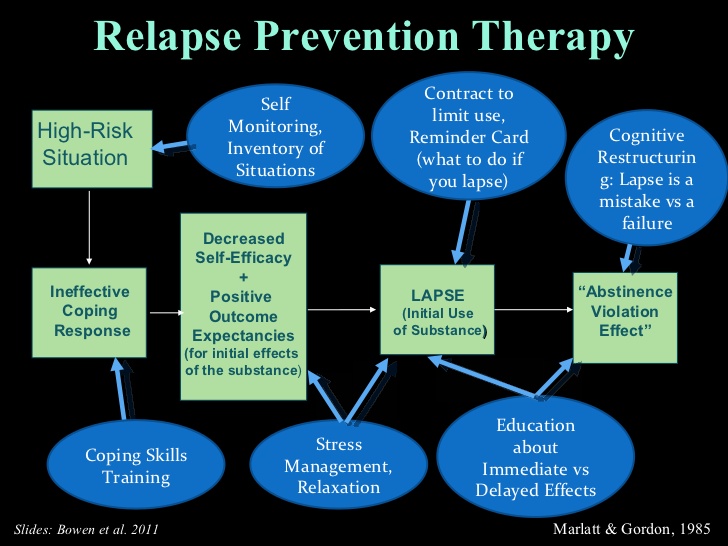
Knowing all your triggers should be the starting point if you want to prevent relapse says doctor Akoury. In other words when you identify the risks a head of time, you will avoid them and stay focus to your objectives. The following will therefore help you to identify your triggers so that you can avoid or address them before they derail your recovery process:

Planning for success Relapse Prevention Planning is based on the experiences and successes of many people just like you who have already traveled the road to recovery. It recognizes that the road often has many rough patches, and that to succeed on this road you will need a relapse prevention plan. It is important to note that recovery from an opiate addiction can be a particularly challenging experience, and relapses are not uncommon. However, by taking the right steps and having the right attitude, you can help ensure the long-term success of your recovery.

Understanding relapse to meet your goals: Ways of avoiding addiction relapse

There is no magic wand to help substance abusers avoid relapse; staying clean and sober takes a lot of hard work and commitment. However, there are ways to decrease relapse potential with the hopes of avoiding relapsing completely.

If you feel that you are in crisis, or are having thoughts about hurting yourself or others you can always call on doctor Akoury for help on telephone number 843 213 1480 and you will be assisted professionally.

Understanding relapse to meet your goals: Relapsing is not failure

http://www.I-AM-I.com/wp-admin

 

Save

Facebooktwitterpinterestlinkedin
SUDs

Interpersonal therapy treatment process

Interpersonal therapy

Interpersonal therapy treatment process will help you manage instances of relapse effectively

Interpersonal therapy treatment process: Relationship

There is no human being living in isolation. Each of us needs some sought of association whether it is through having relationships, whether family-based, platonic or romantic, these are all part and parcel of what makes us human says doctor Dalal Akoury, MD President and founder of AWAREmed Health and Wellness Resource Center. For the most part, these relationships enrich our lives and offer vital social interaction. Relationships are however incredibly complex by nature – and the way we deal with them can have a significant impact on our mental well-being and that is when interpersonal therapy becomes very essential.

According to doctor Dalal Akoury, Interpersonal therapy primarily focuses on the way our relationships affect us and also how other mental health difficulties can affect our relationships. Helping with a variety of concerns, the therapy has been recommended for depression, anxiety and eating disorders. Therefore for the purpose of this article, we are going to be exploring the role of interpersonal therapy in more depth, including what to expect in therapy, the various techniques used and areas this therapy can help with.

Understanding interpersonal therapy (IPT)

As we progress into the discussion, it is important to appreciate that interpersonal therapy is a structured, time-limited therapy that works characteristically and intensely on establishing all the interpersonal issues. The underlying belief of interpersonal therapy is that psychological symptoms like depression which is often a response to difficulties we have when interacting with others. The resulting symptoms can then also affect the quality of these interactions, causing a cycle. The thought process behind the therapy is that once a person is capable of interacting more effectively with those around them, the psychological symptoms can improve.

Expectations from interpersonal therapy

The first few sessions of interpersonal therapy are typically used as a means of assessment – allowing the therapist to gain a better understanding of what is concerning you and what you hope to gain from the therapy. Together with your therapist you will then have the opportunity to identify any interpersonal issues you want to address and rank them in order of importance. It will then be a case of working through the key issues raised.

The next few sessions will look to address these concerns in order to understand them better, learn how to make adjustments and apply these adjustments outside of your therapy sessions. To help this process your therapist will offer support in a number of ways, including the following:

In contrast to other more open-ended, introspective therapies, IPT therapy looks to focus entirely at the identified issues. This ensures optimum results in minimal time. Finally doctor Akoury ads that when you are going through this treatment, it is worth noting that towards the end of your therapy sessions, you and your therapist may choose to discuss termination issues which is very essential as it will allow you apply the skills you’ve learnt to ensure you can cope efficiently once your therapy is over. However should you meet any challenges along the way, then you can always call on doctor Akoury or help at any time.

Interpersonal therapy treatment process: Relationship

http://www.I-AM-I.com/wp-admin

Facebooktwitterpinterestlinkedin
addiction

Group therapy direct benefits

Group therapy direct benefits

Group therapy direct benefits are very essential and gives hope to the patients

Group therapy direct benefits: What can group therapy help with?

When complications resulting from substance abuse sets in, life can sometimes become unbearable to the affected individual. There are several therapies that can be applied as means of treatment for such patients a group therapy is just one of them. Doctor Dalal Akoury who is an addiction expert and has been offering lasting addiction solutions to many people across the globe for over two decades now registers that group therapy can technically be applied to a variety of approaches and a variety of concerns, there are certain areas that group therapy direct benefits may  be quite ideal. Like for instance, the following are some of the fields, where group therapy direct benefits can actually be realized:

  • Substance abuse and addiction
  • Anxiety and depression
  • Eating disorders
  • Schizophrenia and Obsessive compulsive disorders
  • Self-harm and Relationship difficulties

Group therapy direct benefits: Substance abuse and addiction

This is one of the situation where group therapy direct benefits counts the most. Keeping a strong support network is very fundamental when it comes to the elimination of addiction. Getting to know the experiences of other people in the same situation is very effective in helping victims of addiction cope with their conditions. Besides group therapy also enables victims to learn new skills and uncovering how their behaviors can impact other people. All these are very helpful tools in your journey to overcoming addiction.

Anxiety and depression

For people suffering with anxiety, getting out and interacting with those who understand can be helpful. Knowing you aren’t alone in your feelings and hearing how others manage their anxiety can be very helpful in social skill development. Besides that, those dealing with depression may find themselves feeling vulnerable and isolated. Getting out of the house and talking to others is always useful and in a group therapy session it can be even more so.

Eating disorders

For some people, the support network created by group therapy can aid recovery from an eating disorder. For others however, it can be counterproductive. If you find that you are comparing yourself to others in the group (for example their weight or size) it may be worth seeking individual therapy instead.

Group therapy direct benefits: Schizophrenia and obsessive compulsive disorder

Being alone with your own thoughts during times of anxiety can trigger symptoms when you suffer from obsessive compulsive disorder. Speaking to others who understand your feelings and behaviors can help you understand your condition better. Group therapy direct benefits for those with schizophrenia will depending on the severity of the condition. It can be helpful to reach out to others who experience similar symptoms to yourself, and learning more about the disorder can help you understand your own thoughts better.

Self-harm and relationship difficulties

If you find it difficult to forge and maintain relationships, attending group therapy could help. Remember that being around other people on a regular basis help you to develop interpersonal and social skills which you can practice outside of your sessions. Hearing how others cope with their problems, including practical tips you may not have thought of, can also be incredibly helpful. His list may not be exhaustive and therefore you can always schedule for an appointment with doctor Akoury for more professional assistance.

Group therapy direct benefits: What can group therapy help with?

http://www.awaremednetwork.com/


Save

Facebooktwitterpinterestlinkedin
alcohol problem

Understanding anxiety disorders

Understanding anxiety disorders

Understanding anxiety disorders and for sure it will never be business as usual when severe anxiety sets in an individual’s life.

Understanding anxiety disorders: The ever increasing rise of anxiety

It will never be business as usual when severe anxiety sets in an individual’s life. According to the experts from AWAREmed Health and Wellness Resource Center under the leadership of doctor Dalal Akoury, MD anxiety disorders is a serious health risk that ranges from feelings of discomfort to devastating sessions of terror. This can further be complicated if the individual is using alcohol or drugs. Available statistics according to Anxiety and Depression Association of America (ADAA) up to 40 million adults in America alone are either affected directly or indirectly by anxiety. Just for you to take preventive measures, it will interest you to not that when you spend most of your time for the last six months worrying excessively about your daily activities or problems, then you could be harboring anxiety.

Because of what anxiety can do in your life, doctor Akoury advices that when offering treatment for anxiety disorders, it must be wholesome to address all the conditions that come along with other disorders like depression, eating disorders, substance abuse and attention-deficit hyperactivity disorder (ADHD). That is why when you visit us at AWAREmed Health and Wellness Resource Center we professionally offer an all-inclusive treatment program to help you not only with your anxiety disorders but also other co-occurring issues symptoms by addressing all the underlying challenges like trauma and develop healthy coping skills. With that said it is important that you are well informed of some of the symptoms of this problem.

Understanding anxiety disorders: Signs and symptoms of anxiety disorders

It’s normal for people to experience occasional anxiety due to life circumstances or stressors, but prolonged, intensive episodes of anxiety are indicative of a problem that needs professional medical and behavioral attention. Symptoms of anxiety disorders may vary depending on the type of anxiety disorder, but generally include the following:

  • Continuous self-doubt and questioning every action or decision made
  • Difficulty in staying focused
  • Problem with swallowing
  • Digestive complications similar to irritable bowel syndrome
  • Excessive nervousness or obsessing over one’s performance in social situations or when speaking or performing in public, both before and after the event
  • Excessive worry that interferes with everyday life
  • Feeling out of breath without physical exertion
  • Headaches
  • Hot flashes
  • Inability to alleviate concerns even with knowledge that the situation does not call for the intense level of anxiety
  • Inability to relax
  • Insomnia and/or difficulty staying asleep
  • Irrational fears or phobias
  • Bad temper
  • Muscle tension, aches, trembling or twitching
  • Vomiting
  • Panic attacks
  • Sweating

Understanding anxiety disorders: Anxiety disorder treatment

Finally doctor Akoury agrees that, professionally in understanding anxiety disorders, it is important that treatment should be tailored to each patient’s specific type of anxiety problem, their individual physical and psychological make-up and situation, and any co-occurring disorders and underlying issues such as trauma. At our health facility, we have established that the most effective treatments for anxiety disorders include cognitive behavioral therapy, relaxation techniques, and biofeedback to control muscle tension. Besides that upon evaluation of your situation, we will also where necessary apply anti-anxiety drugs like benzodiazepines, selective serotonin reuptake inhibitors, serotonin-norepinephrine reuptake inhibitors and antidepressants which can also be very helpful for your speedy healing. If therefore you’re struggling with anxiety, you can call us today and we will professionally address your problem effectively.

Understanding anxiety disorders: The ever increasing rise of anxiety

http://www.awaremednetwork.com/

Facebooktwitterpinterestlinkedin