Tag Archives: Anxiety Depression

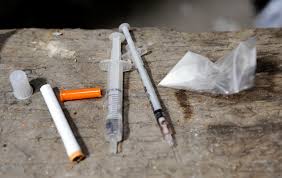
Tools of addiction

Understanding drug use addiction risks factors
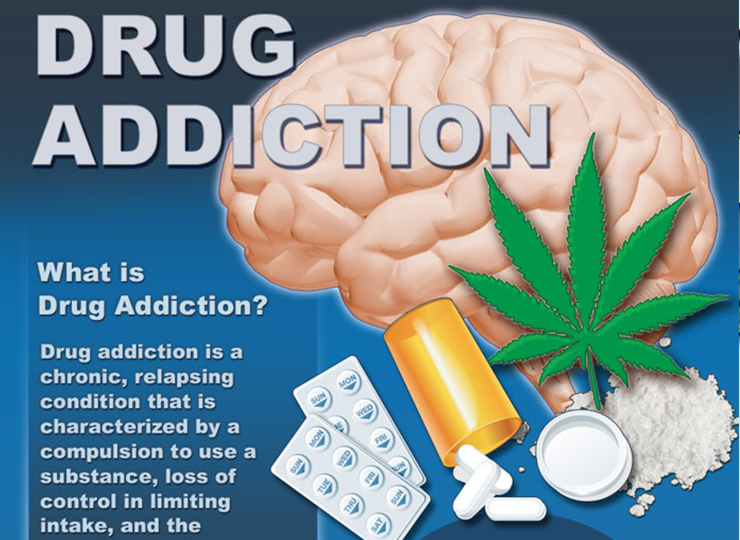
Understanding drug use

Understanding drug use addiction risks factors becomes the genesis of a better treatment and recovery process

Understanding drug use addiction risks factors

Being addicted to drugs is one experience that many people are yet to understand. This is so going by the increase in number of people being addicted to drugs every day. Addiction in some areas is so common that certain streets have been isolated and even given names that promote drug use. Is this the way to go? Doctor Dalal Akoury MD, President and founder of AWAREmed Health and Wellness Resource Center, disagrees. Over the many decades of her experience offering addiction treatment, she is very much knowledgeable and she is going to help us in understanding drug use addiction risks factors. One thing is very certain that people’s experience with drugs is never the same. Many have often gotten into drug addiction out of curiosity, peer pressure, just for having fun or as a tool of reducing their stressful or depressed situations.

Is it automatic that drug use leads to addiction?

Understanding drug use addiction is very important because it will help us appreciate this fact. This question is often asked and the answer to it is definitely NO. There are very many people using drugs in moderation and this has not led them into abuse. And according to the experts from AWAREmed Health and Wellness Resource Center, we do not have any parameters or turning point indication that an individual using drugs is now moving from casual to more serious problem. Doctor Akoury registers that primarily drug abuse and addiction has very little to do with the quantity consumed or consistency but more of why users turn to drugs and the repercussions of the use.

It therefore means that you may be using a given substance but still be out of addiction hook. The only problem is that you are at a greater risk of becoming one anytime soon. In the meantime, it is important to note that you can always know your addiction position by just being observant about your behaviors in the society. Like for instance, if you have noticed that your drug use is becoming a hindrance in your life, at school, home, and work station or in your relationship, then that is a red line and a pointer to the fact that you have an addiction problem. This may cause you to worry a lot. But we have a solution for you and your loved ones. Doctor Dalal Akoury and her team of most qualified and experienced professionals will be there to help you with your recovery program. All you need to do on your part is to call us to day on telephone number 843 213 1480 and schedule for an appointment with us. We will be there for you and professionally address all your addiction concerns.

The variance of addiction

Have you ever wondered why not all users of drugs ultimately get addicted to their drugs of choice? Doctor Akoury states that just like with other conditions and diseases, the effects of addiction will vary from person to person. In many instances this happens because of the variance in genes, family, mental health and social environment. Nonetheless understanding drug use addiction risk factors is very instrumental in help us appreciate all these variances says doctor Akoury. And finally as we close this article, the following are some of the known risk factors that may increase you vulnerability to substance abuse:

  • Family history or gene
  • Abuse, neglect or any other past or present traumatic experience
  • Mental disorders like depression and anxiety
  • Getting into drugs at tender/early age in life
  • The mode of administration like snorting, smoking and through injection.

Finally, with all these complications, AWAREmed Health and Wellness Resource Center is the home of all addiction solutions you need. Pick that phone and call today and be counted among the victors in fighting drug addiction.

http://www.awaremednetwork.com/

Facebooktwitterpinterestlinkedin
Misuse of alcohol

Alcohol consumption consequences and hidden facts

Alcohol consumption consequences and hidden facts: Alcohol addiction

Getting the facts right about alcohol consumption

Getting the facts right about alcohol consumption is a must for everyone whether you are directly or indirectly affected because we all have a duty to perform in the eradication of alcohol abuse

Different state across the globe has put certain parameters aimed at controlling the consumption of alcohol. With all these efforts the rate at which alcohol is being consumed is worrying ad so we ask are these parameters working. Is there a need of doing more? To answer that questions we want to narrow down the discussion to getting the truth about Alcohol consumption consequences and hidden facts, and with the help of professionals from AWAREmed Health and Wellness Resource Center, we are going to reveal certain facts which you really don’t want to miss. I want therefore request you to stay with us on the link because doctor Dalal Akoury MD, President and founder of AWAREmed Health and Wellness Resource Center is up to the task having practiced in this discipline for over two decades, she will be able to address all your concerns professionally. You can therefore seek for more professional information about alcohol consumption direct from the experts by scheduling for an appointment with doctor Dalal Akoury even as we progress into the discussion.

And just like we have mentioned it is no secrete anymore that everyone is well informed of the legal drinking age throughout the globe. And in the United States where most of our references are going to made as we build on this discussion the acceptable drinking age is at a minimum of 21. That is the government ceiling however and according to the National Center on Addiction and Substance Abuse, it is shocking and sincerely regrettable that almost up to 80% of our young high school students have at least tried alcohol. The rules have not been effective in keeping the teens to testing the waters with alcohol. And since the decision as whether to drink is a personal decision that we each eventually have to make, many young people have found themselves drinking out of peer pressure and fear of being left out. The sense of belonging and fitting in has not worked well for our teen more so when it comes to the consumption of alcohol and drug abuse. It is because of such that we have prioritized on this article to provide some information on alcohol, including but not limited to how it affects your body so that you can make an educated choice in your life about the consumption of alcohol. Now what exactly is alcohol to you? Let’s find out from the experts at AWAREmed Health and Wellness Resource Center under the able leadership of doctor Dalal Akoury.

Alcohol consumption consequences and hidden facts: What is alcohol?

The production process of alcohol is funny and interesting. It is actually created when certain grains, fruits, or vegetables are fermented through a process known as the fermentation. This is a process that that involves the usage of yeast or bacteria to transform the sugars in the food into alcohol. Doctor Akoury is registering that the process of fermentation is one that is used to produce many necessary items including everything from cheese to medications. Alcohol is actually produced in different forms and can serve or be used in different multiple ways including being used as a cleaner, an antiseptic, or a sedative. And that brings us to our next focal point which is “if alcohol is a natural product, why then do teens need to be concerned about it is consumption? Professionally doctor Akoury explains that when people drink alcohol, it’s absorbed into their bloodstream. From there, it affects the central nervous system which includes the brain and spinal cord, which controls virtually all body functions. At the moment a lot of studies are being conducted more so with regards to the teens alcohol consumption. And with the knowledge that the human brain is still developing during our teens growth and development, scientists are researching are working around the clock to establish the effects and consequences of drinking alcohol can have on the teen brain. We will be responding on that as it develops from time to time so this is the place to be for all the health information you need to have about alcohol consumption.

Alcohol consumption consequences and hidden facts: How does it affect the body?

I am certain that it will not pass your conscience that alcohol is a depressant, which means that it slows down the function of the central nervous system and essentially affecting the whole body operations. How does it succeed in this? According to the experts from AWAREmed Health and Wellness Resource Center, Alcohol actually blocks some of the messages trying to get to the brain. When this happens, alcohol will alters a person’s perceptions, emotions, movement, vision, and hearing thereby rendering the victim totally incapacitated to function normally.

One reason why people often get into drinking is because of the passive benefits of its consumption, like for instance it is believed that when alcohol is consumed in very small amounts, it can help a person feel more relaxed or less anxious. However any consumption of alcohol above normal will certainly cause greater changes in the brain, resulting in intoxication. People who have overused alcohol may stagger, lose their coordination, and slur their speech. They will probably be confused and disoriented. Depending on the person, intoxication can make someone very friendly and talkative or very aggressive and angry. Reaction times are slowed dramatically and that explains why people are often advised not to drink and drive. This is because when under the influence of alcohol also known as intoxication, such individuals may think that they’re moving properly when they’re not. They may act totally out of character.

When large amounts of alcohol are consumed in a short period of time, what is commonly referred to us alcohol poisoning may occur. Alcohol poisoning is exactly what it sounds like, that is to say that the body has become poisoned by large amounts of alcohol. There are several indicators of this but normally the first one will be violent vomiting. When this goes to the extreme, experiences like extreme sleepiness, unconsciousness, difficulty in breathing, dangerously low blood sugar, seizures and sometimes even death may result. These feelings are realistic and are no fix ion, therefore the sooner you chose life the better for you and your whole family and the society as a whole.

Alcohol consumption consequences and hidden facts: Why do teens drink?

Experimentation with alcohol during the teen years is common. Some reasons that teens use alcohol and other drugs may also include: curiosity, to feel good, reduce stress, and relax and the sense of belonging also referred to us fitting in. Finally doctor Akoury say that owing to the content about alcohol in the media very young kids see advertising messages showing beautiful people enjoying life giving the impression that for one to enjoy life alcohol has a role to play. And because many parents use alcohol like beer or wine at dinner time children often feel that alcohol seems harmless and so they get motivated to try. Is that what you want for your kids?

Alcohol consumption consequences and hidden facts: Alcohol addiction


Facebooktwitterpinterestlinkedin
Cigarette

Drug addiction problems must be solved medically

Drug addiction problems must be solved professionally: Consult with AWAREmed Health and Wellness Resource Center

Drug addiction

Drug addiction problems must be solved professionally if we want to defeat this scourge from our lives and society.

The fight against alcohol and drug addiction is one campaign that is not about to end any time soon. Each day new developments come up for fighting the vice yet at the same time users of these drugs also get more rooted to their addictive habits. Even though a lot is being done to correct this problem, many people are still suffering in silence for various reasons including denial. As addiction professionals from AWAREmed Health and Wellness Resource Center, we have made it a priority to help in finding lasting solutions about alcohol and drug addiction. And that is why we have consistently posted very informative blogs on this site to create more awareness and to educate the public of some of the actions they can take even before the get to us for help. Therefore “Drug addiction problems must be solved” is our choice topic for this article because it has come to our attention that despite the information available in the market about addiction recovery process and treatment, a majority of the societies are still ailing from this problem. Remember that AWAREmed Health and Wellness Resource Center is an establishment of doctor Dalal Akoury MD and also the President of the institution. Doctor Akoury is a veteran addiction expert who has dedicated several decades of her life in bringing hope to the hopeless drug addicts not just in the US but across the globe. Therefore if you think that you or someone you care about is addicted to drugs or alcohol, help is on the way if only you can schedule for an appointment with doctor Akoury today because drug addiction problems must be solved professionally.

However doctor Akoury is encouraging that even as you consider making that appointment, it is very important to note that the genesis of this entire recovery journey begins with you recognizing that you have a problem. This is the first step in getting help. We know that many people often think that they can tame or kick out the problem all by themselves, but the reality is that rarely works and that explains why getting help to tame the scourge of addiction is very important. Having felt that there are some signs of addiction in you, there are very many approaches you can apply including talking to someone you trust to help you make the right and productive decisions. Therefore if this is the approach you are considering, then it may help to talk to a friend or someone of your own age group at first, nonetheless a supportive and understanding adult should be your best option for getting help. We also know that sometimes it may not be easy for you to share this with your parents and therefore if this be the case, then you might want to approach a school counselor, a relative, a doctor, your favorite teacher, or even a religious leader. You must have noticed that the very moment you recognize the problem, action plan takes root and this is surely a step in the right direction.

Just to bring you up to speed with what to expect, it is important to understand from the very beginning that, overcoming addiction is not easy. Great determination will be expected of you along the way. And probably you will realize that quitting drugs or drinking is going to be one of the hardest things you or your friend have ever done. Even though that is so but be encouraged that it’s not a sign of weakness if you need professional help from a trained drug counselor or therapist. Most people who try to kick a drug or alcohol problem need professional assistance or a treatment program to do so and so you are not alone, keep on fighting because the end result is worth the sacrifice. Now let me bring to your attention some of the tips you need to succeed in this fight.

Drug addiction problems must be solved professionally: Tips for recovery

Once you start a treatment program, you may want to consider trying the following tips to make the road to recovery less bumpy:

Share with your friends about your decision to stop using drugs. This is very important because going forward you will need only those friends who will be kind enough to support your recovery journey entirely and drop those that will pull you back.

Moral support is very important and therefore always asks your friends or family to be available whenever you need them. During this journey a time will come when it will necessary that you call for support even during very odd hours of the night. Your friends should be therefore you and remember that if you’re going through a tough time, don’t try to handle things on your own and accept the help your family and friends offer.

Be very selective on the invitations you receive and only accept that won’t involve drugs or alcohol. Going to the movies is probably safe, but you may want to skip a Friday night party until you’re feeling more secure.

The temptation will always be there sometimes; therefore put in some strategies about what you’ll do should you find yourself in a place with drugs or alcohol. This may also mean planning with your parents, siblings, or other supportive friends so that if you call home using a specific code, they’ll know that your call is a signal to them that you need a ride out of there.

Moments of relapse; such times will always be there but always encourage yourself, that having an addiction doesn’t make a person bad or weak. If you fall back, talk to an adult as soon as possible and pick up the pieces and move on. There’s nothing to be ashamed about, however it’s important to get help soon so that all of the hard work you put into your recovery is not lost.

If you’re worried about a friend who has an addiction, you can use these tips to help him or her. For example, let your friend know that you are available to talk or offer your support. If you notice a friend backsliding, talk about it openly and ask what you can do to help.

If your friend is going back to drugs or drinking and won’t accept your help, don’t be afraid to talk to a nonthreatening, understanding adult, like your parent or school counselor. It may seem like you’re ratting your friend out, but it’s the best support you can offer.

And most importantly, offer a friend who’s struggling with addiction lots of encouragement and praise. It may seem funny, but hearing that you care is just the kind of motivation your friend needs.

Drug addictions must be solved professionally: Staying clean

Finally doctor Akoury is emphasizing that recovering from a drug or alcohol addiction doesn’t end with a 6-week or so treatment program you take in an institution. This is a lifelong process and we want to encourage you to consider calling us at AWAREmed Health and Wellness Resource Center for further direction. We will always be here for you and if you ever have a relapse, take immediate action because this can be very critical and getting help right away is advisable so that you don’t undo all the hard work you put into your initial recovery and remember don’t be a fried of relapse it is normal and not a failure on your part.

Drug addiction problems must be solved professionally: Consult with AWAREmed Health and Wellness Resource Center


Facebooktwitterpinterestlinkedin

A cognitive behavioral approach of treating addiction

A cognitive behavioral approach of treating addiction: Coping with craving of cocaine

A cognitive behavioral approach of treating addiction

A cognitive behavioral approach of treating addiction is one that should be embraced across the board

The pain of losing loved ones year in year out due to indulgence in drugs is one condition that is overwhelmingly devastating to everyone across the globe. This is actually not going to be the first time for us addressing this scourge neither is it going to be the last. Because of the addictive nature of cocaine and other substances of abuse, we will be on high alert everyday giving useful health information to you on this link and any other that we are associated with so that we can progressively give our contributions towards eliminating the endless problem of alcohol and drug addiction. In view of that and for the purpose of this article, our key substance is going to be cocaine and for a couple of days we are going to be posting blogs touching on the topic “a cognitive behavioral approach of treating addiction” and in particular cocaine addiction. Our area of focus in this series of discussion will be dwelling much on:

  • The understanding craving
  • Giving detail description of craving
  • Identifying various triggers of addiction (cocaine in particular)
  • Avoiding cues
  • Coping with craving

A cognitive behavioral approach of treating addiction: Timely intervention

Owing to the technicality of the topic of discussion, we will rely heavily on the expert opinion and advice from the experts at AWAREmed Health and Wellness Resource Center. This health facility is the brain child of doctor Dalal Akoury (MD) who is a veteran addiction experts having dedicated her life in transforming people’s live across the globe for over two decades now. Her way of approach makes her one of the best experts in offering addiction solutions to all addicts with the ultimate goal of total recovery and sustainability of sobriety thereafter. It will also interest you to note that doctor Dalal Akoury founded this facility primarily to give her contribution of eliminating drug addiction by transforming each individual’s life through increasing awareness about health and wellness and by empowering them to find their own inner healing power. Besides that Dr. Akoury’s practice are professional and focuses on personalized medicine through healthy lifestyle choices that deal with primary prevention and underlying causes instead of patching up symptoms. This gives her better ground to help her clients in their struggle with various kinds of addiction they may be struggling with. Therefore if you are one of these people suffering from any kind of addiction, this is your chance of liberation and you can reach out for help from doctor Akoury through telephone number 843 213 1480 and she will gladly help you out professionally.

And even as you consider that, we appreciate that craving is such a difficult problem for so many cocaine abusers, and that is why we are encouraging that addicts must seek for treatment early enough to avoid further complications. It is however important to acknowledge that the episodes of intense subjective craving for cocaine are often reported weeks and even months after the inception of abstinence. This experience can be both mystifying and disturbing to the abuser and can result in cocaine abuse if it is not understood and managed effectively and that now brings us to our key areas of focus as we progress into the discussion as follows.

A cognitive behavioral approach of treating addiction: Understanding Craving

It is important for patients to recognize that experiencing some craving is normal and quite common. Craving does not necessarily mean that something is wrong or that the patient really wants to resume drug use. And as I had mentioned before doctor Akoury and her teams of experts are going to be very instrumental to us in bring this discussion into perspective. Therefore we want to encourage you to stay with us on the link and get the best you can in dealing with cocaine addiction and the best possible way of solving that problem.

Now according to the experts from AWAREmed Health and Wellness Resource Center under the able leadership of doctor Dalal Akoury, it is true that because of the frequency and the variety of circumstances in which cocaine is self-administered, a multitude of stimuli have been paired with cocaine abuse. These may act as conditioned cues or triggers for cocaine craving. Nevertheless the following are some of the most common triggers including being around people with whom one used cocaine, having money or getting paid, drinking alcohol, social situations, and certain affective states, such as anxiety, depression, or joy. Triggers for cocaine craving also are highly idiosyncratic, thus identification of cues should take place in an ongoing way throughout treatment.

We can never be settled in life if any member of our family is suffering from an addiction whether it is to cocaine or any other substance, it therefore means that for us to have the comfort we desire in life, we must all play our individual parts in solving the problem of addiction and that is where a cognitive behavioral approach of treating addiction come in handy. Doctor Dalal Akoury is very objective and categorical that lasting solution of cocaine addiction starts with the individual victim. In other words the individual addict must make certain decision before third parties and family members get in to help. By the way that doesn’t mean that members of the family should just sit back and watch their loved ones sink in addiction. Not at all however it is Important that the acknowledgement on the part of the direct victim that he or she has a problem is very crucial in the treatment program. Up on attaining this then the fear of denial shall have been dealt with paving way for the commencement of treatment that will translate to I deal sobriety to the direct victim. This is what doctor Dalal Akoury and her team of experts at AWAREmed Health and Wellness Resource Center does best. Therefore if you or any one you know is struggling with cocaine or any other drug, then help is only a phone call away. You can call doctor Akoury to schedule for an appointment so that all your addiction concerns can be addressed professionally today for a better and more refreshing life thereafter.

A cognitive behavioral approach of treating addiction: Coping with craving of cocaine


Facebooktwitterpinterestlinkedin

The effects of drugs on clinical depression

The effects of drugs on clinical depression: Depression and addiction

The effects of drugs on clinical depression

The effects of drugs on clinical depression is almost getting out of hand in the current life set up.

The complications of drug addiction and misuse of alcohol will continue to be with us thanks to the life demands in the twenty first century. Everybody is having their own share of life demands and expectations which in many times we often fail to meet. Those failures always form the biggest reasons why people feel depressed and stressed. When these two (depression and stress) are present in ones’ life there will be high chances that some of those people may resort to using drugs to minimize their depressed and stressed situation. And with that in mind, we want to discuss through this article the effects of drugs on clinical depression and stress. Our objective is to inform you of their interrelationship and the best possible means of eliminating them from your life. Meanwhile in one of our discussion forums a question was asked to the experts’ at AWAREmed Health and Wellness Resource Center under the leadership of doctor Dalal Akoury that “does depression cause addiction by triggering a need for intoxication? Or does substance abuse cause depression by changing the way the brain functions?” In response to that, doctor Akoury said that it is important to note that depression and substance abuse intertwine on several levels including the following:

  • Under normal circumstances depression can trigger drug or alcohol use as a form of self-medication.
  • Drugs or alcohol can also precipitate depression by altering the brain chemistry.
  • The effects of intoxication or withdrawal can resemble the signs of a depressive disorder.
  • The neurological factors that cause depression may predispose the individual to alcohol or drug addiction.

One very challenging thing about depression and drugs is that a lot has been and is still being done to conclusively establish the difference between the two but as things stand now, even to the most experienced clinicians, it can be difficult to tell the difference between clinical depression and the effects of drugs or alcohol. Many of the most widely abused substances are central nervous system depressants, including:

  • Alcohol: Includes beer and wine as well as hard liquor and spirits
  • Benzodiazepines: Includes sedative/muscle relaxants like Valium (diazepam), Ativan (lorazepam) and Xanax (alprazolam)
  • Cannabis: Includes smokable and edible forms of marijuana
  • Opiates: Includes illicit and prescription drugs derived from opium, such as heroin, morphine, codeine, hydrocodone and oxycodone
  • Barbiturates: Includes powerful sedatives like Seconal (secobarbital) and Nembutal (pentobarbital)

From the expert’s point of view, doctor Akoury says that substance induced mood disorders occur when the psychological effects of drug intoxication or withdrawal cause abnormal emotional states. Withdrawing from cocaine, meth or other stimulants can cause changes in brain chemistry that lead to severe depression. Depression may also be a side effect of withdrawal from heroin or other opium-based drugs.

The effects of drugs on clinical depression: Symptoms of substance-induced depression

Symptoms of substance-induced depression include: fatigue, poor appetite, lack of concentration, tearfulness, suicidal ideation and they resemble the symptoms of major depressive disorder. And besides that, according to the U.S. Department of Health and Human Services, the symptoms of substance-induced depression usually does not take long and normally resolve within a few days after the drug is cleared from the patient’s system. However when depression is not diagnosed in good time, getting clean or sober can actually make the symptoms worse. Further to that it is important to appreciate that when alcohol or drugs have been used as a form of self-medication, the depressive symptoms may come to the forefront once the individual has been through detox. Nonetheless in the event that depression is treated in a mental health setting without addressing the problem of substance abuse, the patient may never be motivated to stop abusing drugs or alcohol, and depressive symptoms may never really be resolved.

The effects of drugs on clinical depression: Treatment of depression

First of all it is important to appreciate that depression is a chronic condition that in many instances may never be completely cured. However, its symptoms can be managed effectively through a combination of psychotherapy, behavioral modification training and participation in support groups. Doctor Akoury adds that in the event that talk therapy alone can’t resolve the symptoms of depression, then the application of antidepressant medication can be a valuable addition to the treatment plan. Besides that cognitive behavioral therapy (CBT) has also been proven to be a highly effective method for changing the negative thought patterns associated with depression.

Feelings of hopelessness, low self-worth, and despair are treated as learned thought patterns that can be replaced with positive, self-affirming beliefs. According to JAMA Psychiatry, CBT is an effective therapy for depressed individuals within all age groups, and positive results continue over time. The therapeutic strategies learned in CBT can be applied to co-occurring disorders like anxiety, personality disorders or substance use disorders.

Alongside that doctor Akoury alludes that with consistent, medically supervised use, antidepressant medications can improve symptoms in a matter of weeks. Antidepressants in the SSRI category (selective serotonin reuptake inhibitors that is considered to be in the first line pharmaceutical treatment for depression, these medications include popular drugs like Prozac (fluoxetine), paroxetine (Paxil) and citalopram (Celexa). When SSRIs are not effective, older antidepressants in the tricyclic or MAOI (monoamine oxidase inhibitors) may be prescribed instead. And according to the Depression and Bipolar Support Alliance, depressive symptoms improve with treatment in up to 80 percent of cases. Unfortunately, nearly two-thirds of depressed individuals either do not seek or do not receive treatment for this serious, disabling disorder. Out of those individuals who struggle with both depression and substance abuse, only a small percentage receives research-based, dual diagnosis treatment for both conditions. It therefore means that we still have a lot to do in order to bring these chronic conditions to manageable levels. Finally if you or anyone you know is struggling with addiction, depression or even stress, your help is now within reach just by making a phone call on Tel:  843 213 1480 to schedule for your appointment with the experts at AWAREmed Health and Wellness Resource Center today and all your concerns will be professionally addressed.

The effects of drugs on clinical depression: Depression and addiction


Facebooktwitterpinterestlinkedin