Tag Archives: Alternative cancer treatment

How Cancer affects your emotional health

How Cancer affects your emotional health: Depression and cancer

How Cancer affects your emotional health

How Cancer affects your emotional health is one thing you can avoid by being physically active

It is never fun to be told that you are suffering from cancer. When such news is broken to the patients, devastation, pain and anguish sets in not just to the patient but even to the relatives and loved ones. For sure most patients, families, and caregivers expresses some degree of depression, anxiety, and fear when cancer becomes part of their lives. These feelings are normal responses to this life-changing experience. We want to settle into the discussion of how cancer affects your emotional health and what you can do to help. We will be guided by the help of doctor Dalal Akoury who is also the founder of AWAREmed Health and Wellness Resource Center where a lot of cancer preventive treatment are done. You can also be part of the many experiencing life transformation with the professionalism approach doctor Akoury is applying in the treatment of her clients.

Like I have just mention cancer is life threatening and people struggling with cancer will have the feelings expressed above which can be caused by many things, including changes in their families’ roles and even assignment at their work stations. A cancer patient is likely to feel the loss of control over life events, and bear the burden of dealing with changes in their body image. They might feel grief at the losses and changes in their lives that cancer brings. There may be fear of the eventualities like death, suffering, pain, or all the unknown elements that lie ahead. This may not be limited to the patients only but even the family members and caregivers may have these feelings too. It is possible that they will be afraid of losing their loved one. Anger of knowing that cancer is affecting their loved ones will be another concern especially with the knowledge that cancer is genetically inherited. This will in many ways cause both the patient and their loved ones frustration and stress that they are either not doing enough to help or that they have to do more at home.

In all these, it’s important to remember that people with cancer, as well as their friends and family, can feel distress about these things at any time after a cancer diagnosis, even many years after the cancer is treated. And as the cancer situation changes, they all must cope with new stressors along with the old, and their feelings often change, too. For instance, people dealing with cancer that’s spread and is making the person feel worse may have more emotional distress than those dealing with early-stage cancers.

People who have physical symptoms such as pain, nausea, or extreme tiredness (fatigue) also seem more likely to have emotional distress. Most of the time, physical symptoms can be controlled with medicines but it could take more than one try to find the right drug or combination of drugs. Doctor Akoury emphasizes that because of this, patient must keep consulting closely with their doctors and with their cancer team. This way they can help with these kinds of symptoms before you feel overwhelmed.

Take note that this link is tailored to equip you with health information that can help your families, friends, and caregivers to know what feelings and behaviors they might expect from their loved one who has been diagnosed with cancer. It is also to help you understand what isn’t normal and when more needs to be done like getting outside help. Besides, it can also help you recognize when you or others need outside help. Remember that everybody is vulnerable to cancer and all these things can happen to anyone including your caregivers, friends, and family members too. Anyone affected by cancer theirs or a loved one will need help in dealing with the emotions that result.

How Cancer affects your emotional health: Depression and cancer

It’s normal to grieve over the changes that cancer brings to a person’s life. The future, which may have seemed so sure before, now becomes uncertain. Some dreams and plans may be lost forever. But if a person has been sad for a long time or is having trouble carrying out day-to-day activities, that person may have clinical depression. In fact, up to 1 in 4 people with cancer have clinical depression. The effects of clinical depression is alluded to great distress, impairs functioning, and might even make the person with cancer less able to follow their cancer treatment plan. In all these, there is still hope and the good news is that clinical depression can be treated. Therefore if you know of anyone who has symptoms of clinical depression, you can be their link to the much help they need, encourage them to get help from the experts at AWAREmed Health and Wellness Resource Center. There are many ways to treat clinical depression including medicines, counseling, or a combination of both. With good and timely treatments, you can reduce your rate of suffering and improve the quality of your life.

How Cancer affects your emotional health: Symptoms of clinical depression

  • Loss of interest or pleasure in almost all activities most of the time
  • Being slowed down or restless and agitated almost every day, enough for others to notice
  • Frequent thoughts of death or suicide (not just fear of death), suicide plans or attempts
  • Continues sadness, hopeless, or “empty” mood for most of the day
  • Extreme tiredness (fatigue) or loss of energy
  • Trouble focusing thoughts, remembering, or making decisions
  • Feeling guilty, worthless, or helpless
  • Major weight loss (when not dieting) or weight gain
  • Trouble sleeping with early waking, sleeping too much, or not being able to sleep

Remember, some of these symptoms, such as weight changes, fatigue, or even forgetfulness can be caused by cancer and its treatment. However when five or more of these symptoms happen consistently daily for 2 weeks or more, or are severe enough to interfere with normal activities, it might be assign of depression. If this description fits your situation, then you need to be checked for clinical depression by a qualified health or mental health professional. If the person tries to hurt him- or herself, or has a plan to do so, get help right away.

How Cancer affects your emotional health: What to do

  • Promote physical activity, especially mild exercise such as daily walks.
  • Reassure the person that with time and treatment, he or she will start to feel better – and although changes to the treatment plan are sometimes needed, it’s important to be patient.
  • Help make appointments for mental health treatment, if needed.
  • Provide transportation for treatment, if needed.
  • Remember that it’s OK to feel sad and grieve over the losses that cancer has brought to their lives, and to yours.
  • Realize that being pessimistic and thinking everything is hopeless are symptoms of depression and should get better with treatment.
  • Engage the person in conversation and activities they enjoy.
  • Encourage the depressed person to continue treatment until symptoms improve, or to talk to the doctor about different treatment if there’s no improvement after 2 or 3 weeks.

If you suspect you may be depressed, schedule for an appointment with doctor Akoury today.

How Cancer affects your emotional health: Depression and cancer


Facebooktwitterpinterestlinkedin

Understanding the Emotional Side Effects of Cancer

Understanding the Emotional Side Effects of Cancer: Ask questions

Understanding the Emotional Side Effects of Cancer

Understanding the Emotional Side Effects of Cancer marks the beginning point towards successful cancer treatment

It is always said that it is the sick that needs the doctor and not the other way round. This statement is very significant in the quest to finding all the information you need to make the best decision about your cancer treatment. Understanding the emotional side effects of cancer will only be possible when you ask question. This way you will be getting answers to all your concerns and avoiding making mistakes. Says doctor Dalal Akoury. Doctors and nurses are professionals making them to be the best sources of information when you have medical questions. Therefore, before you book for that appointment with doctor Akoury in her office at AWAREmed Health and Wellness Resource center, and for memory purposes, write down all the questions you may have about things disease. The questions may include: your type of cancer, treatment, side effects, and limits on activity you might have during treatment. Remember that other members of your health care team, like pharmacists, dietitians, social workers, physical therapists, and radiation therapists are also experts in their different areas of discipline and can also help you with your questions. Doctor Akoury emphases that it is your life we are talking about and therefore you need not to be afraid to ask those questions.

Asking questions shows you want to learn and take an active role in your treatment. If a health care team member doesn’t have time to answer all of your questions, and don’t be surprised about that because it do happens due to their schedule of work. You can ask when a good time for them is so that you would be to finish your conversation or ask about other ways to get the answers you need. Besides the known questions you have off head, you can also research on the other questions to ask from various sources like going online so that you can find more conclusive list of questions to ask your doctor. The objective of this is starting right; therefore no question is too small or too silly to ask. I encourage patients never to be afraid to call the doctors or other medical staffs with questions about anything including even questions about their bills and insurance. If you were to visit our facility (AWAREmed Health and Wellness Resource Center) it will interest you to find out that our doctors and his staffs are all trained and experienced professionals who will be willing to answer any question you may ask. You can also have an opportunity to speak to our pharmacist who will help you in making special arrangements when we needed to get prescriptions, especially pain medicine, filled after our regular business hours.

Understanding the Emotional Side Effects of Cancer: Know how to reach your doctor any time

In the quest to understanding the emotional side effects of cancer, consistency is very important. People with cancer must know when they need to call their doctor. Ask which side effects or unusual problems that needs to be reported right away. Some things can wait until the next office visit, or until regular office hours when you can call and speak to a nurse. But if you’re having severe or unexpected side effects, you need to know how to reach a doctor even when the regular office hour is closed. In this case, patients’ needs to be sure that they have a hot line phone number and that your loved ones have it, too. Nonetheless if your doctor isn’t available after hours, find out what you should do if you have problems.

And because it is a collective responsibility, some family members may also wish to speak with members of your health care team. This is very important as it can help them get answers to their questions and find support to deal with their feelings as well. Remember that by doing all these you are not in any way disturbing. Your health care team is bound by law to keep information about your health confidential. They will not discuss your health with family members and friends unless you give your permission for them to do so. Let your doctors and nurses know which family members and friends may be contacting them and with whom they can share information. You may have to sign forms giving your permission for these discussions.

Understanding the Emotional Side Effects of Cancer: Feel comfortable with your health care team

It is a common practice across the globe that all health care professionals would be patient, understanding and have all the time in the world to answer questions, and know how to explain things to you so you could easily understand. This is and will always be the practice as it is entailed in the ethical guidelines. However, these professionals are also humans and occasionally finding all of these qualities in one person is rare. Even if you find some little discomfort it is still worth it for you to trust your doctor and other members of the health care team. Nonetheless if you feel growing discomfort and that lack of trust and open communication is keeping you from getting good medical care, you are at liberty to ask for a referral to another doctor with whom you feel more comfortable. Also, don’t be afraid to ask your doctor for a referral for a second opinion. You need to be an active member of your health care team. As an active team member, you will need to do things like keep your scheduled appointments, take medicines as prescribed, and report side effects timely.

Finally with determination there is not obstacle that you cannot overcome. With the right experts and professionals around you, you will be on top of your health and beating all the obstacles as they may come. One of the ways of eliminating those obstacles is by consistently being in touch with the experts at AWAREmed Health and Wellness Resource Center. Doctor Akoury who is also the founder of the facility will handle your individual case professionally and with a lot of confidentiality. So don’t be afraid go ahead and schedule for that appointment today.

Understanding the Emotional Side Effects of Cancer: Ask questions


Facebooktwitterpinterestlinkedin

Emotional Side Effects of Cancer

Emotional Side Effects of Cancer: Coping with Cancer in Everyday Life

Emotional Side Effects of Cancer

Emotional Side Effects of Cancer can be the reason why your treatment is not progressing effectively

Anything which is affecting the good health of your life qualifies to be called side effects. When dealing with chronic conditions like cancer, it doesn’t matter whether it is emotional side effects of cancer or physical effects. The bottom line is that there is a problem which needs to be fixed. In this article doctor Dalal Akoury is sharing with us more about the types of feelings people with cancer commonly experience while on treatment and even after treatment. The first thing we ask is “how do people cope with cancer in everyday life?”

Emotional Side Effects of Cancer: Coping with your emotions

There are several ways through which you can effectively cope with cancer problems in your daily life. Communication is very important and so telling your family and friends about what you are going through is very necessary. There will also be a time for you to make certain decisions about the condition you are going through. Treatment and wellbeing will greatly depend on how well informed your decision will be.

Emotional complications often make cancer patients feel that the sooner they get rid of the cancer, the better. They may feel like they need to make decisions and start treatment right away. They may worry that extra tests and appointments with other doctors will take time that could be spent treating the cancer. These feelings are mutual and are and this brings us to the second question in management of emotional side effects of cancer, and we ask how long is really too long for commencement of treatment?

In response to this, it is important to appreciate that cancer disease grows at different rates. In many cases various types of cancers do not grow very quickly. This gives the patient an opportunity to gather quality information about the disease. You can talk to the experts at AWAREmed Health and Wellness Resource Center under Doctor Akoury’s care. Doctor Akoury is also the founder of this facility and talking to her will give you the professional insight you need to make very informed decision about cancer treatment. Most cancer survivors will tell you that taking time to step back and see the big picture is very beneficial. Accumulating information from the relevant professionals will help you address all your concerns and cause you to making the best decision not just for you alone but also for your family. With the right thing done, you will live life beyond your expectations and desires doing things that make you feel much comfortable.

Emotional Side Effects of Cancer: Getting cancer information

When you’re looking for information about any type of cancer, you first need to know exactly what type of cancer you have. Talk with your health care team. Ask them for information about your specific type of cancer, including the cell type and the stage (extent) of your cancer. Your cancer treatment will be planned just for you, and knowing these specifics will help you find the best information for your situation. The stage and type of cancer, along with other factors, will help determine the goal of treatment. In most cases, many types of cancer treatment will have any of the three goals:

  • Cure the cancer
  • Control the cancer
  • Ease symptoms of the cancer and help make the patient comfortable

Even with these three main goals, it is important to note that sometimes the treatment goal may change after treatment commencement of treatment. The journey of cancer treatment will require you to be in very close contact with your doctor all the time. Before you make that very important decision, it is necessary that you understand properly what your treatment options are and what the goals are. This helps you make the best decisions for you and your family.

Due to the nature of the disease we are talking about, your source of information must be above board. The packaging of your information must be helpful in all dimensions. Remember that cancer messages can be very complex and confusing; therefore to find reliable, accurate and up to date information, desire only to use reliable sources, such as journals or websites from well-respected cancer centers, national cancer organizations, health professional organizations, and government agencies like the National Cancer Institute. The information from websites, message boards, and online support groups can be very helpful, but it varies widely in quality and accuracy.

Look for information that has been reviewed by medical experts, is updated often, and states the purpose of the information. When you get information, discuss it with your health care team to find out if and how it applies to you. Remember that general information cannot take the place of medical advice from your doctor or cancer care team says doctor Akoury. The communication in that is that the services of your doctor remain paramount at all times.

Emotional Side Effects of Cancer: Getting information from your health care team

Like I have already mentioned that talking to your doctor consistently is very important, therefore when you visit your doctor’s office, the first thing they will do is to run certain test in order to evaluate your condition professionally. The evaluation will consist of carrying out a biopsy and other lab tests, physical exams, and imaging tests will also be done to figure out the stage (extent) of your cancer. From the findings based on these tests, your doctor uses all of this information to narrow down options and recommend treatment. He can also consult with other medical practitioners to assist in the planning of your treatment. In this kind of treatment doctor Akoury says that you have the freedom to seek for a second opinion may be from another doctor or at another treatment center. Getting a second opinion may help you feel more comfortable when deciding on your best treatment option. We have not exhausted the emotional side effects of cancer and so we are doing to continue with the same in the next article. Keep on the link for the full version of information about cancer treatment. However in the meantime, if you have any concerns that you would want to be addressed, you can schedule for an appointment with doctor Dalal Akoury today to help you in making the right decision for your treatment.

Emotional Side Effects of Cancer: Coping with Cancer in Everyday Life


Facebooktwitterpinterestlinkedin

Application of Antioxidants for Cancer Prevention

Application of Antioxidants for Cancer Prevention: Taming the unstable Free Radicles

Application of Antioxidants for Cancer Prevention

Application of Antioxidants for Cancer Prevention is just the beginning, a lot more can be done

The human health is always in danger of attacks from all manner of diseases. People literally spend more than half and sometimes all their lifetime saving on medication. This trend if not addressed may render economies of many states to a halt. For every state to be productive they need to produce and there will be no production without man power. When the citizens are sick the economy is also sick. Cancer is one of the major life threatening health conditions today that needs to be addressed. Therefore we want to help you in this article with some tips you can use to be safe and healthy. Our focus is going to be on the application of antioxidants for cancer prevention. This is a very interesting discussion that you don’t want to miss. The experts at AWAREmed Health and Wellness Resource Center under the able leadership of doctor Dalal Akoury gives the following attributes and definitions of antioxidants:

  • Antioxidants are substances that may protect cells from the damage caused by unstable molecules known as free radicals. Free radical damage may lead to cancer.
  • Antioxidants interact with and stabilize free radicals and may prevent some of the damage free radicals may have caused. Examples of antioxidants include beta-carotene, lycopene, vitamins C, E, and A and other substances.
  • Antioxidants are chemicals that interact with and neutralize free radicals, thus preventing them from causing damage. Antioxidants are also known as “free radical scavengers.”
  • Antioxidants are chemicals that block the activity of other chemicals known as free radicals. Free radicals are highly reactive and have the potential to cause damage to cells, including damages that may lead to cancer.
  • Free radicals are formed naturally in the body. In addition, some environmental toxins may contain high levels of free radicals or stimulate the body’s cells to produce more free radicals.
  • Some antioxidants are made naturally by the body. Others can only be obtained from external (exogenous) sources, including the diet and dietary supplements.
  • Laboratory and animal research has shown that exogenous antioxidants can help prevent the free radical damage associated with the development of cancer.
  • Research in humans has not demonstrated convincingly that taking antioxidant supplements can help reduce the risk of developing or dying from cancer, and some studies have even shown an increased risk of some cancers

From the briefs above it is evident that we deal expeditiously with free radicles if we are to be safe. Therefore in many cases the body will make some of the antioxidants it uses to neutralize the free radicals. These antioxidants are called endogenous antioxidants. However, the body relies on external (exogenous) sources, primarily the diet, to obtain the rest of the antioxidants it needs. These exogenous antioxidants are commonly called dietary antioxidants. Fruits, vegetables, and grains are rich sources of dietary antioxidants. Some dietary antioxidants are also available as dietary supplements. Examples of dietary antioxidants include beta-carotene, lycopene, and vitamins A, C, and E (alpha-tocopherol). The mineral element selenium is often thought to be a dietary antioxidant, but the antioxidant effects of selenium are most likely due to the antioxidant activity of proteins that have this element as an essential component (i.e., selenium-containing proteins), and not to selenium itself.

Application of Antioxidants for Cancer Prevention: Can antioxidants prevent cancer?

The question that lingers in everybody’s mind is “can antioxidants prevent cancer?” Considerable laboratory evidence from chemical, cell culture, and animal studies indicates that antioxidants may slow or possibly prevent the development of cancer. However, the findings according to recent clinical trials were non-committal. Which then brings us to the next point of concern and that is “should people already diagnosed with cancer take antioxidant supplements?”

Application of Antioxidants for Cancer Prevention: Should people already diagnosed with cancer take antioxidant supplements?

Experts in several randomized controlled trials have investigated whether taking antioxidant supplements during cancer treatment alters the effectiveness or reduces the toxicity of specific therapies. Even though their findings were not consistent, there was evidence that people who took the antioxidant supplements during cancer therapy had worse outcomes. This result was very evident especially with those patients who were smoking. With the inconsistency it leaves room for more studies to be done to get the clear scientific evidence about the potential benefits or harms of taking antioxidant supplements during cancer treatment. In the meantime patients opting for the use of antioxidant supplement needs to consult with their doctors for direction.

Application of Antioxidants for Cancer Prevention: Which foods are rich in antioxidants?

As a matter of guidance, it is very important that you are aware of some of the food stuff that is rich in antioxidants. Most of such food stuff are in various kinds of fruits and vegetables besides other foods like nuts, grains and some meats, poultry and fish. The following are just but a small collection of such food:

Beta-carotene is found in many foods that are orange in color, including sweet potatoes, carrots, cantaloupe, squash, apricots, pumpkin, and mangos. Some green leafy vegetables including collard greens, spinach, and kale are also rich in beta-carotene.

Lutein, best known for its association with healthy eyes, is abundant in green, leafy vegetables such as collard greens, spinach, and kale.

Lycopene is a potent antioxidant found in tomatoes, watermelon, guava, papaya, apricots, pink grapefruit, blood oranges, and other foods. Estimates suggest 85 percent of American dietary intake of lycopene comes from tomatoes and tomato products.

Selenium is a mineral, not an antioxidant nutrient. However, it is a component of antioxidant enzymes. Plant foods like rice and wheat are the major dietary sources of selenium in most countries. The amount of selenium in soil, which varies by region, determines the amount of selenium in the foods grown in that soil. Animals that eat grains or plants grown in selenium-rich soil have higher levels of selenium in their muscle. In the United States, meats and bread are common sources of dietary selenium. Brazil nuts also contain large quantities of selenium.

Vitamin A is found in three main forms: retinol (Vitamin A1), 3, 4-didehydroretinol (Vitamin A2), and 3-hydroxy-retinol (Vitamin A3). Foods rich in vitamin A include liver, sweet potatoes, carrots, milk, egg yolks and mozzarella cheese.

Vitamin C is also called ascorbic acid, and can be found in high abundance in many fruits and vegetables and is also found in cereals, beef, poultry and fish.

Vitamin E, also known as alpha-tocopherol, is found in almonds, in many oils including wheat germ, safflower, corn and soybean oils, and also found in mangos, nuts, broccoli and other foods.

Finally cancer is not a disease you would want anywhere near you by all means. If you have never gone for checkup for cancer it is never too late to do it right now. Your health is worth the effort and for any pending concern you may have, you can call doctor Akoury today for assistance.

Application of Antioxidants for Cancer Prevention: Taming the unstable Free Radicles


Facebooktwitterpinterestlinkedin

Endocrine Therapy for Premenopausal and Postmenopausal for Women

Endocrine Therapy for Premenopausal and Postmenopausal for Women: Breast Cancer

Endocrine Therapy for Premenopausal and Postmenopausal for Women

Endocrine Therapy for Premenopausal and Postmenopausal for Women are very essential in the cancer treatment for all women of all ages

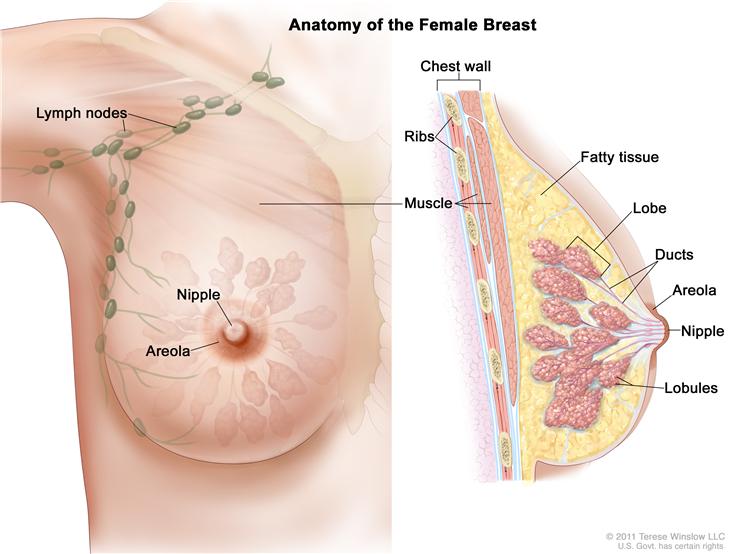
At the mention of the disease cancer people frown and frustration follows almost immediately. Knowing how the kind of pain and suffering the cancer patients go through, a painless treatment solution would be highly recommended. Unfortunately as things stand now this is not the case further complicating the painful lives of cancer patients. Even though cancer does not discriminate on gender or otherwise, women are hard hit by this unhealthy condition. A lot of treatment procedures are being used including the endocrine therapy for premenopausal and postmenopausal for women. Speaking to doctor Dalal Akoury MD and founder of AWAREmed Health and Wellness Resource Center about this condition, she states that women who have been diagnosed with estrogen receptor-positive breast cancer will often most likely be prescribed for daily oral medication after all other treatment ends. However, it is important to note that for endocrine therapy prescription will be done differently for each patient depending on whether they are premenopausal or postmenopausal.

Endocrine Therapy for Premenopausal and Postmenopausal for Women: Endocrine Therapy for Premenopausal Women

Under normal circumstances premenopausal women with breast cancers that express the estrogen or progesterone receptor (ER or PR-positive) will in most cases advised to take tamoxifen for sometimes normally up to five years. This drug impacts the effects of estrogen in cancer cells and helps reduce the risk that the breast cancer will recur in women of any age by almost 50 percent.

Remember that this medication (Tamoxifen) can also be helpful in the reduction of the risk of developing a new breast cancer in the portions of the breast not affected yet. In some cases, women who are younger than 35-40 may also be considered for combined endocrine therapy with medications that temporarily stop ovarian function.

Doctor Akoury registers that in many cases majority of women stop menstruating after receiving chemotherapy, often for several months even though this may extend to a few years. It is also possible that these women despite this changes they are experiencing could still have functioning ovaries and premenopausal hormonal levels despite the absence of their menstrual periods. Besides, the ovarian function could still return unexpectedly. That said, women who are premenopausal, regardless of whether they experience temporary menopause because of treatments, should not be prescribed aromatase inhibitors (unless they are participating in specific clinical research studies). Aromatase inhibitors are typically reserved for postmenopausal women with breast cancer.

Endocrine Therapy for Premenopausal and Postmenopausal for Women: Side effects of tamoxifen

Like with all other drugs the side effects of tamoxifen are generally mild and decreases with time. They include:

  • Hot flashes
  • Decreased interest in sexual activity
  • Weight changes
  • Insomnia or trouble sleeping
  • Vaginal discharge
  • Fertility issues
  • Memory loss
  • Fatigue
  • Joint pain
  • Headaches
  • Hair loss
  • Skin changes
  • Menstrual irregularity
  • Increased sweating
  • Nausea
  • Mood swings

Note that some side these effects can be alleviated through symptom management and other positive lifestyle changes.

Endocrine Therapy for Premenopausal and Postmenopausal for Women: Risk Factors

Serious complications with tamoxifen are rare, especially in women below the age of 50. Some of the complications may include blood clots (deep venous thrombosis or pulmonary embolism) or uterine (endometrial) cancer.

Endocrine Therapy for Premenopausal and Postmenopausal for Women: Ovarian Suppression or Ablation

For premenopausal women with estrogen receptor-positive breast tumors, ovarian ablation or suppression (stopping ovary function) may be an option. Since a premenopausal woman’s ovaries are the main source of estrogen production, temporarily or permanently shutting off their function has been shown to be effective (when used alone) in reducing the chances of a breast cancer recurrence. Studies are now confirming their usefulness when given with tamoxifen instead of chemotherapy or after chemotherapy. This is called ovarian ablation or suppression and can be done through surgery (permanently) or monthly hormonal injections (temporarily). The injection of medication will prevent you from ovulating or menstruating and will put you in temporary menopause. Surgery will prevent you from having to undergo monthly injections, but will put you in irreversible menopause. You should speak to your doctor regarding any plans to conceive children so that together you can decide which option is best for you and your family.

Endocrine Therapy for Premenopausal and Postmenopausal for Women: Ovarian Ablation

A bilateral oophorectomy or ovarian ablation is the surgical removal of your ovaries. This procedure is sometimes recommended if you have been identified as carrying a BRCA1 or BRCA2 genetic mutation and have an increased risk of developing ovarian cancer.  The surgical removal of your ovaries will reduce circulating estrogens in your body down to postmenopausal levels. This surgery is permanent and cannot be undone. For premenopausal women, an oophorectomy will prevent you from conceiving children and will cause permanent menopause.

Endocrine Therapy for Premenopausal and Postmenopausal for Women: Ovarian Suppression

Ovary suppression can be achieved by hormonal drug injections known as gonadotropin-releasing hormone (LH-RH or GnRH) agonist. This works by temporarily suppressing ovulation and, as a result, limiting the amount of estrogen circulating in your body. Estrogen levels usually are reduced to postmenopausal levels within two weeks. Treatment is generally administered by monthly injections. Although you will be in a temporary menopause while taking this drug, it is important to note that this is generally reversible and menstruation often begins shortly after treatment stops. This is not a fail-proof birth control method so you should use a non-hormonal form of contraception too, like an IUD or barrier methods such as condoms or a diaphragm. Side effects are similar to menopausal symptoms and include decreased sex drive, hot flashes, weight gain and bone pain. And to maximize on its effectiveness, ovarian suppression drugs and tamoxifen can be prescribed alongside.

Endocrine Therapy for Premenopausal and Postmenopausal for Women: Drug interactions

Antidepressants – It is estimated that as many as 30 percent of all breast cancer patients in the United States are prescribed an antidepressant at some time during their treatment. However some of these antidepressants may interfere with how tamoxifen works and therefore should be avoided. The following are some of the antidepressants which are expected to interfere with tamoxifen:

Paxil® (paroxetine)
Prozac® (fluoxetine)
Wellbutrin® (bupropion)

In conclusion the endocrine therapy for premenopausal is conclusively addressed in this article and we are going to be concentrating on the postmenopausal in the next article. We want to request you to stay on the link for more health information. But in the meantime, if you have any concern you can about such treatments, you can schedule for an appointment with doctor Akoury for more professional clarification.

Endocrine Therapy for Premenopausal and Postmenopausal for Women: Breast Cancer


Facebooktwitterpinterestlinkedin