Tag Archives: Addiction and drug abuse

Polysubstance Abuse, You can fight Polysubstance Abuse

Fighting Polysubstance Abuse – Drug Addiction
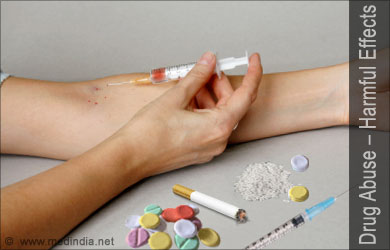
Polysubstance abuse

Fighting polysubstance abuse- the war on drugs must be worn at all cost. Indulgence in polysubstance abuse is not helping fight the war.

We are living in a world where people want to explore all things even those things that are dangerous to their lives. Take for example drugs, there are substances which are not just harmful to one’s life but are life threatening and fatal. You would therefore wonder why someone would want to take this kind of adventure. I am not trying to confuse you here but I am talking about what is known as polysubstance abuse which is defined as the use of more than three groups of addictive substances over a period of one year. This normally happens when a person indulges in acts of abusing several substances within a short period of time, often in an attempt to enhance the effect of a single drug to create a more intense high. We can therefore conclude that polysubstance abuse is where no single substance is identified as the user’s drug of choice.

Some combination drug users have “patterned” use. These include:

  • Alcoholics who for example use will cocaine only after they’ve reached a certain state of intoxication meaning that they don’t overuse.
  • Addicts who speed ball that is to say that they are mixing cocaine and heroin for intravenous use and other combinations.
  • There is another polysubstance subgroup, consisting mostly of adults already addicted to alcohol. After an injury or surgery, they were placed on opiate medications and developed a pain syndrome over time. They then mixed substances or switched to opiates as their drug of choice.

Polysubstance Abuse among Different Populations

Adult polysubstance abuse, according to literature, is often associated with other mental health conditions. Homelessness, personality disorders, and psychiatric disorders such as major depression, psychosis, and bipolar disorder are common. The overlap of polysubstance dependence and psychiatric problems points to a lot of self-medication. Typically, among multiple substance users, individuals used alcohol or marijuana at an early age and then added other substances (or changed their drugs of choice) without quitting their original substances.

  • Among young people, polysubstance abuse is often the norm, and not the exception. The most commonly abused polysubstance by adolescents are marijuana, alcohol, and heroin. Other drugs used include MDMA (ecstasy), dextromethorphan, multiple forms of opiates, cocaine, hallucinogens, and inhalants.
  • A 2004 study of young people reported that one-half had used an illicit street drug by the end of their senior year. Two million young people need treatment for alcohol and drug addiction, but only 8 percent actually get it. Nearly one-third of young people addicted to psycho-stimulants also suffered from attention deficit hyperactivity disorder (ADHD), and 20 percent said they gave their medications to others.
  • One treatment facility said that 33 percent of the adolescents currently in treatment had polysubstance addiction.
  • The elderly are another population that clearly has a problem with polysubstance abuse.
  • Older people have more medical conditions that often require prescriptions. Over time with debilitating illnesses such as Alzheimer’s disease the tendency to over medicate (taking more of a drug, more often, forgetting when and if medication was already taken) increases the likelihood of polysubstance abuse. Combined with alcohol, the results can be devastating, even fatal.
  • Elderly women tend to keep their substance abuse and chemical dependency secret. Alcoholism occurs later in women’s lives, perhaps due to problems associated with divorce or separation. Women who are over 55 have less tolerance for alcohol and are therefore more prone to addiction. They are also less likely than men to seek treatment and also use prescribed psychoactive drugs.
  • Polysubstance abuse is increasingly prevalent among the street drug user population. Different substances abused include heroin, prescription opioids, benzodiazepines, cocaine, crack, alcohol, and marijuana.

Detoxification for Polysubstance Abuse and Addiction

Before treatment to address underlying causes of polysubstance addiction, detoxification must first be done. Detox is more complex and problematic with polysubstance addiction for several reasons. An accurate history of total substances abused must be obtained, and the patient may not be able or willing to provide complete details. Determination of the actual substance being used has to be made using screens for breath, urine, and/or blood.

  • Some patients can be treated on an outpatient basis, but others, particularly those with alcohol, sedative, hypnotic, opioid, and anxiolytic abuse may require hospitalization or inpatient detox. Repeated abstinence failures or severe anxiety, depression, or psychotic symptoms lasting 1 to 3 days after abstinence may also require inpatient substance abuse treatment.
  • After patients admitted for detox for opioids began to show classic alcohol withdrawal symptoms, some treatment professionals opted to routinely treat their detox patients with thiamine until a determination could be made that there was no history of alcohol use.
  • Diagnosis and treatment of patients who have been on psychotropic medications while they were already addicted is more difficult.
  • If a patient doesn’t know, or is unable to discuss, use of opioid drugs and it’s been days since their last drug use, opiate withdrawal symptoms can lag. Urine screens my not be able to detect the drug.
  • Treatment for mixed addiction that also includes alcohol use may include benzodiazepines during the acute phase of alcohol withdrawal. Benzodiazepines can help decrease tremors and prevent or reduce increases in heart rate and blood pressure.
  • Medication to treat symptoms of diarrhea or muscle aches may also be prescribed. Folic acid, thiamine, and Vitamin B-12 may counteract vitamin deficiencies.

Evaluation Factors

The length of the treatment program is determined by how long and what type of substance dependence the patient has, whether or not organ damage exists, any underlying mental illness, the patient’s desire to change and willingness to undergo treatment, adequacy of the patient’s social support system, treatment choice, and plans for ongoing care.

Treatment after Detox

After drug use patterns and substances have been identified, a thorough psychological evaluation is necessary. There needs to be enough time for detox, history evaluation, and a thorough understanding of any psychiatric conditions that exist.

Although there are many different aspects of treatment, they generally include four phases.

The acute phase – this is where the focus is on alleviating symptoms or physiological withdrawal. This typically lasts 3 to 5 days, but is dependent on the number, type, and length of substances abused.

The abstinence period – this phase concentrates on changing the patient’s behavior which is usually about one month

The early remission phase – follows and can last up to 12 months. The sustained remission phase lasts as long as the patient refrains from alcohol or substance use and no longer exhibits any of the criteria for polysubstance abuse.

Treatment during early remission may involve education on the physical, emotional, and psychological aspects of addiction and recovery. The patient learns to identify stressors and triggers that cause drug use. They learn ways to manage those stressors and also build up coping skills. They can also undergo assertiveness training and relaxation techniques.

Polysubstance Addiction – Is There Hope?

Fighting polysubstance abuse is more difficult than abuse of a single substance, but it can be successful. The likelihood of success depends on the individual’s determination and discipline to follow through on the requirements to abstain completely from substance abuse. Such determination and discipline does not come easily, especially for hard-core or long-term abusers and addicts. There may be repeated relapses before stability becomes a part of the recovering addict’s life. After treatment, recovery from polysubstance abuse and addiction just like for any addiction requires ongoing diligence and participation in a support network. While understanding the difficulty involved in treatment and recovery of this nature doctor Dalal Akoury established AWAREmed Health and Wellness Resource Center facility to help in the treatment of all kinds of addiction. Doctor Akoury cares for you and she is riding on more than two decades of experience. Calling on doctor Akoury will benefits you since she will attend to you in the most natural way by focusing on Neuroendocrine Restoration (NER) to reinstate normality through realization of the oneness of Spirit, Mind, and Body, Unifying the threesome into ONE

Fighting Polysubstance Abuse – Drug Addiction


Facebooktwitterpinterestlinkedin

Understanding Addiction as it is

Understanding Addiction as it is – Drug Addiction

Addiction

If only we can understand addiction as it is we would not do things that subject our health in to greater risk

There is nothing that happens without it roots, for example we all have our roots where we came from, who our parents, grandparents etc. are and so when we want to talk about us we are able to locate the roots and get into the story, in the same way the problem of addiction can also be understood from its known roots before we can talk of administering treatment. Understanding addiction will include looking at various triggers for an addiction and why some people appear to be more susceptible than others. In spite of what people say stopping an addiction is such an uphill task and many people do not understand why or how other people become addicted to drugs. It is often erroneously assumed that those who abuse drugs lack moral principles or willpower and they could stop using drugs if they want to simply by choosing to change their behavior.

The truth is that drug addiction is a complex and very complicated disease. Stopping abusing any substance is such an uphill task that takes more than good intentions or strong will. It is important to know that drugs changes the brain in ways that foster compulsive drug abuse. Nonetheless we are today luck that advancement in technology has simplified more about how drugs work in the brain and we are also aware that drug addiction can be successfully treated to help people stop abusing drugs and lead productive lives.

However before commencement of addiction treatment it is to comprehend what an addiction really is and the various factors which lead to the addiction. We can do this by looking at various triggers for an addiction and why some people appear to be more susceptible than others. Therefore:

What Is Drug Addiction?

Addiction is a chronic problem, often relapsing brain disease that causes compulsive drug seeking and use despite all known harmful consequences to the addicted persons and to people around them. When we are opting for drugs in most cases it is never done forcefully. The new user get in drugs on a willing basis, the problem that follows could be devastating in the sense that the alterations that take place in the brain over a period of time influences the addicts ability to practice self-control and hinder their will to resist intense impulses to take drugs.

Like I said we are today much more informed of the availability of treatment procedures tailored to help people counter addiction’s powerful disruptive effects. Several studies have also established that mixing addiction treatment medications with behavioral therapy is one of the best ways to ensure success for most patients. Treatment methods that are tailored to each patient’s drug abuse patterns and any co-occurring medical, psychiatric, and social problems can lead to sustained recovery and a life free of drug abuse. It is important noting that during treatment process just like any other chronic disease patients can relapse and begin abusing drugs again, when this happen, it does not indicate failure of treatment but rather it indicates that treatment should be:

  • Reinstated
  • Adjusted or that
  • An alternative treatment is needed to help the individual regain control and recover.

What Happens to Your Brain When You Take Drugs?

Drugs contain chemicals that tap into the brain’s communication system and disrupt the way nerve cells normally send, receive, and process information. There are at least two ways that drugs cause this disruption it can either happen by:

  • Imitating the brain’s natural chemical messengers and
  • Over-stimulating the “reward circuit” of the brain

Some drugs (e.g., marijuana and heroin) have a similar structure to chemical messengers called neurotransmitters, which are naturally produced by the brain. This similarity allows the drugs to confuse the brain’s receptors and activate nerve cells to send abnormal messages.

Other drugs, such as cocaine or methamphetamine, can cause the nerve cells to release abnormally large amounts of natural neurotransmitters (mainly dopamine) or to prevent the normal recycling of these brain chemicals, which is needed to shut off the signaling between neurons. The result is a brain awash in dopamine, a neurotransmitter present in brain regions that control movement, emotion, motivation, and feelings of pleasure.

The overstimulation of this reward system, which normally responds to natural behaviors linked to survival (eating, spending time with loved ones, etc.), produces euphoric effects in response to psychoactive drugs. This reaction sets in motion a reinforcing pattern that “teaches” people to repeat the rewarding behavior of abusing drugs.

As a person continues to abuse drugs, the brain get used to the irresistible surges in dopamine by producing less dopamine or by reducing the number of dopamine receptors in the reward circuit. The result is a lessening of dopamine’s impact on the reward circuit, which reduces the abuser’s ability to enjoy not only the drugs but also other events in life that previously brought pleasure. This decrease compels the addicted person to keep abusing drugs in an attempt to bring the dopamine function back to normal, but now larger amounts of the drug are required to achieve the same dopamine high an effect known as tolerance.

Long-term abuse causes changes in other brain chemical systems and circuits as well. Glutamate is a neurotransmitter that influences the reward circuit and the ability to learn. When the optimal concentration of glutamate is altered by drug abuse, the brain attempts to compensate, which can impair cognitive function. Brain imaging studies of drug-addicted individuals show changes in areas of the brain that are critical to judgment, decision making, learning and memory, and behavior control. Together, these changes can drive an abuser to seek out and take drugs compulsively despite adverse, even devastating consequences that is the nature of addiction.

Why Do Some People Become Addicted While Others Do Not?

No single factor can predict whether a person will become addicted to drugs. Risk for addiction is influenced by a combination of factors that include individual biology, social environment, and age or stage of development. The more risk factors an individual has, the greater the chance that taking drugs can lead to addiction. For example:

  • Biology – The genes that people are born with—in combination with environmental influences—account for about half of their addiction vulnerability. Additionally, gender, ethnicity, and the presence of other mental disorders may influence risk for drug abuse and addiction.
  • Environment – A person’s environment includes many different influences, from family and friends to socioeconomic status and quality of life in general. Factors such as peer pressure, physical and sexual abuse, stress, and quality of parenting can greatly influence the occurrence of drug abuse and the escalation to addiction in a person’s life.
  • Development – Genetic and environmental factors interact with critical developmental stages in a person’s life to affect addiction vulnerability. Although taking drugs at any age can lead to addiction, the earlier that drug use begins, the more likely it will progress to more serious abuse, which poses a special challenge to adolescents. Because areas in their brains that govern decision making, judgment, and self-control are still developing, adolescents may be especially prone to risk-taking behaviors, including trying drugs of abuse.

Prevention Is the Key

Drug addiction is a preventable disease. Research findings indicate that prevention programs involving social networks like families, schools, communities, and the media are effective in reducing drug abuse. Although many events and cultural factors affect drug abuse trends, when youths perceive drug abuse as harmful, they reduce their drug taking. Therefore it is important to bring in experts like Dr. Dalal Akoury who is also the founder of AWAREmed Health and Wellness Resource Center where she is offering her exclusive NER Recovery Treatment to everyone including other physicians and health care professionals through training, clinical apprenticeships, webinars and seminars. Finally besides what we get from doctor Akoury the general public needs also to be educated and in this area a collective effort from Teachers, parents, medical and public health professionals will be very essential in creating awareness that drug addiction can be prevented if one never abuses drugs.

Understanding Addiction as it is – Drug Addiction


Facebooktwitterpinterestlinkedin

Drug Addiction and Suicide

Drug Addiction and Suicide – Addiction’s Hidden Risks

Addiction

Drug addiction is an indicator to suicide. It brings depression and painful stress that can only result in suicide, seek for help before it is too late

I love life and I strongly believe that you do too. Each person has his or her own peculiar reasons of being a live and there are so many set objectives that we want to accomplish while still alive. These objectives are either set to us by people around us or our own desired goals but the bottom line is that we have them. We may not be able to achieve these objectives if we are not sober in our minds. To be sober we must all desire to stay away from all kind of drugs and drug related activities or influences. We must make all efforts to ensure that our neighborhood is safe and free from any kind of substance abuse. Our children must be brought up morally sound and any element of depression avoided by all means. Doing this should be a collective responsibility to everyone because the consequences of drugs are fatal and suicidal. Therefore anyone who cares about an addict will have several concerns. For instance:

  • The fear of getting serious accident and other body injuries
  • The fear of losing a loved one
  • The fear of drug overdose
  • The fear of committing suicide

These are weighty concerns but for the purpose of this article we will dwell more on the suicide as a consequence emanating from drug abuse. To start us off suicide is a well-known risk for those suffering from mental health problems requiring special medical attention in the assessment and treatment of addiction. You must take keen attention on depression and other mood disorders because these are the primary indicators of risk factors for suicide. Besides this alcohol and general drug abuse are also influential in triggering suicide. As a matter of fact studies have established that alcoholism is a strong indicator even without being depressed and those suffering from drug use disorders are said to be about six times likely to commit suicide than the population not using drugs.

Drug abuse does not only increase the likelihood that a person will take his or her own life, but it is also used as a means for committing suicide. Statistics indicate that for every three people dying from suicide one will be as a result of drug influence and specifically opiates such as oxycodone or heroin, or alcohol. Poisoning is another leading method used in suicide deaths again drugs make up to 75 percent of suicide deaths due to poisoning.

Drug Addiction and Suicide –When Hope Runs Out

Have you ever wondered why suicide is the tragic fate of so many people struggling with addiction? There are a few possible explanations which may include the following:

  • When under the influence of drugs or alcohol, people may lose inhibitions and take risks they would not do when sober.
  • Many people abuse drugs or alcohol in an attempt to relieve the symptoms of depression, anxiety or other mental health conditions.
  • The rate of major depression is two to four times higher among addicts than the general population.

Although drugs may seem to help in the short term, they exacerbate problems over time. When attempting to stop using drugs, people may feel overwhelmed by the return of painful emotions that they had been medicating with drugs. They may also be clear-headed enough to carry out suicidal thoughts and plans. Transitions, such as entering or leaving treatment, relapse, and death, divorce or other major life changes, can be especially vulnerable times.

Abusing drugs, especially depressants such as alcohol or sedatives, can also trigger symptoms of depression, increasing the risk of suicide. As the consequences of addiction pile up, from legal problems and damaged relationships to financial ruin and job loss, individuals may lose all hope that things can get better and for some the feeling of impossibilities may take center stage where victims only see two possible ways of relief i.e. getting back into drugs use or death.

Drug Addiction and Suicide – Treatment and Prevention

The best way of solving the problem of suicide is to prevent it from taking place however treatment will be very fundamental if you are already deep into drugs. It is estimated that about 45% of suicide patients are those suffering from untreated drug abuse disorders. This great number is due to several factors like stigma. Many people often fail to seek for help because of the stigma besides luck of proper training in suicide prevention. It is important that individuals suffering from drug addiction owns up early and seek for immediate recovery process. This will go a long way in containing the situation and suicide can be prevented as a result of treatment.

There are very few primary care physicians trained to help identify and prevent suicide nonetheless the few in administering treatment must not shy away from establishing the genesis of the problem by asking turf questions that would not otherwise be asked. Such questions will be helpful is addressing suicidal ideation even when the patient is struggling or has in the past struggled with addiction, depression or other mental health disorders. It is important that someone ask the difficult question like;

  • Whether the patient has ever considered or attempted suicide
  • Whether they are currently think about or intend to commit suicide.

The patients need to be shown love and let them know that they are not alone and that they are cared for. Impacting the spirit of hope in them is very vital this can be a collaborative effort between them and their loved ones to help create a lasting recovery plan that guarantees their safety and then addressing the underlying issues in trust by a trusted health provider.

Drug Addiction and Suicide – Threats

We worry about the addicts in our lives for good reason. They are at high risk of death by a number of causes including:

  • Diseases
  • Accident
  • Suicide

Suicide prevention requires a multifaceted approach, but it all hinges on the person reaching out for help and effective treatment being available when they take that brave step of turning away from their behaviors. Finally a decision to seek for help is the best thing you can do for yourself. You may want to seek for expert opinion at AWAREmed Health and Wellness Resource Center under Doctor Akoury’s care. Doctor Akoury is a medical professional with several decades of experience and together with her team of experienced experts they will focus on Neuroendocrine Restoration (NER) to reinstate normality through realization of the oneness of Spirit, Mind, and Body, Unifying the threesome into ONE

Drug Addiction and Suicide – Addiction’s Hidden Risks


Facebooktwitterpinterestlinkedin

Drug Addiction and Family

Drug Addiction and Family-How drugs affect families

Addiction

The family as a unit needs to be addiction free for the society to be free too

Family is a very important unit in the society. Before we can have a village, city, nation, continent or the glob we must first have a family. This is the very starting point. If we want to have a safe and peaceful society, village or nation the family must form the roots. Therefore if we want to have an addiction free society we must start with the smallest unit family. It because of this genesis that we want to discuss the effects of drug addiction in the family set up. This is going to be very interesting for you because I believe that you come from a family somewhere. I am inviting you to take a moment and be in this family of addiction knowledge by reading this article to the end.

Like we have said before addiction affect all people in indiscriminately and the effects can either be direct or in direct. As a unit of family members can be affected even if the drug consumer is not an addict yet and so when a member of the family is abusing a given drug say alcohol the whole family is affected. In many cases the person (family offender) may not be an addict or an alcoholic. They are just drinking or taking drugs in a way which upsets others. Having this at the back of our mind let us interrogate some of these scenarios:

  • How a parent with a drug or alcohol problem affects the whole family
  • How a partner with a drug or alcohol problem affects the other partner
  • How a parent’s addiction may affect their children
  • How a son or daughter with an addiction problem affects the whole family
  • Family support

Drug Addiction and Family-Parent with a drug or alcohol problem affects the whole family

In many cases parents are the bread winners of most families, when the bread winner is not in control of his or her behavior then the whole family is in pain which can only heal when immediate corrective measures are taken to salvage the situation and especially the children.  Talking of the children the actions of their addictive parents is a serious risk factor to them because they are likely to fall victims of drug addiction in the future. The parents will not have the moral authority to inspire healthy living in their children because themselves they have fallen and so the entire family is affected.

Drug Addiction and Family-Partner with a drug or alcohol problem affects the other partner

People get into different partnerships for different reasons. The objectives of the partnership are always well outline with each partner taking their role so that the ultimate objective is achieved. It is not easy to live with a person who’s drinking or drug use is causing problems. Normally they are full of conflict, torn between wanting their drug or alcohol and not wanting the harm that always seems to follow. They often blame others when things go wrong.

The sober partner often feels hurt, ashamed, afraid, and has an overwhelming sense of failure. Unfortunately many partners work even harder to ‘fix’ the situation, taking on extra responsibilities, trying to cover up the mess… fighting a losing battle. This is a real problem in which if you are that partner, the first step towards putting things right is to take some time for yourself, and get the support you need. A good friend or a counselor can be a great help.

Drug Addiction and Family-Parent’s addiction affects their children

Children relay on parents for direction and guidance and if this is not forth coming from the parents then they will fumble on their own and may not do the right thing as is required. The people they see as their source inspiration are failing them. With this the following are likely to happen when the roles of parents are not done well:

  • The Family Hero

This is often the eldest in the family. This person is responsible, works hard for approval, and often appears successful. But inside, this person often feels insecure, as if things are always going to go wrong, and feels incompetent, confused and angry.

  • The Scapegoat

This person feels blamed when things go wrong. Everyone focuses on this person’s faults, which provides the family with a distraction from the real problem. So this person often seems rebellious, troublesome, law-breaking, tough… and may be at risk of abusing drugs themselves. Inside, this person is often full of fear, hurt, rejection and loneliness, feeling angry at the unfairness of how they are treated.

  • The Lost Child

This son or daughter appears as a dreamer, drifting above the troubled waters that bother other people. But inside, the person is not as contented as they appear. They are quietly hurt, angry, lonely, with a feeling of being inadequate.

  • The Mascot

Sometimes also referred to as the clown, the person in this role is often charming and cute, fun to be with, quick to make a joke. Sometimes they are quite hyper-active and flit from one interest to another; sometimes quite fragile and easily hurt. But they are good at hiding the hurt, and other feelings of loneliness, insecurity, fear and low self-esteem.

If you recognize any of these roles as being ‘you’, the first step to putting things right is to take time for yourself, to talk to a friend or a counselor. Stop thinking about the addicted person for a while (easier said than done!) and pay attention to your own real needs.

Drug Addiction and Family-How children with an addiction affects the whole family

Whole families can seem to go to pieces when there is a son or daughter using drugs or alcohol. Parents fall out with each other over how to handle the situation, while other sons or daughters can get blamed for being a bad example. The drug user gets so much attention that others are neglected. Rows and bad language upset the peace. If peace and love are the oxygen of life, then the whole family is gasping for breath.

In an airplane, if the oxygen masks are released, parents are supposed to put on their own masks before attending to their children’s masks. The same is true here. You must look after your own needs before helping the one causing the problem.

Even if you are the only person in the family who recognizes the alcohol or drug problem, it is worthwhile getting support for yourself, from a friend or a trusted teacher or a counselor. You may want to consider AWAREmed Health and Wellness Resource Center under Doctor Akoury. At this facility you will meet a team expert who will focus on Neuroendocrine Restoration (NER) to reinstate normality through realization of the oneness of Spirit, Mind, and Body, Unifying the threesome into ONE to help you get better in no time.

Drug Addiction and Family-How drugs affect families


Facebooktwitterpinterestlinkedin

Drug addiction during Seasons; Celebration Time

Drug addiction during Seasons-Celebrations times

Drug addiction during Seasons

While having fun during holiday seasons remember alcohol and drugs can intrude in your holiday schedule and this can be devastating.

People all over the world have one single common denominator, everywhere you go people of all life status like to have moments of celebrations and spend some time enjoying the plenty life can offer. This undisputed interest however come at a cost and many revelers have open specific accounts to save money to finance this season of celebration which normally comes during Christmas and new year eve. I am in total agreement with everyone that some free time away from the hectic and busy schedules of life is necessary in once life because I am equally doing the same. My purpose of this article will dwell on some of the negative things which do happen during this season. In particular we will be discussing the indulgence of drug abuse when marry making. As indicate holiday season is a time where school going students are out, shopping malls are packed to capacity, entertainment joints entrepreneurs are doing good business because of the increase number of clients visiting their joints. Today the celebration time (Christmas and New Year eve) are around the corner and everyone is looking forward to presents, parties, food and booze. For many, the holiday season is a time of joy and happiness, but for some the holiday brings out a lot of stress.

Drug addiction during Seasons-Stress and celebrations

  • The holiday season triggers both good and bad forms of stress and emotions almost in equal measure.
  • Some people will cope with stress by turning to food. They will indulge in large amounts of food that can result in weight gain and eventually obesity.
  • Stress can also trigger negative behaviors like alcohol consumption and drug use. For sure alcohol and drug use are often exacerbated during the holidays, especially on Christmas and New Year eve.
  • Stress is also one of the leading causes of alcohol and drug relapse.

Much as it is a time of relaxation, the holiday season may be a distraction and overwhelming for individuals who are recently recovering from addiction.  Take for example the transport sector of any nation, rate of automobile accidents, drug overdoses, suicides and violence causing death increases tremendously during the holidays. Nearly all these incidents are connected to alcohol and drug abuse, typically by those who are trying to cope with the holiday stress. A study conducted by the Centers for Disease Control found that suicide victims commonly tested positive for alcohol or illicit drugs and about 33% of the suicide victims tested positive for alcohol, 16% tested positive for opiates, 9% tested positive for cocaine and 8% tested positive for marijuana, worrying statistics indeed.

Drug addiction during Seasons-Alcohol the biggest cause of injuries

Of all the substances abused alcohol is the biggest contributor of causes of unintentional injuries, like those resulting from car accidents. It impairs and influences judgment and may place persons at higher risk of getting injured which can even result in death. Studies have also found that alcohol is more harmful than many illegal drugs, including marijuana, ecstasy, GHB and even amphetamines.  According to British Columbia studies in 2005, there were 25,194 alcohol-related injuries and illnesses that resulted in hospitalization, compared with 4,817 related to illicit drug use (Toast the season, 2007). Researchers have found that on New Year’s Eve students drink 10 more alcoholic drinks than non-alcoholic drinks something which is causing the authority great concern.

Drug addiction during Seasons-Illegalities at the entertainment joints

When young people visit social festivities such as those held at bars, parties or nights-clubs they tend to compete for recognition and find themselves falling to peer pressure. For instance the youth often involve in use of date rape drugs. It’s important that young people especially women need to be aware of these drugs. For better understanding a date rape drug is any drug that is used for the purpose of getting someone intoxicated, usually by slipping the drug into the an unsuspecting victim’s drink. When the victim drinks the contaminated drink she loose the vital senses to the point where forced or non-consensual sexual assault can take place more easily or with little resistance. Some of the well-known date rape drugs include rohypnol, GHB and ecstasy. These drugs have no color, taste or smell making the very convenient to their users to drug their unsuspecting victims who will not be able to tell if they are being drugged.

Drug addiction during Seasons-Precautions when drinking

When out celebrating, young people must take extra precautions when they are enjoying drinking in the company of their friends. Precautions will include:

  • Never accept drinks from strangers.
  • Always have you drink open before you.
  • When using drinking glasses never leave your glass or bottle half way when visiting the bathrooms and if you do order for fresh drink and dispose whatever you left halfway.
  • Drink responsively less you intoxicate yourself for your prey to have a field day.
  • Better still do not drink.

Stress is a big impediment to drug free society and our young people are very delicate during the holiday period. Parents and guardians must not exact unnecessary pressures to the youths during the holiday season. Personal issues, family conflicts and financial matters may impact negatively to the health and well-being of an individual and because of these pressures youths tend to turn to drugs and alcohol to let loose and forget their problems. The temptation to go to parties, where alcohol and drugs are frequently offered, is high. When an individual is stressed it is important that they get a healthy amount of rest and sleep and take part in activities that can help decrease stress levels like exercise, yoga, meditation, listening to music or getting a massage.

Finally as I conclude this article, I want to address the young people passionately on what to do when face with the discussed circumstances.

  • Youths should understand that there are fun alternatives to using drugs over the holidays.
  • Instead of resorting to drugs they can use friendly non-alcoholic drinks, such as smoothies or non-alcoholic cocktails.
  • When they are invited to a party they should go with a friend who does not drink.
  • At the party, they should engage in healthy conversation, dancing and enjoying the music.
  • Eating is always a good way to distract the need of having a drink in your hand.
  • Food can also make you full, thereby avoiding the need to drink.
  • Most importantly, if they feel overwhelmed, they should ask for help.
  • They should take the time to connect with other people who are willing to support them positively.

With all these information you will still need professional guidance in the event you are overwhelmed. If this is the case then you need the services of AWAREmed Health and Wellness Resource Center under Doctor Akoury who will care for you and together with her team of experts administer treatment to you while focusing on Neuroendocrine Restoration (NER) to reinstate normality through realization of the oneness of Spirit, Mind, and Body, Unifying the threesome into ONE. Passing through doctor Akoury will give you an opportunity to get your life back in record time and live it to the fullest.

Drug addiction during Seasons-Celebrations times

Enhanced by Zemanta
Facebooktwitterpinterestlinkedin