Category Archives: Obesity

Leaky Gut Syndrome

Leaky gut syndrome-Alcohol abuse and Drug addiction
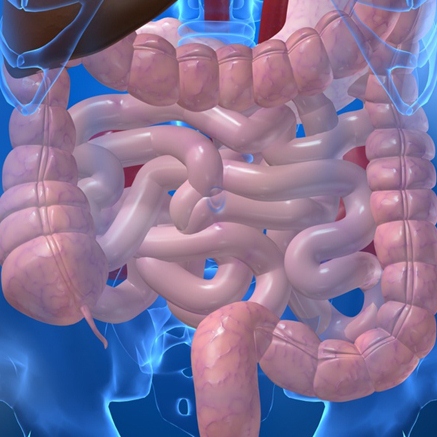
Leaky gut syndrome

Leaky gut syndrome is term used to describe a collection of symptoms that center on damage in the lining of the large intestine.

Leaky gut syndrome is an unofficial term used to describe a collection of symptoms that center on damage in the lining of the large intestine. This damage apparently gives undigested food particles and toxins access to the bloodstream by producing minute gaps in the intestinal wall. While there is controversy regarding some of the purported effects of leaky gut syndrome, most doctors believe that unusual permeability in the large intestine can cause real health problems. People who abuse alcohol commonly experience significant changes in their intestinal function. These changes can potentially support the onset of leaky gut syndrome, or worsen its effects once it appears.

Leaky Gut Syndrome Basics

When looking at these terms medically there is great difference between syndromes and diseases. The difference is that diseases portray specific collections of symptoms with unique and distinguishable underlying causes while syndromes portrays symptoms which normally appears at the same time and have a number of potential known or unknown underlying causes. The symptoms associated with the presence of leaky gut syndrome include:

  • Diarrhea
  • Excessive flatulence
  • Unexplained fatigue
  • Unexplained fever
  • Heartburn
  • Ongoing or recurrent abdominal pain
  • Recurrent bladder infections
  • Hemorrhoids, food allergies
  • Frequent hunger
  • Joint pain
  • Muscle cramps
  • Lymph gland swelling
  • Psychological problems such as memory impairment and depression.

Normally, the bowel wall is sealed tight with the help of cell structures called desmosomes, which overlap the cells in the wall and stop them from tearing. Under certain circumstances, irritation or damage in the desmosomes can loosen their grip on the bowel wall and lead to the formation of tiny gaps that make the wall abnormally porous or permeable. The development of leaky gut syndrome begins when materials pass through these gaps and enter the bloodstream. Since these materials don’t belong in the bloodstream, immune system cells identify them as invaders and attack them. In turn, this immune response can produce increasing levels of inflammation that further damage the bowel wall, and thereby provide passage for larger molecules of undigested food and various toxins.

Leaky gut syndrome-Alcohol’s Effects

Alcohol consumption damages normal function in the intestinal tract in one of two ways:

  • The presence of alcohol appears to reduce the level of activity in key substances in the body called prostaglandins. Among their many functions, these substances help the body control the amount of inflammation that occurs at the site of any injury. Alcohol-related suppression of prostaglandins essentially allows inflammation to increase in an uncontrolled manner. While the effects of any single drinking session will produce only a temporary suppressing effect on prostaglandin levels, the type of habitual, heavy drinking commonly associated with alcohol abuse can produce ongoing prostaglandin suppression that contributes significantly to inflammation in the large intestine (and other areas of the body). In turn, this inflammation can trigger or support the development of leaky gut syndrome.
  • Heavy alcohol consumption also damages the body’s ability to pull nutrients from food and digest them in the small intestine. Ways in which this damage occurs include a reduction in the output of substances, called enzymes, required for digestion of certain types of nutrients; direct impairment of the cells in the small intestine responsible for absorbing nutrients into the bloodstream; and the creation of nutritional deficiencies that further disrupt the absorption of important nutrients. In people with preexisting cases of leaky gut syndrome, nutritional deficiencies and lack of effective nutrient processing can contribute to a worsening of the syndrome’s symptoms.

Leaky gut syndrome-More Women Affected

Women who abuse alcohol may develop more leaky gut-related problems than men. Part of this disparity stems from the fact that, compared to men, women have relatively small amounts of an enzyme called alcohol dehydrogenase, which is required for the breakdown and elimination of alcohol. This means that alcohol tends to stay in women’s bodies longer because of this deficiency. Women also have a reduced ability to effectively process alcohol during certain portions of the menstrual cycle.

Leaky gut syndrome may play a role in the onset or worsening of recognized gastrointestinal ailments such as irritable bowel syndrome, Crohn’s disease, and celiac disease, as well as a number of other ailments. Some alternative medical practitioners make unsubstantiated claims for the syndrome’s role in illnesses such as autism and multiple sclerosis. Since leaky gut syndrome is not a distinct, recognized medical disorder, physicians don’t diagnose the condition in their patients; instead, they usually consider its symptoms in a larger medical context as they work toward diagnosis of a recognized disorder.

Finally leaky gut syndrome has a way of making one’s life uncomfortable irrespective of gender. It is everyone’s desire to be healthy and be comfortable this is the reason why Dr. Dalal Akoury founded AWAREmed Health and Wellness Resource Center, is offering exclusive NER Recovery Treatment to other physicians and health care professionals through training, clinical apprenticeships, webinars and seminars.  This program is also open to any other qualified professional nonetheless individual are also not left out if you or any of your friends or colleague is suffering from any kind of addiction or you just want to get the detailed information about addiction treatment, preventions and control then this is the place to be. You will be attended to by a team of experts lead by doctor Dalal Akoury in administering treatment to your condition in a more natural way with majorly natural means to get you recovered completely and have your life back and live it to the fullest.

Leaky gut syndrome-Alcohol abuse and Drug addiction


Facebooktwitterpinterestlinkedin

Sugar Addictions; the Psychology behind Sugar Addictions

Psychology behind Sugar Addictions-Drug Addiction

Sugar addictions

Sugar hides itself between cookies, cakes, sodas because these are what we use daily, be careful of sugar addictions

Who doesn’t like sweet things? This is a question whose answer would probably be the same across the divide in our global society today. I am almost attempted to believe that you have a positive answer to my introduction. But all the same we all need sugar to make our food staff much tasty and we can find sugar nearly everywhere in our homes, supermarkets, social places and even in the religious setups. You may be wondering how sugar finds its way nearly in all places, to help you on that, sugar hides itself between cookies, cakes, sodas and other foods you may be thinking of. Now all this food stuff is found everywhere and that is how we are surrounded with sugar which in itself is an addictive substance.

Food molecules enter the body in three different ways that is through fats, carbohydrates and protein. Of this sugar is categorized as carbohydrates which are composed of hydrogen, carbon and oxygen. Sugar is relatively a simple molecule and it is easier to break down in the body intestinal system. This element sugar can be found in many different forms today. This forms can include anything from simple white cane sugar (what we usually use in baked goods) to the more exotic sugars like agave nectar or molasses. All of these substances contain the same mixture of simple sugars, which are glucose, fructose, and sucrose. These three types of sugars can be mixed and matched in order to create a unique combination.

Saying that sugar is addictive then what is addiction? It is something that causes psychological dependence, addiction can be classified as dependence which is characterized by compulsive, sometimes uncontrollable, behaviors that occur at the expense of other activities and intensify with repeated access. Looking at addiction in relation to sugar would mean that consumption of sugar consistently and without any form of control can cause injure the operations of daily activities.

Psychology behind Sugar Addictions-Signs of Sugar Addictions

For one to be diagnosed with a sugar addictions, most likely the psychologists and doctors would look at three different signs:

  • Bingeing
  • Withdrawal
  • Craving

Anyone of these symptoms can be an indicator of initial stages of an addiction but all the three combined together points to a serious dependence on a certain substance. Ordinarily we would think of alcohol and other drugs as addictive substances, but for sure sugar is a very real addiction too. The consumption of sugar increases the serotonin levels in the body which is a calming and mood elevating neurotransmitter. Serotonin is an anti-depressant and regulates pain levels and sleep cycle. When sugar levels increase, serotonin levels rise and individuals can feel better about themselves both physically and mentally. Many times we think of cookies and ice cream as comfort food, so this could be one reason why some people have a hard time staying away from these sweets.

Ingesting sugar can also increase dopamine levels. Studies have proven that addictive substances like cocaine and heroin cause elevated extracellular dopamine levels in the nucleus accumbens. This same process occurs when foods rich in sugar are ingested. It has also been found that the dopamine receptors are critical for people to experience pleasure for normal life events like watching movies, exercising, or reading books. A deficiency in this receptor can lead to depression, so many times those who are deficient in the dopamine receptors may turn to drugs or sugar for pleasure. A deficiency in the receptor has also been linked to a variety of disorders like alcoholism, bulimia, or binge eating.

Psychology behind Sugar Addictions-Effects of Sugar on the brain

Intermittent sugar access can also act through the opioids in the brain.  The changes in the opioid systems of the brain caused by eating sugar lead to the addiction-like signs of withdrawal. “Intermittent, excessive intake of sugar can have dopaminergic, cholinergic, and opioid effects that are similar to psycho-stimulants and opiates, albeit smaller in magnitude” (Avena, 2008). Even though the effects of sugar on neurochemicals are mild, it can lead to a dependency or addiction over time.

In addition to the neurochemical reasons for sugar addictions, there is also an area in the brain that shows signs of sugar addictions. In a study where participants consumed sugar and brain activity was analyzed, it was found that the orbitofrontal cortex was active after sugar consumption. The orbitofrontal cortex is an area in the front of the brain where human’s process rewards. This means that eating sugar is a rewarding activity, so we are likely to continue to eat sugar in order to feel reward and pleasure.

Psychology behind Sugar Addictions-Who is affected the most by sugar addictions

Those at risk for sugar addictions include:

  • Those with bulimia, binge eating disorder, obesity, alcohol dependent, smokers and those with chronic pain. This is because sugar addiction is comparative to these disorders, and many times these disorders may occur congruently with sugar addictions.
  • Healthy, normal weight individuals, by definition, do not suffer from food addiction; however, overweight and obese individuals could meet clinical criteria. The reason for sugar addictions is not because sugar tastes good, but rather it is in the way it is consumed with alternating binging and restricting.

Environmental factors can also trigger sugar addictions for example watching a commercial about candy, smelling cinnamon rolls come out of the oven, or simply being around sugar can cause someone to start eating it uncontrollably.  Eating sugar can also become a learned response by simply eating sugar when hungry, bored, or tired so that someone craves it whenever they feel this way. Overtime it will be a habit to simply reach out and eat sugar when these cues arise.

Psychology behind Sugar Addictions-Summary-Why is Sugar Addictive?

Sugar addictions, or sugar dependence, is based off the three basic stages of bingeing, withdrawal, and craving. Sugar can cause the neurochemicals dopamine, tryptophan, and serotonin to increase. All of these are involved with pleasure, reward, and pain tolerance that can make sugar irresistible. These neurochemicals are also released with other drugs of addiction, which links sugar addictions to any other addiction. Finally sugar is addictive because:

  • We Feel Better When We Eat It. Eating sugar increases the serotonin levels in the body, which is a calming and mood elevating neurotransmitter. Serotonin plays an important part in regulating pain levels and sleep cycles, and it is an anti-depressant. When sugar levels increase, serotonin levels rise and individuals can feel better about themselves both physically and mentally.
  • It’s as Addictive as Drugs like Cocaine. Ingesting sugar can also increase dopamine levels, which also happens when someone ingests cocaine or other addictive drugs. This can cause a binge and withdrawal cycle and lead to a dependence on the substance.
  • The Brain thinks it Is Rewarding. The orbitofrontal cortex is an area in the front of the brain where humans process rewards, and this is activated when someone consumes sugar. Therefore, sugar is seen as rewarding to the body.

We can never conclude without offering an avenue for help in case you or your loved ones are suffering from sugar addiction. The over two decades experience of doctor Akoury in helping people suffering from addiction is an experience you would want to be part of. She is also the founder of AWAREmed Health and Wellness Resource Center where emphasis is made on Neuroendocrine Restoration (NER) as a means of treating addiction to reinstate normality through realization of the oneness of Spirit, Mind, and Body, Unifying the threesome into ONE. This is a resource you would not want to miss.

Psychology behind Sugar Addictions-Drug Addiction


Facebooktwitterpinterestlinkedin

Types of Addictions

Types of Addictions-Drug Addiction

Addiction

Because addiction is not a respecter of anyone you must take the bold step of getting help.

When you mention the word addiction to anyone they will probably and definitely think of drugs abuse because addiction has been time immemorial been associated with drug abuse. This notion is well guided due to the fact that abused drug may lead to addiction and so this theory is just right. However it is not just the drugs that one can be addicted to there are a whole range of things that we can become addicted to as a society. Some of these may include gambling, exercise, ‘retail therapy’ (shopping), sex, food, alcohol, the Internet, and the list goes on and on. Those many elements of addiction will form our discussion in the coming articles but for the purposes of this article we are focusing the obvious one in many people’s mind that is drug addiction which majorly includes the following:

  • Alcohol
  • Nicotine (smoking)
  • Drugs (cocaine, heroin, amphetamines etc.)
  • Caffeine (coffee, chocolate etc.)

Addiction has been associated with crime, untidiness and reckless behavior among many other behaviors. This school of thought portray drug addicts as people with mental problems and a picture of a pale, skinny individual with needle marks down their arms who lives in the streets and commits crime to feed their habit. This description may be a stereotype but like all stereotypes, it contains an element of truth because for sure there are addicts who look and behave in this way, but then a gain there are also a great many addicts who do not. There are good populations of people who hide their addiction signs so well that no one would notice or detect that they have addiction problem. In our previous postings we have repeatedly stated that addiction is respecter of person. It doesn’t matter who you are or what you do whether you are working class or middle class; young or old; male or female, or married or single, rich or poor addiction can affect anyone of us and the way they do varies between individuals.

Types of Addictions-Alcohol addiction

The substance alcohol is one which legally allowed in the society and besides its addictive nature it is majorly used socially. Many people enjoy a drink and are able to control how much they consume. These are the group that may be referred to as responsible alcohol consumers but the opposite of this are those who will find that alcohol become more than a pleasant social activity and take it excessively these are the group we call addicts who suffer alcoholism and are addicted to alcohol.

Types of Addictions-Nicotine addiction

Nicotine which is present in cigarette smoke is a highly addictive substance and is very difficult to break away from. There are many people who have confessed that they became addicted after their first cigarette puff although smoking experts tend to disprove this. It may take only a few cigarettes for someone to become addicted to the ‘high’ experienced as nicotine affects every area of your body and brain.

The moment you are addicted automatically your body will craves more and more nicotine and that is why there is no such thing as ‘social smoking’. Your body adjusts to a certain level but then requires ever increasing amounts of this to satisfy the urges which mean that you smoke more and more cigarettes.

Types of Addictions-Drug addiction

This includes addiction of both ‘hard’ and ‘soft’ drugs, and examples of these include marijuana, ecstasy, crack cocaine and heroin. There are also hallucinogenic drugs such as LSD, solvents such as glue or ‘poppers’ and prescription drugs such as anti-depressants or tranquillisers.

Another category of drugs are those which are often used to improve athletic performance anabolic steroids. Dear reader this is a wide ranging subject so in order to help our understanding we will have discussions of the individual drugs in our subsequent postings so you don’t want to miss this stay tuned for more information on these drugs on an individual basis.

Types of Addictions-Caffeine addiction

This is very interesting because many of us are ignorant of its effects on our life. I can almost be sure that this morning you took a quick cup of coffee before you left for work and since we are almost using it daily you may be surprise to know that it causing an addiction, caffeine is a powerful stimulant and can cause more problems than you can ever imagine. We know that caffeine is commonly present in tea and coffee but it is also found in cola, chocolate and some types of medication. Caffeine is useful a ‘pick me up’ but like many things in life, if used to excess then it can damage your health.

In conclusion as I said in the introduction of this article addiction is wide and covers a lot but we only dwelt on the drug addiction as a segment and the four forms the greater titles in drug addiction. It is the nature of addiction to negatively re-arrange one’s life, adequate information about addiction is very necessary for you to help you make informed decisions and timely. If you ever notice any of these types of addiction in your life, family member, friend or colleague then you can be of help to them by referring them to doctor Dalal Akoury who is an expert on this and has administered treatment for over two decades now. She is also the founder and the chief executive of AWAREmed Health and Wellness Resource Center. Visiting this facility will be the best thing you can do for yourself when in problems of addiction, her team of experts will focus on Neuroendocrine Restoration (NER) to reinstate normality through realization of the oneness of Spirit, Mind, and Body, Unifying the threesome into ONE and your life will positively change forever.

Types of Addictions-Drug Addiction


Facebooktwitterpinterestlinkedin

Social use or an Addiction

Social use or an Addiction-Drug Addiction

Addiction

whether you take drugs for social reasons or otherwise drug addiction is real and treatment must follow immediately.

We have been talking about addiction and its effects not just in articles posted online but also in many different forums across the globe. The intensive discussion about this topic is a clear indication that it is no one’s cup of tea. Ironically some of the suspect drugs are not just legally accepted by different authorities but a great source of revenue for major economies. Take for example of alcohol which is believed to be the leading abuse drug globally is used immensely for social purposes and at the same time it is addictive and its addiction is very injurious not just to the alcoholic but to the greater society in many ways, begging the question are drugs for social use or an addiction? It can be difficult deciding between something (drug) which is used on a casual basis or has become an addiction. As difficult as it may be when you look and evaluate the merits of drug use and the demerits, the demerits outnumber the merits greatly.

Social use or an Addiction-A glass of wine or two

There is an old saying that ‘everything in moderation’  still holds true and it is the case that a small amount of something, for example alcohol or a couple of cups of coffee per week is not likely to cause any harm. In fact it may do you some good. One example of this is red wine which is considered to be good for your heart and health in general. Taking this further, there is the case of the ‘French Paradox’. This expression arose from a research study carried out in 1992 which reported upon the fact that the French diet was high in fats yet they had a relatively low rate of heart disease.

Social use or an Addiction-A cup or several cups of coffee a day

Caffeine is another substance which is fine in small amounts but not if taken to excess. It is a stimulant enjoyed by many people who like the fact that it acts as a ‘pick me up’ especially first thing in the morning! But excessive amounts of coffee will have a negative effect on your health. We have discussed in details the effects of caffeine addiction in our earlier posting. A cup of coffee again is used quite often in social places and for social objective however as started in the earlier posting if used excessively then it is addictive and can cause addiction.

Social use or an Addiction-Nicotine and other drug use

Smoking and drugs in general are not considered good for your health irrespective of the dose.

The dangers of smoking are well documented in fact all adverts of cigarette globally are mandatory required to publicly inform the ultimate smoker of the dangers associated with its smoking and its addictiveness and yet nicotine addiction is very difficult to break despite all these information and restrictions aligned to it. Many smokers argue that it helps them to relax justifying the social aspect of its use yet the long term problems associated with it cannot be ignored.

Drugs such as cannabis or cocaine may ‘help’ it consumer in terms of an instant ‘high’ and an escape from reality but they are highly the bottom line is that irrespective of the insignificant social benefits they are addictive and dangerous to your health.

Social use or an Addiction-Performance enhancing drugs

What about substances such as anabolic steroids or other performance enhancing drugs which are taken for purposes of increasing muscularity or athletic performance?

If for instance someone does not use these drugs regularly will it be okay to brand such persons addicts? We know that these drugs have side effects and in some cases, are fatal yet people still and willingly continue to take them. A new trend has recently appeared in which women use drugs such as testosterone in order to boost their assertiveness and confidence at work in the hope of furthering their career. Anyway testosterone is a male hormone which is responsible for muscle mass, lower body fat levels, sex drive, confidence and assertiveness.

This can be tempting to women who are trying to reach the top-the boardroom in male-dominated jobs.

Social use or an Addiction-At what point does casual use turn into an addiction?

If you use a substance on a social basis, are in control and don’t need it to function as a normal human being then it is safe to say you are not addicted. But if you need a particular substance to satisfy cravings, prevent unpleasant withdrawal symptoms or as a means of coping with daily life then you need help.

It is often the case that an addiction develops from casual use. It may be that you have strong enough willpower to stop your addiction but this is easier said than done. Some drugs such as cocaine, heroin or amphetamines are highly addictive and can lead to an addiction the first time they are used even if in small quantity. They are dangerous as well as powerful and it takes more than willpower to stop taking them. The first step is realizing that you have a problem of addiction and then seeking treatment for it.

Finally we may not have the opportunity to put in writing all the social usage of drugs but keep note must be taken when comparing the social benefits and addiction, the open truth is that these drugs are addictive and can cause addiction in no time. Because of their addictive nature Dr. Dalal Akoury, has in the past decades working on the best addiction treatment and she in line with this need Founded of AWAREmed Health and Wellness Resource Center, at this facility she is offering her exclusive NER Recovery Treatment to all people irrespective of their background. Among the beneficiaries here are physicians and health care professionals. Doctor Akoury is passing her experience to people through training, clinical apprenticeships, webinars and seminars. Everybody is welcomed to be a part of this truly successful and fast addiction recovery treatment.

Social use or an Addiction-Drug Addiction


Facebooktwitterpinterestlinkedin

Social Effects of Addiction

Social Effects of Addiction-Drug Addiction

addiction

No matter where you are and what you do addiction is still a threat, alcohol is even worse

Many people are very much conversant with the physical and psychological effects of an addiction but with little or no knowledge of the social effects of addiction. To say the truth social effects in many ways can be more harmful than the other two common ones put together. We by now must appreciate that drug addiction does not just affect the addict and abusers of substances, it’s effects are way beyond the addicts and has a far reaching effect which encompasses all family members, friends, employers, healthcare professionals and society as a whole. If you are addicted for example to alcohol, nicotine, drugs or even caffeine then the effects of this can negatively impact upon the following social categories:

  • Marriage and Relationships
  • Home and family life
  • Education
  • Employment
  • Health and wellbeing
  • Personality
  • Financial issues
  • Law and order

To have a clear understanding of this listed categories let us take a moment and discuss each of them;

Social Effects of Addiction-Marriage and relationships

If you have a situation in which one half of a couple is an addict then this can cause untold hardship for the other half. The person who is addicted may have changed from a previously easy going personality to one who is prone to mood swings, violent outbursts, secrecy and other forms of extreme behavior.

This is difficult for their partner to deal with and is even worse if there are children involved. It is both distressing and confusing for children to see one parent (or even both parents) exhibit signs of their addiction.

The person who is suffering from an addiction may be in financial difficulties which the other person is unaware of. Combine this with their irrational behavior, paranoia and in several cases, criminal behavior and you have a recipe for marital breakdown. In many cases the addict resorts to violence in desperation for their next ‘fix’. If he/she is craving a drink, cigarette or a particular drug but is unable to satisfy that craving – either due to a lack of money or prevented from doing so by their partner then violence is often the result.

Social Effects of Addiction-Home and family

On the subject of home or family life, there is also the possibility that the rest of the family may feel embarrassed or ashamed at this behavior of their loved ones. They will be bothered by the reactions of the society and specifically what others might say or think about their situation. This creates uncertainty to the family causing them to be confused and unsure as to what to do for the best.

If you are suffering from an addiction you may not know when under the influence of the substance but for the short time you will be sober you will definitely find out that your family is very concerned about your condition and are willing to help you realize that you have a problem and are prepared to face up to it. This concern may seems to you as if your family has pushed you out but it could also be the case that they see this as a form of ‘tough love’ in which they are giving you time to reflect upon yourself and your addiction. This they are doing with the hope that you will seek treatment for your addiction. Of cause they will provide support and help as well but you need to take that first step which to acknowledge that you have a problem.

Social Effects of Addiction-Education

If a child or young person is suffering from an addiction then this will impact upon their academics, relationships with other children and their home life. One such effect of this is truanting from school. This can happen if the child is addicted or if they have a parent who is an addict and neglects to care for them.

It is hard for a child or young person to resist the temptation of alcohol, cigarettes or drugs. A desire to be part of the gang or to try ‘forbidden fruit’ as a means of growing up can very quickly lead to addiction. Addiction tends to occur much more quickly in a young person than in an adult. The problem is that they can be hooked from just the first time they try a substance.

Social Effects of Addiction-Employment  

Employers are affected if any of their employees develops an addiction. The employee concerned may have changed from that well behaved and efficient worker to someone who is late and careless at work, has neglected their appearance and personal hygiene and is displaying erratic or unacceptable levels of behavior. They may have started to go absent for no good reason, not completed their duties or stolen from colleagues and/or the company.

This results in that employee losing their job which then impacts upon their home and family life. Loss of their job means a reduction in income – especially if he/she is the main breadwinner, and puts a strain on the relationship. It can then lead to marriage/relationship breakdown and/or divorce.

Social Effects of Addiction-Health and well-being

The body’s well-being is mandatory all the time and anything affecting it must be corrected instantly where possible. Addiction is one element with negative influence in the well-being of the body with the most obvious effect of drug addiction being that on the physical health. Nonetheless there are some substances such as alcohol or caffeine which may be fine on an occasional basis and in moderate amounts however when the consumption become a regular habit then they damage to your health.

For instance couple sticks of cigarettes in a day can also be harmful. You may argue that you are a very light smoker and that this won’t cause a problem but you must also know that nicotine is a powerful stimulant and damage starts early on. Remember that with cigarette smoking you don’t have to physically smoke whatever quantity for you to be affected because you can be affected as a third party smoker that is to say you stay close with smokers when they smoke and inhale the polluted air full of nicotine from the cigarette smoke.

Social Effects of Addiction-Personality

Addiction affects someone’s personality and behavior in a variety of ways although this very much depends upon the type of substance used and the amount; their psychological make-up before the addiction and physical health and their lifestyle.

Some substances have a greater effect than others upon mental health, for example, heroin is stronger than nicotine and will have a bigger impact upon the brain. Added to that is the fact that all of us are different in regard to our psychological make-up which means that at any given time will you find two people affected in the same way. So, one person may experience a greater level of ‘damage’ than another person using the same substance, mainly due to their brain chemistry. Bringing us to the question “what does an addiction do to someone’s mental health and behavior?”

  • Drug addicts will always demonstrate behavior which is completely out of character.
  • They may become secretive or deliberately offensive and harm themselves, lie, cheat or steal.
  • They may also place their addiction needs above the basic needs of their family and friends.

Social Effects of Addiction-Financial issues

The costs of an addiction not only affect the sufferer but can also encompass family, friends and society as a whole. There are the costs of policing, drug addiction help lines, support groups and rehab clinics. Indirectly there is lost revenue in the form of tax and national insurance contributions each time an addict loses their job or is unable to work. This means a drop in revenue for the Treasury and an increase in welfare benefits, e.g. unemployment benefit.

This may sound extreme but if you were to multiply all of this by the number of drug addicts in different countries, then it all adds up to a hefty drain on the country’s purse strings. However on a smaller scale there is the financial damage to family or friends as the addict will resort to theft or other criminal means in order to fund their habit.

Social Effects of Addiction-Law and order  

It is an open truth that people who are addicted to drugs very often turn to crime as a means of paying for their addiction. This is very costly for the economy since it involves stealing or fraud to obtain the funds necessary to bankroll their addiction. The sad part of it is that it normally starts in small scale like stealing from one’s partner, family or friends and the in graduates to include the employer or several organizations and eventually into serious robbery with sophisticated weapons. At AWAREmed Health and Wellness Resource Center under Doctor Akoury’s care, we focus on Neuroendocrine Restoration (NER) to reinstate normality through realization of the oneness of Spirit, Mind, and Body, Unifying the threesome into ONE, you will be safe with this team of experts and your life will never be the same again.

Social Effects of Addiction-Drug Addiction


Facebooktwitterpinterestlinkedin