Category Archives: Obesity

Obesity-medical-poster-design-37231081

Cyberbullying and body weight

Cyberbullying

Cyberbullying and body weight among children is not only subjecting them to several health risks, but also to social discrimination

Cyberbullying and body weight: Stigmatizing obese children

Up to now, very little research has been done about cyberbullying specifically toward obese children. Nonetheless, the high rates of youth who report witnessing and experiencing weight-based teasing could be a pointer of the magnitude of the problem many obese children are victims of cyberbullying. Devastating stories of two girls who hung themselves have recently circulated in the media. Megan a 13-year-old Missouri girl who struggled with her weight, experienced cyberbullying on MySpace and was called “fat” and “slut” by someone posing as another person. Celina, an 11-year-old Florida girl, experienced cyber-bullying via text messages from classmates who jeered at her weight and race. And like I had said, we all or our children the duty of care and so it is important to ensure that weight-based cyber-bullying is on the radar of parents.

Doctor Dalal Akoury MD, and founder of AWAREmed health and wellness resource center reiterates that parents can be powerful change-agents in bringing this issue to the attention of schools, and especially to help protect their own children from becoming victims of cyber-bullying. Parents can also communicate the following messages to their children to help prevent cyber-bullying, and to react appropriately if it occurs:

Prevention

  • Never share or post your private/personal information (name, address, phone number).
  • Do not share your passwords with anyone, not even friends.
  • When you see a picture, Email or message that may be hurtful, embarrassing or cruel, delete it do not forward it.

Reaction:

  • If you are the victim of cyberbullying, do not retaliate.
  • Record the message and details as best as you can.
  • Then, delete it, block the bully, sign-off or exit the Web site and tell an adult.

The facts
we have many opportunities for overweight youth to be cyber-bullied. Teens use the Internet and send/receive text messages significantly more than any other age group, with 93 percent using the Internet and 73 percent using social networking Web sites – most often Facebook and MySpace.

Three-fourths of teens own a cell phone, and on average, teens send/receive 2,539-4,050 texts per month. This is concerning given that the Internet and cell phones are the primary places where cyber-bullying occurs.

Cyberbullying and body weight: Strategies for parents

Monitoring Cyberbullies and victims spend more time on computers and report less monitoring than youth who are not involved in cyber-bullying. Regulate the time and access your child has to the Internet. Set boundaries on usage and the types of Web sites or services your child is allowed to visit.

Familiarizing Parents should try to understand cyber media and Internet safety. Share this information with your child to help them understand potential dangers.

Accountability Ask your child about Web sites, activities and communications they access. Set-up your own pages to understand these sites and keep your child accountable.

Communication – It is estimated nine out of 10 children do not tell their parents or an adult when something means or hurtful happens to them online. Some youth are afraid that they will lose their Internet or phone privileges, or that the bullying will get worse. To keep the dialogue open, make sure that your child knows that you are there to help.

Education – Work with schools to provide education about privacy and safety on the Web, or media literacy programs to teach youth how to be more intelligent, critical consumers of Web-based services and information. If your child has been a victim of cyber-bullying, seek for help at AWAREmed Health and Wellness Resource Center under Doctor Akoury’s care becomes necessary and you can call her now to schedule an appointment.

Cyberbullying and body weight: Stigmatizing obese children

http://regenerativepotential.com/wp-admin


Facebooktwitterpinterestlinkedin
Natural weight loss

Understanding toxins and weight regulation

Understanding toxins

Understanding toxins and weight regulation is very important in the weight loss recovery process

Understanding toxins and weight regulation: Underlying mechanisms

The underlying mechanisms of toxins come in various ways as we will be discussion progressively. Toxins can alter the hormonal regulation of weight, a process that involves insulin, leptin, thyroid, cortisol, adiponectin, resistin, sex hormones, and gut hormones, including ghrelin, peptide (PYY), and cholecystokinin (CCK). And speaking to the experts at AWAREmed health and wellness resource center under the leadership of doctor Dalal Akoury MD, it is quite clear that understanding toxins and how they affect weight regulation are very important. And to start us off, the influence of toxins on metabolism occurs through 5 key ways including:

  • Mechanisms
  • Hormonal regulation,
  • Neuro-regulatory mechanisms,
  • Immune regulatory mechanisms,
  • Mitochondrial function, and
  • Oxidative stress.

Toxins alter thyroid hormone metabolism and receptor function leading to lowered metabolic rate. Important Neuro-regulatory mechanisms affected by toxins include hypothalamic satiety modulation through effects on peripheral and central inhibitors and stimulators of appetite, including leptin, cortisol, melanocyte stimulating hormone (MSH), and neuropeptide (NPY). Stress-induced autonomic dysfunction it also alters appetite and weight-control mechanisms. Toxins can influence weight through toxin-mediated increases in inflammatory cytokines (TNF-α, IL-6) on the peroxisome proliferator-activated receptor (PPAR) family of nuclear receptors promoting insulin resistance, and on melanocortin receptor (MCR) system altering central appetite regulation.

Counter-regulatory signals triggered by inflammation such as suppressors of cytokine signaling (SOCS) induce leptin resistance. Toxins alter mitochondrial energetics by damaging enzymes involved in fatty acid oxidation and thermogenesis. Oxidative stress influences weight via NFκ B-mediated mechanisms of gene transcription that control insulin resistance and inflammation. Other mechanisms may include direct effects of toxins on hepatic control of lipid and glucose metabolism, and on inflammatory cytokines

Understanding toxins and weight regulation: Where do toxins come from?

According to the AWAREmed health center, exposure to toxins originates from two main sources: the environment (external toxins) and the gut (breakdown products of our metabolism, or internal toxins). Both can overload endogenous detoxification mechanisms.

External toxins

The dangers from without the external toxins include chemical toxins and heavy metals. The heavy metals that cause the illest health are lead, mercury, cadmium, arsenic, nickel, and aluminum. Chemical toxins include volatile organic compounds (VOCs), solvents (cleaning materials, formaldehyde, toluene, and benzene), medications, alcohol, pesticides, herbicides, and food additives.

Infections (hepatitis C virus) and mold toxins (sick building syndrome) are other common sources of toxins. Our modern refined diet can be considered toxic because it places an extra burden on detoxification systems through excessive consumption of sugar, high fructose corn syrup (the two most important causes of elevated liver function tests),trans fatty acids, alcohol, caffeine, aspartame, foods made with genetically modified organisms (GMOs), and the various plastics, pathogens, hormones, and antibiotics found in our food supply.

Internal Toxins

Danger from within internal toxins includes microbial compounds (from bacteria, yeast, or other organisms), and the breakdown products of normal protein metabolism. Bacteria and yeast in the gut produce waste products, metabolic by-products and cellular debris that can interfere with many body functions and lead to increased inflammation and oxidative stress. These include endotoxins, toxic amines, toxic derivatives of bile, and various carcinogenic substances such as putrescence and cadaverine. Lastly, by-products of normal protein metabolism, including urea and ammonia, require detoxification. We appreciate that your weight regulation is not that simple and that is why AWAREmed health is offering treatment solutions tailored at transforming each individual’s life through increasing awareness about health and wellness and by empowering individuals to find their own inner healing power. For all your weight related concerns, schedule an appointment with doctor Akoury today.

Understanding toxins and weight regulation: Underlying mechanisms

http://regenerativepotential.com/wp-admin

Facebooktwitterpinterestlinkedin
motor neuron cells

Neurotransmitters effects

Neurotransmitters effects

Neurotransmitters effects alongside the proteins, minerals, vitamins, carbohydrates, and fats are the essential nutrients that make up your body.

Neurotransmitters effects: Available support supplement

Proteins, minerals, vitamins, carbohydrates, and fats are the essential nutrients that make up your body. Proteins are the essential components of muscle tissue, organs, blood, enzymes, antibodies, and neurotransmitters in the brain. Your brain needs the proper nutrients every day in order to manufacture proper levels of the neurotransmitters that regulate your mood. The following are some of the neurotransmitters effects as denoted by the experts from the AWAREmed health and wellness resource center under the leadership of doctor Dalal Akoury MD:

  • Control the appetite center of the brain.
  • Stimulates Corticotrophin Releasing Factor, Adrenocorticotropic Hormone, & Cortisol.
  • Regulate male and female sex hormone.
  • Regulates sleep.
  • Modulate mood and thought processes.
  • Controls ability to focus, concentrate, and remember things.
  • The Mind Body Connection.
  • The chemistry of our bodies can alter, and be altered by our every thought and feeling. Our bodies and our minds are truly interconnected; the health of one depends on the health of the other.

There are many biochemical neurotransmitter imbalances that result in mental health symptoms such as:

  • Adrenal dysfunction
  • Blood sugar imbalance
  • Food and Chemical allergy
  • Heavy Metal Toxicity
  • Hormone imbalance
  • Nutritional Deficiency
  • Serotonin/Dopamine/Noradrenalin imbalance
  • Stimulant and drug intoxication
  • Under or overactive thyroid

Neurotransmitters effects: Neurotransmitter Imbalances

Disrupted communication between the brain and the body can have serious effects on one’s health both physically and mentally. Depression, anxiety and other mood disorders are thought to be directly related to imbalances with neurotransmitters. The four major neurotransmitters that regulate mood are Serotonin, Dopamine, GABA and Norepinephrine.

The Inhibitory System

This is the brain’s braking system, it prevents the signal from continuing. The inhibitory system slows things down. Serotonin and GABA are examples of inhibitory neurotransmitters.

GABA (Gamma amino butyric acid)

GABA is the major inhibitory neurotransmitter in the central nervous system. It helps the neurons recover after transmission, reduces anxiety and stress. It regulates norepinephrine, adrenaline, dopamine, and serotonin; it is a significant mood modulator.

Serotonin imbalance

This is one of the most common contributors to mood problems. Some feel it is a virtual epidemic in the United States. Serotonin is key to our feelings of happiness and very important for our emotions because it helps defend against both anxiety and depression. You may have a shortage of serotonin if you have a sad depressed mood, anxiety, panic attacks, low energy, migraines, sleeping problems, obsession or compulsions, feel tense and irritable, crave sweets, and have a reduced interest in sex.

Additionally, your hormones and Estrogen levels can affect serotonin levels and this may explain why some women have premenstrual and menopausal mood problems. Moreover, daily stress can greatly reduce your serotonin supplies.

The Excitatory Neurotransmitter System

This can be related to your car’s accelerator. It allows the signal to go. When the excitatory neurotransmitter system is in drive your system gets all raved up for action. Without a functioning inhibitory system to put on the brakes, things (like your mood) can get out of control. Among other things, the following should be in place to restore neurotransmitters in an attempt to achieve weight loss:

  • Epinephrine
  • Dopamine
  • Glutamate
  • Neurotransmitter Levels

Finally, we will be looking at the four in details in our next article but in the meantime, we want to appeal to you to stay on the link and learn more. However for any immediate concerns, you can always call on doctor Akoury with all your questions and they will be addressed professionally.

Neurotransmitters effects: Available support supplement

http://www.awaremednetwork.com/

Facebooktwitterpinterestlinkedin
weight loss

Mitochondrial dysfunction and obesity

Mitochondrial dysfunction

Mitochondrial dysfunction and obesity has a way of weakening the functions of the body systems

Mitochondrial dysfunction and obesity: Symptoms of mitochondrial malfunction

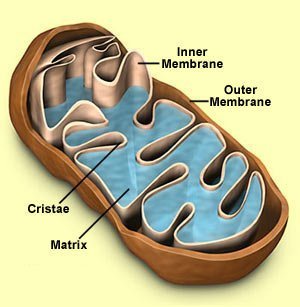
When the body is under pain, there must be some valid reasons including malfunction or dysfunction of some systems within the body. That is to say a dysfunction occurs when something is not working or functioning in the correct way. We are going to be discussing about the mitochondrial dysfunction which refers to a situation where the mitochondria are not working properly. Professionally doctor Dalal Akoury MD, President, and founder of AWAREmed health and wellness resource center registers that mitochondrial diseases comes as a result of failures of the mitochondria, specialized compartments present in every cell of the body except red blood cells. Mitochondria are responsible for creating more than 90% of the energy needed by the body to sustain life and support growth. This failures results in less production of energy with the cell and this can cause injury to the cell and eventual death of the cell. If this is not corrected, the victim’s body system will fail and the individual’s life/health becomes compromised.

The disease primarily affects children, but adult onset is becoming more and more common. Depending on which cells are affected, symptoms may include loss of motor control, muscle weakness and pain, gastro-intestinal disorders and swallowing difficulties, poor growth, cardiac disease, liver disease, diabetes, respiratory complications, seizures, visual/hearing problems, lactic acidosis, developmental delays and susceptibility to infection

Mitochondrial dysfunction and obesity: Approaches to resuscitate aging mitochondria

Understanding the proposed mechanisms by which mitochondrial dysfunction can contribute to aging and aging related diseases suggests several potential interventions which may include the following:

  • Maintenance of optimal Krebs cycle and respiratory chain efficiency.
  • Restoration of mitochondrial membrane fluidity.
  • Reduction in deleterious free radical activity.

Mitochondrial dysfunction and obesity: CoQ10

Coenzyme Q10 is probably the most widely used cofactor for treating mitochondrial-related diseases. CoQ10 functions as the electron carrier in the inner mitochondrial membrane, transferring electrons from complexes I and II to complex III. In addition to increasing biosynthesis of ATP (the universal energy molecule), and acting as a potent free radical scavenger, CoQ10 also reduces lactic acid levels, improves muscle strength, and decreases muscle fatigability. Now having appreciated the importance of mitochondrial, it is important that your body system is not in luck of this vital chromosome because if that is to happen, your body will be deprived of energy which can be very disastrous.

Finally, for the sustainability of this DNA chromosome in your body system, a lot needs to be done professionally. Remember this article is all about your health and because of the weight of medical terminologies involved, we want to encourage you to schedule an appointment with doctor Dalal Akoury today for further professional guidance. And as we conclude this discussion, it will interest you to note that doctor Akoury made a passionate decision of creating a health center to primarily transform each individual’s life through increasing awareness about health and wellness and by empowering individuals to find their own inner healing power. This is what you need in situations like this when your mitochondrial are going down. Doctor Akoury is just a phone call away on telephone number 843 213 1480 for the appointment.

Mitochondrial dysfunction and obesity

http://regenerativepotential.com/wp-admin

Facebooktwitterpinterestlinkedin
Why medical detox is necessary to addicts

Self destructive addiction and obesity

Self destructive addiction

Self destructive addiction and obesity can be installed in the life of children without them knowing the consequences ahead.

Self destructive addiction and obesity: Turning to food to cope with low self-worth

Addiction is a dependence on a substance that the affected individual feels powerless to stop. Millions around the world have addictions problems, and food addiction is among one of the most common. From the expert’s desk at AWAREmed health and wellness resource center under the able leadership of doctor Dalal Akoury MD, research has over the years established that nearly 80% of gastric bypass pre-surgical patients suffer from food addiction. These studies, along with those of other investigators, have also found that the behavioral biochemical causes and effects underlying food addiction are nearly identical to those of other self-destructive addictions. One of the most common behavioral characteristics of individuals suffering from self-destructive addictions is a feeling of not being good enough. Feelings of low self-worth may cause a poor self-image, low self-esteem, depression, anxiety, a need to overachieve and an intense and chronic fear of failure.

Professionals who study addictions believe that society contributes to the development of addictions by establishing unreasonable or unreachable criteria for worthiness. The “addict” not only has negative feelings regarding self but also has failed to develop appropriate stress coping strategies. Instead of confronting life stressors directly or finding healthier ways to manage emotions such as through exercise, journaling, relaxation, spiritual care, therapy etc., the “addict” seeks to avoid unpleasant feelings by eating, drinking alcohol, smoking, using drugs, gambling and various other ways of escaping from reality.

One collaborative study found that more than 90% of pre-surgical morbidly obese patients use avoidance stress coping behavior to handle emotions, seeking comfort from negative feelings and stressful situations through the use and sometimes the abuse of food. There are strong associations between avoidance coping behavior, food addiction and lack of control over eating. With most food addicts feeling that they have no control over their addiction in spite of having complete knowledge of its negative social and health consequences. They recognize the adverse effects addiction has on friends, family, and self, but feel powerless over such behavior. This generates feelings of guilt and remorse thereby worsening the addictions and setting in motion a vicious cycle of avoidance and abuse.

Self destructive addiction and obesity: The body’s stress response

When individuals are confronted with stressful situations, specific hormones are produced, which help the body to cope with the situation. One of the body’s stress response pathways, known as the limbic-hypothalamic-pituitary-adrenal (LHPA) axis, generates a series of brain hormones that eventually lead to the production of cortisol by the adrenal gland. Cortisol helps to make available more sugar to the brain and other parts of the body to help cope with the stressful event. And remember that elevated cortisol levels on an ongoing basis are not only harmful to health but also harmful to mood. It can cause depression, affects mood by interfering with the actions of one of the brain’s major messengers, serotonin. Serotonin defects cause depression and anxiety. Many drug addicts and obese individuals suffer from depression and anxiety. Finally, all these addictions and weight related problems are never friendly for your health. Nonetheless, we have good news for you that doctor Akoury and her team of experts at AWAREmed health center are experienced professionals whose treatment focuses on personalized medicine through healthy lifestyle choices that deal with primary prevention and underlying causes instead of patching up symptoms making them the best to address all your addiction and weight-related concerns.

Self destructive addiction and obesity: Turning to food to cope with low self-worth

http://www.integrativeaddictionconference.com/wp-admin

Facebooktwitterpinterestlinkedin