Category Archives: addiction

addiction

Marijuana dried leaves and the addictive component

Marijuana dried leaves

Marijuana dried leaves and the addictive component complications. Actually, the designer drugs and synthetic marijuana are both serious substances of abuse irrespective of your state laws.

Marijuana dried leaves and the addictive component: How it affects human health

We are often encouraged by nutritionist to serve more of vegetables in all our meals for a healthy living and to keep our bodies strong and detoxified. There are several plants commercially produced for this purpose and great investment is being done by agriculturalist to ensure that this worthy objective is not only achieved but also sustained. While this is being done there are some few individuals who are in the business of doing the direct opposite. I am talking about those farmers who are commercially producing the herb called marijuana. This is not just an herb but a serious drug which is very illegal in most nations.  Marijuana dried leaves, flowers, stems, and seeds from the hemp plant Cannabis sativa, which contains the psychoactive (mind-altering) chemical delta-9-tetrahydrocannabinol (THC), as well as other related compounds. This plant material can also be concentrated in a resin called hashish or a sticky black liquid called hash oil.

And according to the experts at AWAREmed health and wellness recourse center under the leadership of doctor Dalal Akoury MD, there is no doubt that marijuana is the most common illicit drug used in the United States and many other states globally. The biggest users of this substance are the young people. This has been very evidence in the last two decades where there has been steady increase of young people in relation to a diminishing perception of drug risk that may be associated with the increased public debate over drugs legal status. Although marijuana is illegal in most states some governments have passed laws allowing its use in treatment of certain conditions.

Marijuana dried leaves and the addictive component: Effects of marijuana to the brain

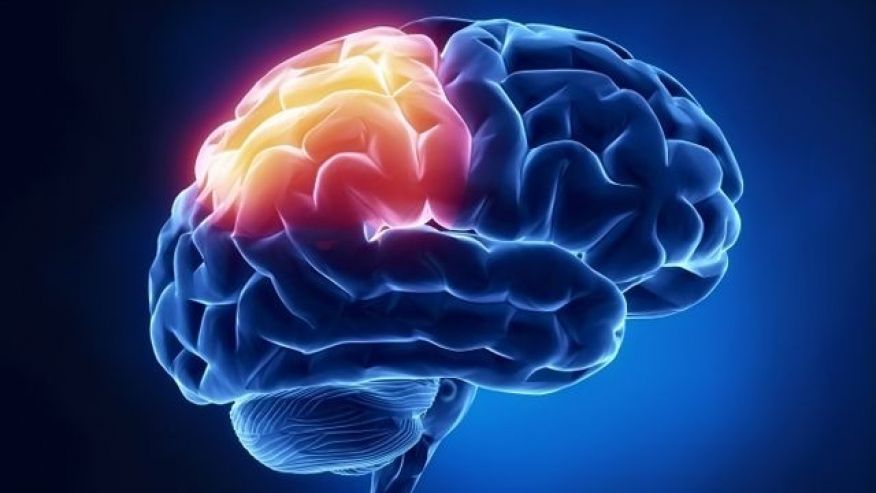
The THC will rapidly pass from the lungs into the blood streams when marijuana is smoked carrying with it the chemical into the brain and other vital organs of the body, besides smoking it can also be absorbed into the body slowly when ingested in food or drinks. When ingested, it will acts on specific molecular targets on brain cells, called cannabinoid receptors which are ordinarily activated by chemicals similar to THC that naturally occur in the body and are part of a neural communication network called the endocannabinoid system. This system plays an important role in normal brain development and function.

The highest density of cannabinoid receptors is found in parts of the brain that influence pleasure, memory, thinking, concentration, sensory and time perception, and coordinated movement. Marijuana over activates the endocannabinoid system, causing the high and other effects that users experience. These effects include altered perceptions and mood, impaired coordination, difficulty with thinking, problem solving, and disrupted learning and memory. Looking at the problems attached to this drug, we cannot burry our heads on the ground and pretend that everything will be alright. And as a way of taking remedial action, you can schedule an appointment with doctor Akoury who is a veteran addiction expert with vast experience of over two decades. Upon receipt of your request, she will evaluate your individual conditions and enroll you into the most effective treatment program that will deliver your health back in a record time.

Marijuana dried leaves and the addictive component: How it affects human health

http://regenerativepotential.com/wp-admin

Facebooktwitterpinterestlinkedin
Dopamine Rush

Lyme disease links between pain and addiction

Lyme disease links

Lyme disease links between pain and addiction alongside stress are a poor combination for any one to associate with

Lyme disease links between pain and addiction: Stressful obstructions

People who struggle with stressful medical conditions like Lyme disease links between pain, addiction and stress are more vulnerable to substance abuse this is according to the scientists at the National Institute of Health (NIH). Besides that, other statistics shows that individuals with chronic pain experience substance abuse rates at two-to-four times that of the general population. And from decades of experience, doctor Dalal Akoury MD, President and founder of AWAREmed health and wellness recourse center reiterates that there are several factors explaining their susceptibility some of which may include:

  • Ongoing need for medication
  • Ongoing health problems
  • Societal enabling
  • Lack of identification of potential problems

Stress is another factor that can predispose individuals who live with chronic pain to addiction. Researchers have identified a correlation between stress and substance abuse. Important facts about this link include:

  • Stress is a major contributor to the initiation and continuation of substance abuse.
  • Children who are exposed to severe stress are more vulnerable to substance abuse in adulthood.
  • 30-60% of individuals with substance use disorders meet the criteria for comorbid PTSD.
  • Patients with substance use disorders tend to suffer from more severe PTSD symptoms than PTSD patients without substance use disorders.
  • Animals that are not previously exposed to illicit substances become more vulnerable to drug self-administration when stressed.
  • Many of the same Neuro-circuits that respond to drugs also respond to stress.

Stress increases the release of corticotrophin-releasing factor (CRF), a hormone that catalyzes biological responses to stressors such as increased heart rate and metabolism. Abusing drugs also increases CRF levels and thereby heightens danger of relapse.

Stress also triggers the fight-or-flight moderating amygdala. When the amygdala perceives threats, it responds irrationally and hijacks the individual’s ability to think clearly. For people in recovery who stay sober by making wise choices, this emotional takeover can impair judgment and make resisting drugs harder.

There is yet another way that stress packs a double punch for people who suffer from Lyme disease. It exacerbates pain. A research team from Carnegie Mellon University found that chronic psychological stress is associated with the ability to regulate the body’s inflammatory response. This can lead to the development or progression of disease.

Lyme disease links between pain and addiction: Coping with stress

Mastering stress reduction skills is an important part of overall health and sobriety. In treatment many people find ways to incorporate relaxation strategies into daily life. Several include the following:

  • Singing
  • Massage
  • Spending time outdoors
  • Journaling
  • Yoga
  • Adopting a dog
  • Listening to music
  • Taking a walk
  • Drawing
  • Soaking in a hot bath

Other stress-management skills and techniques frequently taught in recovery programs include the following:

  • Avoiding hunger, anger, loneliness and fatigue
  • Engaging in community service
  • Journaling thoughts and feelings
  • Practicing positive thinking

Finally, with all these sufferings, it is only fair that you get help immediately and that is why doctor Akoury founded this facility to help you through your recovery process. All you need, is to reach out for her by scheduling an appointment today and all your concerns will be addressed professionally.

Lyme disease links between pain and addiction: Stressful obstructions

http://www.integrativeaddictionconference.com/wp-admin

Facebooktwitterpinterestlinkedin
lyme-disease-pictures

Lyme disease obstructions of health and wellness

Lyme disease obstructions

Lyme disease obstructions of health and wellness if not addressed can be very irritating

Lyme disease obstructions of health and wellness: Addiction and Lyme disease

There is no doubt that everyone desire is to live life to the fullest enjoying every bit of it. In an attempt of achieving this, we often meet several obstacles on the way. Dealing with these obstacles is the biggest challenge humanity goes through and as a result of this, experts at AWAREmed health and wellness resource center under the leadership of doctor Dalal Akoury MD, are making every effort in ensuring that all the life hindrances are avoided or put under manageable controls hence the choice of this topic Lyme disease obstructions of health and wellness. That is to say, Lyme disease is one of the hindrances we experience in the process of seeking for the full enjoyment of life. It complicates life, even more, when it causes addiction into the patient system. This complication and how addiction is involved will form the basis of our discussion in this article. For us to do this it will be important that we have the general overview of Lyme disease, its causes, and even treatment.

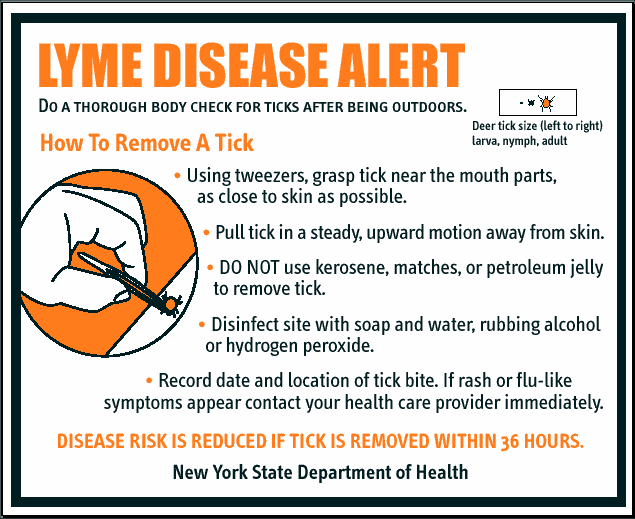
Lyme disease is caused by Borrelia burgdorferi, which is carried by Ixodes scapularis or Ixodes pacificus ticks. These ticks are primarily found in the northeast, northwest and upper Midwest of the United State. However, such ticks are also found globally in bushy areas and their effects are the same for all patients. We can avoid Lyme disease by staying away from tick-infested areas. If this is not possible for whatever reason, outdoor enthusiasts should wear long pants tucked into their socks and a long-sleeved shirt tucked into their pants. In the event a tick bites you, it should be removed carefully without delay by inserting tweezers between the tick and the skin and lifting gently. Normally such tricks will have to be attached to the skin for at least 48 hours to transmit disease. When neurologic symptoms occur, they are probably triggered by the direct action of the bacterium and an immunologic reaction. People who live with Lyme disease face a daily battle marked by fatigue and pain. Ordinary tasks can become challenging and stressful leading some individuals resulting to self-medication with drugs and alcohol which are very addictive.

Lyme disease obstructions of health and wellness: Symptoms of Lyme disease

First recognized in 1975 when a group of children living near Lyme, Connecticut became ill with arthritis, Lyme disease has spread to nearly all 50 states and affects approximately 16,000 individuals each year. Within a few days to several weeks after being bitten by an infected tick, 80% of people develop a red, circular rash around the bite according to experts at the Mayo Clinic. The center of the rash may clear as it grows giving the appearance of a bull’s-eye pattern. The rash may feel warm, but it is usually not painful or itchy. Other symptoms in the early stage of Lyme disease may include the following:

  • Fatigue
  • Fever
  • Chills
  • Joint pain
  • Muscle aches
  • Headaches
  • Stiff necks
  • Swollen lymph nodes

Later stages of Lyme disease can become very serious resulting in debilitating and chronic symptoms including:

  • Arthritis in the arms and legs
  • Memory loss
  • Numbness in hands, arms, legs, and feet

Lyme disease is usually treated with antibiotics taken for three to four weeks. Antibiotics are usually taken by mouth, but in severe or advanced cases of Lyme disease, they may be given by injection. If treatment begins at the early stage of the disease, a complete cure is likely and any delay, recovery may take longer and symptoms may last for months or even years which is why seeking professional redress with doctor Dalal Akoury is very important for you.

Lyme disease obstructions of health and wellness: Addiction and Lyme disease

http://www.awaremednetwork.com/

Facebooktwitterpinterestlinkedin
Behavioral Addiction and Brain Function

Nutrition healing effects on addicted brain

Nutrition healing effects

Nutrition healing effects on addicted brain are very effective when all substances are eliminated

Nutrition healing effects on addicted brain: Amino acids and addiction solutions

For the brain to recover from addiction effectively, the addicted person’s brain will need good food nutrients, and that is why we want to look at the nutrition effects on the addicted brain as we progress into this discussion. Experts at AWAREmed health and wellness resource center under the leadership of doctor Dalal Akoury MD, are sighting amino acids and vitamins as some of essential elements for nourishing the brain. With that in mind, it is important to note that, the good food nutrients and adequate supply of amino acids are not just until you’re feeling better, or until the initial withdrawal and craving are gone. This is because absolutely no one seeking freedom from the discomfort of addiction must make the same kind of commitment to healthy feeding habits all the time if any meaningful achievements are to be realized.

Depending on the content of the amino acids available, some foods increase mental alertness, concentration, and energy, while others are natural tranquilizers that calm feelings of anxiety and stress. The neurotransmitter tyrosine synthesizes to dopamine and norepinephrine, increasing energy and alertness. Foods rich in tyrosine are those derived from animal protein: chicken, turkey, pork, beef, dairy, and eggs. The opposite of that is also true meaning that, all moderate amounts of tyrosine are found in plant foods such as beans, corn, spinach, oatmeal, nuts, and seeds. But most importantly, doctor Akoury notes that, in the process of using diet for recovery, it is worth appreciating that, of all the food nutrients, protein contains all the essential amino acids meaning that, a high-protein diet will give your brain more of what it needs. Complete protein foods include meat, poultry, fish, eggs, and dairy products. The body stores very little protein, so you should eat it at least three times a day. And for the sake of both energy and your brain, we recommend three meals and three snacks daily, and that leads us to the discussion about how best we can support the recovery and healing process.

Nutrition healing effects on addicted brain: Supporting Recovery

To support healing of the brain, other healthy lifestyle choices are important, including some regular exercise, yoga, rest, relaxation, fun, and creative living which are important in reducing stress while increasing a sense of serenity and well-being. Finally, from the experts’ point of view, healthy living with good nutrition is very key to recovery from addiction. Therefore, if you or anyone you know is struggling with addiction and are wondering if they will ever overcome the compulsion and obsession related to an addictive substance or the agony of abstinence, you can be of great help to them by scheduling an appointment on for yourself or your loved ones with doctor Akoury today for quick and professional remedial action to be taken promptly. And as you consider doing that, it will interest you to note that doctor Akoury’s practices focus on personalized medicine through healthy lifestyle choices that deal with primary prevention and underlying causes instead of patching up symptoms. With this kind of professionalism, your condition will be addressed meaningfully in confidence and with high levels of professionalism.

Nutrition healing effects on addicted brain: Amino acids and addiction solutions

http://www.I-AM-I.com/wp-admin


Facebooktwitterpinterestlinkedin
brains and addiction

Healing addicted brains using Amino acids

Healing addicted brains

Healing addicted brains using Amino acids brings the full restoration of life in the whole family

Healing addicted brains using Amino acids: Addiction solutions

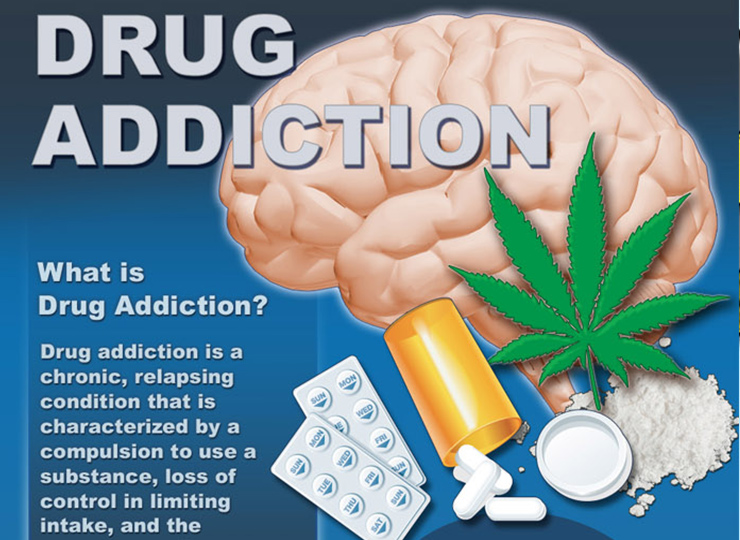
The problems relating to substance abuse are very rampant these days and healing addicted brains using the amino acids cannot be ignored. Nonetheless, experts from AWAREmed health and wellness resource center reiterates that because a substance does not lead to out-of-control behavior, it does not necessarily mean that it is not dangerous. Many socially acceptable addictions can lead to serious health problems and even death. Nicotine usually does not lead to intoxication but does lead to serious health problems. It is far more addicting than alcohol or illegal drugs and is usually accompanied by severe withdrawal symptoms when smoking ceases and can be as painful as withdrawing from alcohol or cocaine.

Prescription painkillers and antidepressants can be highly addictive. Withdrawal, especially from benzodiazepines, can be very serious and can even lead to death. For some people, food is the most powerful mood-altering substance available. Most people believe that overeating is a lack of willpower or self-discipline. But the people most susceptible to it often have a physical condition that keeps them from feeling satisfied from normal eating. Some addictions are not to substances but to behaviors such gambling, compulsive working, or excessive spending. The problem does not lie in the behavior itself, but in how it is done. If any behavior is accompanied by compulsion, obsession, and negative consequences, it is a problem and requires some action to learn to manage the behavior in a healthy way.

Healing addicted brains using Amino acids: Treatment for the Addicted Brain

While research has opened doors to new understandings of the nature of addiction and its effect on the brain, little of this information has been applied to actually helping people get well from this devastating disease. And that is why in her wisdom, doctor Dalal Akoury made a decision to create a medical center whose main objective is to transform each individual’s life through increasing awareness about health and wellness and by empowering individuals to find their own inner healing power. It will further interest you to note that doctor Akoury’s practice focuses on personalized medicine through healthy lifestyle choices that deal with primary prevention and underlying causes instead of patching up symptoms. This way she is able to help many recover from this bondage of addiction and for your situation to be corrected, you can reach her on telephone number 843 213 1480 today for a more professional treatment approach. And as you consider that, let’s look at the benefits of amino acid therapy.

Healing addicted brains using Amino acids: Amino Acid Therapy

Neurotransmitters are made from amino acids, the building blocks of protein. The nervous system is regulated almost entirely by amino acids and their biochemical companions, vitamins and minerals. There are key neurotransmitters that are affected by addiction and need to be restored to their normal state for the recovering person to be free of cravings and anxiety. The amino acids, precursors to neurotransmitters, can be taken separately, as a formulated compound, or intravenously. Intravenous delivery has the advantage of bypassing the digestive system. This offers hope for the thousands of people whose digestive systems have been damaged by addiction to alcohol or drugs, caffeine, or junk food. Certain vitamins—especially B vitamins—activate and potentiate the effects of amino acids.

Healing addicted brains using Amino acids: Addiction solutions

http://www.integrativeaddictionconference.com/wp-admin

Facebooktwitterpinterestlinkedin