Category Archives: Detoxification

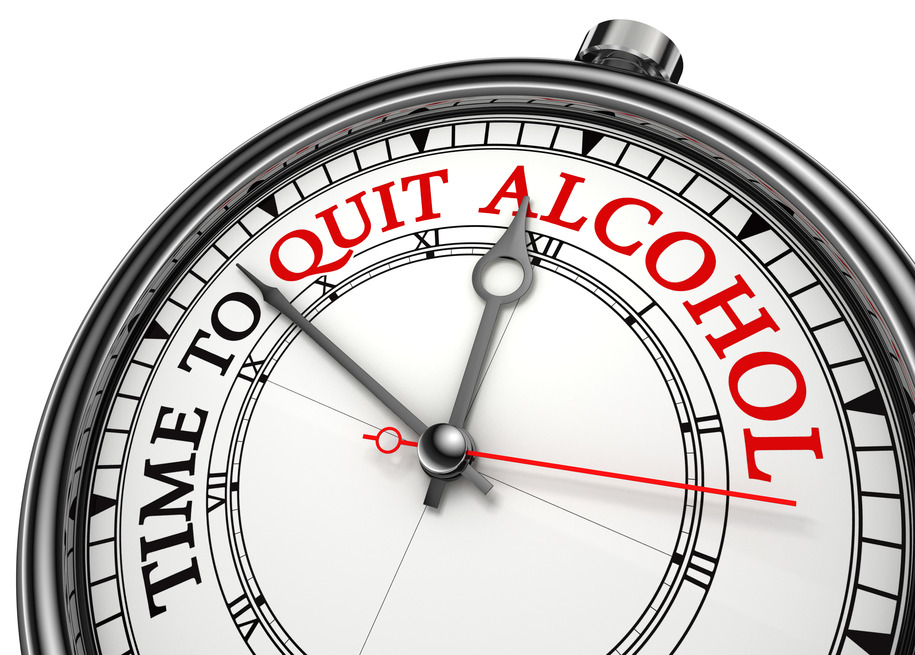
time-to-quit-drinking-alcohol-s

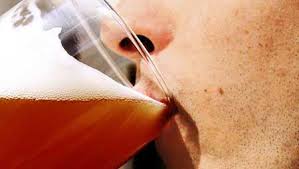
Real compulsive drinking effects

Real compulsive drinking

Real compulsive drinking effects must be identified and treated professionally

Real compulsive drinking effects: Denial

When making reference to the real compulsive drinking effects, many at times concentration is much on the physical health without looking at the social consequences attached to alcoholism and substance abuse. There are quite of very devastating social consequences which doctor Dalal Akoury MD, President and founder of AWAREmed Health and Resource Center are going to share with us in this article. And as you continue unlocking your addiction problems and coming to terms with the realities of the dangers you’re putting yourself in, you can always start today by scheduling an appointment with the home of experts at AWAREmed Health Center for the commencement of your recovery process. Remember that early treatment is always preferred, however, if you have been in addiction for a long time, there is still hope and you can do the same now professionally with doctor Akoury. Now to the real compulsive drinking effects:

Real compulsive drinking effects: The effects of alcoholism and alcohol abuse on the people you love

Despite the potentially lethal damage that heavy drinking does to the body including cancer, heart problems, and liver disease the social consequences can be just as devastating. Alcoholics and alcohol abusers are much more likely to get divorced, have problems with domestic violence, struggle with unemployment, and live in poverty.

But even if you’re able to succeed at work or hold your marriage together, you can’t escape the effects that alcoholism and alcohol abuse has on your personal relationships. Drinking problems put an enormous strain on the people closest to you.

Often, family members and close friends feel obligated to cover for the person with the drinking problem. So they take on the burden of cleaning up your messes, lying for you, or working more to make ends meet. Pretending that nothing is wrong and hiding away all of their fears and resentments can take an enormous toll. Children are especially sensitive and can suffer long-lasting emotional trauma when a parent or caretaker is an alcoholic or heavy drinker.

Getting help for alcoholism or alcohol abuse

If you’re ready to admit you have a drinking problem, you’ve already taken the first step. It takes tremendous strength and courage to face alcohol abuse and alcoholism head on. Reaching out for support is the second step.

Whether you choose to go to rehab, rely on self-help programs, get therapy, or take a self-directed treatment approach, support is essential. Recovering from alcohol addiction is much easier when you have people you can lean on for encouragement, comfort, and guidance. Without support, it’s easy to fall back into old patterns when things get tough.

Your continued recovery depends on continuing mental health treatment, learning healthier coping strategies, and making better decisions when dealing with life’s challenges. In order to stay alcohol-free for the long term, you’ll also have to face the underlying problems that led to your alcoholism or alcohol abuse in the first place.

Those problems could be depression, an inability to manage stress, an unresolved trauma from your childhood, or any number of mental health issues. Such problems may become more prominent when you’re no longer using alcohol to cover them up. But you will be in a healthier position to finally address them and seek the help you need.

Real compulsive drinking effects: Denial

http://regenerativepotential.com/wp-admin


Facebooktwitterpinterestlinkedin
Alcohol kills

Compulsive drinking effects and denial

Compulsive drinking effects

Compulsive drinking effects and denial

Compulsive drinking effects and denial: Myths about alcohol dependence

Many people have failed in dealing with their alcoholism and drug abuse problems because of the wrong information they get from their suppliers and fellow users of their substances. Because of this, the compulsive drinking effects have continually increased each passing year. As experts from AWAREmed Health center under the able leadership of its founder doctor Dalal Akoury MD, we want to highlight some of the myths that have contributed in rooting denial in the lives of addicts even when they are fully aware of the consequences involved.

I can stop drinking anytime I want toMaybe you can; more likely, you can’t. Either way, it’s just an excuse to keep drinking. The truth is, you don’t want to stop. Telling yourself you can quit makes you feel in control, despite all evidence to the contrary and no matter the damage it’s doing.

My drinking is my problem. I’m the one it hurts, so no one has the right to tell me to stopIt’s true that the decision to quit drinking is up to you. But you are deceiving yourself if you think that your drinking hurts no one else but you. Alcoholism affects everyone around you—especially the people closest to you. Your problem is their problem.

I don’t drink every day, so I can’t be an alcoholic OR I only drink wine or beer, so I can’t be an alcoholic – Alcoholism is NOT defined by what you drink, when you drink it, or even how much you drink. It’s the EFFECTS of your drinking that define a problem. If your drinking is causing problems in your home or work life, you have a drinking problem—whether you drink daily or only on the weekends, down shots of tequila or stick to wine, drink three bottles of beers a day or three bottles of whiskey.

I’m not an alcoholic because I have a job and I’m doing okay – You don’t have to be homeless and drinking out of a brown paper bag to be an alcoholic. Many alcoholics are able to hold down jobs, get through school, and provide for their families. Some are even able to excel. But just because you’re a high-functioning alcoholic doesn’t mean you’re not putting yourself or others in danger. Over time, the effects will catch up with you.

Drinking is not a “real” addiction like drug abuse – Alcohol is a drug, and alcoholism is every bit as damaging as drug addiction. Alcohol addiction causes changes in the body and brain, and long-term alcohol abuse can have devastating effects on your health, your career, and your relationships. Alcoholics go through physical withdrawal when they stop drinking, just like drug users do when they quit. All these and much more are just but hindrances which you can overcome by scheduling an appointment with doctor Dalal Akoury today for the commencement of your recovery process.

Compulsive drinking effects and denial: Effects of alcoholism and alcohol abuse

Finally, it is true that alcoholism and alcohol abuse can affect all aspects of your life. Long-term alcohol use can cause serious health complications, affecting virtually every organ in your body, including your brain. Problem drinking can also damage your emotional stability, finances, career, and your ability to build and sustain satisfying relationships. Alcoholism and alcohol abuse can also have an impact on your family, friends and the people you work with. We will be discussing this in details progressively in our next postings which you don’t want to miss. Stay with us on the link and learn with the best.

Compulsive drinking effects and denial: Myths about alcohol dependence  

http://regenerativepotential.com/wp-admin

Facebooktwitterpinterestlinkedin
Alcohol and work

Compulsive drinking problems and denial

Compulsive drinking problems

Compulsive drinking problems and denial must be terminated if we want to deal with this problem meaningfully

Compulsive drinking problems and denial: Alcohol dependence

Are you at the verge of becoming an alcoholic? I may not have the facts about you, but one fact is common with people who are into alcohol and drugs. I am talking about denial which is one of the biggest obstacles to getting help for all the compulsive drinking problems (alcohol abuse and alcoholism). The desire to drink is so strong that the mind finds many ways to rationalize drinking, even when the consequences are obvious. By keeping you from looking honestly at your behavior and its negative effects, denial also exacerbates alcohol-related problems with work, finances, and relationships.

Compulsive drinking problems and denial: If you have a drinking problem, you may deny it by

  • Drastically underestimating how much you drink
  • Downplaying the negative consequences of your drinking
  • Complaining that family and friends are exaggerating the problem
  • Blaming your drinking or drinking-related problems on others

Take, for example, you may want to blame your ‘unfair boss’ for trouble at work or a ‘nagging wife’ for your marital issues, rather than look at how your drinking is contributing to the problem. And even though activities involving work, relationship, and financial stresses can happen to everyone, experts at AWAREmed health center reiterates that, an overall pattern of deterioration and blaming others may be a sign of trouble. Therefore if you find yourself rationalizing your, drinking habits, lying about them, or refusing to discuss the subject, take a moment to consider why you’re so defensive. If you truly believe you don’t have a problem, there should be no reason for you to cover up your drinking or make excuses. And if you are persuaded that something is not right, immediate action needs to be taken. You may now want to consider scheduling for an appointment with doctor Dalal Akoury today for the commencement of your treatment and recovery process. In the meantime, the following are additional signs and symptoms of compulsive drinking problems to help you make informed decisions.

Compulsive drinking problems and denial: Other signs and symptoms of alcoholism (alcohol dependence)

You’ve lost control over your drinking. You often drink more alcohol than you wanted to, for longer than you intended, or despite telling yourself you wouldn’t.

You want to quit drinking, but you can’t. You have a persistent desire to cut down or stop your alcohol use, but your efforts to quit have been unsuccessful.

You have given up other activities because of alcohol. You’re spending less time on activities that used to be important to you (hanging out with family and friends, going to the gym, pursuing your hobbies) because of your alcohol use.

Alcohol takes up a great deal of your energy and focus. You spend a lot of time drinking, thinking about it, or recovering from its effects. You have few if any interests or social involvements that don’t revolve around drinking.

You drink even though you know it’s causing problems. For example, you recognize that your alcohol use is damaging your marriage, making your depression worse, or causing health problems, but you continue to drink anyway.

Compulsive drinking problems and denial: Alcohol dependence http://www.integrativeaddictionconference.com/wp-admin

Facebooktwitterpinterestlinkedin
alcoholismlsd_main_03091

Bipolar disorder symptoms and drug abuse

Bipolar disorder symptoms

Bipolar disorder symptoms and drug abuse brings serious brain instability.

Bipolar disorder symptoms and drug abuse: Addiction an Energy disease

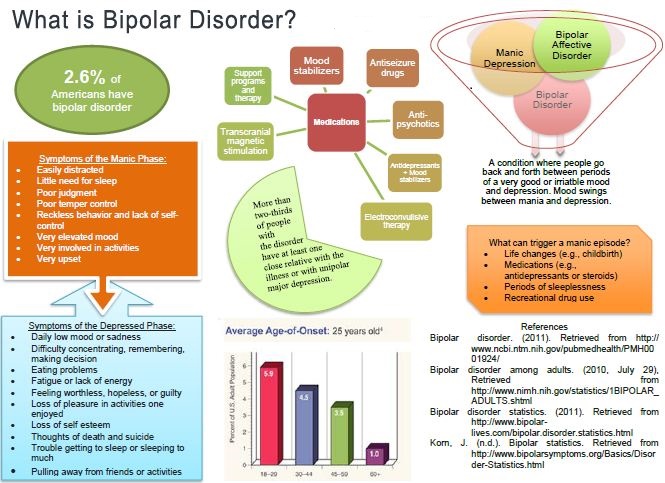
We all go through intense episodes of sadness, elation, anger or despair. But for someone who meets the diagnostic criteria for bipolar disorder, these episodes are all-consuming and uncontrollable. There are four major types of mood episodes that characterize bipolar disorder symptoms: mania, hypomania, depression and mixed episodes each of which has a set of unique symptoms:

Bipolar disorder symptoms and drug abuse: Depression

At the “low” end of the bipolar spectrum is depression, an emotional state that is often characterized by sadness, tearfulness and despair. Depression in bipolar disorder may last for days or weeks, depending on your mood cycle. These periods are dangerous for Dual Diagnosis individuals, who have a higher risk of self-injury and suicide when they’re using drugs and alcohol during a low period. When you’re depressed, you may experience:

  • Hopeless feelings
  • Loss of interest in things that used to make you happy
  • Fatigue
  • Changes in appetite
  • Self-loathing
  • Suicidal thoughts

Bipolar disorder symptoms and drug abuse: Episodes

The symptoms of bipolar disorder aren’t always clearly defined. In a mixed episode, behaviors reflect a combination of mania and depression. For example, you may have suicidal feelings and loss of interest in your daily activities, combined with racing thoughts, pressured speech and loss of sleep.

You may feel the urge to drink or take drugs in an attempt to balance out these unpredictable mood swings, but intoxication is only a temporary fix that won’t provide permanent relief. To achieve a full recovery, you need professional treatment that helps you stabilize your moods as you deal with the cravings and destructive impulses that characterize addiction. Doctor Dalal Akoury is a professional in this line and will help you fix this problem instantly, all you need to do is to schedule an appointment with her at AWAREmed Health and Wellness Resource Center a facility she established to help many like you with this and many other addiction and weight related complications.

Finally, even as you make that very important phone call, it will interest you to note that objectivity, professionalism and commitment to treatment excellence forms the strengths of doctor Dalal Akoury and her team of qualified experts. Therefore when she made a passionate decision of creating this medical center, the original objectives has stood the test of time and they are growing from strength to strength in transforming people’s life through increasing awareness about health and wellness and by empowering individuals to find their own inner healing power. Upon scheduling for this treatment appointment, you will find for yourself that Akoury’s practice focuses on personalized medicine through healthy lifestyle choices that deal with primary prevention and underlying causes instead of patching up symptoms, and your life will never be the same again.

Bipolar disorder symptoms and drug abuse: Addiction an Energy disease

http://regenerativepotential.com/wp-admin


Facebooktwitterpinterestlinkedin

Hyaluronic acid fillers for adding youthful volume

Hyaluronic acid fillers

Hyaluronic acid fillers for adding youthful volume that leaves you skin complexion more glamorous.

Hyaluronic acid fillers for adding youthful volume: Vampire facelift application

The first step of The Vampire Facelift® is the application of an injectable hyaluronic acid dermal filler like Restylane or Juvederm. One of the two main components of the facial aging process is the loss of volume due to a reduction of facial bone, muscle and fat, also known as “the apples of the cheeks”. Dermal fillers add youthful volume to the face, while keeping a natural appearance. Hyaluronic acid fillers do not paralyze facial muscles like Botox, so volume is added without inhibiting facial movement or expressions. There is an art to the application of fillers for a natural and youthful appearance, and you can be confident that experts at AWAREmed Health and Wellness Resource Center under the able leadership of doctor Dalal Akoury MD, this will apply professionally and besides doctor Akoury will use her natural artistic abilities with her technical skills and over two decades of experience to perform your procedure. All you need to do is to schedule an appointment with her now for the commencement of the exercise.

Hyaluronic acid fillers for adding youthful volume: A quick procedure that keeps working for several months

The Vampire Facelift procedure only takes about an hour, including the: blood draw, preparation of the PRP, platelet-rich fibrin matrix, and The Vampire Facelift® treatment itself.

Since skin renewal and rejuvenation is using the body’s own active regeneration components, facial skin renewal is continual for about 3 months after the procedure. The overall effects of the Vampire Facelift® can last for over a year.

The Vampire Facelift® is not for everyone. People with more advanced signs of aging may benefit from surgical treatment and/or Botox applications. People with less visible signs of aging may benefit from using less extensive non-surgical procedures like hyaluronic acid fillers and platelet-rich plasma alone. A personal consultation with an accredited provider like Dr. Prasad is the best way to determine if The Vampire Facelift® is right for you.

Cigarette smoke interferes with the body’s growth factors and with tissue healing and regeneration. If you do smoke, The Vampire Facelift® will not produce the same results as it would in a non-smoker. Smokers may be better off with hyaluronic acid filler application such as Restylane or Juvederm rather than using platelet-rich fibrin matrix.

Hyaluronic acid fillers for adding youthful volume: Combining vampire facelift® with other procedures

The Vampire Facelift® can be done in conjunction with wrinkle treatments such as Botox or Dysport and with the expertise of doctor Dalal Akoury, upon scheduling an appointment with her, she will help you determine what complementary procedures are right for your individual case, and develop a plan you are comfortable with.

Hyaluronic acid fillers for adding youthful volume: Vampire facelift application

http://regenerativepotential.com/wp-admin

Facebooktwitterpinterestlinkedin