Category Archives: Detoxification

Breast Cancer and Alcohol; Role of Alcohol

Breast cancer and Alcohol-Role of alcohol

Breast cancer and Alcohol-Definition

Breast Cancer and Alcohol; Role of Alcohol

Alcohol has great effect on the causes of cancer, keep health by a voiding alcohol

Breast cancer is that which forms in tissues of the breast. The most common type of breast cancer is ductal carcinoma, which begins in the lining of the milk ducts (thin tubes that carry milk from the lobules of the breast to the nipple).

Another type of breast cancer is lobular carcinoma, which begins in the lobules (milk glands) of the breast. Invasive breast cancer is breast cancer that has spread from where it began in the breast ducts or lobules to surrounding normal tissue. Breast cancer occurs in both men and women, although male breast cancer is rare.

Breast cancer and Alcohol-Potential link between alcohol consumption and the cancer

Scientists looking at particular enzyme found a biological molecule that accelerates chemical reactions known as CYP2E1. Their findings offer a possible target to improve outcomes for patients in the later stages of the disease.

This enzyme, known as CYP2E1, has been implicated in various liver diseases linked to alcohol consumption, Alcoholic Liver Disease (ALD), as well as diabetes, obesity and cancer. That is Breast Cancer and Alcohol are closely linked.

They wanted to understand why an enzyme known to function mainly in the liver was found to be heavily present in some types of breast cancer tissues. They also wanted to explore what other activities this enzyme might have that control the development of breast cancer. Their findings revealed that the enzyme breaks down various molecules within cells, including alcohol. The by-products of this metabolism include reactive oxygen species (ROS), resulting in something called oxidative stress, in normal physiological conditions this aids cellular functions, whereas when concentrations of ROS are high or oxidative stress becomes chronic, cells can be seriously damaged. Breast Cancer and Alcohol are closely related.

Previous studies have shown that the enzyme is most strongly expressed in early stages of breast tumors rather than more developed tumors and scientists believe that it contributes to the progression of breast cancer.

The study, published in Breast Cancer Research, found that depending on the stage of the breast cancer, high levels of the enzyme can help cells survive during stress. It was also found that inhibiting the activity of the enzyme in cells with high migratory potential promoted cell migration a process linked to cancer spreading known as metastasis.

Breast cancer and Alcohol-Causes and risk factors 

We have not fully understood the causes of breast cancer, as a result of this may be difficult to say with certainty why one woman may develop breast cancer and another may not. However the risk factors are known, some of these can change the likelihood that someone may develop breast cancer. There are some factors you cannot do anything about, but there are some you can change.

Alcohol

Your risk of developing breast cancer can increase with the amount of alcohol you drink. Research shows that, for every 200 women who regularly have two alcoholic drinks a day, there are three more women with breast cancer compared with women who do not drink at all. That study confirms that Breast Cancer and Alcohol has a cause and effect relationship.

Age

The risk of developing breast cancer increases as you get older. Breast cancer is most common among women over 50 who have been through the menopause. 8 out of 10 breast cancer cases occur in women over 50.

All women between 50 and 70 years of age should be screened for breast cancer every three years as part of the NHS Breast Screening programme. Women over the age of 70 are still eligible to be screened and can arrange this through their GP or local screening unit. Currently, there are ongoing pilot studies looking at widening the screening age range to 47-73.

Family history

If you have close relatives who have had breast cancer or ovarian cancer, you may have a higher risk of developing breast cancer. However, as breast cancer is the most common cancer in women, it is possible for it to occur more than once in the same family by chance.

Most breast cancer cases are not hereditary. However, particular genes, known as BRCA1 and BRCA2, can increase your risk of developing both breast and ovarian cancer. It is possible for these genes to be passed on from a parent to their child. If you have, for example, two or more close relatives from the same side of your family who have had breast cancer under the age of 50, you may be eligible for surveillance for breast cancer or for genetic screening to look for the genes that make developing breast cancer more likely.

Previous diagnosis of breast cancer

If you have previously had breast cancer or early non-invasive cancer cell changes contained within breast ducts, you have a higher risk of developing it again, either in your other breast or in the same breast again.

Previous benign breast lump

A benign breast lump does not mean you have breast cancer, but certain types of lump may slightly increase your risk of developing it. Certain benign changes in your breast tissue, such as atypical ductal hyperplasia (cells growing abnormally in ducts) or lobular carcinoma in situ (abnormal cells inside your breast lobes), can make getting breast cancer more likely. If you drink alcohol specially more than 2 glasses per day it will increase your risk to develop breast cancer. Breast cancer and alcohol go hand in hand.

Breast density

Your breasts are made up of thousands of tiny glands (lobules), which produce milk. This glandular tissue contains a higher concentration of breast cells than other breast tissue, making it denser. Women with denser breast tissue may have a higher risk of developing breast cancer because there are more cells that can become cancerous. This is specially true if you drink alcohol regularly. Breast cancer and alcohol have been closely associated.

Dense breast tissue can also make a breast scan (mammogram) harder to read because it makes any lumps or areas of abnormal tissue harder to spot. Younger women tend to have denser breasts. As you get older, the amount of glandular tissue in your breasts decreases and is replaced by fat, so your breasts become less dense.

Being overweight or obese

Breast Cancer and Alcohol; The role of Alcohol is more pronounced if you have been through the menopause and are overweight or obese, you may be more at risk of developing breast cancer. This is thought to be linked to the amount of estrogen in your body, as being overweight or obese after the menopause causes more estrogen to be produced.

Being tall

If you are taller than average, you are more likely to develop breast cancer than someone who is shorter than average. This may be due to interactions between genes, nutrition and hormones, but the reason is not fully understood.

Hormone replacement therapy (HRT)

Hormone replacement therapy (HRT) is associated with a slightly increased risk of developing breast cancer. Both combined HRT and estrogen-only HRT can increase your risk of developing breast cancer, although the risk is slightly higher if you take combined HRT. When you are considering HRT pay attention to the fact that Breast Cancer and Alcohol may play a role in Breast cancer development with HRT.

It is estimated there will be an extra 19 cases of breast cancer for every 1,000 women taking combined HRT for 10 years. The risk continues to increase slightly the longer you take HRT, but returns to normal once you stop taking it.

Breast cancer and Alcohol-Role of alcohol


Enhanced by Zemanta
Facebooktwitterpinterestlinkedin

The source of death in Cocaine and Heroin

The source of death in Cocaine and Heroin-Drug Scourge

Heroin

There is evidence of heroin and cocaine deaths in male than female according to studies conducted

The society and the world over are weeping in great anguish of endless death thanks to the renewed vigor in drug usage. You take a walk in the streets and parks of our beautiful nations and you are saddened with what you see, young and old together drinking and smoking publicly and secretly. Our governments have legalized the use of some of these drugs and are making millions and millions of money inform of taxes all in the name of revenue for development, security and wellbeing of its citizens.

When you take a keen observation on majority of illness keeping patients in hospitals for weeks, months and even years are 90 percent related to the drug consumption. It does not matter the intensity of the consumption, whether one is an addict or not the common denominator is that both are using drugs. Legal or illegal, cheap or expensive whatever the adjective you choose to describe the noun drug we have patients in hospitals, at homes and learning institutions suffering from different illnesses associated with drug use.

Researches are working round the clock trying to find remedies for drug related problems and the authorities/governments are spending a big percentage of the revenue they collect from firms associated with drugs in treatment research and creating awareness of what they themselves are promoting in some way. Anyway there are numerous types of drugs being abused today and it is all important that we talk about them openly and without any shame. I beseech all of us to face the society with the real truth about the abuse of drugs but for the purpose of this article I want to zero in to two killer drugs in our society (especially in Europe) today that is Cocaine and Heroin.

The source of death in Cocaine and Heroin-Drug induced deaths

Much as there are many unreported cases, the number of reported drug-induced deaths today can be influenced by the prevalence and patterns of drug use (injection, polydrug use), the age and the co-morbidities of drug users, and the availability of treatment and emergency services, as well as by the quality of data collection and reporting. Improvements in the reliability of European data have allowed better descriptions of trends, and most countries have now adopted a case definition endorsed by the EMCDDA. Nevertheless, caution must be exercised when comparing countries because there are still differences in reporting methodology and data sources. But the common denominator is that drug induced deaths are skyrocketing.

The source of death in Cocaine and Heroin-Opioids

Opioids, mainly heroin or its metabolites, are present in the majority of drug-induced deaths reported in Europe. In the 22 countries providing data for 2008 or 2009, opioids accounted for the large majority of all cases: over 90 % in five countries, and between 80 % and 90 % in a further 12. Substances often found in addition to heroin include alcohol, benzodiazepines, other opioids and, in some countries, cocaine.

This suggests that a substantial proportion of all drug-induced fatalities occur in a context of polydrug use, as illustrated by a review of toxicology of drug-related deaths in Scotland in 2000-07. It showed that the presence of heroin and alcohol were positively associated, particularly among older males. Among men whose deaths were related to heroin, alcohol was present in 53 % of those aged 35 and more, compared to 36 % in cases under 35.

Men account for most overdose deaths reported in Europe at 81 %. Overall, there are around four males for each female case (with the ratio ranging from 1.4:1 in Poland to 31:1 in Romania). In the Member States that joined the EU more recently, reported drug-induced deaths are more likely in males and in younger people compared to the pre-2004 Member States and Norway. Patterns differ across Europe, with higher proportions of males reported in southern countries. Denmark, the Netherlands, Sweden and Norway report higher proportions of older cases. In the majority of countries, the average age of those dying of heroin overdoses is in the mid-thirties, and in many countries it is increasing.

A number of factors are associated with fatal and non-fatal heroin overdoses. These include injection and simultaneous use of other substances, in particular alcohol, benzodiazepines and some antidepressants. Other factors linked with overdoses are binge drug use, co-morbidity, homelessness, poor mental health (e.g. depression and intentional poisoning), not being in drug treatment, previous experience of overdose, and being alone at the time of overdose. The time immediately after release from prison or discharge from drug treatment is a particularly risky period for overdoses, as illustrated by a number of longitudinal studies.

The source of death in Cocaine and Heroin-Trends in drug-induced deaths

Drug-induced deaths increased sharply in Europe during the 1980s and early 1990s, paralleling the increase in heroin use and drug injection, and thereafter remained at high levels. Between 2000 and 2003, most EU Member States reported a decrease, followed by a subsequent increase from 2003 until 2008. Preliminary data available for 2009 suggest an overall figure equal to or slightly below that for 2008. Where a comparison is possible, the numbers of deaths reported have decreased in some of the largest countries, including Germany, Italy and the United Kingdom.

The reasons for the sustained or increasing numbers of reported drug-induced deaths in some countries are difficult to explain, especially given the indications of decreases in injecting drug use and increases in the numbers of opioid users in contact with treatment and harm-reduction services. Possible explanations include: increased levels of polydrug use or high-risk behavior; increases in the numbers of relapsing opioid users leaving prison or treatment; and an ageing cohort of more vulnerable drug users.

The source of death in Cocaine and Heroin-Overall mortality related to drug use

Overall mortality related to drug use comprises drug-induced deaths and those caused indirectly through the use of drugs, such as through the transmission of infectious diseases, cardiovascular problems and accidents. Deaths indirectly related to drug use are difficult to quantify, but their impact on public health can be considerable. Such deaths are mainly concentrated among problem drug users, although some (e.g. traffic accidents) occur among occasional users.

Estimates of overall drug-related mortality can be derived in various ways, for example by combining information from mortality cohort studies with estimates of drug use prevalence. Another approach is to use existing general mortality statistics and estimate the proportion related to drug use.

The source of death in Cocaine and Heroin-Drug Scourge


Facebooktwitterpinterestlinkedin

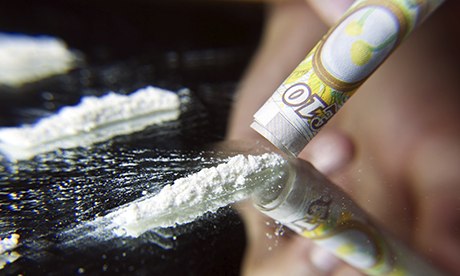
Social and health consequences of cocaine use


Social and health consequences of cocaine use-Addiction

Social and health consequences of cocaine use-Everyone is affected

cocaine

The use of cocaine has negative effects on the society

Almost on a daily basis on my way to my work place I pass a small park on the way. In this park and along the road a group of people is sitting, standing or lying down with bottles of wine in their hands or tins with beer. They are not very good looking and not presentable at all, sometimes they show up in rags and some have hairdos that look like a Zoo. They seem engaged in quite energetic talking but at the same time some sit listening quietly and some even seem to sleep.

This group is a group of street drinkers. They all know each other and their place of congregation is the little park. Quite clearly they have no jobs, at least not at the time I meet them socializing, majority of them are men.

On the other hand at my work place I have a different experience I talk to another group of people usually very well dressed people in a nice room, during lunch, dinner or at the occasion reception. A reception will be created when for instance someone says good bye as a professor and goes to another university. Also we have receptions after a doctoral thesis has been defended. During these receptions people stand and almost all have glasses in their hands, filled with red wine, white wine or sometimes even stronger drinks like gin or whiskey. People laugh, have energetic discussions or wander quietly from person to person. All of these people have jobs. They are both men and women, in almost equal proportions well-mannered and dressed sophistically.

Looking at these two groups observations serve as lesson. Tow lessons one in the sociology of drug use. The common drug that played a role in the two described situations was of course alcohol, hence the topic of my presentation in this, Cocaine use and its social and health consequences, will be modeled along the structure that these two situations allow me to create.

Cocaine users can be found in poor ghettos of cities of the world, but also in the suburbs or rich dwellings. But in our own cocaine user studies we found crack cocaine users among well employed highly functional completely integrated cocaine users. How then are we going to approach the question what health and social consequences cocaine use can have?

Lesson number two. We have to be prepared that a simple answer to this question does not exist. Quite clearly, as is the case in the two groups of alcohol users I started to describe, we should be ready to accept that the answers to the question may be very different from one kind of cocaine user to the next. Very much depends two things (1) on the group to which the user belongs and (2) the use patterns of the user.

In groups where unemployment is the rule, criminal behavior as well, poor housing conditions prevail and where social integration into dominant labour or family culture is low, the user of cocaine, or of alcohol, or of whatever drug will behave very differently from when the user is part of another sub culture. If you do not go to work, why would you stop using cocaine at 9 o’clock at night? If you do not have to impress your boss every morning by looking brilliant, the contextual restraints on your time management are really different than when you have.

If you are not part of a culture in which you eat every day, and eat well, the health consequences of alcohol, but also of cocaine, will be different than when you eat well and regularly. If you smoke cocaine to escape constantly some sort of social misery, the effect you seek are different from when you smoke cocaine to take off on an adventure of sexuality and excess.

Apparently people seek effects that they sometimes get from drugs, and try to get those effects again. The type of drug effects people seek can be very different, even with the same drug. The two types of alcohol users I introduced to you in the beginning, are seeking different types of effects from alcohol. The choice of effects depends very much on your social home, but also on your character and the interplay between situation and moods.

Social and health consequences of cocaine use-Scores of Variables

With alcohol we all know a typical kind of user, who will consume some alcohol every day, but in low amounts and to very low or even zero levels of intoxication. They visit a bar after work or have a drink at home while chatting with kids. One could give such a use pattern a name, like frequent use zero intoxication. This is a very neutral type of name. Another possibility is that a daily wine user, who chooses the wine very carefully to match the chosen food of the day, but not as a vehicle for intoxication, could be named as a gourmet alcohol user. The same is true for cocaine, although with cocaine users taste can be important, but in a very different way as for a wine user. A cocaine user will appreciate the mellow bitter taste, or the subtle freeze in the back of the tongue.

We have found a substantial proportion of cocaine users who would use the substance every day but with very little amounts, less than 0.5 gram a week, who like to experience the freeze, or the very mild post dinner stimulation, very much like people who have coffee after dinner. For this they need very small lines of cocaine, even if their wealth or available stock of cocaine in their office drawer would allow much greater quantities of use.

Social and health consequences of cocaine use-The story of the consequences

Looking at pattern of use plus looking at social or cultural group a user belongs; one can see distinct types of cocaine use where the social and health consequences are almost zero. If cocaine use does not interfere with eating, if it does not interfere with social functioning both in the inner group as in relation to outside groups the social consequences are nil.

However, it is possible to identify daily users of cocaine, where the amount of use is higher or very high, and where the level of intoxication is desired to be high, and where the user’s group is willing to create the social background for this type of frequent high intensity use. Here the social consequences will be small in the primary group to which the user belongs, but quite dramatically negative in relation to outside groups.

But we can see with alcohol, as with cocaine that some users will use to excess, or consume so much to support a particular behavior or emotional effect that even the inner group is not going to accept this. If this happens, as will occur with some users, the social consequences are severe. Heavy consumers will find themselves with deeply disturbed social relations, sometimes resulting in complete ostracism and even death. Quite probably these rare use patterns are driven by complex problems that justify the choice of these patterns although ultimately they may prove to be very counterproductive. Most often, such extreme use patterns are left behind as soon as the user finds some possibility of more useful adaptation.

However, also quite destructive social consequences can happen to a consumer of cocaine who has no conspicuous use pattern at all. Imagine someone who lives the life of a highly valued and well known adviser to the Minister of Health. However, in her free time she invites artists and actors to her very nice flat on the river side. Cocaine is snorted and one of the elderly guests makes a mistake, snorts too much cocaine on top of his whiskey and has a heart attack. The guest is taken to the hospital and fortunately survives, but the story is out and in the papers. You can avoid this by visiting AWAREmed Health and Wellness Resource Center under Doctor Akoury for help on addiction. They focus on Neuroendocrine Restoration (NER) to reinstate normality through realization of the oneness of Spirit, Mind, and Body, Unifying the threesome into ONE.

Social and health consequences of cocaine use-Addiction


Facebooktwitterpinterestlinkedin

PRESCRIPTION DRUG ABUSE

PRESCRIPTION DRUG ABUSE-SERIOUS PROBLEM

Prescription drug abuse is becoming a major scourge to the society today

Much as recreational use of prescription drugs is a serious problem with virtually everyone, teens and young adults are most affected. Resent studies shows that teens are more likely to have abused a prescription drug than an illegal street drug. Many teens think prescription drugs are safe because they were prescribed by a doctor. But taking them for nonmedical use to get high or “self-medicate” can be just as dangerous and addictive as taking illegal street drugs. There are very serious health risks in taking prescription drugs. This is why they are taken only under the care of a doctor. And even then, they have to be closely monitored to avoid addiction or other problems. Many pills look the same. It is extremely dangerous to take any pill that you are uncertain about or was not prescribed for you. People can also have different reactions to drugs due to the differences in each person’s body chemistry. A drug that was okay for one person could be very risky, even fatal, for someone else.

PRESCRIPTION DRUGS ABUSE-WHAT YOU DON’T KNOW

Due to their potential for abuse and addiction, many prescription drugs have been categorized by the US Drug Enforcement Administration in the same category as opium or cocaine. These include Ritalin and Dexedrine (stimulants), and the painkillers OxyContin, Demerol and Roxanol. Many illegal street drugs were at one time used or prescribed by doctors or psychiatrists but were later banned when the evidence of their harmful effects could no longer be ignored. Examples are heroin, cocaine, LSD, methamphetamine and Ecstasy. Abuse of prescription drugs can be even riskier than the abuse of illegally manufactured drugs. The high potency of some of the synthetic (man-made) drugs available as prescription drugs creates a high overdose risk. This is particularly true of OxyContin and similar painkillers, where overdose deaths more than doubled over a five-year period.

Prescription drugs abuse-Types of abused prescription drugs

Prescription drugs that are taken for recreational use include the following major categories: 1. Depressants: Often referred to as central nervous system (brain and spinal cord) depressants, these drugs slow brain function. They include sedatives (used to make a person calm and drowsy) and tranquilizers (intended to reduce tension or anxiety). 2. Opioids and morphine derivatives: Generally referred to as painkillers, these drugs contain opium or opium-like substances and are used to relieve pain. 3. Stimulants: A class of drugs intended to increase energy and alertness but which also increase blood pressure, heart rate and breathing. 4. Antidepressants: Psychiatric drugs that are supposed to handle depression.

PRESCRIPTION DRUG ABUSE-DEPRESSANTS

Sometimes called “downers,” these drugs come in multicolored tablets and capsules or in liquid form. Some drugs in this category, such as Zyprexa, Seroquel and Haldol, are known as “major tranquilizers” or “antipsychotics,” as they are supposed to reduce the symptoms of mental illness. Depressants such as Xanax, Klonopin, Halcion and Librium are often referred to as “benzos” (short for benzodiazepines). Other depressants, such as Amytal, Numbutal and Seconal, are classed as barbiturates—drugs that are used as sedatives and sleeping pills. Effects of Depressants Higher doses can cause impairment of memory, judgment and coordination, irritability, paranoia, and suicidal thoughts. Some people experience the opposite of the intended effect, such as agitation or aggression. Using sedatives (drugs used to calm or soothe) and tranquilizers with other substances, particularly alcohol, can slow breathing and the heart rate and even lead to death. Tolerance of too many depressants can develop rapidly, with larger doses needed to achieve the same effect. The user, trying to reach the same high, may raise the dose to a level that results in coma or death by overdose. Long-term use of depressants can produce depression, chronic fatigue, breathing difficulties, sexual problems and sleep problems. As a dependency on the drug increases, cravings, anxiety or panic are common if the user is unable to get more. Withdrawal symptoms include insomnia, weakness and nausea. For continual and high-dose users, agitation, high body temperature, delirium, hallucinations and convulsions can occur. Unlike withdrawal from most drugs, withdrawal from depressants can be life-threatening. These drugs can also increase the risk of high blood sugar, diabetes, and weight gain (instances of up to 100 pounds have been reported). In a study conducted by USA today, based on Food and Drug Administration data over a four-year period, antipsychotics (a type of depressant) were the prime suspects in forty-five deaths caused by heart problems, choking, liver failure and suicide. ROHYPNOL Rohypnol is a tranquilizer about ten times more potent than Valium. The drug is available as a white or olive-green pill and is usually sold in the manufacturer’s bubble packaging. Users crush the pills and snort the powder, sprinkle it on marijuana and smoke it, dissolve it in a drink or inject it.

PRESCRIPTION DRUG ABUSE-ROHYPNOL EFFECTS

Rohypnol has been used to commit sexual assaults because it renders the victim incapable of resisting, giving it the reputation of a “date-rape” drug. Rohypnol users often describe its effects as “paralyzing.” The effects start twenty to thirty minutes after taking the drug, peak within two hours and may persist for eight or even twelve hours. A person can be so incapacitated (made unable to act) they collapse. They lie on the floor, eyes open, able to observe events but completely unable to move. Afterwards, memory is impaired and they cannot recall any of what happened. The person experiences loss of muscle control, confusion, drowsiness and amnesia. Looking at the seriousness of these elements we certainly need help and we need it now. The good news is that we have AWAREmed Health and Wellness Resource Center under Doctor Akoury’s. In this facility the primary objective is to care for you and your health the natural way. No chemical no side effects it’s all about what is right and good for you. Doctor Akoury focuses on Neuroendocrine Restoration (NER) to reinstate normality through realization of the oneness of Spirit, Mind, and Body, Unifying the threesome into ONE. Where-else can you get help? Certainly none, this is the place to be.

PRESCRIPTION DRUG ABUSE-SERIOUS PROBLEM

Facebooktwitterpinterestlinkedin

Dangers of drinking alcohol while pregnant

Dangers of drinking alcohol while pregnant-Find out from Experts

alcohol

the dangers of drinking alcohol while pregnant have great effect on the unborn child

We don’t know for sure how much alcohol is safe for you to have while you’re pregnant. That’s why experts tend to advise that you either don’t have any alcohol in pregnancy, or that you at least don’t drink alcohol for the first three months of your pregnancy.

If you drink alcohol during the last six months of your pregnancy, you should have no more than one or two units, once or twice a week. You shouldn’t drink enough to feel drunk.

Heavy, regular or binge drinking is dangerous for your baby. A heavy drinker is someone who is regularly drinking six or more units of alcohol a day, but rarely feels drunk.

A binge drinker can be defined as someone who may not drink for days at a time, but then drinks five or more units of alcohol in a short space of time, or drinks with the purpose of getting drunk.
Dangers of drinking alcohol while pregnant-Why is alcohol a problem

Alcohol is a toxin. When you drink alcohol, it rapidly reaches your baby through the placenta, via your bloodstream. Heavy, regular or binge drinking can cause miscarriage and premature birth. Too much alcohol can even increase the risk of your baby being stillborn.

If you drink too much alcohol during pregnancy, it can permanently damage your developing baby’s cells. This could affect how your baby’s face, organs and brain grow.

Heavy drinking can also damage your baby’s nervous system. This can mean that your baby develops fetal alcohol spectrum disorders (FASD), with problems that can range from mild learning difficulties or social problems, through to birth defects.

Fetal alcohol syndrome (FAS) is at the extreme end of the spectrum of disorders. Babies with FAS tend to have facial defects, be born small and carry on being small for their age. They also have learning difficulties, poor muscle tone and coordination, and behavioral problems, for the rest of their lives. Due to the harm that too much alcohol may cause an unborn baby, experts are wary of saying how much it’s safe to drink alcohol during pregnancy.

Dangers of drinking alcohol while pregnant-Effect of alcohol to the unborn baby

The effect on your baby of drinking alcohol in pregnancy depends on:

  • how much alcohol you have
  • at what stage in pregnancy you drink alcohol
  • how often you drink alcohol

Some experts think that some learning difficulties and memory problems in children may be adduced to their mother’s drinking alcohol during their last trimester. This is when your baby is growing more, and his brain is developing.

Binge drinking can be particularly harmful. If you binge drink, you are at more risk of having a baby with FAS than if you drink the same amount over a longer period.

However, drinking on a regular basis may also cause problems in developing babies. Some studies have suggested that regular drinking of nine or more units spread out over a week may lead to attention problems in some children, and cause them to have a low IQ.
Dangers of drinking alcohol while pregnant-Light drinking in pregnancy

Experts are divided about the potential effects of occasional or light drinking. Light drinking is no more than one unit to two units of alcohol, no more than once or twice a week.

Some studies have shown that light drinking isn’t harmful for your baby. But other studies have reported that any alcohol taken during pregnancy may be harmful.

The Department of Health recommends that pregnant women, and women who are trying to conceive, shouldn’t drink alcohol at all. This in my view is fine however many ladies wonder about the effects that may be there if they drunk before knowing that they are already pregnant.
The important thing is to cut out alcohol, or at least be careful about how much you drink, as soon as you find out that you’re expecting.

Many women have a few drinks before realizing they are pregnant. Babies have a habit of turning up when they’re least expected, and many babies conceived around the time of a night out drinking have been fine. However, we don’t know for sure what a few drinks over a short period early in pregnancy can do to a developing baby. That’s why the Department of Health recommends that you give up drinking shortly before getting pregnant.
Dangers of drinking alcohol while pregnant-Alternative drinks

Not drinking alcohol or cutting down on how much you drink, may be easy if nausea or sickness puts you off it in early pregnancy. But if you tend to have alcohol to help you to unwind, giving up may be harder. Try replacing a glass of beer or wine with other stress-easing pleasures, such as a warm bath, soft music, a beauty treatment, exercise or reading. If you miss the ritual of drinking, switch to non-alcoholic beer or wine during your evening meal. Doing all these may not be easy for many people and a lot would still find them struggling to give up alcohol. If you’re finding it hard to cut down on your own, or think you might have a drink problem, your doctor or midwife can help. They are professionals and won’t judge you. It’s their job to help you to have a healthy pregnancy. Asking for help just shows how much you care about your baby and yourself.

Dangers of drinking alcohol while pregnant-Find out from Experts


Facebooktwitterpinterestlinkedin