Category Archives: Detox

outpatient-treatment

Medically supervised opiate detox
Medically supervised opiate

Medically supervised opiate detox and natural detox options for body cleansing are primarily done to pave way for the real treatment

Medically supervised opiate detox: Inpatient versus outpatient

Opiate addiction is a difficult addiction to deal with normally because of the extreme physical withdrawal symptoms associated with this type of drug addiction. Opiates or painkillers as they are commonly known can be natural or synthetic. Drugs like heroin, Fentanyl, hydrocodone, morphine, OxyContin and opium are types of opiates. The dangers of using opiate are that when a person becomes physically addicted to an opiate they must constantly use that opiate repeatedly to avoid the experience of withdrawal symptoms. These symptoms begin slowly in the form of agitation, anxiety, running nose, sweating and yawning but eventually they become much more intense. The later stages of opiate withdrawal include extreme hot and cold sweats, nausea and vomiting, intense muscle cramping, diarrhea and acute insomnia. That is why medically supervised opiate detox is very essential as a strategy of finding permanent solution.

Opiate withdrawal is painful and can last for several long, agonizing days. It is often the fear of this painful withdrawal process that keeps most addicts to continue using opiates for many years past the point where they wish to stop. In amidst all these seeking for lasting solution from the experts of addiction then becomes very necessary, and that is why the experts from AWAREmed Health and Wellness Resource Center under the able leadership of doctor Dalal Akoury are coming on board to help us understand some possible ways of lasting solutions. We have actually talked about treatment of addiction before and today we want to compare and contrast this by looking at inpatient versus outpatient medically supervised opiate detox as we progress into the discussion.

Medically supervised opiate detox: Opiate withdrawal

According to the experts at AWAREmed Health and Wellness Resource Center opiate withdrawal may not be lethal on its own unless the user is mixing together with other drugs while getting high or when they attempt to go through the withdrawal process all by themselves using medications and drugs on their own. Doctor Akoury is registering that the danger of opiate withdrawal is that it makes the addict feel like they want to die. It therefore means that in order to safely withdrawal a person from an opiate addiction, a medically supervised detox will be very necessary. This will involve using medication to take a patient from an opioid-dependent state to an opioid-free state under the care and direction of a medical professional with experience in conducting medical detoxification process. Ideally medications used during a medically supervised detox protocol would be buprenorphine or Suboxone.

These drugs treat the withdrawal symptoms of opiate addiction. Additional medications such as Clonidine may be used to help stabilize blood pressure, and over the counter drugs are often utilized to deal with the headaches, diarrhea and nausea. There are two ways a person can receive a medically supervised opiate detox. It can either be done Inpatient or outpatient detox. These are fundamental medications options we have and we are going address them in detail in our next posting. In the meantime, you may want to consult with doctor Dalal Akoury about any concern you may have in this worthy topic and she will address them professionally.

Medically supervised opiate detox: Inpatient versus outpatient

http://www.I-AM-I.com/wp-admin


Facebooktwitterpinterestlinkedin
addiction treatment

Cross addiction nightmare in addiction recovery

Cross addiction nightmare

Cross addiction nightmare in addiction recovery coupled with denial and frustrations can ruin any progress made in treatment process

Cross addiction nightmare in addiction recovery: Dealing with PAWS

Most cocaine addicts struggle with the idea of total abstinence. If you’re addicted to cocaine, you know you never want to use cocaine again. Cocaine has ruined your life, it has cost you a lot of money, but you’re not sure about stopping alcohol. Maybe alcohol has never been a problem. But because of cross addiction, if you want to stop using cocaine you must also stop all addictive drugs including alcohol and marijuana.

Alcohol is a common trigger for cocaine use. You’ll start with just a few drinks a week. Maybe you’ll drink moderately for weeks or even months without using cocaine. But then one week, you’ll have a bad week. Bad things happen. During that week, everything will go wrong. You’ll be stressed out at work. You’ll have an argument at home. And by the end of the week, you’ll really want a drink. But instead of just a few drinks, you’ll want maybe three or four drinks to take the edge off. After the first one or two drinks, your inhibitions will be lower. After two or three drinks, you’ll reach a magic number, and your brain will suddenly say “Bingo. I remember this feeling, and I remember something that feels even better.” And you’ll be off using again.

These are the temptation techniques which can be avoided by choosing to remain sober through constant consultation with the experts from AWAREmed Health and Wellness Resource Center under the able leadership of doctor Dalal Akoury from time to time. Remember that doctor Akoury is a veteran addiction expert and has been of help to many people across the globe and your condition will be very safe with her but first you need to make that commitment of scheduling for an appointment with her today.

Cross addiction nightmare in addiction recovery: How to deal with PAWS

Doctor Akoury is registering that in dealing with Post-Acute Withdrawal Symptoms (PAWS) challenges of inconsistency will always be there. This is because PAWS often come and go. Because of this many people will find relief within a very short period of time and with that in mind, the following tips can help you in increasing your recovery process:

  • Ensuring that they eat a balanced diet and taking nutritional supplements as prescribed by their doctor. If these symptoms are being caused by nutritional deficiencies then eating a balanced diet should help to address this.
  • Exercise is not only good for physical health but also for mental well-being. It is important that people in recovery devote at least a little time each day to physical activity.
  • Meditation is a wonderful tool for improving concentration and developing inner peace. Those who are dealing with PAWS can find it difficult to mediate nonetheless; they can begin by learning some simple breathing exercises.
  • Those people who belong to a recovery group are likely to find that this provides them with support and advice.
  • One of the important tasks for early recovery is for people to develop skills for dealing with stress. A good reason for attending rehab is that it gives the individual a head start in developing such coping mechanisms.
  • It is important that those who are dealing with PAWS realize that these symptoms will almost certainly disappear once they are established in recovery.

Cross addiction nightmare in addiction recovery: Dealing with PAWS

http://regenerativepotential.com/wp-admin


Facebooktwitterpinterestlinkedin
are-you-addicted-600

Marijuana addiction awareness and treatment

Marijuana addiction awareness

Marijuana addiction awareness and treatment effectiveness in the transformation of addiction recovery

Marijuana addiction awareness and treatment: Also known as cannabis sativa

Many at times we are faced with certain misleading statements about illicit drugs, with their users making every effort to convince non-users of how good these illicit drugs are good and should be used freely. The truth is that once illicit it is bad and nothing can be good about it. Looking at the way drugs ruin families, societies and even nations, I cannot just sit and pretend that things will normalize with time without doing something about it. And that is the reason why doctor Dalal Akoury MD a renowned addiction expert of several decades made a very passionate decision to create a medical center (AWAREmed Health and Wellness Resource Center) whose main objective is to transform each individual’s life through increasing awareness about health and wellness and by empowering individuals to finding their own inner healing power and exercising it for total recovery about all kinds of addictions. And as we explore on all kinds of addiction, we want to narrow down on the marijuana addiction awareness and treatment progressively.

Besides that in the level of professionalism, it will interest you to note that Dr. Akoury’s practice primarily focuses on personalized medicine through healthy lifestyle choices that deal with primary prevention and underlying causes instead of patching up symptoms. And now with such a professional onboard we can proceed to sharing with you what you need to know about marijuana so that you can separate between myths and facts. In the meantime, if you have any concerns that you need clarification from the expert then you can call doctor Akoury on telephone number 843 213 1480 and she will gladly address your concerns professionally.

Marijuana addiction awareness and treatment: The hemp plant

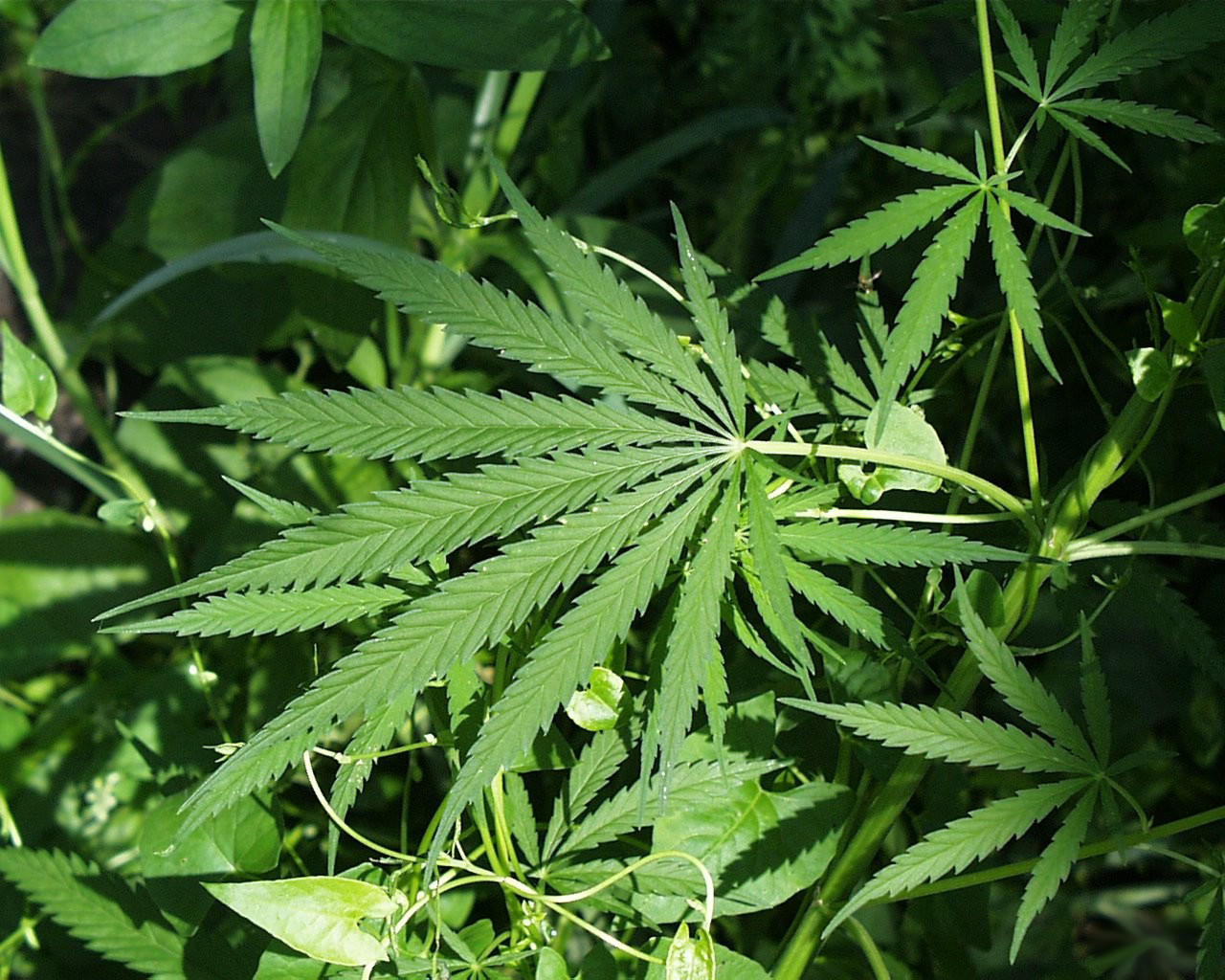
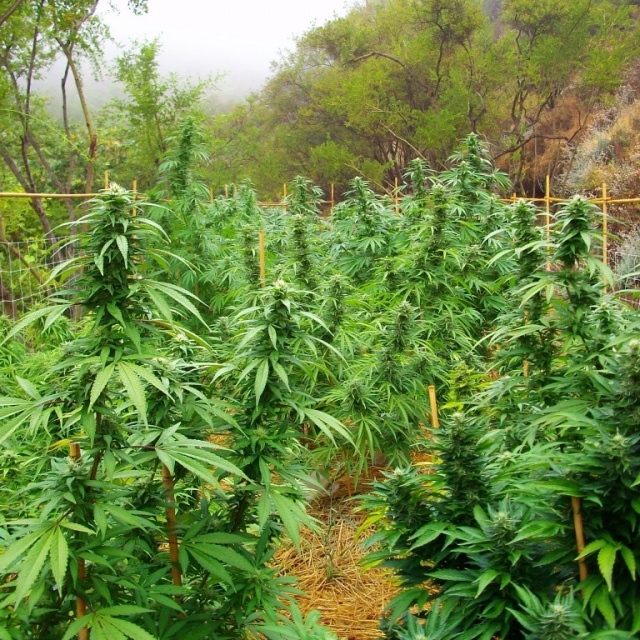
Now back to the discussion, marijuana is derived from the hemp plant, cannabis sativa and it is a dry, shredded green and brown mix of flowers, stems, seeds, and leaves. Marijuana is one of the most commonly used and abused illicit drug globally with the U.S being one of the highly rated in is abuse. This substance is loaded with over 400 different chemicals with the main one being that which brings alteration to the mind known as delta-9-tetrahydrocannabinol, or THC. The level of THC content in marijuana after cultivation can range from less than 1% to more than 30% and has been increasing dramatically, making marijuana increasingly potent and more addictive. This therefore defeats the myth that marijuana is harmless because the fact is and according to the Drug Abuse Warning Network (DAWN), in 2010 there were over 572,000 marijuana-involved admissions to hospital emergency rooms. This is not a small thing that you can easily wish away, and in the same report it was also established that during the same timeframe, an estimated 11,406 emergency department visits involved a synthetic cannabinoid product, sometimes referred to as “synthetic marijuana” and commonly known by street names like “Spice” or “K2”. That can only mean that this is a very dangerous drug and this awareness is timely.

Marijuana addiction awareness and treatment: Also known as cannabis sativa

http://www.integrativeaddictionconference.com/wp-admin


Facebooktwitterpinterestlinkedin
2010-35-Malibu1-768×1024-640×640

Marijuana street names and mode of administration

Marijuana street names

Marijuana street names and mode of administration doesn’t change the consequences

Marijuana street names and mode of administration: The dangers remain constant

Marijuana street names are very many and users identify to them some of the street names may include pot, weed, herb, dope, reefer, grass etc., despite the many names, the modes of administration into the body remain the same which is through smoking. Besides that marijuana can also be taken in as a mixture of baked goods like cookies or brownies and also brewed as a tea. According to the experts from AWAREmed Health and Wellness Resource Center, a more concentrated, higher THC content and resinous form of marijuana is called hashish and it comes in the form of sticky black liquid, hash oil. Doctor Akoury says that the smoke of this substance often has a pungent and distinctive, usually sweet-and-sour odor. Marijuana is sometimes laced with crack cocaine and hallucinogen phencyclidine (PCP), making marijuana even more dangerous.

Marijuana street names and mode of administration: Short-term effects

It is important to note that the effects of marijuana are generally felt within a few minutes and reach a peak between 10 and 30 minutes. Overall, most of marijuana’s short-term effects wear off within 2 or 3 hours and that explains why users often take it repeatedly to realize the high.

How does marijuana affect the brain? This is very important because when someone smokes marijuana, THC is absorbed by the lungs and into the bloodstream, which then transport the THC to the brain and to all other organs of the body, producing the “high” that users experience. The parts of the brain most affected include those that influence pleasure, memory, thinking, concentration, sensory and time perception and coordination of movement.

Marijuana street names and mode of administration: Long-term effects

According to NIDA (National Institute on Drug Abuse), research has shown that, in chronic users, marijuana’s adverse impact on learning and memory can last for days or weeks after the acute effects of the drug wear off. Because of this, a daily user of marijuana may be functioning at a suboptimal intellectual level all of the time. Research has also shown poorer cognitive abilities than non-users, including memory capability, math and verbal skills and that explains why marijuana is very addictive in nature.

Even though users will tell you that marijuana is not addictive, the fact is that year in year our more teens are admitted in various health facilities for treatment with a primary diagnosis of marijuana dependence than all other illicit drugs combined. This according to the studies carried out by NIDA, long-term marijuana use can lead to addiction for about 9% of users and increases among those who start young to about 17% and daily users between 25-50%. Because of the addictiveness nature of the substance, long term users who are trying to quit always suffer withdrawal symptoms including irritability, sleeplessness, decreased appetite, anxiety, and drug craving. The symptoms begin within a day after last use and peak at 2-3 days and latter subside within 1 or 2 weeks. Your concerns after reading this piece of information can be addressed professionally up on scheduling for an appointment with doctor Dalal Akoury today for a one on one discussion.

Marijuana street names and mode of administration: The dangers remain constant

http://www.awaremednetwork.com/


Facebooktwitterpinterestlinkedin
stop drinking

Underage drinking risks and consequences

Underage drinking risks

Underage drinking risks and consequences can be ruin your life if not addressed timely

Underage drinking risks and consequences: Alcoholism and drug dependence

Many young people are eager to find out what is good about alcohol consumption and doctor Dalal Akoury MD having been in this discipline for over two decades is responding categorically that there is nothing good about alcohol let alone the age bracket of usage. In fact it doesn’t matter what it is that leads adolescents to begin drinking, because once they start they face a number of potential health and safety risks. Underage drinking risks is common with young people who are more likely to be sexually active and to have unsafe, unprotected sex; they are more likely to be involved in fights, commit violent crimes, fail at school, use other drugs, and experience verbal, physical, or sexual violence. And those who start drinking before age 15 are five times more likely to develop alcoholism later in life than those who begin drinking at age 21. That statement must not be understood to mean that people should start drinking at 21, NO there is nothing beneficial in alcohol.

Underage drinking risks and consequences: Prevention of underage drinking

Underage drinking is a complex problem, requiring cooperation at all levels of society. Three basic approaches have proven to be effective in prevention of the problem:

  • Curtailing the availability of alcohol;
  • Consistent enforcement of existing laws and regulations; and
  • Changing norms and behaviors through education.

Binge drinking

Binge drinking is a pattern of alcohol consumption that brings the blood alcohol concentration (BAC) level to 0.08% or more in a short period of time. This pattern of drinking alcohol usually in less than 2 hours corresponds to: 5 or more drinks for men or 4 or more drinks for women. And without running away from facts it is plain and simple, it is high risk drinking, flee from it now.

Underage drinking risks and consequences: Signs and symptoms of alcoholism

Alcoholism involves all the symptoms of alcohol abuse, but also involves another element: physical dependence – tolerance and withdrawal. Take a look: 

Tolerance – this means that, over time, you will need more alcohol to feel the same effect. Ask yourself if you’re drinking more than you used to? Do you drink more than other people without showing obvious signs of intoxication?

Withdrawal – As the effect of the alcohol wears off you may experience withdrawal symptoms including anxiety or jumpiness; shakiness or trembling sweating, nausea and vomiting, insomnia, depression, irritability, fatigue or loss of appetite and headaches. Do you drink to steady the nerves, stop the shakes in the morning? Drinking to relieve or avoid withdrawal symptoms is a sign of alcoholism and addiction.

In severe cases, withdrawal from alcohol can be life-threatening and involve hallucinations, confusion, seizures, fever, and agitation. Doctor Akoury reiterates that these symptoms can be dangerous and should be managed by a physician specifically trained and experienced in dealing with alcoholism and addiction and that is one of the many reasons why doctor Akoury founder this facility (AWAREmed Health and Wellness Resource Center) where you can walk in any time any day and all your addiction concerns will be addressed professionally and in full confidentiality. So if this description suits you, I want to encourage you to schedule for an appointment with doctor Akoury today and your life will never be the same again.

Underage drinking risks and consequences: Alcoholism and drug dependence

http://www.awaremednetwork.com/


Facebooktwitterpinterestlinkedin