Category Archives: Women Health

Treatment Options Available For Heroin Addiction

New Treatment Options Available For Heroin Addiction

Treatment for Heroin Addiction-What is heroin?

Heroine

heroine addiction is oppressive, disastrous and unhealthy. Good news it is treatable.

Heroin is an illegal, highly addictive drug. It is both the most abused and the most rapidly acting of the opiates. Heroin is processed from morphine, a naturally occurring substance extracted from the seed pod of certain varieties of poppy plants. It is typically sold as a white or brownish powder or as the black sticky substance known on the streets as “black tar heroin.” Although purer heroin is becoming more common, most street heroin is “cut” with other drugs or with substances such as sugar, starch, powdered milk, or quinine.

Treatment of Heroin Addiction-Symptoms and Effects

Heroin produces a “downer” effect that rapidly induces a state of relaxation and euphoria (related to chemical changes in the pleasure centers of the brain). Like other opiates, heroin use blocks the brain’s ability to perceive pain. Heroin abusers, particularly those with prior drug abuse history may initially be able to conceal signs and symptoms of their heroin use.

Loved ones or co-workers may notice a number of signs of heroin use, which are visible during and after heroin consumption:

  • Shortness of breath
  • Dry mouth
  • Constricted (small) pupils
  • Sudden changes in behavior or actions
  • Disorientation
  • Cycles of hyper alertness followed by suddenly nodding off
  • Droopy appearance, as if extremities are heavy

Treatment for Heroin Addiction- Buprenorphine

Buprenorphine (byoo-preuh-nor-feen) is a medicine for treating heroin addiction. Buprenorphine works a lot like methadone, but instead of getting it at a special clinic, a doctor prescribes it in the office and you can take it at home – which can make treatment easier for you.

Why Is It Important to Treat Heroin Addiction?

Heroin addiction is a disease. Heroin use can cause many problems:

  • Overdose and even death.
  • If you inject heroin and share needles, you can get HIV, hepatitis B, or hepatitis C, or give these diseases to someone else. Injecting can also cause infections of the skin, muscle, and heart.
  • Because heroin is illegal, you may have to go through a lot of trouble or do something illegal to get it. You can end up in jail if you get caught with even a small amount.

When you use heroin for a long time, your brain and body change and become dependent on it (your body needs the heroin). If this happens, you may need dot take medicine every day for a long time to treat your addiction, just like people take other medicines to treat other health problems, like people who have diabetes and need to take insulin shots.

For many years doctors have used methadone to treat heroin addiction. But people who take methadone have to go to their methadone clinic often their medicine. This may be a help to people who need the supports services at their clinic, but for others it can be a barrier to treatment. Many communities do not have methadone clinics, or their clinics do not have room for new patients.

How Can Buprenorphine Protect You from HIV and Other Sexually Transmitted Diseases (STDs)?

Buprenorphine blocks symptoms of withdrawal and craving and helps you to not use heroin.

If you are in withdrawal or craving heroin, you might share needles or works because taking heroin seems more important than protecing yourself or others from HIV infection.

If you are high on heroin, you may not think straight. There is a better chance that you will not use a condom to protect yourself and others from infection.

Treatment for Heroin Addiction- How Does Buprenorphine Work?

If you are ready to quit, buprenorphine can help you use less heroin, less often until you can stop using altogether.

It blocks the effects of heroin

Buprenorphine stops heroin from getting you “high” and stops withdrawal symptoms and heroin craving (the strong feeling that you need to have it).

It is safe

Buprenorphine does not get you high if you use it the right way and it does not cause strong side effects. It is hard to get sick or overdose from it.

You can take it at home

Doctors prescribe buprenorphine and you can take it at home. It comes in tablets that you put under your tongue and let them melt.

Treatment for Heroin Addiction- How Does Buprenorphine Treatment Work?

There are three steps, or “phases”:

1. Induction phase

This period usually lasts for about one week. The goal is to figure out the dose of buprenorphine that works best to relieve your withdrawal symptoms and craving.

  • You take the first dose when you are in the early stage of withdrawal – about 10 to 24 hours after your last dose of heroin. First you take a test dose, followed by another dose to relieve withdrawal symptoms.
  • Your doctor may ask you to stay in the office for several hours after your first dose to see how the early doses affect you.
  • During the first week, you may have to see your doctor several times. The dose can be raised if you still have withdrawal symptoms.
  • You may not be able to drive or use machines and power tools.

2. Stabilization phase

The goal in this phase is to use less heroin or no heroin and not feel withdrawal symptoms or craving while you keep taking buprenorphine.

  • Usually lasts about 1-2 months
  • You visit your doctor’s office for check-ups regularly.
  • You get a prescription for and take buprenorphine at home. Your doctor may increase your dose so that you do not have to take buprenorphine every day.
  • Doctors may test your urine to make sure you are not taking heroin or other drugs.

3. Maintenance phase

  • You visit the doctor’s office to get a refill of your buprenorphine about once a month.

What Are the Side Effects of Buprenorphine?

  • The most common side effects are constipation and nausea. Usually these are not strong.
  • If you feel light-headed at first, you may not be able to drive or use heavy equipment until you get used to the medicine.
  • You cannot take buprenorphine at the same time as some pain medicines, like morphine and codeine, because buprenorphine will block their effects. Use medicines like Tylenol® or ibuprofen instead. If you need surgery or have a long-term pain problem, you will need to stop buprenorphine for a while.
  • Do not take buprenorphine with sedatives to help you sleep or tranquilizers (like anti-anxiety medicine such as Xanax® or Valium) unless prescribed by your doctor. High doses of these drugs mixed with buprenorphine may cause an overdose.
  • If you have hepatitis or other active liver problems, your doctor may check your liver tests from time to time.
Treatment for Heroin Addiction-Natural way

There are a few highly effective homeopathic ingredients that can be used on a heroin addict to get rid of the addiction in a natural way.

Plantago Major is the first ingredient that has been used for a very long time for treating various ailments, conditions, even as salad dressing, and also for treating heroin addiction; it is a dark green looking weed and it enhances the growth of cells in human body and releases a chemical compound in the body that makes the person stay away from tobacco and heroin. Not only is it effective in overcoming heroin addiction but smoking as well.


Tabacum is a diluted replacement that will work in place of heroin. This is the best way of gradually leaving heroin addiction and taking a step down. If you cannot just leave heroin right away; this treatment will make you gradually leave it.

Abies Nigra also known as Black Spruce; it is a natural relaxant. It’s not easy to coupe with withdrawal symptoms. In order to make these symptoms less pleasant, the patient can make use of Black Spruce. The nerves will calm down and the patient will no longer feel the thirst for heroin.

Natural methods for overcoming heroin addiction are very effective but they should always be combined by other medicinal treatments as well in order to make sure that they results are surely positive.

New Treatment Options Available For Heroin Addiction


Facebooktwitterpinterestlinkedin

Stress and Obesity the Missing Link!!!

Stress and Obesity-Not a Union

Stress

Research has found that stress leads to specific reactions in the body that cause induced cravings and lead to obesity

Obesity is a burgeoning problem in the developed world, and certain behaviors, such as increased portion sizes and reduced physical activity, can help explain why the obesity epidemic is spreading. Job strain might also contribute to the prevalence of obesity, and the current study addresses this issue in a cohort of civil servants followed over time. Obesity continues to be one of the largest public health concerns of the developed world. Analysis of data from the 2001-2002 National Health and Nutrition Examination Survey (NHANES) found that the prevalence rates of overweight and obesity among US adults were 31.5% and 30.5%, respectively. The prevalence of overweight in children was 16.5%. Compared to the previous NHANES survey (1988-1994), the body mass index (BMI) greater than 30 among adults had doubled. (Of note, the prevalence of overweight and obesity were fairly stable between the 1999-2000 and 2001-2002 examination periods.)

Stress and Obesity-Understanding obesity

While the problem of obesity has been well publicized, clinicians should also understand that societal factors play a prominent role in obesity. In research sponsored by the World Health Organization involving 26 different populations worldwide, surveys of over 30,000 subjects found an inverse trend between BMI and highest educational level attained. Women with lower educational attainment were significantly more likely to be obese compared with men with similar educational backgrounds, although lower educational levels in both sexes were associated with higher obesity. Moreover, the negative association between educational attainment and obesity increased over the 10-year study period, indicating that the obesity gap between well-educated and poorly educated individuals was increasing. To reinforce these data, another study limited to developed countries found that increased income disparity was associated with not only higher rates of obesity, but also diabetes mortality as well among subjects at the lower end of the income scale. Other societal trends can affect obesity as well. In the United States, more individuals are choosing to eat at restaurants than at home, and the easiest and least expensive option in dining is often preferred. Such choices can increase the risk of developing obesity. Ecological research from 21 developed countries found that girls who ate fast food at least twice a week were more likely to become obese compared with those who ate fast food less frequently. Unfortunately, the assimilation of other cultures into American society may not help improve the obesity problem. In one study, while regularly eating at fast food restaurants increased the risk of overweight in adults and children in Mexican-American families by a factor of 2.2, the risk of overweight associated with eating at buffet-style restaurants was slightly worse (odds ratio = 2.8). Families who ate food at Mexican restaurants, however, were less likely to be overweight.

Stress and Obesity-The Environment

The work environment can contribute to obesity as well. In a study of 208 male workers in Japan, obesity was associated with psychological tension and anxiety, much of which was derived from high demands and poor decision latitude at work. The authors also found that higher degrees of stress negatively affected subjects’ diets, which contributed to higher rates of obesity. The current study examined the 10,308 civil servants from the Whitehall II study, all of whom were between the ages of 35 and 55. Work stress was assessed by the Job Strain Questionnaire and defined by poor work social support, high job demands, and low job control. Overall, work strain was associated with increased risk of BMI obesity by a maximum odds ratio of 1.73, and of waist obesity by a maximum odds ratio of 1.61. There was a dose-response relationship between the number of reports of stress and obesity. There were some interesting nuances related to the study’s main finding. Men were more likely than women to suffer the negative effects of job strain in terms of obesity, to the point that women did not experience a significant increase in waist obesity with stress. Overall, poor social support at work was the most important singular factor of job strain in increasing the risk of obesity in this study. The study was strengthened by analyzing individuals prospectively over time and employing repeated measures of job stress as participants advanced through their careers. However, the study was limited by examining a very specific group of employees — civil servants — in a first-world country.

Stress and Obesity-Health Risk

Obesity may just be a part of the overall increased health risk associated with work stress, with the sum of these risks being an increased prevalence of cardiovascular disease. In a study of nearly 7000 individuals, the prevalence of smoking was elevated among subjects with greater job strain, while men with low degrees of decision latitude were also more likely to be sedentary. However, no job environment factor in this study was independently related to increase BMI. A case-control analysis of 609 workers in France found that job strain increased the risk of developing hypertension. The odds ratios for hypertension associated with job strain were 3.20 in women and 2.60 in men. Low social support at work was not related to hypertension, and, moreover, higher levels of social support did not mitigate the effects of job strain on hypertension. Another study of female nurses and male factory workers generally corroborated these results. Researchers found that increased duration of shifts during work was associated with increased systolic blood pressure among men over age 30. Both BMI and waist-to-hip ratio increased with increasing shift duration among nurses. The study of nurses and factory workers failed to find an association between blood glucose levels and the duration of shift work. In another analysis of the Nurses’ Health Study II cohort, working overtime was associated with an increased risk of developing type 2 diabetes, while women who worked less than 20 hours per week had a lower risk of diabetes. There is also evidence that serum markers associated with an increased risk of cardiovascular disease may increase with job stress. A study of adults in Sweden found that men reporting high effort and low reward at work had increased levels of total cholesterol and the total cholesterol/high-density lipoprotein cholesterol ratio after adjustment for possible confounders. Women whose jobs required more effort had higher levels of low-density lipoprotein cholesterol. The association between stress at work and cardiovascular risk factors such as BMI, hypertension, and lipid levels points to a possible larger relationship between work stress and cardiovascular disease. The researchers of the Whitehall study have previously examined this issue in their study cohort. They demonstrated that the hazard ratio for coronary heart disease was increased with low decision latitude among men (adjusted hazard ratio 1.43), but low decision latitude did not significantly increase the risk of coronary heart disease among women. However, both men and women experienced increased risks of coronary heart disease with higher demands at work. This increased risk of coronary heart disease was increased with job stress at all employment grades in the organization. This research echoed previous studies in that greater social support at work failed to improve cardiovascular outcomes associated with significant job stress.

Stress and Obesity-Effects
Stress

The harmful health effects of stress-induced obesity.

The effects of stress at work constitute a major public health issue. As clinicians, the best we can do is counsel patients about the potential cardiovascular and metabolic events associated with high levels of stress and encourage healthy life choices for patients at risk. While it may be unrealistic to ask employers to reduce job stress at all levels in our competitive economy, these same employers should understand that their employees’ health is critical to their success. There is a dearth of data regarding stress reduction programs at work and cardiovascular outcomes, and future researchers should address this issue. The phenomenon of obesity being among chronic diseases makes Dr. Akoury of AWAREmed Health and Wellness Resource Center very resourceful for you. She will help you achieve optimal weight loss, the Dr. Focus on Neuroendocrine Restoration (NER) to reinstate normality through realization of the oneness of Spirit, Mind, and Body, Unifying the threesome into ONE. With the help of Dr. Akoury your problem is sorted out for good.

Stress and Obesity-Not a Union

Enhanced by Zemanta
Facebooktwitterpinterestlinkedin

Body inflammation causes obesity

Body inflammation causes obesity-How it happens

Inflammation

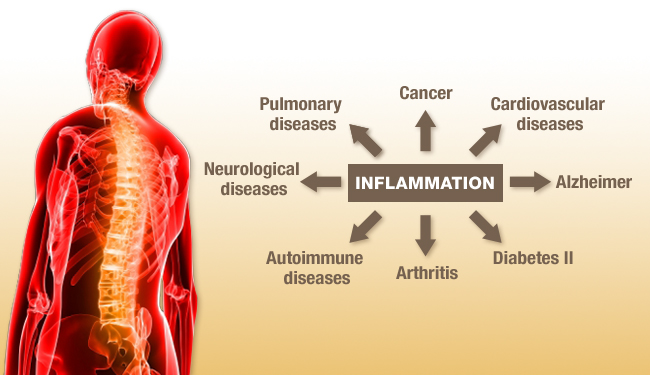
When inflammation becomes chronic, as is the case with obesity, chemical mediators, derived from different cellular activities, change in dynamics causing a progressive state of decline

A common theme that links many diseases and chronic illness is uncontrolled cellular inflammation. It is a factor in diseases including cardiovascular disease, diabetes, cancer, arthritis and many autoimmune-related conditions. Obesity has recently been added to this group of diseases as it is now known to present a low grade inflammatory response within many of the body’s tissues, which cause deleterious effects, often leading to the development of cardiovascular and metabolic disease. It is well known that being overweight is detrimental to one’s health, but until recently the known mechanisms were limited. Scientists over the last decade have started to unravel the mystery of why obesity leads to premature death. Although there is still much to learn, it is valuable to comprehend the known effects of chronic inflammation, as the prevalence of obesity continues to be a rising problem among the American population, particularly in children.

Inflammation and obesity-What is the meaning

Inflammation is, by design, a protective response leading to the repair of tissue. When inflammation becomes chronic, as is the case with obesity, chemical mediators, derived from different cellular activities, change in dynamics causing a progressive state of decline. Fat cells are now considered an immune organ that secretes numerous immune modulating chemicals. Visceral fat, in particular, is associated with the low grade inflammation that seems to be a contributing pathologic feature for metabolic disease through insulin resistance and the promotion of atherosclerotic build-up in circulatory vessels. When high levels of visceral fat are combined with physical inactivity, over nutrition, and advancement in age, the effect becomes more pronounced. Visceral fat is highly metabolic and contributes to cytokine hyperactivity. Adipokines secreted from fat tissue influence the metabolic process and contribute to proper function. The consequent low grade inflammation associated with obesity causes disturbance in the secretion and function of adipokines. Research has identified changes in adiponectin, leptin, and resistin that exhibit harmful effects upon the body in obese individuals. Adiponectin is an antiatherogenic agent, meaning it helps prevent the development of atheroschlerotic plaque in blood vessels and slows the progression of atherosclerosis in coronary vessels. It does this by acting directly upon the vessel wall, inhibiting adhesive molecules from contributing to plaque formation and acts as a blocking agent to the formation of foam cells. In the skeletal muscle and the liver, adiponectin serves to promote insulin sensitivity and a positive blood lipid profile. Visceral adiposity reduces adiponectin concentrations. Lowering the adiponectin concentrations lessens the cardio protective effect, leading to increased cardiovascular risk.   Leptin regulates energy metabolism and balance in conjunction with the brain’s hypothalamus. Leptin is currently being touted as having cardioprotective benfits among its others roles in metabolism Leptin concentrations adjust in response to obesity and contribute to insulin resistance. The changes in leptin concentration have also been recognized as a risk factor for coronary heart disease. Likewise increased resistin concentrations correlate with obesity related inflammation and may be associated with the initiation and progression of atherosclerotic lesions. Resistin also promotes insulin resistance, although the actual mechanism is not known. Insulin resistance due to adipokine dysfunction is further influenced by free fatty acids liberated directly into the liver from visceral fat tissue. Visceral fat releases chemicals and fatty acids into the portal system where they act on the connecting organs. The portal circulation system is a specialized network of blood vessels that connect the visceral organs to the liver.   The excess fat in portal circulation has detrimental effects on insulin action, which is worsened by sympathetic hyperactivity in response to obesity. Sympathetic hyperactivity causes heightened lypolytic action resulting in excess free fatty acids in the blood. These actions combined with beta cell hypersecretion and reduced insulin clearance resulting in hyperinsulemia, lead to early stage diabetes.

Inflammation-Interleukin-6

Interleukin-6 (IL-6) is possibly another factor associated with inflammatory detriment within the portal system. High levels of IL-6 are a marker for inflammation and vascular pathology. Obese subjects demonstrated a 50% greater portal vein IL-6 concentration, demonstrating, again, the profound effect visceral fat has on pathogenic indicators. Portal vein IL-6 correlates with systemic C-reactive protein concentrations. C-reactive protein is associated with cardio- and peripheral vascular disease. C-reactive protein and oxidative stress are now presumed to interact in the early inflammatory processes of atherosclerosis. This is significant for young obese individuals. Although more research is necessary for conclusive association, C-reactive protein may be a new risk factor for CAD in individuals under 25 years of age.

Inflammation-imbalances

inflammation

If your immune system and its ability to quell inflammation in your body are impaired, watch out. You are headed toward illness and premature …

The imbalance between increased inflammatory stimuli with a concurrent reduction in anti-inflammatory activity may be the foundation for the accelerated endothelial dysfunction and insulin resistance associated with obesity and the comorbid disorders of metabolic disease.   More research is needed to clearly delineate the particular relationships, but it seems evident that the low grade inflammation caused by obesity and visceral adiposity lead to the premature development of disease. This, more so than ever before, identifies the importance of weight management during the developmental years and ongoing efforts to control weight throughout one’s lifespan.   For individuals that are currently obese, there is still plenty of hope. Weight loss is related to reduction of oxidative stress and inflammation, and these beneficial effects likely translate into reduction of cardiovascular risk in obese individuals.   Likewise, exercise and dietary management, along with pharmacologic intervention can lead to atherosclerotic reversal in the earlier stages of CAD. Individuals with central adiposity, poor blood lipid profiles, hypertension, and/or insulin resistance should seek immediate professional assistance to prevent further health detriment.   The recent inclusion of obesity among chronic diseases makes Dr. Akoury of AWAREmed Health and Wellness Resource Center very resourceful for you. She will help you achieve optimal weight loss, the Dr. focus on Neuroendocrine Restoration (NER) to reinstate normality through realization of the oneness of Spirit, Mind, and Body, Unifying the threesome into ONE. What an opportunity, try and relieve yourself of this problem for good.

Body inflammation causes obesity-How it happens
Facebooktwitterpinterestlinkedin

Female hormones and weight loss

Female hormones and weight loss-what you need to know

Female hormones and obesity

Female hormones and their sites

A quick observation at a male versus a female body tells you right away something is different. While we can certainly recognize the obvious, we ignore these differences when we talk about diet and exercise for fat loss. The standard health and fitness advice of eat less and exercise more often does not work once people get out of their twenties and into their thirties, forties and beyond, and women are especially impacted.

So what are the difference between men and women, what determines where women store fat, and what can women do to address the fitness and fat loss issues that are unique to them?

The differences between men and women:

Women usually have smaller waists and more fat storage on the hips, thighs, and breasts. Estrogen and progesterone have much to do with this.

Estrogen is largely responsible for greater fat storage around the hips and thighs while both estrogen and progesterone impact larger breasts.

Because wom en experience monthly hormone fluctuations through the menstrual cycle, they know from experience that hormones impact how they feel, function, and look. They seem to intuitively get the fact that hormones play a role in determining whether they store fat or burn fat and where on the body it is lost or gained. To understand why women are so different, you have to understand their hormones.

Brief review of the menstrual cycle.

No discussion of female fat loss can take place without understanding the normal female menstrual cycle. The first day of bleeding for a woman represents day one of the menstrual cycle.

The menstrual cycle can then be divided into two phases, the follicular phase (named for the maturing of the ovarian follicle) and the luteal phase (named for the corpeus luteum which ovarian follicles become after ovulation). Ovulation, the release of an egg from the ovaries separates these two parts of the cycle.

The follicular phase is associated with higher estrogen levels compared to progesterone, while the luteal phase is the reverse. The relative ratios of these two hormones can have an impact on female related fat loss and health.

Estrogen and progesterone balance

A key fat loss measure in women is the estrogen and progesterone balance and how those hormones interact with other hormones like cortisol or insulin. Bigger hips and thighs on a women suggest greater estrogen levels relative to progesterone. The reverse of that, larger breasts and smaller hips and thighs, MAY indicate the opposite balance of these hormones.

The menstrual cycle is another key indicator of hormone balance. Since the time just before menses is usually a progesterone dominant time, PMS is a strong indication there is a progesterone deficiency relative to estrogen.

A woman can have higher than normal progesterone levels but still have a relative deficiency if estrogen levels are much higher in comparison. Many women with low progesterone relative to estrogen will report feeling like a completely different person before ovulation (the first two weeks of cycle) vs. after ovulation (last two weeks of cycle), where they feel much worse. This ill feeling usually manifests as depression, breast tenderness, moodiness, fatigue, lack of motivation, bloating, and other complaints.

Female fat distributions

Progesterone & estrogen both play a role in keeping the waist of women smaller. This is because estrogen works against the action of insulin (and testosterone a belly fat storing hormone in women) while both estrogen and progesterone oppose the action of cortisol.  Insulin and cortisol, together with testosterone and low estrogen, are implicated in belly fat deposition in women.

Estrogen is the biggest factor in increasing fat storage at the hips and thighs providing the hour-glass shape. Progesterone with estrogen halts the storage of fat around the waist, but stress can have more of a negative impact on progesterone’s action. High stress has been shown to negatively impact progesterone, so women who see fat accumulating around the waist may want to work to reduce stress and raise progesterone.

Estrogen is a little different. Estrogen works to increase fat storage by up-regulating what is known as alpha-adrenergic receptors in female fat depots around the hips and thighs. Adrenergic receptors are like the gas and brake peddles on your car and work to accelerate or decrease fat usage. Beta-adrenergic receptors increase fat burning while alpha adrenergic receptors block it. The hips and thighs of a woman have higher amounts of alpha adrenergic receptors compared to men. This is also the major reason it is so difficult for some women to lose fat from the hips and thighs.

It is interesting to note here that one of the best ways to decrease the action of these alpha receptors is by using a low carb diet. This is why many women find fantastic results when they switch from the standard high carb diets and adopt more low carb eating patterns.

Many women have plenty of fat to spare in the hips and thighs but instead of burning it, they will become smaller in the torso and breast first and remain bigger on the bottom. This is a very frustrating scenario for many. Estrogen increases alpha-adrenergic receptor numbers while progesterone decreases it. Progesterone, like testosterone in men, MAY increase beta-adrenergic receptors. In this way, estrogen and progesterone work to influence the ability to burn fat and determine from which areas it will be taken from. This is an issue of hormone balance not calories.


Female hormone changes: age, lifestyle, and the environment

Female hormones and weight loss

Female hormones have a great contribution to loosing weight

Women are often duped into believing the low calorie diet and aerobic exercise myth. This approach to weight loss rarely works and often creates damage to their body as a consequence. As a woman ages, as a consequence of stress, or because of environmental estrogen mimicking compounds several things begin to occur. The ovaries decrease their production of estrogen and progesterone. This exacerbates estrogen and progesterone balance, further pushing the body more towards estrogen dominance.

There are also many estrogen mimickers in our food and environment. At the same time, fat cells continue to produce estrogen through an enzyme called aromatase present in fat cells. This also leads the estrogen/progesterone balance to shift more towards estrogen. At the same time slimming and muscle building hormones, like human growth hormone (HGH) and DHEA, decline. Together this creates the perfect storm for female related fat gain and most of it occurs in the mid-section.

DHEA, HGH and progesterone are all hormones that act to keep a woman lean and block the storage of fat in the middle of her body. The tricky part is that a low calorie diet and a focus on aerobic exercise makes this worse because they do nothing to restore these powerful hormones and may actually worsen the estrogen progesterone imbalance in the long run.

Solutions to the problem:

Women should be focused on eating more of the right things and exercising smarter. This means eating higher amounts of vegetables and “estrogen free protein as well as engaging in weight training over cardio. There are only three ways to reliably restore HGH in the body: sleep, adequate protein, and intense exercise using weights.

Weight training is perhaps the most important aspect of this and is critical for female health especially to stop the belly fat that accumulates during aging. HGH is to women what testosterone is to men. It keeps them looking young, lean, and firm. Once progesterone levels fall due to stress, menopause, or other factors, HGH is all that is left to keep belly fat in check

Women falsely believe less intense exercise like walking and yoga will give them the desired “look” of their younger years. While these activities are exceedingly healthy, they will not be adequate to generate the hormonal effect needed to raise HGH. However, they will work synergistically with more intense exercise to lower the negative impact of cortisol.

Female hormones and weight loss-what you need to know

Enhanced by Zemanta
Facebooktwitterpinterestlinkedin

Stress Slow Killer is Serious Business

Stress Slow Killer

Dr. Dalal Akoury


Stress Slow Killer is Serious Business

Stress Slow Killer affects us physically and emotionally. The stress response is mediated through HPA axis and activation of the autonomic nervous system. The aim is to mobilize energy for the “fight or flight” response. This brings about changes in almost all organs and tissues as a whole. In an acute event, after the stressor disappears, the homeostasis or internal equilibrium is regained. In case where the stress continues it leads to chronic disorders involving many organs and this also depends on the nature of stress.

The effects of Stress Slow Killer on each organ

Stress Slow Killer and the Nervous System:

Stress leads to activation of HPA axis once the hypothalamus receives signals from cerebral cortex which are perceived as stress. Then hypothalamus releases corticotropin releasing hormone which stimulates the anterior pituitary to produce adrenocorticotropic hormone (ACTH). ACTH is secreted into the systemic circulation and stimulates the adrenal glands to produce stress hormone called cortisol.

There is stimulation of autonomic nervous system which is caused by direct stimulation of both sympathetic and parasympathetic systems. This is done by hypothalamus. The sympathetic activation leads to release of adrenaline and noradrenaline by the adrenal medulla. These hormones increase the heart rate, raise blood pressure, increase glucose levels in the blood and suppress digestive and reproductive functions. This stimulation is more obvious when the stressor is strong like acute pain. In people with chronic pain, this effect is weak and not clinically obvious unless there is aggravation of symptoms. After the stressor disappears, the parasympathetic nervous system helps in reverting back to normal and regain of internal equilibrium. The autonomic nervous system also interacts with the enteric nervous system and has anti-inflammatory properties.

Stress Slow Killer and the Musculoskeletal system

Due to the effect of stress, the muscle tone increases as the body is prepared for the “fight or flight” response. It results in tension headache and back pain.

 Stress Slow KillerStress Slow Killer and the Respiratory system

Stress increases respiratory rate to increase the availability of oxygen to all organs and muscles so as to prepare for the stress response. This occurs due to direct stimulation of the respiratory center. An excessive stimulation may bring panic attack in some individuals.

Stress Slow Killer and the Cardiovascular system

Acute stress causes activation of the cardiovascular system. This occurs mainly due to release of noradrenaline and adrenaline from the adrenal medulla. These hormones act on the heart to produce the effects which include rapid heart rate, stronger contractions of heart and palpitations. The blood flow to the skeletal muscles and heart increases due to dilatation of blood vessels. These changes occur with acute stress.

Chronic stress is associated with inflammation of arteries of heart (coronary arteries) and may lead to heart attack. There is also higher incidence of hypertension, stroke and atherosclerosis.

Stress Slow Killer and the Endocrine system

Stress related ACTH stimulation results in enlargement of adrenal glands which are required to produce increased amounts of stress hormones. The adrenal cortex produces cortisol and adrenal medulla secretes noradrenaline and adrenaline. These three adrenal hormones play a crucial role in the stress response.

Stress Slow Killer and the Gastrointestinal system

Stress promotes increased consumption of palatable food. Severe stress is associated with nausea and vomiting. It may result in reflux esophagitis. Under the effects of cortisol and adrenaline, liver produces more glucose which is used for energy production by various organs and skeletal muscles. Stress affects digestion adversely and may modulate gut motility to produce diarrhea or constipation.


Stress Slow KillerStress Slow Killer and the Reproductive system

The stress response leads to suppression of reproductive function. Chronic stress impairs testosterone secretion in the testes. The sperm production is reduced and infertility may occur. In women, the menstrual cycles become irregular and painful or may develop complete amenorrhea. The sexual desire is reduced significantly.

Stress Slow Killer and the Immune system

Stress leads to suppression of immunity so as to conserve energy. In case of chronic stress, this increases the risk of infections due to poor immunity.

Stress Slow Killer and the Cellular and molecular effects of stress

Stress increases intracellular calcium. This effect is seen in association with message induced stress which stimulates the mast cells to release histamine which causes local vasodilatation and improves perfusion.

On exposure to stress, the cells generate heat shock proteins which promote cell survival. Exposure of cells to temperature of 3 to 5 °C above normal, reactive oxygen species causes induction of heat shock proteins 27 and 70. These proteins inhibit apoptosis and promote survival.

Apoptosis or programmed cell death occurs if a cell is partially damages due to stress or fails to sustain stress. During this process, special enzymes called caspases are activated which bring about protein changes resulting in cell death.

Autophagy is characterised by self-destruction of cell organelles like mitochondria and cytoplasmic proteins. Autophagy is observed in cells exposed to stressors like starvation, ischemia reperfusion injury, increased intracellular calcium and endoplasmic reticulum stress.

So Stress Slow Killer affects each system in the body, each organ and each cell.

Stress Slow Killer is Serious Business

Related articles


Enhanced by Zemanta
Facebooktwitterpinterestlinkedin