Category Archives: Women Health

Constipation causes obesity

Constipation causes obesity-Find out

constipation

Chronic constipation is a common problem that can often be relieved by following a multifaceted lifestyle approach to treatment

We are well conversant with the term constipation, which is one of the common health complaints. The condition occurs mainly in women, elderly people and children. According to an international survey, around 10 to 12 percent of the human population suffers from constipation. Females are found to be more prone to this condition, as compared to males. It can be caused by various factors including certain medical conditions. Lack of physical activities, improper diet and stress are said to be the common causes.

While occasional constipation may not be a cause of concern, chronic type has to be evaluated by a health practitioner. This will help you rule out the possibility of any underlying medical condition. Apart from strained bowel movements, constipation may also cause bloating, nausea, headache, change in appetite and abdominal discomfort/pain. Those with recurrent constipation may experience weight gain too. So, what is the relation between constipation and weight gain? Let us find out.

Constipation causes obesity-Does Constipation Cause Weight Gain?

If the number of bowel movements in a week is less than three, such a condition is termed constipation. This condition makes the stools hard, as the fecal matter remains in the colon for a much longer time and most of the water in it gets absorbed. This leads to painful or difficult defecation and a sensation of incomplete bowel evacuation. Almost all people suffer from occasional constipation, but, there are some, who experience the condition more frequently. This could be a cause of weight gain and other health problems. The relation between constipation and resultant weight gain is still a much-debated topic, but, there are some theories that suggest a direct link between both the conditions. The following are some of the reasons that are put forward to substantiate that link.

In case of constipation, the body finds it difficult to eliminate the accumulated fecal matter. This affects metabolism, which becomes slow, resulting in weight gain.
Another reason lies in the simple fact that accumulated waste materials in the body add extra weight. The food we eat does not get eliminated, but gets blocked in the intestine, causing weight gain. Constipation may also cause water retention, which in turn causes weight gain.

Constipation causes obesity-How to Get Rid of Constipation and Resultant Weight Gain

Constipation may develop due to factors like dehydration, problems in rectum or colon, intake of certain medication, irritable bowel syndrome, diabetes, lupus, hypothyroidism, lack of physical activities, sudden changes in lifestyle, intake of certain foods, insufficient intake of dietary fiber, depression and stress. You have to find out the cause of constipation, in order to combat the condition. If the cause is an underlying medical condition, get it treated to avoid further complications. Otherwise, changes in diet and lifestyle will be sufficient to control constipation.

Regular Exercises: As lack of sufficient physical activity is one of the common causes of constipation, adopting a regular exercise regimen may prove useful to get rid of this condition. This will increase the rate of metabolism, thereby burning calories. Thus weight gain due to severe constipation can be tackled. Physical activities are also beneficial for smooth bowel movements.

Dietary Changes: Diet is another factor that is directly linked to constipation. Include lots of fiber-rich foods like whole grains, fruits and vegetables. Drink lots of water and avoid consumption of caffeinated drinks and other processed foods. Avoid overeating and reduce intake of dairy products like cheese. It will be better to avoid ice cream, meat, refined carbohydrates, sugar and fatty foods. Resort to frequent, small meals rather than three heavy ones.

Constipation causes obesity-Other Tips

If you are a person with constipation, you must never ignore the urge to have bowel movement. There are certain drugs that can cause constipation. They include antacids, antidepressants, NSAIDs, iron supplements, etc. If you are taking any medication and are suffering from constipation, then consult your doctor and sort out the doubt. However, discontinuation of any medication without the advice of your healthcare provider is not advisable. Some people recommend colon cleansing as an effective method to control constipation and weight gain. However, seek the advice of your doctor, before adopting such methods.

In short, constipation is very common and can be easily countered with these remedial measures. However, medical attention is unavoidable for those with severe and chronic constipation. Laxatives are widely used for treating this condition. Long-term use of laxatives and stool softeners is also not recommended, as it can worsen the condition in the long run. The body will get used to these stimulants, and will find it difficult to expel the feces without an expected dose. In some cases (like those with rectal prolapse), surgery may be required to combat constipation.

The dynamics of life may bring in your way some uncomfortable conditions like constipation which causes obesity. When this happen you will need help to achieve optimal weight loss, at AWAREmed Health and Wellness Resource Center under Doctor Akoury you will find the solution you are looking for Doctor Akoury cares she/they will focus on Neuroendocrine Restoration (NER) to reinstate normality through realization of the oneness of Spirit, Mind, and Body, Unifying the threesome into ONE. This way you will save your available time because you will get all you need about weight loss in this facility and may not look elsewhere again.

Constipation causes obesity-Find out


Facebooktwitterpinterestlinkedin

Testosterone and Pellets in weight lose

Testosterone and Pellets in weight lose

Testosterone and Pellets in weight loss-What are Pellets?

testosterone

Pellet therapy has been around since the 1930s–the concept is probably about … Low testosterone often impacts a woman’s weight and sex drive. … women experiencing low levels may simply lose their interest in sex

Pellets are made up of either estradiol or testosterone. The hormones are pressed or fused into very small solid cylinders. These pellets are larger than a grain of rice and smaller than a ‘Tic Tac’. In the United States, the majority of pellets are made by compounding pharmacists and delivered in sterile glass vials. There is a ‘FDA approved’ 75 mg testosterone pellet.

Pellets deliver consistent, healthy levels of hormones for 3-5 months in women and 4-6 months in men. They avoid the fluctuations, or ups and downs, of hormone levels seen with every other method of delivery. Estrogen delivered by subcutaneous pellets, maintains the normal ratio of estradiol to estrone. This is important for optimal health and disease prevention. Pellets do not increase the risk of blood clots like conventional or synthetic hormone replacement therapy.

In studies, when compared to conventional hormone replacement therapy, pellets have been shown to be superior for relief of menopausal symptoms, maintenance of bone density, restoration of sleep patterns, and improvement in sex drive, libido, sexual response and performance. The maintenance of bone density and restoration of sleep pattern are good ingredients of weight lose.

Testosterone delivered by a pellet implant, has been used to treat migraine and menstrual headaches. It also helps with vaginal dryness, incontinence, urinary urgency and frequency. In both men and women, testosterone has been shown to increase energy, relieve depression, increase sense of wellbeing, relieve anxiety and improve memory and concentration.

Testosterone, delivered by pellet implant, increases lean body mass (muscle strength, bone density) and decreases fat mass. Men and women need adequate levels of testosterone for optimal mental and physical health and for the prevention of chronic illnesses like Alzheimer’s and Parkinson’s disease, which are associated with low testosterone levels.

Even patients who have failed other types of hormone therapy have a very high success rate with pellets. There is no other ‘method of hormone delivery’ that is as convenient for the patient as the implants. Pellets have been used in both men and women since the late 1930′s. There is more data to support the use of pellets than any other method of delivery of hormones.  

Testosterone and Pellets in weight loss-Insertion of pellets

The insertion of pellets is a simple, relatively painless procedure done under local anesthesia. The pellets are usually inserted in the lower abdominal wall or upper buttocks through a small incision, which is then taped, closed. The experience of the health care professional matters a great deal, not only in placing the pellets, but also in determining the correct dosage of hormones to be used.

Complications from the insertion of pellets

Complications from the insertion of pellets include; minor bleeding or bruising, discoloration of the skin, infection, and the possible extrusion of the pellet. Other than slight bruising, or discoloration of the skin, these complications are very rare. Testosterone may cause a slight increase in facial hair in some women. Testosterone stimulates the bone marrow and increases the production of red blood cells. A low testosterone level in older men is a cause of anemia. Testosterone, delivered by implants or other methods, can cause an elevation in the red blood cells. If the hemoglobin and hematocrit (blood count) get too high, a unit of blood may be donated.

After the insertion of the implants, vigorous physical activity is avoided for 48 hours in women and up to 5 to 7 days in men. Early physical activity is a cause of ‘extrusion’, which is a pellet working its way out. Antibiotics may be prescribed if a patient is diabetic or has had a joint replaced. However, this is a ‘clean procedure’ and antibiotics may not be needed.

Do men need hormone therapy?

Testosterone levels begin to decline in men beginning in their early 30′s. Most men maintain adequate levels of testosterone into their mid-40′s to mid-50′s, some into their late 70′s to early 80′s. Men should be tested when they begin to show signs of testosterone deficiency. Even men in their 30′s can be testosterone deficient and show signs of bone loss, fatigue, depression, erectile dysfunction, difficulty sleeping and mental decline. Most men need to be tested around 50 years of age. It is never too late to benefit from hormone therapy.

Side effects to estrogen delivered by pellet implantation

When a patient first starts on hormone therapy there may be mild, temporary breast tenderness, which resolves on its own. Hormone receptors may be very sensitive and take time to adjust. There may be a temporary water weight gain, which will also resolve on its own. Women, especially those who have not had a hysterectomy, may choose a different method of delivery of estrogen, as the risk of bleeding is significant.

Duration of patient recovery

Some patients begin to ‘feel better’ within 24-48 hours while others may take a week or two to notice a difference. Diet and lifestyle, along with hormone balance are critical for optimal health. Stress is a major contributor to hormone imbalance and illness; averagely pellets usually last between 3 and 5 months in women and 4-6 months in men. The pellets do not need to be removed. They completely dissolve on their own.

Testosterone and Pellets in weight loss-Monitoring hormones during therapy

Hormone levels will be drawn and evaluated before therapy is started. This will include a FSH, estradiol, testosterone and free testosterone for women. Thyroid hormone levels may also be evaluated. Men need a PSA, sensitive estradiol, testosterone, liver profile and blood count prior to starting therapy. Levels will be reevaluated during hormone therapy, usually prior to insertion of the next set of pellets, 4-5 months. After the first year of therapy, hormones levels may be followed less frequently. Men must notify their primary care physician and obtain a digital rectal exam each year. Women are advised to continue their monthly self-breast exam and obtain a mammogram and/or pap smear as advised by their gynecologist or primary care physician.

Is there a role for testosterone implants (pellets) in a pre-menopausal female?

Testosterone pellets may be used in pre-menopausal females (women who have not stopped menstruating). Testosterone has been shown to; relieve migraine or menstrual headaches, help with symptoms of PMS (premenstrual syndrome), relieve anxiety and depression, and improve sex drive and libido. If a pre-menopausal female has a testosterone pellet inserted, she must use birth control. There is a theoretical risk of ‘masculinizing’ a female fetus (giving male traits to a female fetus).

In conclusion, estrogen and testosterone therapy by implantation of pellets is a safe and effective method of hormone therapy for both men and women. Long, continuous administration of hormones by pellets is convenient and economical for the patient. Pellet implantation has consistently proven more effective than oral, intramuscular, and topical hormone therapy with regard to bone density, sexual function, mood and cognitive function, urinary and vaginal complaints, breast health, lipid profiles, hormone ratios and metabolites. However in the event you experience weight gain as a result the therapy, Doctor Dalal Akoury will help you achieve optimal weight loss at AWAREmed Health and Wellness Resource Center.  Doctor Akoury focuses on Neuroendocrine Restoration (NER) to reinstate normality through realization of the oneness of Spirit, Mind, and Body, Unifying the threesome into ONE

Testosterone and Pellets in weight lose


Facebooktwitterpinterestlinkedin

Heal the Mitochondrial to lose weight

Heal the Mitochondrial to lose weight-Discussed

Mitochondria

Vitamin A deficiency caused oxidative damage to liver mitochondria

Mitochondria are what we would call tiny factories that turn food and oxygen into energy. In each cell, there are hundreds to thousands of these little energy factories (mitochondria). They exist in greater numbers in active organs and tissues, like the muscles, heart and brain. Their malfunction needs to be corrected to heal completely for effectiveness in weight loss. This article discusses the relevant tools needed to have a strong working mitochondrial.

Heal the Mitochondrial to lose weight -Magnesium

Ah, magnesium, darling mineral of the Primal world, participant in nearly every physiological function known to man, and now essential cofactor for proper mitochondrial function. I believe so. Magnesium deficiency led to decreased mitochondria-per-cell count and increased size of individual mitochondrion in liver and kidney cells, which indicates that not only did low magnesium drop the overall number of mitochondria, but also increased the workload of the remaining mitochondria. Eat plenty of leafy greens, the occasional handful of nuts or seeds, and a starchy tuber when it suits you, taking care to supplement with good and you should be fine on magnesium.

Zinc and Iron

Deficiencies in both zinc and iron can reduce the mitochondria’s ability to synthesize heme, which leads to oxidant leakage (the increased free radicals that I mentioned in last week’s post), “DNA damage, neural decay, and aging.” Luckily, zinc and iron are present in animal products and shellfish, so few Primal eaters run the risk of severe deficiencies. If you need to, supplement, but do so wisely: zinc toxicity alters mitochondrial metabolism and lowers ATP production in liver mitochondria. The liver processes both fats and sugars and healthy liver mitochondria are crucial for that important task.

Manganese

You don’t hear a lot about manganese, but it plays a role in creating a potent mitochondrial antioxidant: manganese superoxide dismutase. Without adequate manganese, you won’t make enough superoxide dismutase, and without enough mitochondrial manganese superoxide dismutase, you run the risk of developing a neuropathology or suffering an ischemic brain injury (what often happens after stroke). Eat your mussels, raspberries, and dark chocolate.

Carnosine

In rats with a genetic predisposition to developing Alzheimer’s disease, supplementing with carnosine reduced the prevalence of classic AD hallmarks, the first and foremost of which was mitochondrial dysfunction. Carnosine is a potent scavenger of free radicals, and it’s a dipeptide of the amino acids beta-alanine and histidine. Meat eaters get plenty of carnosine, but supplements exist if you want to go that route.

Carnitine

Carnitine is biosynthesized from methionine and lysine, two amino acids which are highly prevalent in red meat and your mitochondria like a lot of carnitine because it’s required for shuttling fatty acids into the mitochondria for processing. Yeah, if you want mitochondria to do one of their most basic jobs – break down fatty acids for energy – you better consume ample amounts of meat, or supplement with L-carnitine.

Heal the Mitochondrial to lose weight -Vitamin A

Vitamin A deficiency caused oxidative damage to liver mitochondria in rats. Folks, in addition to handling fat and sugar metabolism, liver mitochondria also process ammonia, a potentially toxic byproduct of protein metabolism, so you’d better eat your egg yolks and liver and even cod liver oil along with your egg whites and steak and cod filets.

Vitamin C

Vitamin C is a universal antioxidant, internally produced by most organisms (except for us and a couple others), and it should come as no surprise to learn that it (along with resveratrol and alpha-lipoic acid) reduces excessive reactive oxygen species production by the mitochondria. It does so by increasing manganese superoxide dismutase (remember that?). Just be careful about supplementing during heavy cardio, as vitamin C has been shown to dampen mitochondrial biogenesis by interfering with normal cellular adaptations to endurance exercise. Maybe that was the problem back in my endurance days when I was downing 25,000 milligrams of C a day during training (hey, Linus Pauling said to supplement vitamin C “to bowel tolerance.” How times have changed.) I doubt sticking to natural sources of vitamin C, like fruit, raw meat, or fresh vegetables would have the same negative effect on exercise adaptation.

Heal the Mitochondrial to lose weight-Coenzyme Q10 (CoQ10)

Our bodies make CoQ10, which is required for the transfer of electrons during mitochondrial oxidative respiration. Mitochondrial oxidative respiration is how we produce ATP for bodily functions and day-to-day life. Without enough of it (maybe we’re taking statins, which block the pathway responsible for synthesizing CoQ10, or we’re not eating enough foods high in CoQ10), our mitochondria’s ability to make ATP suffers, since CoQ10 is the only compound that can do its job. The best dietary sources of CoQ10 include animal hearts (since hearts need a lot of CoQ10 to generate the energy required functioning), sardines, and virgin red palm oil. Even so, it’s still tough to get significant CoQ10 from food, which is why I like to supplement it.

Resveratrol

Resveratrol is the darling of the life extension set, and while I think some of its effects might be overstated, it does appear to improve mitochondrial function (in mice) and induce mitochondrial biogenesis (in rodent epithelial cells, the cells that comprise the lining of blood vessels). Furry little human’s mice are not, but it’s interesting nonetheless.

Heal the Mitochondrial to lose weight-Alpha lipoic acid

Naturally occurring most richly in heart, liver, kidney, spinach, and broccoli, lipoic acid supplements have been shown to reduce mitochondrial decay in humans. Another study, albeit in rats, found that alpha-lipoic acid, along with a few other “mitochondria supportive” supplements, improved rats’ athletic performance and recovery. In both cases, it stimulated mitochondrial biogenesis.

I’m sure there are more nutrients, minerals, vitamins and supplements that affect mitochondrial function, but this is a decent list to consider when trying manning your cellular power plant workforce. And I bet if you take care of the bulk of these, either by eating good food or supplementing, you can keep a couple Homer Simpsons around for comic relief without too many problems.

In all you do if functioning mitochondrial is not working for you in attaining optimal weight loss, a visit to AWAREmed Health and Wellness Resource Center under Doctor Akoury’s will offer much needed solution. Dr. Dalal Akoury cares she focuses on Neuroendocrine Restoration (NER) to reinstate normality through realization of the oneness of Spirit, Mind, and Body, Unifying the threesome into ONE

Heal the Mitochondrial to lose weight-Discussed


Facebooktwitterpinterestlinkedin

Lose weight naturally and rapidly before the summer

Lose weight naturally and rapidly before the summer-Is it possible?

Nutrition:

weight

summer offers opportunity to jog out your weight naturally

If we are to get the ultimate weight loss during the seasons we need to embrace summer rather than fearing it; summer being a worm season, it offers the best opportunity and atmosphere to weight loss. We can achieve weight loss during summer effectively by observing good nutrition. During this season, the days are longer, the weather is warmer and it’s time to swap the heavy layers of winter for summer clothes; including togs! That fills many of us with dread especially if we’ve packed on the weight over winter.

Nevertheless spring is the ideal season for weight loss. Even if you have tried several times and failed on diet fads and get-fit plans many times, you may need to try a naturopathic approach to weight-management. Naturopathic medicine addresses weigh loss by working as it always does, with your body’s natural processes. Your weight mostly depends on activity output and food intake but can also be affected by gastro-intestinal and hormonal health influenced by mental and emotional stress.

Lose weight naturally and rapidly before the summer-Stressed by fat

Before weight loss can become fat loss, the metabolism must be healed and healthy. This takes a whole-person approach involving diet, nutrient supplementation, herbal medicines, good sleep, and exercise and stress management.

Stress management is crucial. Stress-eating is a common reaction to life stress dynamics causing craving, bingeing, unhealthy food choices and disruptive eating patterns. That’s a recipe for poor diet and ballooning weight. But, more deeply, stress affects our hormonal and digestive functions thereby undermining weight management.

Lose weight naturally and rapidly before the summer-Drop weight from the inside out
A healthy metabolism is the key to weight-loss. Hormonal glands affect digestive metabolism, determining body weight. Thyroid and adrenal glands are powerful examples; body metabolism is regulated by a hormone produced by the thyroid gland. So an under-active thyroid gland (hypothyroidism) lowers the metabolic-rate and fat is accumulated. Stress can ramp up adrenal cortisol, produced by adrenal glands that regulate blood sugar and energy production. If adrenal cortex becomes over or hypo-active complex sugars and glucose can be converted to fat causing weight gain, especially around the waist.

Stored and consumed toxins can lead to fats being accumulated in the body. A liver overloaded with pollutants and toxins and cannot eliminate them, so they get stored in the adipose or fat tissue which is tough to get rid of until toxins are cleared out. This also hinders the liver in efficiently burning body fat. Because excess body fat triggers the production of pro-inflammatory immune cells, the immune system does not function properly for an overweight person. This makes us feel unwell, lacking drive and capacity to exercise and directing metabolic function away from its core processes.

Naturopathic help addresses these factors by effectively detoxing and targeting the thyroid and adrenal glands; for example adding iodine to support the thyroid if you’re iodine deficient.

Lose weight naturally and rapidly before the summer-Other natural ways

Swim

Swimming is one of the most rewarding ways to exercise and lose weight in summer. On a hot day, there is nothing better than to take a dive into swimming pool and swim the day away. On an average, a person of 140 pounds can burn approximately 190 calories in 30 minutes of moderate swimming, and who can stay in a cool pool on a hot day for just 30 minutes?

Hike

For the most part, those who vacation in the mountains find that it’s much cooler in the summer, and thus makes for great hiking days, even in summer months. Even on summer vacation, you can lose weight, all the while enjoying the stress-relief of the mountain outdoors. Take a hike and walk the weight right off! Not only is walking and hiking a great exercise, sweating is great for your health as well. 30 minutes of moderate hiking will also burn you approximately 190 calories, and that doesn’t count the extra climbing in mountain hiking!

Walking the Beach

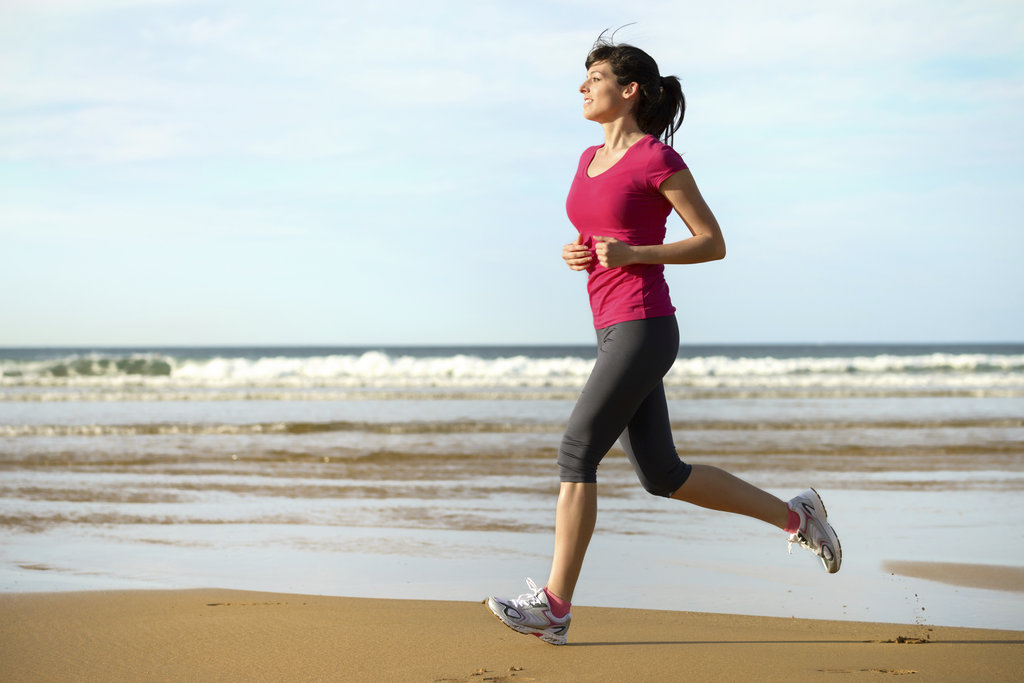
There is no place better to lose weight in summer than at a beautiful beach! I find the beach to be so incredibly soothing that I simply want to live there and never leave. However, if you’ve ever walking in sand before, you know the extra workout you get by a simple stroll. In fact, you will burn more calories walking in sand that you will walk and jogging on the road, since your muscles are working harder with every step. But the benefits don’t end here. You will also find that walking in sand is easier on your joints since it’s soft. Next time your beach walking, alternate between the soft, deep sand and the hard packed sand closer to the water for a full joint-easy workout.

Listen to your Body

I don’t know about you, but during the summer, when it’s super-hot, I tend to naturally have less of an appetite. I have known people who shared that lack of appetite, and still feel the need to force themselves to eat full meals and stuff themselves. Your body is an amazing invention, and has the ability to know what it needs and doesn’t need. Naturally, in the winter, our bodies want us to put on a little weight in order to keep warm, but in the heat of the summer, it knows that weight gain isn’t necessary, and shifts into a weight loss mode, so to speak. If you follow your body’s natural urges you may find weight loss easier for you.

Keep Track

Another great way to lose weight in summer is to simply keep track of what you eat in a day. For some, it’s an eye-opener when they actually see on paper what all they’re consuming in a 24 hour period. Summer can be filled with lots of ice cream and fattening foods (which I know tastes good, but should always be in moderation) or lots of healthy snacks, such as fresh fruit and veggies and yummy salads! Whatever you choose to eat, keep track and make changes where needed.

Grab a Friend

Who wants to go swimming alone? Who wants to walk alone? Who wants to diet alone? Nobody! It is human nature to want to share things with someone else. If your hubby or significant other isn’t interested in joining a healthier you, find a friend who is. Before I got pregnant, my sister-in-law and I were walking together, and let me tell you, it does make all the difference in the world.

Play Mind Games (on Yourself)

Whether these things have been proven, studies show that playing simple games on your mind will encourage you to lose weight. Some say that the color blue will suppress your appetite, which is why you find few fast food places decorated in blue. So, try surrounding yourself in the color blue when eating. Also, if it’s possible, eating in front of a mirror is said to aid weight loss as well, as most humans find it odd to see them eating. Can’t hurt to try these things, right?

Hydrate

Water is your best friend, especially in the hot months of summer. Your body needs to stay hydrated to be healthy, and water is the best drink for weight loss. In fact, it’s been proven that making the simple change to drink only water every day is enough to help you start losing weight. So hydrate and lose weight in summer!

Losing weight in summer doesn’t have to be something to dread. In fact, using these 8 Easy Ways to Lose Weight in summer, you will have having so much fun you won’t even realize you’re actually losing weight! If you have any summer weight loss tips to add, please feel free to leave us a comment! We love to hear from our readers!

Irrespective of the season when it comes to optimal weight loss, Doctor Dalal Akoury of AWAREmed Health and Wellness Resource Center will of great help to you. Doctor Akoury’s cares and focuses on Neuroendocrine Restoration (NER) to reinstate normality through realization of the oneness of Spirit, Mind, and Body, Unifying the threesome into ONE.

Lose weight naturally and rapidly before the summer-Is it possible?


Facebooktwitterpinterestlinkedin

High fat diet and weight loss

High fat diet and weight loss-eat fat lose fat

The Skinny on Fat

Fats

body needs it in order to function, they are helpful absorbing vitamins A, D, and E, and they are vital for your nervous system

You’ve shield away from eating it and worked on the treadmill to burn it off. But fat, it turns out, can be your friend. “Your body needs it in order to function,” says Barbara Roberts, MD, director of the Women’s Cardiac Center at the Miriam Hospital in Providence and author of How to Keep from Breaking Your Heart. “Fats help you absorb vitamins A, D, and E, and they are vital for your nervous system.” Not only that, women who ate a Mediterranean diet filled with healthy monounsaturated fat lowered their risk of heart disease by 29 percent, according to a new study in Circulation.

Dietary fats, or lipids, are essential for maintaining the health of your skin and preventing chronic disease, but consuming too much of the wrong type of fat can lead to weight gain or heart disease. When comparing the advantages and disadvantages of eating fat, consider your weight, caloric intake and health goals and concerns. Eating the recommended amount of fat from a variety of healthy sources will meet your body’s need for the essential nutrient.

Of your total daily calories 25 to 30 percent should come from fat. The keys: Pick good-for-you fats, and limit the bad kinds. Don’t know a saturated from a poly? Here’s the skinny on which fats to eat and which to avoid.

High fat diet and weight loss -Monounsaturated Fats
What they do: These fats (mono unsaturated fats) are also known as MUFAs, they rise good HDL cholesterol, lower bad LDL cholesterol, and protect against the buildup of plaque in your arteries. They also help prevent belly fat, according to research.
Where you’ll find them: These fats are normally found In olive oil and olives, canola oil, almonds, cashews, peanuts, peanut butter, sesame seeds, and avocados.
How much quantity do you need: Most of the fat you to eat should be the unsaturated once, like MUFAs. What is recommended would be “just two to three tablespoons of olive oil in a day, this will and can raise HDL levels and protect against heart disease,” according to experts in the medical profession.

High fat diet and weight loss-Polyunsaturated Fats

Functions of polyunsaturated fats

In addition to lowering your LDL, these fats contain essential omega-3 fatty acids which boost brain function and may help strengthen your immune system and improve your mood, and omega-6 fatty acids, which in small amounts can keep skin and eyes healthy.
Where you’ll find them: Omega-3s are primarily found in fish species like salmon, mackerel, and herring, as well as canola oil, flaxseed, walnuts, and tofu. While Omega-6s are available in corn and safflower oil, corn-fed chicken and beef, and farmed fish.
How much quantity do you need: Most of the polys you eat should be omega-3s. Too much omega-6 can lead to inflammation, which is linked to heart disease. Trade vegetable oil for olive and canola oils, and eat grass-fed beef and wild-caught fish.

The Bad: Saturated Fats

What they do: They raise cholesterol levels and increase your risk of heart disease.
Where you’ll find them: In meat and poultry, in dairy products like cream, butter, and whole and 2 percent milk, and in some plant foods like coconut and palm oil.
How much you need: Limit saturated fat to less than 10 percent of your total daily calories. One easy way to cut back: “Remove any hard fat you can see, such as the skin on chicken,” says Christine Gerbstadt, MD, RD, a spokesperson for the American Dietetic Association.

The Ugly: Trans Fats

What they do: Made from unsaturated fat that’s been chemically altered to prolong the shelf life of packaged foods, trans fats raise bad LDL and lower good HDL, increasing inflammation throughout the body. “They 100 percent promote heart disease,” says Dr. Gerbstadt.
Where you’ll find them: In shortening, margarine, doughnuts, French fries, and processed foods such as crackers, cookies, chips, and cakes.
How much you need: Zero. But know this: The FDA allows food manufacturers to claim that a product contains “zero trans fats” if one serving of it has 0.5 grams of trans fats or less. “That means if you eat more than one serving, you could be getting a gram or more,” warns Dr. Gerbstadt. Before buying foods, check the ingredient labels for “partially hydrogenated vegetable oil” — trans fats’ sneaky pseudonym.

High fat diet and weight loss-Calorie Content

Fats are a concentrated source of energy, containing 9 calories per gram. In contrast, protein and carbohydrates contain only 4 calories per gram. This can be looked at as an advantage or disadvantage, depending on your current weight and weight goals. If you want to gain weight, fat provides extra calories without requiring you to eat a large volume of food. Just adding 1 tablespoon of most oils will give you an additional 120 calories. However, if weight loss is your goal, high-calorie fat can make reaching your goals more difficult. Any time you eat excess calories from fat or other nutrients, they are stored in fat cells to supply future energy needs, according to “Contemporary Nutrition Issues and Insights.”

High fat diet and weight loss-Health Benefits

While too much fat can be detrimental to your health, some dietary fat is essential. The American Heart Association recommends that 25 to 35 percent of your daily caloric intake come from fat. For a 2,000-calorie diet, that’s 56 to 78 grams of fat per day. You need this fat in your intestines to help absorb the fat-soluble vitamins A, D, E and K from food. These vitamins play a role in maintaining healthy skin, bones, teeth and eyes and are needed for proper blood clotting. In addition, your body uses fat to provide protection to your internal organs and act as insulation to help regulate your body temperature.

High fat diet and weight loss-eat fat lose fat


Facebooktwitterpinterestlinkedin