Category Archives: Women Health

Prescription Drug Abuse

Prescription Drug Abuse-Fueled by Ease of Access

Prescription

Prescription drug abuse can be challenging because one may not clearly know who is abusing and genuinely looking for painkiller to relieve pain

It is almost becoming common knowledge that when you talk of an addiction many will think of alcohol, cigarettes and drugs because of their addictive nature. What may not be in the public domain is that legal drugs prescribed by the medical doctors can also be addictive. This is what this article is going to discuss so that we can have better understanding of how prescription drugs affects those who may be addicted to them.

Many people would wonder just how they became addicted to whatever substance they are taking, the realization normally occurs during the addiction recovery process. It is during this process that addicts discover that the journey to addiction recovery is not an easy one and takes very long time and while tracing their steps backwards with a view of trying to comprehend the genesis of their addiction they can trace it to accessibility and affordability of the drugs. When these two factors are the case then an addiction very possible because there will be little hindrances to people using these addictive substances. We know that accessibility is easy and especially for those users of street drugs or alcohol what we are left pondering about is how easy it can be for addicts to access prescription drugs addictions because these drugs (opioids) can only be accessed from the pharmaceutical companies. How then is it possible for one to be addicted from these drugs? The assumption is that the legitimacy of prescription drugs makes them hard to be abused because for one to use so many prescription drugs they must be authorized by a medical doctor or pharmacies.

This in many cases is not so because those addicted to prescription painkillers and other medications get them much easier than what the general society believe. Addicts are becoming smarter daily to defeat the systems and take advantage of what friends, family members, and medical professionals have to offer. How then do they achieve this? According to a recent CDC findings, just about 15 percent of prescription drug abusers claim getting their substances from a dealer or a stranger. Since these substances do not always come from a “dealer,” it is important to identify what sources can help fuel prescription drug addiction:

Prescription Drug Abuse-Family and Friends

It may interest you to know that probably you may have willingly and with great caring concern given to your addicted friend or loved one a painkiller hoping that you are helping then get rid of their pain. Out of this good deed you may have facilitated an addiction to prescription drugs. According to an article from New York Daily News close relatives may not only be the easiest supplies of prescription drugs but also the most affordable. The article continues most people who abuse addictive prescription painkillers get them for free from friends or relatives, while drug dealers are a relatively uncommon source for those at highest risk for deadly overdoses, a government study found.

In an effort to reduce instances where relatives become the easiest and cheapest supplies it is advisable that medications should only come from qualified medical doctors and so anyone seeking for prescription drugs should get it from the authorized medical personnel. This is necessary because as a friend or a relative you may have the good intension to help but in the process your desire to help turn out to be harmful. The harm can be that intense in severe cases it may result in addiction or an overdose. Knowing the consequences of an addiction, we all ore one another the duty of care to ensure that we are all safe from this addiction problem, therefore since addicts may sometimes resolve to steal if all access is denied we must ensure that all drugs are kept to safety and out of their reach.

Prescription Drug Abuse-Doctors

When the habit graduates into addiction the victim will be very desperate and can choose to do anything so long as they get the substance. The doctors will normally give prescriptions to their patients to help them recover from their respective illnesses but when a given patient becomes addicted to the prescribed drugs then careful attention should be taken to the return patients less you become their source and consistent supply. The doctors must not administer treatment in haste without running test to positively identify the problem before giving a prescription. This is necessary because some of these cases may not be genuine but are only meant to dupe the doctor to advance supply.

Healthcare professionals must be on the spot light to those individuals who would want to use them to get the drugs often some of the use may not be legitimate. In many occasions people believe that a prescription from a medical doctor will guarantee them from addiction or misuse, this is not always the case. Some of the prescription abusers both beginners and high users will relay on their trusted physicians to continue getting their supply. Trust or not all healthcare professionals must live to their calling and only give prescription upon confirmation from the test result.

Prescription Drug Abuse-Subscription Drugs

We have discussed the effects, supply and certain remedies of these prescription painkillers and we are getting well informed of their negative effects but are they really? Prescription drugs are many and I will just let you know of the most commonly used for example Oxycodone. This is an opiate, a narcotic used to reduce severe pain. This drug is very addictive because it has close relationship with heroin as they extracted from the same ingredient, this is in fact common with most painkillers prescriptions and they have almost the same kinds of ingredients.

Prescription Drug Abuse-What Makes Them Addictive

As is already discussed all painkillers medication drugs has the element of narcotics in their contents/ingredients. Narcotics work by obstructing the pain receptors in the brain creating a comfortable feeling devoid of pain and relaxation. The problem is that this can only last for a while and when the intensity of the painkillers subsides the patients will not only get the pain back in full but will also have to deal with the withdrawal effects which normally come in the form of headaches, pains and nausea. This will be an incentive for such persons to even take the double portions of the painkillers to again confuse the pain and to avoid dealing with the withdrawal problems and the cycle continues. As the intensity of drugs develops in the body the more one become tolerant to the drug and will take even longer to get the same effect.

Prescription Drug Abuse-Help for Loved Ones asking for Prescription Drugs

Like I had said we all ore each other the duty of care and in particular when it comes to prescription addiction. If someone you know is desperate for prescription drugs, you may want to consider the possibility that they may be facing serious problem with addiction but before that you will need to understand the sources of prescription drug abuse, this way it will be possible for you to take action early enough to prevent serious health consequences or even fatality in a loved one. You can further be of help by recommending the services of an expert who will be able to medically examine the patient for proper medication. Dr. Dalal Akoury who is also the Founder of AWAREmed Health and Wellness Resource Center is not just an expert in this line but has had a long experience of more than two decades in offering her exclusive NER Recovery Treatment patients globally as well to other physicians and health care professionals through training, clinical apprenticeships, webinars and seminars. You will not just be treated of your addiction but will also be cared for professionally and with dignity. Any qualified professional or anyone for that matter can now be a part of this truly successful and fast addiction recovery treatment.

Prescription Drug Abuse-Fueled by Ease of Access


Facebooktwitterpinterestlinkedin

Epigenetic Mechanisms of Addiction

Epigenetic mechanisms of addiction-What is Epigenetic

Epigenetic

Epigenetic is used to denote the heritable alterations in gene expression which are not associated to the fundamental of DNA series

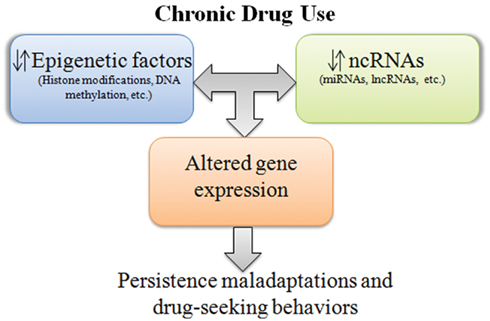
Epigenetic is a phrase used to denote the heritable alterations in gene expression which are not associated to the fundamental of DNA series; the alteration in phenotype without the alteration in genotype. Epigenetic alteration is a common and authentic happening though it may also be influenced by other factors like age, the surrounding or lifestyle, and the condition of illness. Epigenetic improvement can appear significantly like the way cells are terminally distinguish to end up as skin, liver, brain cells etc. or epigenetic alteration have more serious effects which can result in complications like cancer. By the way, we have about three systems include:

  • DNA methylation
  • Histone modification
  • Non-coding RNA (ncRNA)

These systems are related gene silencing and are currently believed to pioneer and a withstand epigenetic alteration. This is an area that needs further studies and research to uncover the role of epigenetic in variety of human disorders and lethal diseases. Because a lot more research needs to be done let us use the introduction we have given in a bid to discussing the epigenetic mechanisms of addiction to better understand how it affects substance abuser health.

Epigenetic mechanisms of addiction-Drug addiction

The scourge of drug addiction demands massive medical, economical and emotional clung on the society in the form of excess and health complications, family crumbling, loss of income and crime. The estimates according to NIDA (National Institute on Drug Abuse) indicate that in US alone the total cost of drug abuse is beyond US$600 billion yearly. The greatest concern is that of the steady increase in drug abuse by the young people and the consistent abuse of prescription drugs. It goes without saying that these statistics confirms the serious need of more research into the neuronal effects of substance abuse and the mechanisms of addiction with a view of finding the original targets for administering treatment and thwarting the addictive ailments.

Even though we are all faced with great risk of substance abuse, a hand full of us will not be strong enough to resist the temptation of drug use and coercion for pursuing drugs and eventually suffers an addiction. Being in this category is majorly swayed by ones genetic composition and the mental and communal background in which drug coverage occurs. Even though the genetic involvement to risk for addiction is approximately 50%, the precise genes which are intricate remain virtually unidentified. The addictive phenotype can continue in one’s life like forever with drug craving and relapse taking place even after decades of self-discipline signifying that drugs prompt lasting alterations in the brain fundamental addiction behaviors.

The many cells of specific organism, even though they encompass basically identical complements of DNA, differentiate to form different tissues and organs through controlled variations in the transcriptional potential of each gene, based on environmental cues, cell-to-cell signals and probably other random factors. It is becoming indistinct that many of the same processes of gene regulation which are intricate in the usual differentiation of cells and tissues during development are also tied up in the adult organism to mediate cellular adaptation to environmental stimuli.

The procedures involved in the instruction of transcriptional potential are diverse and highly complex, and include activation and inhibition of transcription factors, alteration of chromatin and DNA structure, and initiation of non-coding RNAs. Increasing evidence which supports the hypothesis that each of these mechanisms of epigenetic regulation is directly affected by substance abuse and that such adaptation is one of the main processes by which drugs bring highly stable variations in the brain that mediate the addicted phenotype. This Review summarizes the findings that support this hypothesis, and highlights areas in which future research will extend this fundamental knowledge of addiction and exploit it for new therapeutics.

Epigenetic mechanisms of addiction-Drug action and gene transcription

Apparently similar syndrome of addiction may result from acquaintance to a wide variety of chemical substances or even rewarding activities, from cocaine to gambling to sex. One collective mechanism in these various forms of addiction is thought to be activation of the brain’s reward circuitry, which centers on dopaminergic neurons in the ventral tegmental area (VTA) of the midbrain and their projections to the limbic system in particular, the nucleus accumbens (NAc; also known as the ventral striatum), dorsal striatum, amygdala, hippocampus and regions of prefrontal cortex. This reward circuitry is activated by stimuli or pursuits that encourage evolutionary fitness of the organism, such as nutrient-rich foods, sex and social stimulation. As drugs of abuse activate this circuitry far more strongly and persistently than natural rewards, and without being associated with productive behavioral results, chronic exposure to drugs modulates brain reward regions partly through a homeostatic desensitization that renders the individual unable to attain sufficient feelings of reward in the absence of drug. An alternative, but not mutually exclusive, hypothesis of addiction focuses on incentive sensitization, whereby drugs alter the reward circuitry to cause increased assignment of incentive salience to drug cues, effectively making drug-associated environmental stimuli more difficult to ignore and leading to intense drug craving and relapse. Pathological drug-induced alterations in the reward circuitry further impair behavioral control over drug taking.

Essentially all rewarding drugs escalates dopaminergic transmission from the VTA to the NAc and other target limbic regions, even though they both employ partially distinct mechanisms and in some cases involve other neurotransmitter systems as well. The activities of drugs on the NAc are further complicated by the cellular heterogeneity of this brain region. Although drugs differ in their acute mechanisms of action, the common syndrome of addiction suggests that chronic activation of these distinct, acute mechanisms induces some shared molecular adaptations in brain reward regions that mediate the lasting nature of the addictive phenotype.

Transcriptional and epigenetic mechanisms of addiction

Having discussed the dynamics of epigenetic mechanism of addiction you must have noted that it is such an interesting medical application in the effort of solving the problem of addiction. Now let us bring the whole article down a summery form and expand your desired scope of research on this particular topic of epigenetic.

  • I will suggest that alterations in the transcriptional potential of genes, through the actions of drug-regulated transcription factors, chromatin modifications and non-coding RNAs, contribute substantially to the neuroadaptations that motivate addiction. This Evaluation is to highlights key examples of such transcriptional and epigenetic mechanisms of addiction, and identifies some of the novel potential targets for therapeutic intervention during the addiction process.
  • The nucleus accumbens a region which is central to the dispensation of reward and the addicting actions of nearly all substance abuse contains a difficult milieu of cell types. It receives input from and sends signals to several brain sections. Chronic revelation to drugs of abuse alters gene expression patterns, as well as the morphology (and ultimately the functional activity) of nucleus accumbens neurons neuroadaptations which pay significantly to the addiction process.
  • Epigenetic regulation causes many adaptations of an adult organism to environmental stimuli similar to those seen in drug addiction. Post-translational improvement of histone tails and direct modification of DNA, as well as transformed levels or activity of a host of other chromatin remodeling proteins, mediate the ability of drugs of abuse, after chronic exposure, to change the expression of precise genes in the brain’s reward circuitry.
  • The current study of chromatin regulation in addiction models backs the view that epigenetic changes at individual genes do not only change the steady-state levels of their expression but also their inducibility in response to a subsequent stimulus. I will suggest that these latent epigenetic changes, termed gene ‘priming’ and ‘desensitization’, alter an individual’s adaptability and contribute substantially to the addicted state.

In conclusion because a lot of further research needs to be done I will make suggestions about some of the possible areas that need to be researched on and they include the following:

  • What controls the recruitment or expulsion of individual transcriptional and chromatin-regulatory proteins to a particular target gene?
  • What controls the formation and maintenance of distinct epigenetic states at particular genes?
  • How are the actions of drugs of abuse, all of which initially target the synapse, transduced to the neuronal nucleus to regulate the epigenetic state and transcriptional potential of individual genes?

Epigenetic mechanisms of addiction-What is Epigenetic


Facebooktwitterpinterestlinkedin

Addiction, Heart Disease, and Stroke

Addiction, Heart Disease, and Stroke-Deteriorates Good health

Addiction

Drug addiction has negative effect on human health. It brings with it heart complications, and brain multifunction which leads to stroke

The greatest and most valuable asset one can have on earth is good health. It is one asset that has so many enemies attacking it left right and centre. Because of the great value of health we will be discussing some of its attackers in a bid of being prepared to keep the good health that we all need. It goes without mention that drugs and alcohol addiction has bad effects on our health due to their abilities to affect all the body organs like the lungs, the heart the brain among others. We are going to zero in two organs for the purpose of this article i.e. the heart and the brain of which research has established that there is a direct connection between drug abuse and irregular heartbeat, collapsed veins, bacterial infections, cardiovascular distress, heart attack and stroke. This is a discussion you don’t want to miss and so I take this opportunity to invite you to keep on the link for this fact finding mission.

Heart disease is associated with a collection of abnormalities affecting the proper functionality of the heart. For instance the dysfunction may be in the heart muscle, valves and electric system of the heart or the arteries that supply blood to the heart. The heart has muscles which may develop complications when the heart has been overworked chronically and it is normally common when one has high blood pressure/hypertension. Like the muscle of the arms grows when we lift heavy weights so is the tender muscles of the heart will enlarge when they are under chronic physical stress as seen with alcohol and drug addiction.

The heart receives its blood supply from the blood vessels which are occasionally affected by the coronary artery disease (CAD). It is important to note that the supply of blood to the heart should be consistent since the heart also gets its supply of oxygen to function effectively through this means. A disease in the heart arteries causes inadequate supply of oxygen to the heart which results in heart attacks in many cases and the effect of this is that the portion of the heart muscle tissue deprived of oxygen dies.

Addiction, Heart Disease, and Stroke-Stroke

Like the heart the brain also requires steady supply of oxygen to function normally and so when the arteries supplying blood/oxygen to the heart is either partially or completely blocked, then there will be inconsistency in the supply of oxygen to the brain causing that section of the brain deprived of oxygen to die.

The brain, like the heart, requires a constant supply of oxygen to function. When one of the arteries that supply blood to the heart becomes partially or fully blocked, the brain is deprived of oxygen. This, in turn, causes the tissue in the area of the brain that is not being supplied with oxygen to die. The effect of this will depend vary depending on the part of brain affected and so symptoms like inability to speak, walk, think or talk well will be seen in the victim. Stroke can also occur when the vessel to the brain ruptures or bust the effects of this is the same.

Addiction, Heart Disease, and Stroke

Drug and alcohol addiction create great strain on the body’s organs and organ systems such as the brain, nervous system, respiratory system and circulatory system. There is also a direct connection between drug and alcohol abuse and adverse cardiovascular effects such as irregular heartbeat, collapsed veins, coronary artery disease and bacterial infections that destroy the valves of the heart. Examples of drugs that lead to cardiovascular distress or cause heart disease include:

  • Cocaine
  • Heroin
  • Inhalants
  • Alcohol
  • Marijuana
  • Methamphetamines

Cocaine and crack are short-acting, powerful stimulants that act directly on the heart muscle, the brain’s neurotransmitters, blood vessels, nerve tissue and organ functions. The effects of the drug are immediate, and, depending upon the method of use, the effects can last from 30 minutes to 2 hours. The intensity of the high can increase the heart rate and blood pressure to dangerous levels, which in turn can cause irregular heartbeats and cardiac arrest.

Heart Disease, Stroke, and Addiction Treatment

It must be emphasized that cardiovascular distress can lead to heart attack and stroke. Alcohol and drug addiction are never and will ever be friends with the heart. Addiction to such substances must be treated timely for the valuable asset (good health) to be productive. Research indicates that perhaps the most dangerous time for drug abusers is the withdrawal period because it is during this period that the heart, cardiovascular system and other organ systems are under great stress. It is therefore important that during this time, drug and alcohol withdrawal be treated in a medically supervised drug detoxification center. Drug and alcohol withdrawal can be life-threatening and must not be stopped suddenly without the examination and professional medical advice from a qualified and experience doctor.

Proper care should be taken during detox from alcohol, benzodiazepines or barbiturates because users can experience uncomfortable and dangerous withdrawal symptoms which include seizures, heart attack or stroke. A qualified medical doctor should be there to supervised detox program this will help avoid these serious withdrawal symptoms and minimize discomfort during the detox period before drug rehab or alcoholism treatment.

In conclusion I want to give word of hope to those who have abused their bodies through years of alcoholism and drug addiction combining with smoking cigarettes, poor nutrition and lack of proper medical follow-up, all is not lost drug and alcohol addiction treatment is still possible with Dr. Dalal Akoury who is also the Founder of AWAREmed Health and Wellness Resource Center. Dear reader if you or anybody you know is suffering from this scourge of addiction you can be of help to them by sharing the recovery program available at this facility where doctor Dalal Akoury and her team of experts are offering exclusive NER Recovery Treatment to victims all over the globe as well to other physicians and health care professionals through training, clinical apprenticeships, webinars and seminars. Come and experience treatment with a difference everyone is welcome to be a part of this truly successful and fast addiction recovery treatment.

Addiction, Heart Disease, and Stroke-Deteriorates Good health


Facebooktwitterpinterestlinkedin

Weight Gain

Weight Gain-It has become a Global Problem

Obesity

Globalization and modernity has great influence on weight gain and obesity. Natural physical activities is being replaced with gym facilities.

For a long time issues to do with weight has been a concern of the ladies with men taking the back seat. This is no more in the today’s society weight is everyone concern young and old. The kind of life we live today has great effects on our weight it is either we are adding or losing, the great concern is in the gaining because this is where health complication arises. Looking at the new styles of life brought about by modernity we can point out positive and negative development and for sure we are today much cleverer than we were several decades ago have developed immensely in technology. Modernization has for sure lifted millions of people out of poverty, reducing hunger and infectious disease and in turn improving quality of life. While on the other hand the same social and economic shifts that have increased people’s wealth have also increased their waistlines and are driving the obesity epidemic in several countries globally. Obesity is a public health problem that has been for a long time been associated with the western countries but this has over the decades changed and it is now a global problem affecting both poor and wealthy nations almost equally. It is believed that about 500 million adults are obese and 1.5 billion are overweight. These statistics are indeed worrying and it is further complicated with the fact that many poor countries are not only struggling with the burden of obesity but also that of underweight because of malnutrition. The health care professionals have raised their concern on the emerging trend of globalization/modernity is driving overweight problem as a matter of fact overweight has overtaken underweight globally thanks to the many fast food restaurants and supermarkets selling junks. This has completely changed the traditional menu in most households thereby distorting our nutrition and healthy living.

Weight Gain-Modernization Promotes Obesity

At an individual level, obesity results from energy imbalance too many calories in, too few calories burned. But the food and physical activity choices that individuals make are shaped by the world in which they live:

  • The food environment: what type of food is available, how much it costs and how it is marketed influences what people eat.
  • The built environment: buildings, neighborhoods, transportation systems, and other man-made elements of the landscape influences how active people are.
  • New technologies: cars, computers, televisions, labor-saving devices, and many more change what people do for work, transportation, and leisure.

There are three broad global forces which are the major drivers of these changes they include:

  • Free trade
  • Economic growth
  • Urbanization

These macro-level changes are for sure driving the global obesity epidemic and especially in low and middle-income countries. Let us now take a moment and discus them for better understanding.

Weight Gain-Global Free Trade

Globalization has effectively brought with it trade liberalization which has open the market for food market and a varieties of food products which are often high in calories. It has also removed barriers to foreign investment in food distribution and allows multinational food companies and fast-food chains to expand their businesses into new countries thereby introducing high risk and unhealthy feeding habits. The question we need to answer is how does this contribute to weight gain and obesity? We are in agreement that the traditional foods were much nutritious than the processed foods which are for one not fresh and are very rich in calories. These foods are affordable and readily available 24/7 creating laxity in most families consuming homemade food. People have become so busy even to eat at home stuffing their fridges with all sorts of unhealthy food stuff and thanks to this behavior we are getting a lot of calories in our bodies which we cannot burn and so the cycle of obesity continues.

Weight Gain-Income, Socioeconomic Status and Weight

Globalization has open various opportunities and nations of the world are getting wealthier each passing day and knowing that wealth is closely associated with obesity as scale of income goes up so is obesity. Take for example farm workers who were getting minimal income begins to have enough money to jump into the modern habits associated with obesity like watching television, buying processed foods at supermarkets, and eating more food away from home but without proper healthcare and knowledge about healthy foods and physical activity that would help them keeps their weight down, obesity sinks in. However the direct opposite is that when countries graduate to middle and then to high income bracket people will definitely have better access to health care and education which translate into reducing the rate of obesity and unnecessary weight gain.

Weight Gain-Urbanization, Diet and Activity

Today almost more than half of the world’s population lives in cities, compared with just some 10 percent in 1900. This then means that life style has changed drastically to these city dwellers. They are physically under the greater influence of new technology. They are no longer illiterate and are able to access quality health care from the many health facilities available in the cities which can help reduce obesity. Nonetheless in many low and middle income countries, new urban areas develop so quickly that the health care and education infrastructure is never adequate due to the enormous influx of rural urban migration. Besides feeding habits adequate physical activities in urban setups may be lucking due to the fear of insecurity associated with urban neighborhoods. The traditional villages are believed to be much safer and so movement of people is not very much restricted to use of motor vehicles. People can freely walk or do their physical activities outdoors without the burden of insecurity on their shoulders as opposed to the urban centers.

Weight Gain-Speeding up the Nutrition Transition

Economic growth and urbanization lead to predictable shifts in diet, called nutrition transitions. In hunter-gatherer societies, people forage for food. Next they shift to rudimentary agriculture, often enduring famine. As wealth and technology grow and famine recedes, calorie intake rises, leading to overeating and obesity. Globalization has helped move many countries from famine to food sufficiency. But in many low- and middle-income countries, globalization has also accelerated the shift from food sufficiency to Western-style feast—and in turn, to obesity and obesity-related diseases. The effects of globalization as a factor in weight gain and obesity is very interesting and needs to be further interrogated with experience experts who have had similar dealings in the past. Dr. Dalal Akoury has been helping people suffering from obesity globally using very natural means. She is also the founder of AWAREmed Health and Wellness Resource Center a facility in which exclusive NER Recovery Treatment is administered to other physicians and health care professionals through training, clinical apprenticeships, webinars and seminars. Qualified professional or anybody with problems with weight gain or obesity can be a part of this truly successful and fast addiction recovery treatment.

Weight Gain-It has become a Global Problem

Facebooktwitterpinterestlinkedin

Obesity Epidemic

Obesity Epidemic-Modern Sitting Furniture

obesity

We are using seats everywhere we are without knowing that some of these seat are the source of our health problems like obesity and weight gain

Did you know that the comfort of your living room, office, eateries and the like could be the reason why you can’t have proper control of your weight? Thanks to modernity we can today afford to live a life full of comforts around us. Take for example the kind of seats you use in your house, office, hotels, in your car, buses, planes and locomotives if the pocket allows you would go for the very best that would offer you the maximum comfort. This is the problem begins and for the purpose of this article we will be discussing the possible effects of our desired seat comfort and the endless problem of weight gain and obesity so stay tuned and let us learn together. If you were to carry out a simple research today beginning with your own family you would probably if not definitely find that the seats in our homes and offices are very comfortable, soft and nice looking to sit on, it may be very difficult if not impossible to find firm wooden seats being used in our families today. What we may not know is that these comfortable seats as we call them are a great threat to good health, they are associated with the problem of weight gain and obesity and we all know the problems those suffering from obesity or weight gain goes through. Tracing the kind of life our ancestors lived in relation to today’s life style weight gain was never a problem as matter of facts there was under weight. They were using firm wooden furniture without the arm’s length and back rest which the day’s generation considers uncomfortable, what amazes me is that there was no weight related problem and less incidences of certain types of diseases that to an epidemical proportion affects the industrialized world today.

Obesity Epidemic-The traditional seats

It must be noted that sitting for a significant amount of time on modern sitting furniture result in adverse musculoskeletal changes and studies have found that adverse musculoskeletal changes cause excessive weight gain. I talked of our ancestors but bring it nearer to just a few decades ago and quite recently, even in the western industrialized world, sitting furniture consisted mainly of chairs or benches with a solid seat surface. I strong believe that we are in agreement that just a few decades ago, upholstered sitting furniture’s like the arm chair, sofa and couch were uncommon office furniture let alone household furniture’s. In most societies in the developing world the kinds of furniture used consisted of very simple seats with three leg or four legs without the back or arm rest. These industrious seats like the sofa, couch, armchair, rocking chair or even the chairs fitted with backrest were a luxury that could only be associated with a small population of the rich who could afford them. The true picture is that the majority of the world’s populations were using chairs with a wooden seat and wooden benches, and in the last few decades huge changes have happened.

Obesity Epidemic-Upholstered furniture

Not so long ago, even in the industrialized world, the upholstered furniture was affordable only to rich people. Nowadays, due to the advancement in technology, production and economic prosperity, it is available to a great percentage of the world’s population because of the drastic reduction of their cost. The economic prosperity has come with great changes and diversifications of how we live. We have replaced the traditional sitting furniture with modern ones consisting of chairs with an upholstered seat surface, like sofa, arm chair, couch, etc. if you were to interrogate technology of producing today’s upholstered sitting furniture is vastly different from the manufacturing technology that was used just a few decades ago. As a matter of fact lot long ago all upholstered sitting furniture were made using spring systems. The expensive sitting furniture was made using eight-way hand-tied springs that offer a firmer seat and a sitting position. The less expensive sitting furniture was made using sinuous springs that offers a softer seat. The current technology has tactfully eliminated the use of eight way hand tied spring and sinuous springs in a bid to cut on cost and has resorted in the cheap method of stuffing or padding with soft fuelling, mostly using polyurethane foam which are less costly. Even though a few furniture are still being made using springs these are very expensive and a preserved of the very rich leaving the majority with the upholstery of the cheap sitting furniture consists of high density polyurethane foams wrapped in fabrics that provides far softer seats compared with the sitting furniture that is made by using the spring system. The element of cost has drastically revolutionized the quality of seats in that it is less and less common for chairs to have a firm surface of the seat and most chairs have a soft upholstered seat. This revolution has not only replaced the old sitting furniture with the less costly version of modern sitting furniture’s in households, but also in public places like schools, universities, restaurants etc. chairs with a firm seat surface are replaced with the less costly version of sitting furniture that have a soft upholstered seat. This has really increased the current generation vulnerability to weight gain and obesity and all other complications associated with the two. Obesity Epidemic-Overweight and Obesity Funnily enough the changes that have taken place in the life style and food is not too much in relation to the ones that took place in the sitting furniture revolution. Let’s us get a bit of insight of this aspect even as we try to understand the implications of weight gain and obesity in the whole process. Just not long ago (a few decades) the greater population of people suffering from overweight and obesity came from the bracket of the rich and wealthy people while it is the rich who could afford the upholstered sitting furniture. Nonetheless obesity was rare and morbid obesity was inexistent the reason for this being, the seats of the upholstered sitting furniture were far less soft compared to today’s cheap version of upholstered sitting furniture. What a contrast that:

  • Today the expensive upholstered furniture is made by using the same technology that was used a few decades ago.
  • Today the prevalence of obesity among the poor population is not much different than what was the case a few decades ago.
  • The primary reasons for that is that they still use sitting furniture that is manufactured using the same system that was used a few decades ago.

Things have really changed and today in the developed world the most obese and particularly morbidly obese people are mostly found among the less affluent population.  The primary reason for that is because they mostly use the less costly modern sitting furniture. During the time when sitting furniture was made mainly from wood without upholstering and mostly without back support, at the same time among the poor and the middle class population, obesity was unknown. During those times, the problem among the less poor population was mostly being underweight and not overweight, and severe obesity or morbid obesity was extremely rare. In the developed world, modern less costly sitting furniture is the main factor that has caused the less poor population to be affected with overweightness and obesity to a far greater extent than the rich population. Modern upholstered sitting furniture, particularly cheap versions that includes upholstered chair, armchair, sofa and couch are the main contributing factors for the increased prevalence of overweight and obesity throughout the world.

Obesity Epidemic-Gene

It is known that overweight and obese parents are more likely to have overweight and obese children. The main reason for that is that parents and children use the same sitting furniture. The obesity epidemic is mainly caused by the widespread use of modern upholstered sitting furniture. Particularly, the less costly version of upholstered sitting furniture is the main cause for the obesity epidemic and it is one of the primary factors that are responsible for the higher rate of obesity among the less poor population and regular or increased physical activity is not enough to counteract to the adverse consequences of prolonged sitting on the modern style of upholstered sitting furniture. Dietary intervention for weight management makes the problems worse. As we conclude on this article of great revelation, I want to encourage you that technology has brought with it lots of good and bad things in our lives, weight gain and obesity is just one among many. You and your friends need to seek guidance from the experts, you need not to be obese for you to do this but it is good to be full of knowledge even before the problem knocks on your door step. Taking your time to visit or call AWAREmed Health and Wellness Resource Center under Doctor Akoury’s care who is also the founder will help you clear the air and be equipped with all the necessary information you need to be safe from obesity and weight related problems. And if you are obese then doctor Akoury together with her team of experts will help you get better while focusing on Neuroendocrine Restoration (NER) to reinstate normality through realization of the oneness of Spirit, Mind, and Body, Unifying the threesome into ONE.

Obesity Epidemic-Modern Sitting Furniture

Facebooktwitterpinterestlinkedin