Category Archives: Women Health

Vampire Breast lift & Nipplelift™ The Painless Way

Vampire Breast lift & Nipplelift™- The Painless Way

Vampire Breast lift

Vampire Breast lift. You can get that good look you want with the application of vampire breast lift procedure.

Vampire Breast Lift I am almost certain that all ladies would cherish a youthful look all round inside out. But often as your months turn into years and years into decades this youthful look fades away and you begin to worry and sometimes hate even the look on your body. I am I speaking what is in your mind? And would you want that youthful look even if you’re two, three, four or more decades old? There is a solution to your needs at AWAREmed Health and Wellness Resource Center a facility founded by Doctor Dalal Akoury to meet all your body structure needs among other health and beauty related disciplines. I will be discussing about Vampire Breast lift and how it is transforming the looks of both young and old ladies positively. I will highly advice that you keep on to this link to get more information about this process and make another step of calling the experts (Doctor Dalal Akoury) for the practicality of your inner and outer beauty.

The Vampire Breast lift and the Vampire Nipplelift™ procedures use the same principle of using blood-derived growth factors to activate unipotent stem cells as the Vampire Facelift™ Procedure® also discussed in our previous articles. It brings together the science of hyaluronic acid fillers i.e. Restylane and Juvederm unipotent stem cells, and beauty to generate a custom designer procedure. Vampire Breast Lift is a non-surgical, no downtime, form of breast augmentation that uses your own natural blood cells to lift the breast and nipple. While appreciating that not all women will have time off from their work to recuperate from an aggressive surgical procedure like a breast lift, yet their desire to have the size of their breasts well shaped, some would like more pronounced cleavage or more volume at the top of their breasts. Doctor Akoury an expert in this discipline will offers you the Vampire Breast Lift  to improve the shape of your breasts without aggressive surgery allowing you to attend to your economic duties as well.

The primary objective of Vampire breast lift is to eliminate the use of a well-made bra because just like the bra would lift and bring the breast to an attractive shape and look so is the process of Vampire breastlift the only different is that with this process your breast will be properly shaped even without you using the bra. The ideal client for this process would be:

  • Those women who are not looking towards dramatically change the size of their breast.
  • Women who are looking towards give their breasts a more youthful appearance.

It is important to note that just like any other Vampire Procedures the Vampire Breast Lift  injections will last between one and two years depending on individual patients.

  • The combination of products is what sets this technique apart from its Vampire Breast lift, and injectable filler, counterparts.
  • The entire procedure takes about 30 minutes and starts with blood being drawn from the patient.
  • The blood is taken the same way it would be for a normal blood test.
  • Once blood has been collected, it is then centrifuged and the platelets are separated from the red blood cells.
  • The platelets are then introduced to a calcium chloride solution which causes the platelets to release growth factors.
  • Small amounts of synthetic injectable fillers like Restylane or Juvederm are added to the mixture as well.
  • Once all the ingredients have been combined, a small gauge needle is used to inject the product into specific areas of the breast.

The Uniqueness of Vampire Breast Lift

The whole process is done in just under one hour and the combination of procedures done as follows:

  • Blood is then drawn from your arm in the same way it would be for a normal blood test.
  • Once blood has been collected, it is then centrifuged and the platelets are separated from the red blood cells.
  • The platelets are then introduced to a calcium chloride solution which causes the platelets to release growth factors.
  • Small amounts of synthetic injectable fillers like Restylane or Juvederm may be added to the mixture as well if needed
  • Once all the ingredients have been combined, a small gauge needle is used to inject the product into specific areas of the breast which has been numbed.
  • The procedure is very tolerable with minimal discomfort and little downtime.

Vampire Breast Lift  Results

This procedure is the best because it’s getting back to what beauty is all about. The Vampire Breast Lift works at the stem cell level, generating new tissue. The procedure brings sensation back into the breast, areola and nipples. Other good results include:

  • Firmer More Shapely Breasts
  • Produce Lift and Rounder Cleavage
  • Restore sensitivity lost through breastfeeding or previous implants
  • Perkier Nipples
  • Increased Nipple Sensitivity
  • Smoother Skin
  • Fill in Implant “rippling”
  • Lift inverted nipples

Vampire Breast lift  & Nipplelift™- How do you create Platelet-Rich Plasma?

Within a matter of minutes, we can create Platelet-Rich Plasma (PRP) and activate your stem cells for a Vampire Procedure™ as follows:

  • The right quantity of blood is drawn for a basic lab test.
  • Place the blood into a centrifuge and spin the blood at a very rapid rate to separate the platelets from the other components of the blood.
  • The platelets are activated by mixing them with a calcium ion. This activation of platelets is the final step in producing your very own platelet-rich plasma.

Vampire Breast lift  & Nipplelift™- Benefits of Vampire Therapy

  • The amount injected is equivalent to 5 – 10 syringes of Juvederm (which would cost much more and start fading at the end of a year).
  • This looks better at the end of a year than at the end of a month because it actually de-ages the skin.
  • Your skin becomes healthier in multiple ways like fewer wrinkles, better complexion, improvement in scars, lessens skin folds.
  • We can use it in the upper forehead and between the brows (which should not be done with the fillers like Juvederm and Restylane).
  • The technique of injecting is similar to the other products it’s just that the product is new and better in many ways.
  • Since we’re injecting a distillate of growth factors from your own blood, there should be NO side effects from the material injected.

Like I mention before your youthful look will deteriorates as you grow old but this doesn’t mean that you should look old. If you don’t like the look or shape or size of your breast for whatever reason, all is not lost for you. Call on doctor Dalal Akoury today or just walk in AWAREmed Health and Wellness Resource Center and meet the most experienced experts who will help you in real time to have your breast just the way you would want them to be. Doctor Akoury will listen to you and use this technique to make your breast look not just youthful but just the way you want it, so make that call now and live the experience.

Vampire Breast lift & Nipplelift™- The Painless Way


Facebooktwitterpinterestlinkedin

Vampire Facelift

Vampire Facelift – Facial Transformation

The face you want. Get it with Vampire Facelift application. Your face can be as youthful as you want it to be

Everyone would like to keep and maintain that youthful look for as long as they live. Even though we are all aware that aging is soon catching up with us we would still want to keep the good appearance. Doing this has been one of the big headaches for many people especially with the ladies but I want to bring the good news to you that there is a healthy solution to this problem. I spoke to doctor Dalal Akoury who is an expert in this discipline among other areas of vast health related matters and she share very good tips you can apply to look much younger including vampire facelift. I will be sharing some of the things you can do to keep your good look and I will recommend that even as we discuss this you need to consult with doctor Akoury for much more specialist care use her contacts available on this link.

The main topic of discussion in this article will be Vampire Facelift and how effective it is. Therefore vampire facelift was primarily established for people desiring to keep that healthy, youthful, and well moisturized young look skin naturally without the inconveniences of going through surgery. It is a systematic process that uses your own body’s healing and regenerative properties. This process does not take time with almost immediate result being realized on the same day and with continual skin regeneration benefit lasting for months after the procedure, and results can last for over a year.

It is important to note that Vampire Facelift® is not just a facelift procedure but rather a skin treatment procedure using the body’s own natural healing and growth factors that are derived from your own blood (and that is how the name Vampire Facelift® is derived). The procedure works well in combination with a hyaluronic acid dermal filler. This is a friendly process with almost no pain or just some negligible pain experienced, it involves a series of injections into the areas of the face to reduce wrinkles adding youthful volume and improving the quality of your skin.

What is a Vampire Facelift?

The Vampire Facelift is therefore a stylish procedure developed to facilitate and enhance volume in the face using a combination of hyaluronic acid like Restylane and platelet rich fibrin matrix (PRFM) which is a denser form of platelet-rich plasma (PRP).

Recovering Factors from a Patient’s Own Blood

The major component for Vampire Facelift is platelet-rich fibrin matrix which is derived from the patient’s own blood before being mixed with other factors. Platelet-rich fibrin matrix starts with a blood draw in the very way blood is drawn during any blood test after which the platelet-rich plasma (PRP) is detached by spinning the patient’s blood through a centrifuge to give a clear yellow serum after it is detached from the darker components made typically of red blood cells. Calcium chloride (CaCl) or other activator is added to the PRP to turn it into the thicker and longer lasting platelet-rich fibrin matrix.

Platelet-rich plasma is used throughout the medical world for its wound and injury healing properties. It also stimulates the production of collagen and for tissue regeneration. These properties enable platelet-rich fibrin matrix as an ideal natural serum for revitalizing facial skin quality and volume with increased collagen production, blood supply, and new skin and fatty tissue generation, creating the youthful appearance that comes with generating new, healthier skin. The purpose of Vampire facelift is to correct what aging is introducing in your skin quality. How then does aging affect the quality of your skin? It does so in two major ways.

  • There is loss of volume from bone, muscle, fat, and skin. This can make the under eye area and cheeks look flat and hollow. The skin can look dull or gray instead of being rosy as it was when younger.
  • The loss of support of the skin results in drooping upper eyelids, lower eyelids, cheeks, jowls and sagging neck skin like the neck of turkey.

Adding Youthful Volume by using Hyaluronic Acid Fillers

The first step of The Vampire Facelift® is the application of injectable hyaluronic acid dermal filler like Restylane or Juvederm.

One of the two main components of the facial aging process is the loss of volume due to a reduction of facial bone, muscle and fat, also known as “the apples of the cheeks”.

Dermal fillers add youthful volume to the face, while keeping a natural appearance.

Hyaluronic acid fillers do not paralyze facial muscles like Botox, so volume is added without inhibiting facial movement or expressions.

Normally there is specific art application of fillers for a more vibrant natural and youthful appearance and you can be rest assured that Dr. Akoury will apply his natural artistic abilities with her professional skills and over two decades of experience to perform your procedure, all you need to do is to get in touch with her (Doctor Dalal Akoury) and you will not regret the look on your face anymore.

Revitalizing your Facial Skin from Within

For comfort and almost pain less process, the platelet-rich fibrin matrix is placed just after a numbing cream has been applied. Platelet-rich fibrin matrix contains at least eight of the body’s own concentrated growth factors to revitalize the face in various ways like:

  • Specific growth factors increase the formation of new blood vessels also known as neovascularization and increased blood flow to the skin, resulting in healthier, better and quality skin.
  • Other growth factors increase new cell formation for skin renewal.
  • Another growth factor spurs the formation of new collagen, the major element of facial skin that diminishes in facial aging.
  • Other growth factors activate the multi-potent stem cells already in the skin by tricking it into thinking there is an injury, resulting in the use of a combination of growth factors and stem cells to generate new fatty tissue. The new fatty tissue repairs skin that was never injured, resulting in the generation of new, younger-looking skin.

Areas treated by the non-surgical Vampire Facelift® include:

  • Lines at corners of the mouth
  • Bunny lines or bunny nose – dynamic wrinkles on the nose
  • Crow’s feet that is lines in corners of the eyes
  • Forehead wrinkles
  • Frown lines
  • Smile lines
  • Plumping of the cheeks
A quick procedure that keeps working for several months

In conclusion and making reference from my introduction, talking to doctor Dalal Akoury who is also the founder of AWAREmed Health and Wellness Resource Center, will be the starting point of ensuring that you get that youthful appearance you have been looking for. Doctor Akoury together with her team of experts appreciate that you need to get quick result and they will just do that, remember that the entire Vampire Facelift procedure only takes about an hour to complete. Within the hour all the steps including the: blood draw, preparation of the PRP, platelet-rich fibrin matrix, and The Vampire Facelift® treatment itself will be complete and your face will surprise you when you look into the morrow. Take that positive step of calling doctor Akoury today and experience the real professional touch and take not that since skin renewal and rejuvenation is using the body’s own active regeneration components, facial skin renewal is continual for about 3 months after the procedure while the overall effects of the Vampire Facelift® can last for over a year. Thank you for desiring to make a difference in your face with the best at AWAREmed Health and Wellness Resource Center.

Vampire Facelift – Facial Transformation


Facebooktwitterpinterestlinkedin

Polysubstance Abuse, You can fight Polysubstance Abuse

Fighting Polysubstance Abuse – Drug Addiction

Polysubstance abuse

Fighting polysubstance abuse- the war on drugs must be worn at all cost. Indulgence in polysubstance abuse is not helping fight the war.

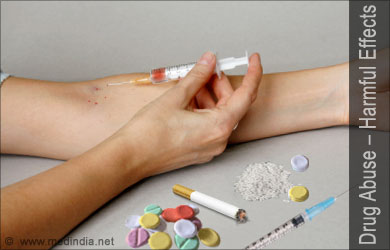
We are living in a world where people want to explore all things even those things that are dangerous to their lives. Take for example drugs, there are substances which are not just harmful to one’s life but are life threatening and fatal. You would therefore wonder why someone would want to take this kind of adventure. I am not trying to confuse you here but I am talking about what is known as polysubstance abuse which is defined as the use of more than three groups of addictive substances over a period of one year. This normally happens when a person indulges in acts of abusing several substances within a short period of time, often in an attempt to enhance the effect of a single drug to create a more intense high. We can therefore conclude that polysubstance abuse is where no single substance is identified as the user’s drug of choice.

Some combination drug users have “patterned” use. These include:

  • Alcoholics who for example use will cocaine only after they’ve reached a certain state of intoxication meaning that they don’t overuse.
  • Addicts who speed ball that is to say that they are mixing cocaine and heroin for intravenous use and other combinations.
  • There is another polysubstance subgroup, consisting mostly of adults already addicted to alcohol. After an injury or surgery, they were placed on opiate medications and developed a pain syndrome over time. They then mixed substances or switched to opiates as their drug of choice.

Polysubstance Abuse among Different Populations

Adult polysubstance abuse, according to literature, is often associated with other mental health conditions. Homelessness, personality disorders, and psychiatric disorders such as major depression, psychosis, and bipolar disorder are common. The overlap of polysubstance dependence and psychiatric problems points to a lot of self-medication. Typically, among multiple substance users, individuals used alcohol or marijuana at an early age and then added other substances (or changed their drugs of choice) without quitting their original substances.

  • Among young people, polysubstance abuse is often the norm, and not the exception. The most commonly abused polysubstance by adolescents are marijuana, alcohol, and heroin. Other drugs used include MDMA (ecstasy), dextromethorphan, multiple forms of opiates, cocaine, hallucinogens, and inhalants.
  • A 2004 study of young people reported that one-half had used an illicit street drug by the end of their senior year. Two million young people need treatment for alcohol and drug addiction, but only 8 percent actually get it. Nearly one-third of young people addicted to psycho-stimulants also suffered from attention deficit hyperactivity disorder (ADHD), and 20 percent said they gave their medications to others.
  • One treatment facility said that 33 percent of the adolescents currently in treatment had polysubstance addiction.
  • The elderly are another population that clearly has a problem with polysubstance abuse.
  • Older people have more medical conditions that often require prescriptions. Over time with debilitating illnesses such as Alzheimer’s disease the tendency to over medicate (taking more of a drug, more often, forgetting when and if medication was already taken) increases the likelihood of polysubstance abuse. Combined with alcohol, the results can be devastating, even fatal.
  • Elderly women tend to keep their substance abuse and chemical dependency secret. Alcoholism occurs later in women’s lives, perhaps due to problems associated with divorce or separation. Women who are over 55 have less tolerance for alcohol and are therefore more prone to addiction. They are also less likely than men to seek treatment and also use prescribed psychoactive drugs.
  • Polysubstance abuse is increasingly prevalent among the street drug user population. Different substances abused include heroin, prescription opioids, benzodiazepines, cocaine, crack, alcohol, and marijuana.

Detoxification for Polysubstance Abuse and Addiction

Before treatment to address underlying causes of polysubstance addiction, detoxification must first be done. Detox is more complex and problematic with polysubstance addiction for several reasons. An accurate history of total substances abused must be obtained, and the patient may not be able or willing to provide complete details. Determination of the actual substance being used has to be made using screens for breath, urine, and/or blood.

  • Some patients can be treated on an outpatient basis, but others, particularly those with alcohol, sedative, hypnotic, opioid, and anxiolytic abuse may require hospitalization or inpatient detox. Repeated abstinence failures or severe anxiety, depression, or psychotic symptoms lasting 1 to 3 days after abstinence may also require inpatient substance abuse treatment.
  • After patients admitted for detox for opioids began to show classic alcohol withdrawal symptoms, some treatment professionals opted to routinely treat their detox patients with thiamine until a determination could be made that there was no history of alcohol use.
  • Diagnosis and treatment of patients who have been on psychotropic medications while they were already addicted is more difficult.
  • If a patient doesn’t know, or is unable to discuss, use of opioid drugs and it’s been days since their last drug use, opiate withdrawal symptoms can lag. Urine screens my not be able to detect the drug.
  • Treatment for mixed addiction that also includes alcohol use may include benzodiazepines during the acute phase of alcohol withdrawal. Benzodiazepines can help decrease tremors and prevent or reduce increases in heart rate and blood pressure.
  • Medication to treat symptoms of diarrhea or muscle aches may also be prescribed. Folic acid, thiamine, and Vitamin B-12 may counteract vitamin deficiencies.

Evaluation Factors

The length of the treatment program is determined by how long and what type of substance dependence the patient has, whether or not organ damage exists, any underlying mental illness, the patient’s desire to change and willingness to undergo treatment, adequacy of the patient’s social support system, treatment choice, and plans for ongoing care.

Treatment after Detox

After drug use patterns and substances have been identified, a thorough psychological evaluation is necessary. There needs to be enough time for detox, history evaluation, and a thorough understanding of any psychiatric conditions that exist.

Although there are many different aspects of treatment, they generally include four phases.

The acute phase – this is where the focus is on alleviating symptoms or physiological withdrawal. This typically lasts 3 to 5 days, but is dependent on the number, type, and length of substances abused.

The abstinence period – this phase concentrates on changing the patient’s behavior which is usually about one month

The early remission phase – follows and can last up to 12 months. The sustained remission phase lasts as long as the patient refrains from alcohol or substance use and no longer exhibits any of the criteria for polysubstance abuse.

Treatment during early remission may involve education on the physical, emotional, and psychological aspects of addiction and recovery. The patient learns to identify stressors and triggers that cause drug use. They learn ways to manage those stressors and also build up coping skills. They can also undergo assertiveness training and relaxation techniques.

Polysubstance Addiction – Is There Hope?

Fighting polysubstance abuse is more difficult than abuse of a single substance, but it can be successful. The likelihood of success depends on the individual’s determination and discipline to follow through on the requirements to abstain completely from substance abuse. Such determination and discipline does not come easily, especially for hard-core or long-term abusers and addicts. There may be repeated relapses before stability becomes a part of the recovering addict’s life. After treatment, recovery from polysubstance abuse and addiction just like for any addiction requires ongoing diligence and participation in a support network. While understanding the difficulty involved in treatment and recovery of this nature doctor Dalal Akoury established AWAREmed Health and Wellness Resource Center facility to help in the treatment of all kinds of addiction. Doctor Akoury cares for you and she is riding on more than two decades of experience. Calling on doctor Akoury will benefits you since she will attend to you in the most natural way by focusing on Neuroendocrine Restoration (NER) to reinstate normality through realization of the oneness of Spirit, Mind, and Body, Unifying the threesome into ONE

Fighting Polysubstance Abuse – Drug Addiction


Facebooktwitterpinterestlinkedin

Alcoholic Relapse

Alcoholic Relapse – Social and Emotional Causes

Alcohol

In treating drug addiction relapse will be a common occurrence. Alcoholic relapsing need not to give up as this is normal and will be over-come with time.

Relapse is a common occurrence in management of various addictions. When a recovering patient relapses several times they may get discouraged but this is generally not an indication of treatment failure but just a confirmation that some progress is being made and more needs to be done in the same line. The truth is over 80% of people treated for alcoholism relapse not just during treatment but even after years of abstinence. Patients and their caregivers should understand that relapses of alcoholism are analogous to recurrent flare-ups of chronic physical diseases. Factors that place a person at high risk for relapse include:

  • Frustration and anger
  • Social pressure
  • Internal temptation

Mental and Emotional Stress – Alcohol blocks out emotional pain and is often perceived as a loyal friend when human relationships fail. It is also associated with freedom and with a loss of inhibition that offsets the tedium of daily routines. When the alcoholic tries to quit drinking, the brain seeks to restore what it perceives to be its equilibrium. The brain responds with depression, anxiety, and stress (the emotional equivalents of physical pain), which are produced by brain chemical imbalances. These negative moods continue to tempt alcoholics to return to drinking long after physical withdrawal symptoms have abated.

Codependency – Many aspects of the ex-drinker’s relationships change when drinking stops, making it difficult to remain abstinent:

  • One of the most difficult problems that occur is being around other people who are able to drink socially without danger of addiction. A sense of isolation, a loss of enjoyment, and the ex-drinker’s belief that pity, not respect, is guiding a friend’s attitude can lead to loneliness, low self-esteem, and a strong desire to drink again.
  • Friends may not easily accept the sober, perhaps more subdued, ex-drinker. Close friends and even intimate partners may have difficulty in changing their responses to this newly sober person and, even worse, may encourage a return to drinking.
  • To preserve marriages, spouses of alcoholics often build their own self-images on surviving or handling their mates’ difficult behavior and then discover that they find it difficult to adjust to new roles and behaviors.

In order to maintain abstinence, the ex-drinker may need to separate from these enablers. Close friends and family members can find help in understanding and dealing with these issues through social groups.

Social and Cultural Pressures – The media has become a powerful communication tool for the pleasures of drinking in advertising and programming. The medical benefits of light-to-moderate drinking are frequently publicized, giving ex-drinkers the false excuse of returning to alcohol for their health.

Risk Factors

It is amazing that even with obvious health risk of alcohol people are still very much into drinking. It has become a global problem with the west taking the lead in alcohol abuse. America for example is struggling with this problem of alcohol abuse with most under age getting into drinking habit. Most American adults drink at levels that put them at risk for alcohol dependence and alcohol-related problems. Let us therefore look at some of the risk factors for alcohol dependence may include:

Age

Drinking in Adolescence – we all know that alcohol consumption is very unhealthy in all dimensions, the risks of alcohol use gets more complicated depending on when one begins taking alcohol and the duration of usage. For instance anyone who begins drinking in adolescence is at risk for developing alcoholism. The earlier a person begins drinking, the greater the risk and so young people at highest risk for early drinking are those with a history of abuse, family violence, depression, and stressful life events. People with a family history of alcoholism are also more likely to begin drinking before the age of 20 and to become alcoholic. Such adolescent drinkers are also more apt to underestimate the effects of drinking and to make judgment errors, such as going on binges or driving after drinking, than young drinkers without a family history of alcoholism.

Drinking in the Elderly Population – Although alcoholism usually develops in early adulthood the elderly are not safe either. They are also affected though in a different way for example those who maintain the same drinking patterns as they age can easily develop alcohol dependency without realizing it. It will take a fewer drinks to become intoxicated, and older organs can be damaged by smaller amounts of alcohol than those of younger people. Besides all these, many medications prescribed for older people interact adversely with alcohol.

Gender

Majority of alcohol users are men though the women population drinking is also rising by the day. Studies suggest that women are more vulnerable than men to many of the long-term consequences of alcoholism. For example, women are more likely than men to develop alcoholic hepatitis and to die from cirrhosis, and again they are more vulnerable to the brain cell damage caused by alcohol.

History of Abuse

The load of individuals past life style will have great significance in the present. Those brought up by alcoholic parents have a higher risk for substance abuse later in life. In one study, 72% of women and 27% of men with substance abuse disorders reported physical or sexual abuse or both. They also had worse response to treatment than those without such a history.

Psychiatric and Behavioral Disorders

Psychiatric Disorders – Severely depressed or anxious people are at high risk for alcoholism, smoking, and other forms of addiction. Likewise, a large proportion of alcohol-dependent people suffer from an accompanying psychiatric or substance abuse disorder. Either anxiety or depression may increase the risk for self-medication with alcohol. Depression is the most common psychiatric problem in people with alcoholism or substance abuse. Alcohol abuse is very common in patients with bipolar disorder and schizophrenia.

Long-term alcoholism itself may cause chemical changes that produce anxiety and depression. It is not always clear, then, whether people with emotional disorders are self-medicating with alcohol, or whether alcohol itself is producing mood swings.

In conclusion, I believe you’re up to date with the social aspects of alcohol use. In our introduction we illustrated how relapse is a common happening addiction treatment and probably this is your area of concern and I want to offer you an opportunity to get over it. This is not something you can go through on your own, you will need the opinion of experts in this line and Dr. Dalal Akoury who is also the founder of AWAREmed Health and Wellness Resource Center is the person you need right now. She is offering her exclusive NER Recovery Treatment to every addicted patients in the most natural and professional way. Choosing to call doctor Akoury is the best thing you can do to help you overcome your addiction problems and get your life back in real time.

Alcoholic Relapse – Social and Emotional Causes


Facebooktwitterpinterestlinkedin

Understanding Addiction as it is

Understanding Addiction as it is – Drug Addiction

Addiction

If only we can understand addiction as it is we would not do things that subject our health in to greater risk

There is nothing that happens without it roots, for example we all have our roots where we came from, who our parents, grandparents etc. are and so when we want to talk about us we are able to locate the roots and get into the story, in the same way the problem of addiction can also be understood from its known roots before we can talk of administering treatment. Understanding addiction will include looking at various triggers for an addiction and why some people appear to be more susceptible than others. In spite of what people say stopping an addiction is such an uphill task and many people do not understand why or how other people become addicted to drugs. It is often erroneously assumed that those who abuse drugs lack moral principles or willpower and they could stop using drugs if they want to simply by choosing to change their behavior.

The truth is that drug addiction is a complex and very complicated disease. Stopping abusing any substance is such an uphill task that takes more than good intentions or strong will. It is important to know that drugs changes the brain in ways that foster compulsive drug abuse. Nonetheless we are today luck that advancement in technology has simplified more about how drugs work in the brain and we are also aware that drug addiction can be successfully treated to help people stop abusing drugs and lead productive lives.

However before commencement of addiction treatment it is to comprehend what an addiction really is and the various factors which lead to the addiction. We can do this by looking at various triggers for an addiction and why some people appear to be more susceptible than others. Therefore:

What Is Drug Addiction?

Addiction is a chronic problem, often relapsing brain disease that causes compulsive drug seeking and use despite all known harmful consequences to the addicted persons and to people around them. When we are opting for drugs in most cases it is never done forcefully. The new user get in drugs on a willing basis, the problem that follows could be devastating in the sense that the alterations that take place in the brain over a period of time influences the addicts ability to practice self-control and hinder their will to resist intense impulses to take drugs.

Like I said we are today much more informed of the availability of treatment procedures tailored to help people counter addiction’s powerful disruptive effects. Several studies have also established that mixing addiction treatment medications with behavioral therapy is one of the best ways to ensure success for most patients. Treatment methods that are tailored to each patient’s drug abuse patterns and any co-occurring medical, psychiatric, and social problems can lead to sustained recovery and a life free of drug abuse. It is important noting that during treatment process just like any other chronic disease patients can relapse and begin abusing drugs again, when this happen, it does not indicate failure of treatment but rather it indicates that treatment should be:

  • Reinstated
  • Adjusted or that
  • An alternative treatment is needed to help the individual regain control and recover.

What Happens to Your Brain When You Take Drugs?

Drugs contain chemicals that tap into the brain’s communication system and disrupt the way nerve cells normally send, receive, and process information. There are at least two ways that drugs cause this disruption it can either happen by:

  • Imitating the brain’s natural chemical messengers and
  • Over-stimulating the “reward circuit” of the brain

Some drugs (e.g., marijuana and heroin) have a similar structure to chemical messengers called neurotransmitters, which are naturally produced by the brain. This similarity allows the drugs to confuse the brain’s receptors and activate nerve cells to send abnormal messages.

Other drugs, such as cocaine or methamphetamine, can cause the nerve cells to release abnormally large amounts of natural neurotransmitters (mainly dopamine) or to prevent the normal recycling of these brain chemicals, which is needed to shut off the signaling between neurons. The result is a brain awash in dopamine, a neurotransmitter present in brain regions that control movement, emotion, motivation, and feelings of pleasure.

The overstimulation of this reward system, which normally responds to natural behaviors linked to survival (eating, spending time with loved ones, etc.), produces euphoric effects in response to psychoactive drugs. This reaction sets in motion a reinforcing pattern that “teaches” people to repeat the rewarding behavior of abusing drugs.

As a person continues to abuse drugs, the brain get used to the irresistible surges in dopamine by producing less dopamine or by reducing the number of dopamine receptors in the reward circuit. The result is a lessening of dopamine’s impact on the reward circuit, which reduces the abuser’s ability to enjoy not only the drugs but also other events in life that previously brought pleasure. This decrease compels the addicted person to keep abusing drugs in an attempt to bring the dopamine function back to normal, but now larger amounts of the drug are required to achieve the same dopamine high an effect known as tolerance.

Long-term abuse causes changes in other brain chemical systems and circuits as well. Glutamate is a neurotransmitter that influences the reward circuit and the ability to learn. When the optimal concentration of glutamate is altered by drug abuse, the brain attempts to compensate, which can impair cognitive function. Brain imaging studies of drug-addicted individuals show changes in areas of the brain that are critical to judgment, decision making, learning and memory, and behavior control. Together, these changes can drive an abuser to seek out and take drugs compulsively despite adverse, even devastating consequences that is the nature of addiction.

Why Do Some People Become Addicted While Others Do Not?

No single factor can predict whether a person will become addicted to drugs. Risk for addiction is influenced by a combination of factors that include individual biology, social environment, and age or stage of development. The more risk factors an individual has, the greater the chance that taking drugs can lead to addiction. For example:

  • Biology – The genes that people are born with—in combination with environmental influences—account for about half of their addiction vulnerability. Additionally, gender, ethnicity, and the presence of other mental disorders may influence risk for drug abuse and addiction.
  • Environment – A person’s environment includes many different influences, from family and friends to socioeconomic status and quality of life in general. Factors such as peer pressure, physical and sexual abuse, stress, and quality of parenting can greatly influence the occurrence of drug abuse and the escalation to addiction in a person’s life.
  • Development – Genetic and environmental factors interact with critical developmental stages in a person’s life to affect addiction vulnerability. Although taking drugs at any age can lead to addiction, the earlier that drug use begins, the more likely it will progress to more serious abuse, which poses a special challenge to adolescents. Because areas in their brains that govern decision making, judgment, and self-control are still developing, adolescents may be especially prone to risk-taking behaviors, including trying drugs of abuse.

Prevention Is the Key

Drug addiction is a preventable disease. Research findings indicate that prevention programs involving social networks like families, schools, communities, and the media are effective in reducing drug abuse. Although many events and cultural factors affect drug abuse trends, when youths perceive drug abuse as harmful, they reduce their drug taking. Therefore it is important to bring in experts like Dr. Dalal Akoury who is also the founder of AWAREmed Health and Wellness Resource Center where she is offering her exclusive NER Recovery Treatment to everyone including other physicians and health care professionals through training, clinical apprenticeships, webinars and seminars. Finally besides what we get from doctor Akoury the general public needs also to be educated and in this area a collective effort from Teachers, parents, medical and public health professionals will be very essential in creating awareness that drug addiction can be prevented if one never abuses drugs.

Understanding Addiction as it is – Drug Addiction


Facebooktwitterpinterestlinkedin