Category Archives: Wellness Retreat

Adrenal Exhaustion Female sex addiction

Female gender sexual problems

Female gender sexual problems

Female gender sexual problems are treatable for the good of intimacy and relationship

Female gender sexual problems: Ailing women sex drive

For a couple of weeks now I have been sharing about sexual dysfunctions for both sexes highlighting various insights on creating an opportunity to be very much interactive even as you get an opportunity to meet with the specialist and professionals to help you address your disturbing condition. I have from the several concerns raised by those I interact with realized that the problems of sexual dysfunctions are not small as we may think. The population suffering in silence is worrying and many people have lost their cherished relationships because of problems relating to sexual inabilities. What does this communicate to you? A lot more needs to be done and so we are going to continue expounding on what we have been discussing and introduce much more fresh articles going forward so that our effort of containing the problem can be counted. To help us kick start the discussion, we are going to be looking in four parts the female gender sexual problems and how low libido in women is decreasing their sex drive, sexual dissatisfaction in women and lack of sexual desire in women in the following context.

  • The Facts on Female Sexual Dysfunction
  • Causes of Female Sexual Dysfunction
  • Symptoms and Complications of Female Sexual Dysfunction
  • Diagnosing Female Sexual Dysfunction
  • Treating and Preventing Female Sexual Dysfunction

Female gender sexual problems: The facts on female sexual dysfunction

Female gender sexual problems arises when a woman is not able to fully, healthily and pleasurable experience some or all of the various physical stages the body normally experiences during sexual activity. These stages can be broadly thought of as:

  • The desired phase
  • The arousal phase
  • The orgasm phase
  • Sexual dysfunction also includes painful intercourse

Experts from AWAREmed Health and Wellness Resource Center under the able leadership of doctor Dalal Akoury MD reiterates that it is important to note that in women, sexual dysfunctions may take many different forms and causes. And when they happen, addressing them becomes an aspect of priority. Each of the problem needs to be addressed case by case whether the problem is physical, psychological, physiological (mechanical) or interpersonal in order to have them resolve professionally. This condition is very common in women and the experts are estimating that nearly 40% of women population are currently affected by sexual dysfunction. What that communicates is that for every four sexually active women, one will be unable to achieve orgasm. These are not very good statistics and so it is important that when you notice such signs, the best thing you can do to salvage the situation is seeking for professional help immediately. You can start by talking to doctor Akoury who is more than qualifies and very experience in this line of medication to help you contain the situation before it escalates.

Female gender sexual problems: Ailing women sex drive

http://www.I-AM-I.com/wp-admin

Facebooktwitterpinterestlinkedin
female beauty

Diagnosing female sexual dysfunction

Diagnosing female sexual dysfunction

Diagnosing female sexual dysfunction timely for corrective measures to be taken

Diagnosing female sexual dysfunction: Symptoms and Treatment

In the process of diagnosing female sexual dysfunction, getting to know the cause of sexual dysfunction comes first and is often seen as winning half the battle. The stage of sexual activity at which a woman is having problems may offer some clues. Other evidence may be found through physical and psychological testing. Your family doctor can refer you to specialists who can help pinpoint what’s causing the problem and possible solution.

In sexual desire disorder – a woman experiences a decreased interest in having sex. If the lack of interest is new and extends to all partners and situations, the doctor will likely consider causes such as medications, medical conditions such as depression, hormonal changes, or imbalances in certain neurotransmitters (the brain’s chemical messengers). On the other hand, sexual desire disorder may be caused by interpersonal factors if it’s confined to one partner or one situation.

Sexual arousal disorder – this refers to a woman’s inability to become lubricated, aroused, or sexually excited, even after being sexually stimulated.

Orgasmic disorder – it means that a woman may enjoy sexual activity but has difficulty reaching orgasm or takes a very long time to reach orgasm. Physical causes are rare, except in cases of nerve damage in the spine. Psychological factors may range from;

  • Never having learned how to have an orgasm
  • Unrealistic expectations from a partner
  • Feelings of guilt at experiencing pleasure

It is important to note that orgasmic disorder is only diagnosed when a woman has no difficulty with arousal, only with the climax. Having illustrated all this and you have been diagnosed the next question that follows on is, how do then get treated for this condition?

Diagnosing female sexual dysfunction: Treating and Preventing Female Sexual Dysfunction

The first step in managing female sexual dysfunction is to see a health care provider for assessment and appropriate treatment, and this is where doctor Dalal Akoury comes in. Your problem could necessitate certain corrections using the O-Shot procedure which doctor Akoury does best and therefore calling her for an appointment will be the starting point if you are to have your sex life back and get the desired fulfillment all round. As you contemplate that it is important for you to know that physical disorders are actually treatable and so you need not suffer in silence any longer because help is right here before you, all you need to do on your part is to grab it by calling this great physician today. However as for sexual dysfunction associated with aging and dryness of the vagina, vaginal moisturizers or estrogen treatment (such as a vaginal cream, vaginal ring, or low-dose tablet taken by mouth) can be effective but even with these applications you will still need to be guided by the experts to avoid any form of complications from the possible side effects.

Diagnosing female sexual dysfunction: Symptoms and Treatment

http://regenerativepotential.com/wp-admin


Facebooktwitterpinterestlinkedin
women-sexuality1

Obesity pathway and causes of erectile dysfunction

Obesity pathway

Obesity pathway and causes of erectile dysfunction. Excess weight can be a serious problem in both men and women sex life

Obesity pathway and causes of erectile dysfunction: Damages of the penile endothelium

The key to the normal function of the vascular system is the endothelium which is the thin layer of cells that line the interior surface of all blood vessels, from the heart to the tiniest capillary. Any factor that contributes to endothelial dysfunction reduces the vascular hemodynamics and impairs the normal erectile physiology. That is why obesity pathway is a major risk factor for vascular disease and endothelial dysfunction and it happens this way fat tissue is an endocrine organ that secretes many bioactive substances (adipokines). The concentration of these molecules in the blood is higher the more obese a person is. There is evidence that adipokines secreted from fat stores surrounding penile vessels cause inflammation that has a damaging effect on the vascular endothelium, contributing to ED.

Obesity pathway and causes of erectile dysfunction: Obesity Blocks the Penile Artery

Obesity leads to atherosclerosis—the buildup of a waxy plaque on the interior of blood vessels. When atherosclerosis occurs in the penile artery with a small diameter of 1-2mm the blood flow decreases or gets blocked, diminishing erectile function. This harmful effect of obesity on the circulatory system can be irreversible and it implies that obesity can have a lasting detrimental effect on the penile vasculature of middle-age men.

Obesity pathway and causes of erectile dysfunction: Obesity Causes Hypogonadism

Hypogonadism is when the production of male hormones (androgens) by the testes is below normal. A low level of testosterone, the main androgen, is a condition prevalent in obese men. How does hypogonadism relate to ED? Testosterone is a hormone that increases sexual interest and sexual activity. Studies have shown that low levels of testosterone play a critical role in erectile dysfunction. Animals where the testicles have been removed, and therefore can no longer produce testosterone, are unable to achieve erections. In hypogonadic men, testosterone therapy has been shown in many cases to restore erectile function. Obesity is a risk factor for androgen deficiency and this directly affects the function of the male sexual organ. This among many other complications can be corrected professionally and that is why doctor Dalal Akoury made a decision to create a medical center whose main objective is to transform each individual’s life through increasing awareness about health and wellness and by empowering individuals to find their own inner healing power.

Besides that it will further interest you to note that doctor Akoury’s practice focuses on personalized medicine through healthy lifestyle choices that deal with primary prevention and underlying causes instead of patching up symptoms. And away from all these doctor, Akoury is also an expert in the area of Healthy Aging, Regenerative, and Functional Medicine. She adequately specializes in advanced bio-identical hormone replacement and nutritional therapies, and she is a current member of the American Academy of Anti-Aging Medicine and the fellowship program in Anti-Aging, Regenerative, Functional and Metabolic Medicine. This is the kind of experience and professionalism you need in sensitive health matters like this. You may now want to call her on telephone number 843 213 1480 for the commencement of your treatment.

Obesity pathway and causes of erectile dysfunction: Damages of the penile endothelium

http://regenerativepotential.com/wp-admin


Facebooktwitterpinterestlinkedin
normal-sexuality

Linking erectile dysfunction to weight gain

Linking erectile dysfunction

Linking erectile dysfunction to weight gain since being overweight impacts negatively on sexual satisfaction

Linking erectile dysfunction to weight gain: Relationship with weight gain

We have in the recent past been discussing Erectile dysfunction ED and we are not about to leave this discussion anytime soon. We have realized that the problems relating to erectile dysfunctions are a major cause or reason for many broken relationships and most importantly marriages. Marriage is a very important institution that needs to be safeguarded by all means and that is why we are going to continue with the discussions about ED in an attempt to try create more awareness to all men in relationships or those planning to be in any soon to be able to take timely precautions and remedies where necessary since linking erectile dysfunction to weight gain complications has been seen as a serious contributing factor in this problem.

Therefore ED will always occur when a man is unable to maintain or achieve an erection sufficient for sexual intercourse. Erectile dysfunction has several causes, most of which are diseases that directly affect vascular function, such as hypertension, heart disease, and diabetes. According to many professional findings, obese men are more likely to have these diseases and experience erectile dysfunction. Being slightly overweight, carrying around just a few extra pounds will most likely not cause erectile dysfunction, but being overweight can pave the way to obesity. Obesity or just excess body fat and a BMI over 30–can cause significant health problems and directly contributes to erectile dysfunction.

Linking erectile dysfunction to weight gain: How obesity affects the body

  • From a metabolic standpoint, obesity contributes to diabetes by affecting the way the body processes sugar.
  • Additionally, obese people tend to have high cholesterol and are more susceptible to hypertension and heart disease.
  • From a quality-of-life standpoint, obesity contributes to sleep disturbances, snoring and, in severe cases, sleep apnea, all of which can lead to daytime fatigue and depression.
  • Obese people may also experience excessive sweating, overheating and frequent rashes in the folds of the skin.
  • Excess weight also puts a strain on the joints and may lead to knee, ankle and back pain.
  • Obesity also increases the risk of some cancers, gall bladder disease, and stroke.

Progressively we will continue looking into some of these causes in our subsequent posting for all of us to be on the alert of the significant consequences of erectile dysfunction. But in the meantime where there is a problem, there must be some way of finding solutions. To this effect doctor, Dalal Akoury made a decision of creating a medical center (AWAREmed Health and Wellness Resource Center) whose main objective is to transform each individual’s life through increasing awareness about health and wellness and by empowering individuals to find their own inner healing power. If you are looking for solutions, it will interest to note that doctor Akoury’s practice focuses on personalized medicine through healthy lifestyle choices that deal with primary prevention and underlying causes instead of patching up symptoms. Therefore for all your ED and weight-related concerns, you can always call doctor Akoury on telephone number 843 213 1480 and you will meet real professionalism in dealing with matters ED and weight gain.

Linking erectile dysfunction to weight gain: Relationship with weight gain

http://www.integrativeaddictionconference.com/wp-admin

Facebooktwitterpinterestlinkedin
Autoimmune diseases no more

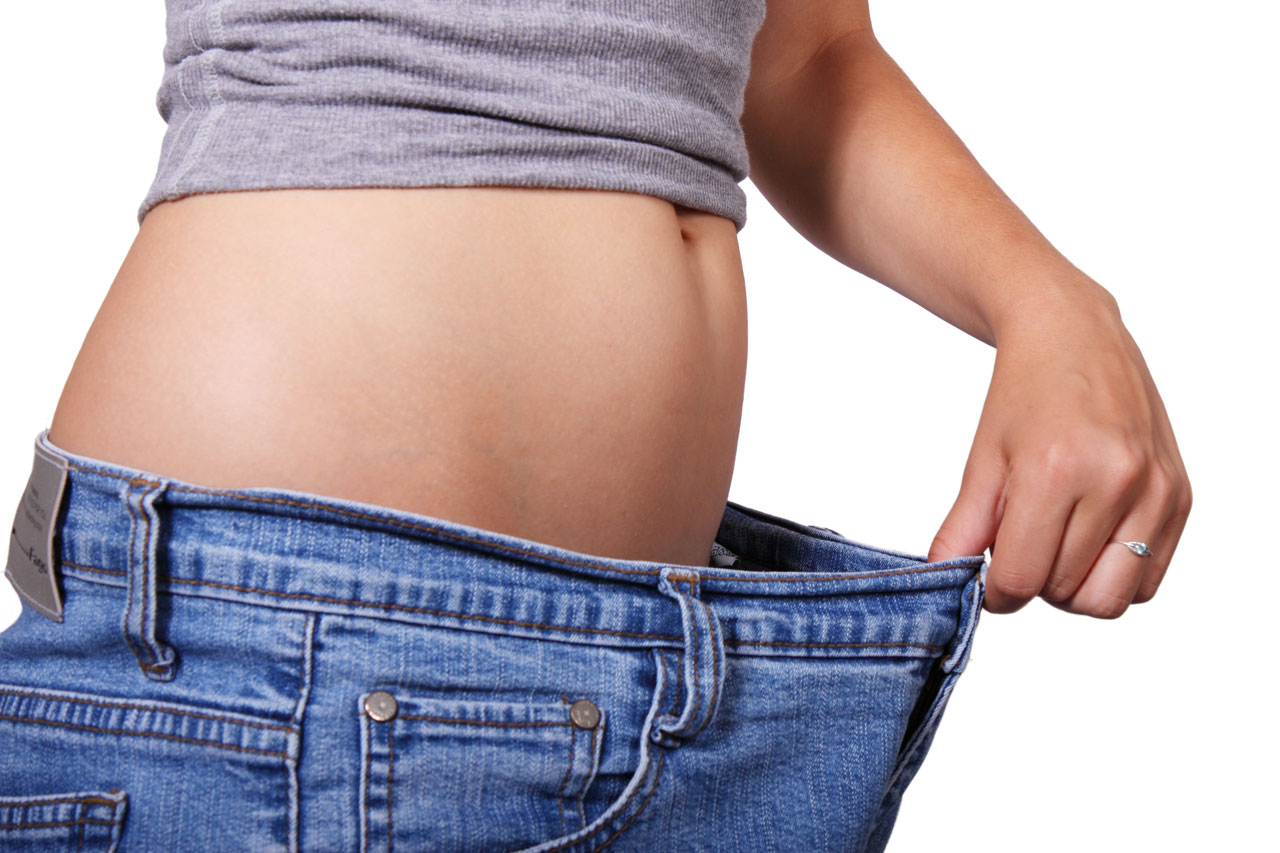
Body Mass Index and healthy weight loss

Body Mass Index

Body Mass Index and healthy weight loss though has some limitations, but it is still effective in establishing weight problems

Body Mass Index and healthy weight loss: Weight loss motivating factors

To understand the issue of weight and wellness, you first need to know your body mass index (BMI), the common measure of fatness that is at the heart of the debate. Therefore to find your BMI the following guidelines will be helpful:

  • 18.5 or less is considered underweight
  • 18.5-24.9 is considered ideal weight
  • 25-29.9 is considered overweight
  • 30 or higher is considered obese

Many doctors and researchers recommend that the BMI is a useful tool to determine whether one is overweight or obese while at the same time they conceding that it has limitations.

Body Mass Index and healthy weight loss: How much weight do you need to lose to get healthier?

If you are not genuinely overweight, there will be no need for you to lose because this may lead to you being underweight which is also not healthy. The most fundamental issue is the amount of fat in your body, and where they are built up. Muscle, for example, is quite heavy therefore in the event that you’re gaining weight because you have increased your muscle bulk; then the extra weight has no problem at all. There are two approaches which are commonly used to determine if one is overweight:

  • The body mass index (BMI) which helps to determine what you weigh in relation to your height.
  • Waist measurement: this will give you an idea of how fat is distributed in your body.

The BMI is the most common way to try to work out if people are overweight or obese. It measures the relationship between weight and height. People who have a BMI over 30 are considered to be obese. Being obese is a greater risk to health than being overweight. People who have a BMI between 25 and 30 are usually considered to be overweight. However being overweight alone does not necessarily cause health problems, but the problem comes normally when the person already has certain illnesses, such as type 2 diabetes.

The BMI scale cannot always be used in this way because, for example, a certain BMI is associated with different health risks in people from South Asia compared to people from Europe. The same is true for waist measurements. A waist measurement of 88 cm or more could put European women at a higher risk of health problems, while for European men, more than 102 cm could be a sign of increased health risks. This is also true even if their weight is within the normal range.

You can get a better idea of how fat is distributed in your body by looking at the relationship between your waist and your hips. If you have a relatively big amount of belly fat, your risk of disease is higher. A more “apple-shaped” person with a “beer belly” and narrow hips faces higher health risks than someone who does not have much fat stored around their belly. Abdominal fat increases your risk of heart disease. If your body fat is stored around your legs, hips and bottom rather than your belly, then it is less likely to be a health problem. This is often called being “pear-shaped” because you are smaller on the top and rounder lower down.

Finally, being too worried about your weight can itself become a problem and therefore reaching out for the expert opinion from AWAREmed Health and Wellness Resource Center under doctor Akoury should be your starting point.

Body Mass Index and healthy weight loss: Weight loss motivating factors

http://www.I-AM-I.com/wp-admin



Facebooktwitterpinterestlinkedin