Category Archives: AWAREmed Health and Wellness Resource Center

Heroin Addiction

Heroin Addiction-The hard facts about Heroin

Heroin

Heroin is an addictive drug and has great negative effects on human life

One of the most addictive substances in our streets today is heroin it’s appropriate to make emphasis that is an extremely addictive opioid synthesized from the opium poppy, morphine. It is currently categorized with other narcotics under the Schedules I and IV of the Single Convention on Narcotic Drugs and internationally UN estimates that there are over 50 million regular heroin users today thereby confirming its extreme addictiveness throughout the globe. Because of this addictive nature heroin addicts normally register an intense rush on the first use of the drug and after the rush the can describe the feelings of euphoria, ambition, drowsiness, relaxation and nervousness.

Nevertheless the short-term effects will come down after the initial use. There are three major ways of intake of heroin, it can be injected, smoked or snorted irrespective of the method used when used in greater units to reach the desired limit/high and users begin to develop tolerance to heroin then addiction takes place. Long-term effects of heroin include:

  • Substance addiction
  • Collapsed veins
  • Heart infection
  • Pneumonia
  • Decreased liver function
  • Systemic abscesses.

These effects can result to an opioid withdrawal syndrome can begin within 6 to 24 hours of discontinued drug use.

Heroin Addiction-Psychological symptoms

  • Anxiety
  • Depression
  • Lack of motivation
  • Decreased libido

Physical withdrawal symptoms are numerous and can be extremely dangerous.

Heroin Addiction-Physical withdrawal symptoms

  • Vomiting
  • Fever
  • Insomnia
  • Severe muscle and bone aches
  • Diarrhea

In order to minimize heroin withdrawal symptoms, some addicts look to methadone treatment. Methadone is a synthetic opioid used for moderate to severe pain management. It is also used to appease physical heroin withdrawal symptoms and its maintenance stops the rapid cycling between intoxication and withdrawal. However methadone itself can be addictive and its use for treatment can only be recommended to people who have tried to detox numerous times from heroin with little success. It is important that during methadone maintenance the patient should be under observation by a medical professional to reduce the risks of further addiction.

After a medically monitored detoxification, people who are addicted to heroin can seek treatment. A heroin addict can check into a residential treatment center specializing in substance addiction. In a rehab facility, the addict works with professional therapists and psychiatrists on the issues surrounding their addiction. Issues can include family problems and childhood difficulties. Often heroin addicts are dual diagnosed by a psychiatrist meaning that along with their substance abuse, they also have an emotional disorder.

Heroin Addiction-Emotional disorders

  • Depression
  • Obsessive-compulsive disorder
  • Eating disorders

In addition to individual therapy sessions, patients participate in group therapy. Group therapy can include topics of relapse prevention, codependency, and anger management. In these groups a heroin addict can interact with fellow addicts. They learn to share their stories and experience a common bond beyond chemical dependency.

Although there is no cure for addiction, heroin addicts learn a new freedom to live free of chemical dependency. With the help of therapists, 12-step programs, and sober fellowship, heroin users can recover from their addiction and lead happy, sober lives.

Heroin Addiction-Heroin Overdose

As with all narcotics, when an individual uses heroin, they are running the risk of overdose. A heroin overdose is simply when the user takes too much of any one, or any combination of substances into their body, causing a shutdown of normal body function. Heroin is very dangerous with many fatally overdosing from use. The lethal range of heroin is from 200 to 500 mg, but habitual users can survive doses of over 1800mg.

Yet, a very common misconception is in how easily it is to overdose on heroin. Many believe that it is very easy to overdose on heroin alone. But the fact is that an individual, who is addicted to heroin and uses habitually, is very unlikely to overdose by accident. The user generally knows and manages the amounts that are taken in. The majority of overdoses involving heroin are usually because the opiate had been mixed with either sedatives or alcohol.

When a heroin overdose is sparked by heroin alone, usually it was during a relapse, in which the addict went back to an old dose that they no longer have the tolerance to handle. The reason that a heroin overdose can be so deadly is because the overdose simply provides an over the top effect of the opiate. Heroin is a pain killer derived from morphine. Its most basic effect is that it attacks opioid receptors in the brain resulting in a flood of endorphins. But what causes heroin to be potentially deadly is its effect on the repertory system. Opiates slow breathing, and when an opiate overdose occurs, the lungs slow to an almost nonexistent rate, and sometimes stop completely. So essentially when someone dies of a heroin overdose, they suffocate under the weight of their own chest. And the user is too numb from the pain killer to recognize that they are suffocating. The basic symptoms of a heroin overdose are unconsciousness and skin turning blue from lack of oxygen

Heroin Addiction-How to kick Out Heroin Addiction

As had been mention above heroin is a semi-synthetic substance derived from the opium poppy, is powerful and extremely addictive opiate. It can be taken orally, as a suppository, intravenously, smoked, and snorted. Although different methods create different highs, heroin is invariably addicting and tolerance-building. By the time one is dependent upon or addicted to heroin, they generally have a great struggle attempting to quit by themselves.

Quitting heroin causes withdrawal symptoms, some of which seem unbearable to its user.

  • A detoxification program is often the best chance an addict has of cleansing their body.
  • In most cases, heroin withdrawal requires medical attention.
  • Trained professionals may prescribe medications lessen the pain of detoxification, as well as drugs like Naltrexone, which inhibits the opioid from binding to their receptors, preventing the user from being able to get high from heroin.
  • After detox and in order to maintain their sober body, a treatment program is recommended.
  • Residential programs are the safest environments as there are no drugs to tempt the recovering addict.
  • Professionals are available at every hour to assist patient needs.
  • There is also outpatient programs, in which people only partake in activities for a portion of the day, and are allowed to leave during the remainder.
  • Generally, in treatment programs, recovering addicts might attend group therapy sessions, individual counseling sessions, family counseling, and learn how to live life sober.

Transitional living, such as a halfway house or a sober house, is a great way to ease back into real life. Transitional livings allow recovering peers to work together, find camaraderie, and learn how to take on everyday tasks with a new attitude. All this put together with the help of a team of experts from AWAREmed Health and Wellness Resource Center under the able leadership of Doctor Akoury’s will go a long way into helping you get better and better. Doctor Akoury will focus on Neuroendocrine Restoration (NER) to reinstate normality through realization of the oneness of Spirit, Mind, and Body, Unifying the threesome into ONE

Heroin Addiction-The hard facts about Heroin


Facebooktwitterpinterestlinkedin

Athletes and Drug Abuse

Athletes and Drug Abuse-Olympic Athletes

Athletes

Athletes involvement in drugs is raising great concern in the sporting industry

The global society is experiencing a new trend of entertainment which is appreciable by their funs across the board. In a bid to achieve these athletes would go an extra mile to ensure they remain on the top and in the process indulge themselves in drug use. It is important to note that it doesn’t matter whether at high school, college, or professional athlete, drug use is a jeopardous mixture with sports. Due to the physically high demands, drug abuse puts too much at risk. Athletes push themselves and their bodies, already putting themselves at risk for injuries.

Professional athletes, especially those in the spotlight, must recognize that they are role model figures to many young upcoming athletes. But it is known that many of them do subject themselves to drugs, in many cases with performance enhancement drugs such as steroids. There are also the unfortunates that become full blown addicts to substances like crack, alcohol, and meth, destroying their careers and experiencing public humiliation. The high demands of their careers can make using drugs seem like an answer or as practical as training. The reality is that being dependent on drugs is no way of living.

Performance Drug Abuse

When addressing the topic of athletes abusing performance-enhancing drugs, statistics are inaccurate. In sports, performance-enhancing drug abuse is much like the “pink elephant” nobody dares talk about; a blind eye is turned to the issue. According to the Office of National Drug Control Policy agrees that many athletes abuse performance-enhancing drugs but were not able to establish to what extent. Athletes and drug abuse must not be tolerated. Prevention, treatment and recovery can dramatically change the abuse in the world of sports.

Commonly Abused Performance Enhancing Drugs

Anabolic Steroids and Androstenedione: A synthetic testosterone, steroids increase strength and muscle mass. When taken as prescribed these drugs can aid in an athlete’s training and injury recovery. However steroids are far too commonly abused. When taken beyond the recommended dose they risk: liver problems, tumors, and high cholesterol. The psychological impairments include dramatic mood swings of anger, violence and depression.

Stimulants: Athletes gain energy from taking stimulants such as caffeine, cocaine and methamphetamines. Stimulants can mask fatigue but is followed by a crash. Even abusing caffeine puts the athlete at great risk. Side effects of stimulants include increased heart rate that can result in a heart attack, insomnia, weight loss causing muscle deterioration, convulsions, and brain hemorrhages.

Prevention, Treatment, and Recovery of Athletes and Drug Abuse

Early in an athlete’s career, like rising stars of high school basketball and football, education and prevention of drug abuse should be highly influenced. There is something to say about the influence and responsibility that a sports prodigy has. The rise and fall of an athlete’s career can be greatly shortened by the abuse of drugs and alcohol. Prevention and abstinence should be the primary concern for these athletes. Unfortunately many athletes are already in the grips of drug abuse and addiction. Finding treatment and recovery is imperative to their health and career, as well as ending the suffering from addiction.

Performance enhancement drug use in the Olympics is not a new concept. For as long as mankind has been performing in physical competitions, athletes have been looking for ways to improve their performance. Even Ancient Olympians have used peculiar methods, hopeful to increase their strength and stamina. In 1967, the International Olympic Committee (IOC) put a ban to performance enhancement drug use. That ban may have deterred many from using, but abstinence to these substances has yet to be the case for competing Olympians.

Testing for Olympic Doping

The IOC, in attempt to control Olympic doping, has integrated testing for these substances. Upon admission to the Olympics a testing regimen is required. You would think that these athletes would sustain from using drugs? The actual amount of athletes that fail the drug test is scary. The 2010 Vancouver Olympic Games had a startling number of 30 athletes that failed the drug test, in Beijing they had 70 athletes fail. They were banned from the competitions. The World Anti-Doping Agency (WADA) annually compiles a list of substances banned.

The list of drugs that WADA prohibits includes:

  • Anabolic Agents: A lengthy list of steroids, testosterones and other chemicals
  • Hormones, Growth Factors, and Hormone Antagonists
  • Diuretics and masking Agents
  • Oxygen Transfer Enhancements
  • Physical and Chemical Manipulation
  • Stimulants
  • Narcotics
  • Cannabinoids
  • Alcohol
  • Beta Blockers

The IOC has a no tolerance policy for the athletes that fail, they are banned from competing. As the list declines of Olympians using, hope for future Olympic athletes rise. Enhancing performance by means of drugs is essentially cheating; a clean competition is a fair competition.

Expectations of an Olympic Athlete

The high demands of an Olympic competitor consequently fuel the illicit drug use. In many cases athletes are prescribed prescription medications like steroids to aid in their training and recovery. But many become depended to the substance and surpass the recommended does to improve their performance and stamina. Dependency comes easily for these unfortunates. The physical risks they subject themselves to generally do not outweigh the rewards of use. Health risks of illicit and prescription drugs affect their immune, respiratory and psychological systems. The risk of their career and the negative message that Olympic Doping has can cause a battery of collateral damage. While appreciating the pressure the athletes have to deliver result to their funs abusing drugs is not and must not be an option for whatever reason.

Olympic doping is a harmful concoction that should be prevented by all means and treated immediately. Like any other addiction problem the involvement of experts to offer treatment is very important and the choice of such professionals matters a lot. Dr. Dalal Akoury who is the Founder of AWAREmed Health and Wellness Resource Center has been administering treatment to addiction patients the world over for over two decades now and she is also offering exclusive NER Recovery Treatment to other physicians and health care professionals through training, clinical apprenticeships, webinars and seminars. Any athlete suffering from addiction at whatever level will be professionally handled in her care and walk out of AWAREmed a healthy person full of life.

Athletes and Drug Abuse-Olympic Athletes


Facebooktwitterpinterestlinkedin

Stigmatization of Addiction

Stigmatization of Addiction-Find out more

Stigma

Addiction is a disease like any other victims of addiction needs your support and care stop discrimination and stigma towards them.

I strongly believe that where you are in your neighborhood or in your family you have come across someone suffering from a given illness. Depending on the magnitude of the problem at hand special considerations will be taken to help ease the pain and suffering of the patient. This is normally a common and positive gesture that we extend to sick people. To be more specific let us take cancer as an example. It will not go unnoticed the great concern people will have if one of their friends or relative has been diagnosed with cancer. All the family members will express their sympathetic gasps of concern and be around the patient trying to find out the treatment options and the very detail information related to the significance of the diagnosis. Alongside all this special dedication to prayers, get well cards flowers will be sent to the patient all too express sympathy and concern.

Stigmatization of Addiction-Drug addiction

Addiction, just like cancer, is a fatal disease the only difference is how it has been stigmatized and this is a huge source of hindrance for many to understand it and give the victims the kind of support they may need.
Unfortunately addiction being a mental illness, garnering the support of others can be taxing and difficult. Majority do not understand mental illness to the degree that they understand and relate to illnesses based in physiological malfunctions. Mental illness does not come in a package seared with scars, a cast on a leg, or intravenous feeding tubes protruding from the victim’s wrists and to the nose. People suffering from this problem normally tends to be secretive and make all efforts to hide the true diagnosis from everyone and more so to their employers. Because emotions couple with mismanagement of a mental illness or lack of proper treatment put together necessitate that the patient be a way from the employment environment. In some cases, the need to be away may present itself with greater urgency than the individual’s physically ill appears due to the stigma surrounding addiction.

In recent years, negative ideas and connotations surrounding addiction have definitely improved, particularly since the earlier part of the century. Alcoholics are no longer sent off to psychiatric wards and mental institutions; a breadth of knowledge on the subject is readily available. Scientific and psychiatric communities alike recognize alcoholism as a legitimate disease. Treatment methods include regular attendance at 12-step meetings, forming a relationship with a higher power, reaching out to others in a support network, and staying active in one’s recovery. The biggest success stories boast stories of a renowned sense of spirituality. In terms of addiction, the plight is the same. Drug addicts recover from a debilitating addiction through spiritual means; by reaching out for help; and by being accountable to a group of individuals who have trudged the same road. However, knowledge based in the recovery process from both addiction and alcoholism is often limited to specialists in the relevant fields or family members of addicts and alcoholics only.
One of the barriers preventing afflicted individuals from seeking addiction treatment lies in the stigma surrounding addiction. Addiction stigma is directly correlated with the language frequently used to describe addiction-related topics. Addicts suffer from low self-esteem. They become withdrawn and isolate in their bedrooms anything to avoid being out in public or immersed in social situations. They want to stop, but find they cannot. Terminology that perpetuates the stigma of addiction only serves to intensify these deep-seated negative feelings. For example, the following list is inclusive of terminology that exacerbates an addict’s sense of guilt, shame, and isolation:

  • Calling an addict a “junkie” or an “abuser” doing so leaves no discrepancy between the human being and their disease; implies a lack of will power or character.
  • Drug Abuse in general, addicts abuse drugs; but using the term “abuse” can have long-term negative effects, due to the connotation of the term. It attributes the disease of addiction solely to the individual, ignoring environmental and genetic predispositions.
  • Referring to an addict’s test results as “dirty” causes the addict to feel filthy; unclean; undeserving of love and support.
  • Claiming that an addict “has a drug habit” doing so evades the medical assessment of addiction; negates the fact that addiction is characterized by a physical allergen, a mental preoccupation, and a spiritual sickness.
  • Labeling an addict a “user” leaves the addict feeling shameful, alone and a supposed drain on society’s resources; can also be misleading due to its part in describing individuals who have experimented with drugs but not necessarily suffered from a full-blown addiction.
  • Over time, we encourage the general public to conduct further research on the disease of addiction. Through increased access to addiction information, and factual awareness on the subject, individuals will learn to replace terms like “junkie” in describing an addict seeking recovery services with “a patient undergoing treatment for a substance misuse disorder”.

Stigmatization of Addiction-Media influence

The media is not doing much to help solve the problem of addiction stigmatization either. Today nearly all the different forms of media outlets are full of negativities in relation to addiction, the kind of movies, television shows etc. does not highlight the effects of addiction in a dignified way as they do to other illnesses like cancer which we looked earlier. This is one campaign that the civil society and all likeminded people should involve in to bring about the much needed change of attitude towards addiction as a disease.

Learning institutions is another avenue which can be very helpful in the fight against stigma and to recognize addiction as a serious disease of which like any other disease needs professional care and treatment. This can be done by incorporating the use of non-stigmatizing terms such as:

  • Harmful use of drugs and not “reckless use of drugs”
  • Hazardous drug use
  • Risky drug use
  • Substance free rather than “dirty” when referring to drug-free screening results
  • Replacing “user” with “person involved in risky substance used”
  • Medically monitored treatment regimen as an alternative to the term “substitution therapy” which refers to the addicts receiving counter-indicative drugs throughout the detoxification process; inaccurately describes addicts prescribed antidepressants in early sobriety
  • Instead of “drug habit” use terms such as “an individual engaged in active addiction”, or an individual suffering from “a substance misuse disorder”

In all this experiences we as a society have a duty to offer care and support to those suffering from addiction. In bid to offer the much needed care and support doctor Akoury founded AWAREmed Health and Wellness Resource Center a facility which is fully dedicated on offering solution while focusing on Neuroendocrine Restoration (NER) to reinstate normality through realization of the oneness of Spirit, Mind, and Body, Unifying the threesome into ONE. These are the kind of people we need to fight and eradicate stigma completely. If you ask me to recommend for you someone with great experience on addiction and much more I would not hesitate to recommend doctor Dalal Akoury, oh wait a minute I just did. Go for it friend and live your life to the fullest.

Stigmatization of Addiction-Find out more


Facebooktwitterpinterestlinkedin

Neurons and Neurotransmitters

Neurons and Neurotransmitters-The Brains of the Nervous System

Neurotransmitters

Neurotransmitters neuron is a specialized nerve cell that receives, processes, and transmits information to other cells in the body.

The body of a human being is presumed dead when the brain stops functioning. This is because all the functions of the body are controlled by the various segments of the brain. Majorly the nervous system is responsible for the body’s control and communication network. While discharging this function in humans, they do so in three ways and that is to say that they:

  • Senses changes both in and outside the body-the sensory function.
  • Interprets and explains the changes-the integrative function.
  • Responds to the interpretation by making muscles interact and glands secrete hormones or other chemicals into the bloodstream-the motor function.

The nervous system itself has two main parts:

The central nervous system includes the brain and spinal cord which acts as a control center.

The peripheral nervous system includes all other nerve elements. All these elements connect the brain and spinal cord to muscles and glands.

Neurons power their functions

It is important to note that the body of a human being is made up of billions of cells which are ordinarily the basic unit of all living things. This also applies to the single-celled organisms like the bacteria which can perform the basic functions needed to sustain life. These basic functions may include gathering energy from food, reproducing and producing waste materials. Looking at the cells, nearly all of them have three parts which are:

  • An outer wall also known as membrane
  • A nucleus that contains essential chemicals
  • A body of clear fluid called the cytoplasm

Plants, animals and human beings are multicellular meaning creatures with many-cells. Of these cells billions of them are specialize in certain specific functions. For example, some cells would become:

  • Part of muscle tissue and help us to move.
  • Other cells make up organs, glands, blood, veins, arteries, and bones.

Neurotransmitters cross the gaps between neurons

For it to effectively serve its three functions, the nervous systems which includes the vast circuits of delicate cells which are very much elaborately interconnected and in fact the brain, spinal cord and nerves all over the body are all made up of one kind of cell. These are the nerves cells and they are also known as neurons and as had been indicated that the brain of human beings has billions of neurons.  Now the question you need to ask yourselves is does your spinal cord and all the nerves that fan out from the spinal cord to your glands, organs, and muscles.

The specific functions of the neurons are to allow your brain to learn reason and be able to remember things. Through these activities the body responds and adjusts to changes in the environment. These changes are also called stimuli, they will set off impulses in our sense organs like: the eye, the ear and other organs of taste and smell and sensory receptors located in the skin joins, muscles and other parts of the body. Now having listened to all these it is important to note that every time you feel something including the effects of a drug, know that millions of neurons are firing messages to form one another.

Each neuron may have thousands of branches that connect it to other neurons and these branches are called dendrites or axons. Dendrites carry messages towards the cell body while axons carry messages away from the cell body to another neuron. Axons can extend as long as four feet in humans and in some animals even longer.

In the beginning it was believed that axons and dendrites simply run through the body continuously like a wire but letter on a space was discovered between each axon and dendrite. This space in known as a synaptic gap or synapse and it is the space between the axon of one neuron and the dendrite of the next neuron in a nerve pathway. This gap is negligibly small and it is about one millionth of an inch, it is that small.

Research finding originally believed that electrical impulses jumped these gaps like electricity does across the gap in spark plug but this theory has been ruled out as it is now known that this was never true. It is the chemicals which travel across the gap and not electrical impulses and these chemicals are also neurotransmitters.

A number of chemical building blocks for neurotransmitters such as amino acids come from the kinds of food we eat meaning that our bodies have the ability to manufacture or produce neurotransmitters. Neurons offer a storage package for neurotransmitters known as vesicles which are located very close to the endings of each axon. They (neurons) synthesize some neurotransmitters right in the vesicle while other neurotransmitters are synthesized in the body of the cell and transported to the vesicle. Most of the addictive substances have the ability to change the effects of neurotransmitters on neurons. We will be able to better comprehend how these substances work when we get to know about neurotransmitters and how they act as chemical messengers

Neurotransmitters meet three criteria

Neurotransmitters are molecules-groups of atoms joined by a chemical bond which act as a unit. For them to be called neurotransmitters a molecule must meet the following three criteria:

  • The molecule must be present and evenly distributed in the brain meaning that the molecules must not just concentrate in one segment but must spread out among different types of neurons and across all segments of the brain that have different functions.
  • Chemical criteria that is to say the enzymes which help in creating the neurotransmitter must be available in the brain. An enzyme is a catalyst protein which speeds up chemical reactions within the body. It is also important that these enzymes be available in areas where the neurotransmitters are found.
  • The criterion of mimicry assuming that we inject directly a neurotransmitter into a section of the brain known to contain certain neurons, this injection should be able to imitate the effects of electrically stimulating the same neurons.

Neurons and Neurotransmitters-The Brains of the Nervous System


Facebooktwitterpinterestlinkedin

Leaky Gut Syndrome

Leaky gut syndrome-Alcohol abuse and Drug addiction

Leaky gut syndrome

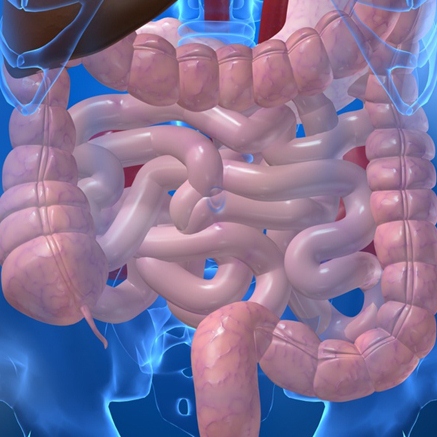
Leaky gut syndrome is term used to describe a collection of symptoms that center on damage in the lining of the large intestine.

Leaky gut syndrome is an unofficial term used to describe a collection of symptoms that center on damage in the lining of the large intestine. This damage apparently gives undigested food particles and toxins access to the bloodstream by producing minute gaps in the intestinal wall. While there is controversy regarding some of the purported effects of leaky gut syndrome, most doctors believe that unusual permeability in the large intestine can cause real health problems. People who abuse alcohol commonly experience significant changes in their intestinal function. These changes can potentially support the onset of leaky gut syndrome, or worsen its effects once it appears.

Leaky Gut Syndrome Basics

When looking at these terms medically there is great difference between syndromes and diseases. The difference is that diseases portray specific collections of symptoms with unique and distinguishable underlying causes while syndromes portrays symptoms which normally appears at the same time and have a number of potential known or unknown underlying causes. The symptoms associated with the presence of leaky gut syndrome include:

  • Diarrhea
  • Excessive flatulence
  • Unexplained fatigue
  • Unexplained fever
  • Heartburn
  • Ongoing or recurrent abdominal pain
  • Recurrent bladder infections
  • Hemorrhoids, food allergies
  • Frequent hunger
  • Joint pain
  • Muscle cramps
  • Lymph gland swelling
  • Psychological problems such as memory impairment and depression.

Normally, the bowel wall is sealed tight with the help of cell structures called desmosomes, which overlap the cells in the wall and stop them from tearing. Under certain circumstances, irritation or damage in the desmosomes can loosen their grip on the bowel wall and lead to the formation of tiny gaps that make the wall abnormally porous or permeable. The development of leaky gut syndrome begins when materials pass through these gaps and enter the bloodstream. Since these materials don’t belong in the bloodstream, immune system cells identify them as invaders and attack them. In turn, this immune response can produce increasing levels of inflammation that further damage the bowel wall, and thereby provide passage for larger molecules of undigested food and various toxins.

Leaky gut syndrome-Alcohol’s Effects

Alcohol consumption damages normal function in the intestinal tract in one of two ways:

  • The presence of alcohol appears to reduce the level of activity in key substances in the body called prostaglandins. Among their many functions, these substances help the body control the amount of inflammation that occurs at the site of any injury. Alcohol-related suppression of prostaglandins essentially allows inflammation to increase in an uncontrolled manner. While the effects of any single drinking session will produce only a temporary suppressing effect on prostaglandin levels, the type of habitual, heavy drinking commonly associated with alcohol abuse can produce ongoing prostaglandin suppression that contributes significantly to inflammation in the large intestine (and other areas of the body). In turn, this inflammation can trigger or support the development of leaky gut syndrome.
  • Heavy alcohol consumption also damages the body’s ability to pull nutrients from food and digest them in the small intestine. Ways in which this damage occurs include a reduction in the output of substances, called enzymes, required for digestion of certain types of nutrients; direct impairment of the cells in the small intestine responsible for absorbing nutrients into the bloodstream; and the creation of nutritional deficiencies that further disrupt the absorption of important nutrients. In people with preexisting cases of leaky gut syndrome, nutritional deficiencies and lack of effective nutrient processing can contribute to a worsening of the syndrome’s symptoms.

Leaky gut syndrome-More Women Affected

Women who abuse alcohol may develop more leaky gut-related problems than men. Part of this disparity stems from the fact that, compared to men, women have relatively small amounts of an enzyme called alcohol dehydrogenase, which is required for the breakdown and elimination of alcohol. This means that alcohol tends to stay in women’s bodies longer because of this deficiency. Women also have a reduced ability to effectively process alcohol during certain portions of the menstrual cycle.

Leaky gut syndrome may play a role in the onset or worsening of recognized gastrointestinal ailments such as irritable bowel syndrome, Crohn’s disease, and celiac disease, as well as a number of other ailments. Some alternative medical practitioners make unsubstantiated claims for the syndrome’s role in illnesses such as autism and multiple sclerosis. Since leaky gut syndrome is not a distinct, recognized medical disorder, physicians don’t diagnose the condition in their patients; instead, they usually consider its symptoms in a larger medical context as they work toward diagnosis of a recognized disorder.

Finally leaky gut syndrome has a way of making one’s life uncomfortable irrespective of gender. It is everyone’s desire to be healthy and be comfortable this is the reason why Dr. Dalal Akoury founded AWAREmed Health and Wellness Resource Center, is offering exclusive NER Recovery Treatment to other physicians and health care professionals through training, clinical apprenticeships, webinars and seminars.  This program is also open to any other qualified professional nonetheless individual are also not left out if you or any of your friends or colleague is suffering from any kind of addiction or you just want to get the detailed information about addiction treatment, preventions and control then this is the place to be. You will be attended to by a team of experts lead by doctor Dalal Akoury in administering treatment to your condition in a more natural way with majorly natural means to get you recovered completely and have your life back and live it to the fullest.

Leaky gut syndrome-Alcohol abuse and Drug addiction


Facebooktwitterpinterestlinkedin