Category Archives: AWAREmed Health and Wellness Resource Center

Body inflammation causes obesity

Body inflammation causes obesity-How it happens
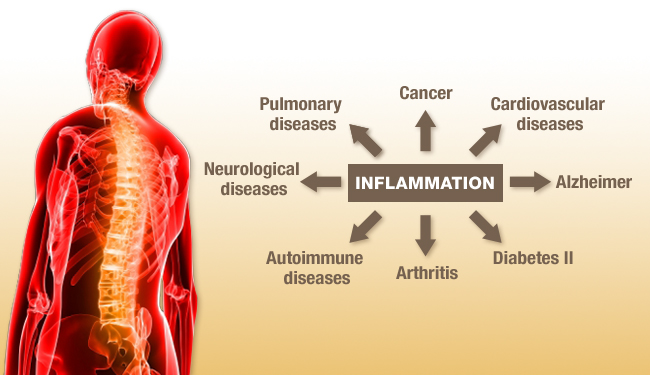
Inflammation

When inflammation becomes chronic, as is the case with obesity, chemical mediators, derived from different cellular activities, change in dynamics causing a progressive state of decline

A common theme that links many diseases and chronic illness is uncontrolled cellular inflammation. It is a factor in diseases including cardiovascular disease, diabetes, cancer, arthritis and many autoimmune-related conditions. Obesity has recently been added to this group of diseases as it is now known to present a low grade inflammatory response within many of the body’s tissues, which cause deleterious effects, often leading to the development of cardiovascular and metabolic disease. It is well known that being overweight is detrimental to one’s health, but until recently the known mechanisms were limited. Scientists over the last decade have started to unravel the mystery of why obesity leads to premature death. Although there is still much to learn, it is valuable to comprehend the known effects of chronic inflammation, as the prevalence of obesity continues to be a rising problem among the American population, particularly in children.

Inflammation and obesity-What is the meaning

Inflammation is, by design, a protective response leading to the repair of tissue. When inflammation becomes chronic, as is the case with obesity, chemical mediators, derived from different cellular activities, change in dynamics causing a progressive state of decline. Fat cells are now considered an immune organ that secretes numerous immune modulating chemicals. Visceral fat, in particular, is associated with the low grade inflammation that seems to be a contributing pathologic feature for metabolic disease through insulin resistance and the promotion of atherosclerotic build-up in circulatory vessels. When high levels of visceral fat are combined with physical inactivity, over nutrition, and advancement in age, the effect becomes more pronounced. Visceral fat is highly metabolic and contributes to cytokine hyperactivity. Adipokines secreted from fat tissue influence the metabolic process and contribute to proper function. The consequent low grade inflammation associated with obesity causes disturbance in the secretion and function of adipokines. Research has identified changes in adiponectin, leptin, and resistin that exhibit harmful effects upon the body in obese individuals. Adiponectin is an antiatherogenic agent, meaning it helps prevent the development of atheroschlerotic plaque in blood vessels and slows the progression of atherosclerosis in coronary vessels. It does this by acting directly upon the vessel wall, inhibiting adhesive molecules from contributing to plaque formation and acts as a blocking agent to the formation of foam cells. In the skeletal muscle and the liver, adiponectin serves to promote insulin sensitivity and a positive blood lipid profile. Visceral adiposity reduces adiponectin concentrations. Lowering the adiponectin concentrations lessens the cardio protective effect, leading to increased cardiovascular risk.   Leptin regulates energy metabolism and balance in conjunction with the brain’s hypothalamus. Leptin is currently being touted as having cardioprotective benfits among its others roles in metabolism Leptin concentrations adjust in response to obesity and contribute to insulin resistance. The changes in leptin concentration have also been recognized as a risk factor for coronary heart disease. Likewise increased resistin concentrations correlate with obesity related inflammation and may be associated with the initiation and progression of atherosclerotic lesions. Resistin also promotes insulin resistance, although the actual mechanism is not known. Insulin resistance due to adipokine dysfunction is further influenced by free fatty acids liberated directly into the liver from visceral fat tissue. Visceral fat releases chemicals and fatty acids into the portal system where they act on the connecting organs. The portal circulation system is a specialized network of blood vessels that connect the visceral organs to the liver.   The excess fat in portal circulation has detrimental effects on insulin action, which is worsened by sympathetic hyperactivity in response to obesity. Sympathetic hyperactivity causes heightened lypolytic action resulting in excess free fatty acids in the blood. These actions combined with beta cell hypersecretion and reduced insulin clearance resulting in hyperinsulemia, lead to early stage diabetes.

Inflammation-Interleukin-6

Interleukin-6 (IL-6) is possibly another factor associated with inflammatory detriment within the portal system. High levels of IL-6 are a marker for inflammation and vascular pathology. Obese subjects demonstrated a 50% greater portal vein IL-6 concentration, demonstrating, again, the profound effect visceral fat has on pathogenic indicators. Portal vein IL-6 correlates with systemic C-reactive protein concentrations. C-reactive protein is associated with cardio- and peripheral vascular disease. C-reactive protein and oxidative stress are now presumed to interact in the early inflammatory processes of atherosclerosis. This is significant for young obese individuals. Although more research is necessary for conclusive association, C-reactive protein may be a new risk factor for CAD in individuals under 25 years of age.

Inflammation-imbalances

inflammation

If your immune system and its ability to quell inflammation in your body are impaired, watch out. You are headed toward illness and premature …

The imbalance between increased inflammatory stimuli with a concurrent reduction in anti-inflammatory activity may be the foundation for the accelerated endothelial dysfunction and insulin resistance associated with obesity and the comorbid disorders of metabolic disease.   More research is needed to clearly delineate the particular relationships, but it seems evident that the low grade inflammation caused by obesity and visceral adiposity lead to the premature development of disease. This, more so than ever before, identifies the importance of weight management during the developmental years and ongoing efforts to control weight throughout one’s lifespan.   For individuals that are currently obese, there is still plenty of hope. Weight loss is related to reduction of oxidative stress and inflammation, and these beneficial effects likely translate into reduction of cardiovascular risk in obese individuals.   Likewise, exercise and dietary management, along with pharmacologic intervention can lead to atherosclerotic reversal in the earlier stages of CAD. Individuals with central adiposity, poor blood lipid profiles, hypertension, and/or insulin resistance should seek immediate professional assistance to prevent further health detriment.   The recent inclusion of obesity among chronic diseases makes Dr. Akoury of AWAREmed Health and Wellness Resource Center very resourceful for you. She will help you achieve optimal weight loss, the Dr. focus on Neuroendocrine Restoration (NER) to reinstate normality through realization of the oneness of Spirit, Mind, and Body, Unifying the threesome into ONE. What an opportunity, try and relieve yourself of this problem for good.

Body inflammation causes obesity-How it happens
Facebooktwitterpinterestlinkedin

TOXINS AND NEUROTOXICITY PATHOGENESIS OF OBESITY


TOXINS AND NEUROTOXICITY PATHOGENESIS OF OBESITY-EXPOSED

UNDERLYING MECHANISMS

Toxins

Toxins can alter the hormonal regulation of weight, a process that involves insulin, leptin, thyroid, cortisol, adiponectin, resistin, sex hormones, and gut hormones

The influence of toxins on metabolism occurs through 5 key

  • Mechanisms
  • Hormonal regulation,
  • Neuro-regulatory mechanisms,
  • Immune-regulatory mechanisms,
  • Mitochondrial function, and
  • Oxidative stress.

Toxins can alter the hormonal regulation of weight, a process that involves insulin, leptin, thyroid, cortisol, adiponectin, resistin, sex hormones, and gut hormones, including ghrelin, peptide (PYY), and cholecystokinin (CCK).   Toxins alter thyroid hormone metabolism and receptor function leading to lowered metabolic rate. Important Neuro-regulatory mechanisms affected by toxins include hypothalamic satiety modulation through effects on peripheral and central inhibitors and stimulators of appetite, including leptin, cortisol, melanocyte stimulating hormone (MSH), and neuropeptide (NPY). Stress induced autonomic dysfunction it also alters appetite and weight-control mechanisms.   Toxins can influence weight through toxin mediated increases in inflammatory cytokines (TNF-α, IL-6) on the peroxisome proliferator activated receptor (PPAR) family of nuclear receptors promoting insulin resistance, and on themelanocortin receptor (MCR) system altering central appetite regulation.   Counter regulatory signals triggered by inflammation such as suppressors of cytokine signaling (SOCS) induce leptin resistance. Toxins alter mitochondrial energetics by damaging enzymes involved in fatty acid oxidation and thermogenesis. Oxidative stress influences weight via NFκ B-mediated mechanisms of gene transcription that control insulin resistance and inflammation. Other mechanisms may include direct effects of toxins on hepatic control of lipid and glucose metabolism, and on inflammatory cytokines  

WEIGHT REGULATION AND TOXINS -WHERE DO TOXINS COME FROM?

Exposure to toxins comes from two main sources: the environment (external toxins) and the gut (breakdown products of our metabolism, or internal toxins). Both can overload endogenous detoxification mechanisms.    External Toxins The Dangers from without the external toxins include chemical toxins and heavy metals. The heavy metals that cause the most ill health are lead, mercury, cadmium, arsenic, nickel, and aluminum.   Chemical toxins include volatile organic compounds (VOCs), solvents (cleaning materials, formaldehyde, toluene, and benzene), medications, alcohol, pesticides, herbicides, and food additives.   Infections (hepatitis C virus) and mold toxins (sick building syndrome) are other common sources of toxins. Our modern refined diet can be considered toxic because it places an extra burden on detoxification systems through excessive consumption of sugar, high fructose corn syrup (the two most important causes of elevated liver function tests),trans fatty acids, alcohol, caffeine, aspartame, foods made with genetically modified organisms (GMOs), and the various plastics, pathogens, hormones, and antibiotics found in our food supply. Internal Toxins: Danger from Within Internal toxins include microbial compounds (from bacteria, yeast, or other organisms), and the breakdown products of normal protein metabolism.   Bacteria and yeast in the gut produce waste products, metabolic by-products and cellular debris that can interfere with many body functions and lead to increased inflammation and oxidative stress. These include endotoxins, toxic amines, toxic derivatives of bile, and various carcinogenic substances such as putrescence and cadaverine. Lastly, by-products of normal protein metabolism, including urea and ammonia, require detoxification

WEIGHT REGULATION AND TOXINS-Detoxification Enzyme Polymorphisms and Obesity

The effect of toxins on an individual is determined, in part, by the polymorphisms of phase I and phase II detoxification enzymes. Highly prevalent single nucleotide polymorphisms (SNPs) of glutathione transferase enzymes predispose to increased toxic loads.   Detoxification of heavy metals is an important task for the body. It depends on specific proteins and enzymes that bind the metals and transport them out of the cells. In one recent study, mice bred without the protein (metallothionein) that is necessary for heavy metal detoxification gained more weight over their lifetime than mice that could eliminate the metals. They were more sensitive to the effects of toxic metals and oxidative stress.   Toxins Impair Central Appetite Regulation Toxins have many effects. Besides directly lowering thyroid hormone levels, metabolic rate, and fat burning (fatty acid oxidation), they can damage the mechanisms by which hormonal and Neuro-regulatory signals control our appetite and behavior. These signals are finely choreographed and sensitive to environmental inputs.   To briefly review, the hypothalamic appetite-control system is centered in the acute nucleus. It receives peripheral feedback from leptin, insulin, PYY, and adiponectin. Central inhibition of food intake is regulated by pro-opiomelanocortin (POMC) and cocaine-and amphetamine regulated transcript (CART). Central stimulation of intake is modulated by Neuropeptide Y and agouti related peptide (AgRP).   The melanocortin system and its receptors, MC3R and MC4R, play a crucial role in appetite control. Specifically, MSH binds to MCR, suppresses appetite, stimulates the thyroid axis, and increases energy expenditure, brown fat temperature, and sympathetic activity. It is inhibited by TNF. Other downstream control sites also exist in the related areas of the brain. Reward centers also play a role and are targets for new drug research including the end cannabinoid and serotonin receptors. Leptin resistance is found in obesity.   Leptin’s inhibitory effect on appetite is impaired by toxins, leading to leptin resistance and increased hunger. Hyperleptinemia increases mitochondrial reactive oxygen species monocyte chemo attractant protein-1 (ROS MCP-1). Leptin induces inflammation in a feed-forward cycle. Toxins may inhibit satiety effects of leptin, leading to increasing hyperleptinemia. Researchers treated rats with a neurotoxin that damaged another.

WEIGHT REGULATION AND TOXINS-What Are the Benefits of Detoxing Your Body?

Toxins

Toxins can influence weight through toxin mediated increases in inflammatory cytokines (TNF-α, IL-6) on the peroxisome proliferator activated receptor (PPAR) family of nuclear receptors promoting insulin resistance

Detoxification is the process of removing toxins from the body. The process to detoxify your body involves many different elements such as herbal detoxification regimens, change of diet and vitamin supplements. It is one of the best ways to rid your body of toxins, which can slow it down and make it unhealthy. The process of detoxification requires some discipline. Physical Benefits The most noticeable benefits from detoxification are the physical ones. Since the toxins store up in major organs, detoxification will help these areas the most. The organs which are affected, such as the liver and stomach, will begin to work more effectively. After the detox is completed, you may feel “lighter” and have more energy. Also, since a detox is used to clear away free radicals, your body’s immune system will be stronger and you will have a lower risk of getting cancer. Finally, a detoxification regimen will clear your blood, helping it circulate better.   Mental Benefits Toxins and free radicals that accumulate in the body can also affect brain functions. Before a detox, you may have trouble sleeping, chronic fatigue, and trouble with your concentration. Once you work through this process, many of these issues will gradually disappear. You will be able to sleep better and concentrate more. Lifestyle Changes A benefit which most people don’t think of can be the change to your lifestyle. As you progress through the body detox, you will begin to feel better physically and mentally. This feeling can be addictive and lead to changing your lifestyle to cut out bad elements which give your body those toxins. Quitting smoking, eating better, and getting more exercise are all actions which help protect the body. After a detox is a perfect time to begin these actions.

TOXINS AND NEUROTOXICITY PATHOGENESIS OF OBESITY-EXPOSED

Facebooktwitterpinterestlinkedin

Neurotransmitters dysfunction and obesity

Neurotransmitters dysfunction

Neurotransmitters are the naturally occurring chemicals inside your body that transmit messages between nerve cells. In the brain alone there are 183 different neurotransmitters. Two major neurotransmitters are…..

Neurotransmitters

Neurotransmitters are naturally occurring chemicals that “transmit” electrical messages between nerve cells, called “neurons” hence the name neurotransmitters. They are produced in the body by amino acids with the help of vitamins and minerals. We get these amino acids, vitamins and minerals from the food we eat. However, if we are not getting enough of these or in an imbalanced ratio a deficiency occurs and over time can lead to the development of diseases and illnesses associated with low levels of neurotransmitters.

What diseases are associated with neurotransmitter dysfunction?

According to Neuro-Research a list of diseases or illnesses are caused by or associated with neurotransmitter dysfunction. Neurotransmitter dysfunction leads to obesity and the diseases resulting from obesity, as well as other diseases not associated with obesity. Causes of neurotransmitter dysfunction There are four known primary causes of neurotransmitter dysfunction. 1: Nutritional Deficiency 2: Prescription drugs 3: Damage to the neurons of the brain 4: Excess excretion of neurotransmitters by the kidneys

 Neurotransmitter dysfunction -Why is lab testing only used after starting amino acid therapy?

This is a common question. We are used to a medical community that runs tests first and then treats based on the test. However with neurotransmitters, hyper excretion is a common problem. Hyper excretion results when the kidneys are excreting excessive amounts of neurotransmitters so that the urinary values don’t match up with the systemic values. Once treatment starts with amino acids this problem doesn’t seem to occur. Therefore testing is NOT performed prior to supplementation with amino acids.

Neurotransmitter dysfunction -How many supplements are involved in treatment and what is each doing?

There are two different programs available for treatment. The first specifically treats neurotransmitter dysfunction resulting in the “conditions related to obesity and neurotransmitter deficiency” listed right. The second program treats neurotransmitter dysfunction as well as weight loss by incorporating an appetite suppressant in the formula. This will assist in controlling your appetite, however, calorie restriction is still necessary to accomplish long-term weight loss. This second program can also be used to treat symptoms associated with Parkinsonism. If only one neurotransmitter system is not functioning properly, why do I have to take supplements that affect both systems? The reason is simple, according to Neuro-Research’s extensive research, they have found that 5% of patients have only serotonin dysfunction, 5% of patients have only catecholamine dysfunction and 90% of patients are a mixture of both. Both systems must be functioning properly for the entire system to be healthy and free of neurotransmitter disease. After you have started the program we will monitor your symptoms and lab test results and adjust the supplements accordingly. So in the end you may take more of one supplement than another to achieve an appropriate “balance”. More about the Neurotransmitter Support Supplements available! Proteins, minerals, vitamins, carbohydrates, and fats are the essential nutrients that make up your body. Proteins are the essential components of muscle tissue, organs, blood, enzymes, antibodies, and neurotransmitters in the brain. Your brain needs the proper nutrients every day in order to manufacture proper levels of the neurotransmitters that regulate your mood. Neurotransmitter Effects:

  1. Control the appetite center of the brain.
  2. Stimulates Corticotrophin Releasing Factor, Adrenocorticotropic Hormone, & Cortisol.
  3. Regulate male and female sex hormone.
  4. Regulates sleep.
  5. Modulate mood and thought processes.
  6. Controls ability to focus, concentrate, and remember things.
  7. The Mind Body Connection.
  8. The chemistry of our bodies can alter, and be altered by our every thought and feeling. Our bodies and our minds are truly interconnected; the health of one depends on the health of the other.

There are many biochemical neurotransmitter imbalances that result in mental health symptoms such as:

  1. Adrenal dysfunction
  2. Blood sugar imbalance
  3. Food and Chemical allergy
  4. Heavy Metal Toxicity
  5. Hormone imbalance
  6. Nutritional Deficiency
  7. Serotonin/Dopamine/Noradrenalin imbalance
  8. Stimulant and drug intoxication
  9. Under or overactive thyroid

  Neurotransmitter Imbalances Disrupted communication between the brain and the body can have serious effects to one’s health both physically and mentally. Depression, anxiety and other mood disorders are thought to be directly related to imbalances with neurotransmitters. The four major neurotransmitters that regulate mood are Serotonin, Dopamine, GABA and Norepinephrine.

Neurotransmitter dysfunction -The Inhibitory System

Neurotransmitters dysfunction

Neurotransmitter system dysfunction may contribute to the borderline personality disorder traits of impulsive aggression and affective instability

This is the brains braking system, it prevents the signal from continuing. The inhibitory system slows things down. Serotonin and GABA are examples of inhibitory neurotransmitters. GABA (Gamma amino butyric acid) GABA is the major inhibitory neurotransmitter in the central nervous system. It helps the neurons recover after transmission, reduces anxiety and stress. It regulates norepinephrine, adrenaline, dopamine, and serotonin; it is a significant mood modulator. Serotonin imbalance This is one of the most common contributors to mood problems. Some feel it is a virtual epidemic in the United States. Serotonin is key to our feelings of happiness and very important for our emotions because it helps defend against both anxiety and depression. You may have a shortage of serotonin if you have a sad depressed mood, anxiety, panic attacks, low energy, migraines, sleeping problems, obsession or compulsions, feel tense and irritable, crave sweets, and have a reduced interest in sex. Additionally, your hormones and Estrogen levels can affect serotonin levels and this may explain why some women have pre-menstrual and menopausal mood problems. Moreover, daily stress can greatly reduce your serotonin supplies. The Excitatory Neurotransmitter System This can be related to your car’s accelerator. It allows the signal to go. When the excitatory neurotransmitter system is in drive your system gets all raved up for action. Without a functioning inhibitory system to put on the brakes, things (like your mood) can get out of control. Among other things, the following should be in place to restore neurotransmitters in attempt to achieve weight loss.   Epinephrine It’s also known as adrenaline is a neurotransmitter and hormone essential to metabolism. It regulates attention, mental focus, arousal, and cognition. It also inhibits insulin excretion and raises the amounts of fatty acids in the blood. Epinephrine is made from norepinephrine and is released from the adrenal glands. Low levels have been can result in fatigue, lack of focus, and difficulty losing weight. High levels have been linked to sleep problems, anxiety and ADHD.   Dopamine It’s responsible for motivation, interest, and drive. It is associated with positive stress states such as being in love, exercising, listening to music, and sex. When we don’t have enough of it we don’t feel alive, we have difficulty initiating or completing tasks, poor concentration, no energy, and lack of motivation. Dopamine also is involved in muscle control and function. Low Dopamine levels can drive us to use drugs (self-medicate), alcohol, smoke cigarettes, gamble, and/or overeat. High dopamine has been observed in patients with poor GI function, autism, mood swings, psychosis, and children with attention disorders. Glutamate It’s the major excitatory neurotransmitter in the brain. It is required for learning and memory. Low levels can lead to tiredness and poor brain activity. Increased levels of glutamate can cause death to the neurons (nerve cells) in the brain. Dysfunction in glutamate levels are involved in many neurodegenerative diseases such as Alzheimer’s disease, Parkinson’s, Huntington’s, and Tourette’s. High levels also contribute to Depression, OCD, and Autism. Neurotransmitter Levels Neurotransmitter levels can now be determined by a simple and convenient urine test collected at home. Knowing your neurotransmitter levels can help you correct a problem today or prevent problems from occurring in the future.

Neurotransmitters dysfunction and obesity-Exposition


Enhanced by Zemanta
Facebooktwitterpinterestlinkedin

Sleep deprivation causes weight gain and obesity

Sleep deprivation can be avoided

Sleep deprivation is the condition of not having enough sleep it can be either chronic or acute


Sleep deprivation causes weight gain and obesity-Find out

Sleep deprivation is the condition of not having enough sleep it can be either chronic or acute

Think about it: If you’re feeling sleepy at work, you may be tempted to reach for a cup of coffee or may be more and a doughnut for a quick shot of energy. Later you may skip the gym and pick up take away on your way home to your family no time to cook. When you finally find yourself back in your bed, you are too wound up to sleep.

Sleep deprivation-Recommended Related Disorders

Narcolepsy Resources

Left untreated, narcolepsy may be devastating both psychologically and socially. However, with proper management and treatment, people with narcolepsy usually lead meaningful and productive personal and professional lives. If you are diagnosed with narcolepsy, consider joining a support group.

By becoming a member of a support group, you’ll get emotional support from people who are having similar problems. This will alleviate isolation and the feeling that you are the only one with this condition. The exchange of ideas with people of the same situation will go a long way in helping you make corrections and evaluate progress.

It’s important to note that it’s is a vicious cycle, and eventually this sleep deprivation can sabotage your waistline and your health.

It starts out innocently enough. “When you have sleep deprivation and are running on low energy, you automatically go for a bag of potato chips or other comfort foods according to experts. The immediate result you may be able to fight off sleepiness. However the ultimate result would be unwanted weight gain as poor food choices coupled with lack of exercise set the stage for obesity and further sleep loss.

Experts say sleep debt is like credit card debt. If you keep accumulating credit card debt, you will pay high interest rates or your account will be shut down until you pay it all off. If you accumulate too much sleep debt, your body will crash.

Not getting enough sleep is common and we talked about it with pride. We brag about an all-night out not knowing that we do pay a price for staying up late and getting up early,” says Mark Mahowald, MD, director of the Minnesota Regional Sleep Disorders Center in Hennepin County.

Sleep deprivation-Understanding the Sleep Diet Connection

The sleep-diet connection is regular fodder for diet books and magazine articles. Maybe you have even heard about the sleep diet, which suggests you can lose weight while you catch your ZZZs. And it’s true, sort of.

“It’s not so much that if you sleep, you will lose weight, but if you are sleep-deprived, meaning that you are not getting enough minutes of sleep or good quality sleep, your metabolism will not function properly,” explains Michael Breus, PhD, author of Beauty Sleep and the clinical director of the sleep division for Arrowhead Health in Glendale, Ariz.

On average, we need about 7.5 hours of quality sleep per night, he says. “If you are getting this already, another half hour will not help you lose 10 pounds, but if you are a five-hour sleeper and start to sleep for seven hours a night, you will start dropping weight.”

Exactly how lack of sleep affects our ability to lose weight has a lot to do with our nightly hormones, explains Breus.

The two most important hormones in this process are ghrelin and leptin. “Ghrelin is the ‘go’ hormone that tells you when to eat, and when you are sleep-deprived, you have more ghrelin,” Breus says. “Leptin is the hormone that tells you to stop eating, and when you are sleep deprived, you have less leptin.”

More ghrelin plus less leptin equals weight gain.

“You are eating more, plus your metabolism is slower when you are sleep-deprived,” Breus says.

The Sleep Deprivation-Weight Loss Solution

So what can you do about sleep deprivation?

A lot, says Breus. First, look at how much you sleep vs. how well you sleep. “Some people such as new moms may only get to sleep for a four-hour stretch. And there are some people who get 7.5 hours of sleep that is poor quality because of pain or an underlying sleep disorder, and this has the same effect  as if they got less sleep,” he says.

Trouble-shoot both with improved sleep hygiene, he says.

Sleep deprivation information including symptoms and causes

Not sleeping enough and not sleeping well is not OK. As a matter of fact, there is quite a price to pay. It may surprise you to learn that chronic sleep deprivation

For starters, avoid any caffeine in the afternoon because it will keep you in the lighter stages of sleep which are associated with poor sleep at night. Breus recommends only decaf from 2 p.m. on. Exercise also helps improve sleep quality.  How soon before bed should you exercise? It depends everyone is different. It’s more important that you exercise than it is when you exercise.  Breus says to be safe, don’t exercise right before going to bed. “But some people exercise better before bed and it doesn’t affect their sleep,” he says.

Watch what you eat before bedtime. “Pizza and beer before bedtime is not a good idea,” says Breus. “Neither is eating a big meal close to bedtime.” He suggests eating a few healthy snacks and then having a light meal like a bowl of cereal if you’re running close to bedtime. Heavy, rich meals before bed can also increase risk of heartburn, which will certainly keep you up all night.

What if you are getting enough hours of sleep but wake up and feel sleepy the next day? “Talk to your doctor about seeing a sleep specialist,” Breus says. After conducting a thorough evaluation and sleep study, in which you are monitored while sleeping, the sleep specialist can help identify any underlying problem. Together you can develop a treatment plan so that you get more high-quality sleep — and maybe even slim down.

Sleep deprivation causes weight gain and obesity-Find out


Enhanced by Zemanta
Facebooktwitterpinterestlinkedin

Female hormones and weight loss

Female hormones and weight loss-what you need to know

Female hormones and obesity

Female hormones and their sites

A quick observation at a male versus a female body tells you right away something is different. While we can certainly recognize the obvious, we ignore these differences when we talk about diet and exercise for fat loss. The standard health and fitness advice of eat less and exercise more often does not work once people get out of their twenties and into their thirties, forties and beyond, and women are especially impacted.

So what are the difference between men and women, what determines where women store fat, and what can women do to address the fitness and fat loss issues that are unique to them?

The differences between men and women:

Women usually have smaller waists and more fat storage on the hips, thighs, and breasts. Estrogen and progesterone have much to do with this.

Estrogen is largely responsible for greater fat storage around the hips and thighs while both estrogen and progesterone impact larger breasts.

Because wom en experience monthly hormone fluctuations through the menstrual cycle, they know from experience that hormones impact how they feel, function, and look. They seem to intuitively get the fact that hormones play a role in determining whether they store fat or burn fat and where on the body it is lost or gained. To understand why women are so different, you have to understand their hormones.

Brief review of the menstrual cycle.

No discussion of female fat loss can take place without understanding the normal female menstrual cycle. The first day of bleeding for a woman represents day one of the menstrual cycle.

The menstrual cycle can then be divided into two phases, the follicular phase (named for the maturing of the ovarian follicle) and the luteal phase (named for the corpeus luteum which ovarian follicles become after ovulation). Ovulation, the release of an egg from the ovaries separates these two parts of the cycle.

The follicular phase is associated with higher estrogen levels compared to progesterone, while the luteal phase is the reverse. The relative ratios of these two hormones can have an impact on female related fat loss and health.

Estrogen and progesterone balance

A key fat loss measure in women is the estrogen and progesterone balance and how those hormones interact with other hormones like cortisol or insulin. Bigger hips and thighs on a women suggest greater estrogen levels relative to progesterone. The reverse of that, larger breasts and smaller hips and thighs, MAY indicate the opposite balance of these hormones.

The menstrual cycle is another key indicator of hormone balance. Since the time just before menses is usually a progesterone dominant time, PMS is a strong indication there is a progesterone deficiency relative to estrogen.

A woman can have higher than normal progesterone levels but still have a relative deficiency if estrogen levels are much higher in comparison. Many women with low progesterone relative to estrogen will report feeling like a completely different person before ovulation (the first two weeks of cycle) vs. after ovulation (last two weeks of cycle), where they feel much worse. This ill feeling usually manifests as depression, breast tenderness, moodiness, fatigue, lack of motivation, bloating, and other complaints.

Female fat distributions

Progesterone & estrogen both play a role in keeping the waist of women smaller. This is because estrogen works against the action of insulin (and testosterone a belly fat storing hormone in women) while both estrogen and progesterone oppose the action of cortisol.  Insulin and cortisol, together with testosterone and low estrogen, are implicated in belly fat deposition in women.

Estrogen is the biggest factor in increasing fat storage at the hips and thighs providing the hour-glass shape. Progesterone with estrogen halts the storage of fat around the waist, but stress can have more of a negative impact on progesterone’s action. High stress has been shown to negatively impact progesterone, so women who see fat accumulating around the waist may want to work to reduce stress and raise progesterone.

Estrogen is a little different. Estrogen works to increase fat storage by up-regulating what is known as alpha-adrenergic receptors in female fat depots around the hips and thighs. Adrenergic receptors are like the gas and brake peddles on your car and work to accelerate or decrease fat usage. Beta-adrenergic receptors increase fat burning while alpha adrenergic receptors block it. The hips and thighs of a woman have higher amounts of alpha adrenergic receptors compared to men. This is also the major reason it is so difficult for some women to lose fat from the hips and thighs.

It is interesting to note here that one of the best ways to decrease the action of these alpha receptors is by using a low carb diet. This is why many women find fantastic results when they switch from the standard high carb diets and adopt more low carb eating patterns.

Many women have plenty of fat to spare in the hips and thighs but instead of burning it, they will become smaller in the torso and breast first and remain bigger on the bottom. This is a very frustrating scenario for many. Estrogen increases alpha-adrenergic receptor numbers while progesterone decreases it. Progesterone, like testosterone in men, MAY increase beta-adrenergic receptors. In this way, estrogen and progesterone work to influence the ability to burn fat and determine from which areas it will be taken from. This is an issue of hormone balance not calories.


Female hormone changes: age, lifestyle, and the environment

Female hormones and weight loss

Female hormones have a great contribution to loosing weight

Women are often duped into believing the low calorie diet and aerobic exercise myth. This approach to weight loss rarely works and often creates damage to their body as a consequence. As a woman ages, as a consequence of stress, or because of environmental estrogen mimicking compounds several things begin to occur. The ovaries decrease their production of estrogen and progesterone. This exacerbates estrogen and progesterone balance, further pushing the body more towards estrogen dominance.

There are also many estrogen mimickers in our food and environment. At the same time, fat cells continue to produce estrogen through an enzyme called aromatase present in fat cells. This also leads the estrogen/progesterone balance to shift more towards estrogen. At the same time slimming and muscle building hormones, like human growth hormone (HGH) and DHEA, decline. Together this creates the perfect storm for female related fat gain and most of it occurs in the mid-section.

DHEA, HGH and progesterone are all hormones that act to keep a woman lean and block the storage of fat in the middle of her body. The tricky part is that a low calorie diet and a focus on aerobic exercise makes this worse because they do nothing to restore these powerful hormones and may actually worsen the estrogen progesterone imbalance in the long run.

Solutions to the problem:

Women should be focused on eating more of the right things and exercising smarter. This means eating higher amounts of vegetables and “estrogen free protein as well as engaging in weight training over cardio. There are only three ways to reliably restore HGH in the body: sleep, adequate protein, and intense exercise using weights.

Weight training is perhaps the most important aspect of this and is critical for female health especially to stop the belly fat that accumulates during aging. HGH is to women what testosterone is to men. It keeps them looking young, lean, and firm. Once progesterone levels fall due to stress, menopause, or other factors, HGH is all that is left to keep belly fat in check

Women falsely believe less intense exercise like walking and yoga will give them the desired “look” of their younger years. While these activities are exceedingly healthy, they will not be adequate to generate the hormonal effect needed to raise HGH. However, they will work synergistically with more intense exercise to lower the negative impact of cortisol.

Female hormones and weight loss-what you need to know

Enhanced by Zemanta
Facebooktwitterpinterestlinkedin