Category Archives: Adult Stem Cells

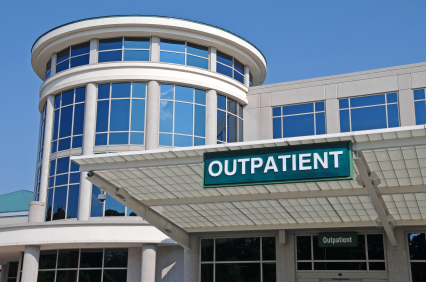
Hospital Outpatient Entrance Sign

Hormones power in human beings daily lifestyle

Hormones power in human beings daily lifestyle: What you need to know about hormones

Understanding hormones power

With a better understanding hormones power, when kept at youthful levels all the time, we will age slowly and gracefully

The human body is kept and maintained by hormones power. These are chemicals which help keep the proper functionalities of the body normally and optimally in all areas including keeping your bones healthy, perfection in sexual health, focus and sharp brains. In fact hormones are actually involved in nearly all the biological functions besides what we have already mention others may include growth and metabolism, aging, weight management and even matters relating to immune functions. Therefore hormones power and especially the estrogen is very critical in the body since it goes beyond alleviating the common symptoms like hot flashes and night sweats. Besides all these the hormones power also can affect your brain, your cognitive ability and mental acuity or sharpness, short term memory as well as mood.

Doctor Dalal Akoury notes that even though these hormones play such critical roles in the body, there could be some problems here and there and especially when women become premenopausal or menopausal causing their ovaries either to decrease or stop producing sufficient units of the hormones estrogen, progesterone and testosterone. When this happens and more with estrogen, there will be some profound effects on memory and mood, ability to keep proper management of your body weight as well as your overall sense of well-being. It is therefore very important that at any given time the hormones needs to be well balanced for then to discharge their functions well.

Hormones power in human beings daily lifestyle: The role estrogen play

The change in estrogen levels that occur, even as early as premenopause, causes a disruption in chemicals in our brain called neurotransmitters. These neurotransmitters including Seratonin, Dopamine and Gaba are all reduced when estrogen levels decline. Besides they are also essential for maintaining mood, energy levels, sexual function decreasing stress, and improving upon sleep. Estrogen’s effect on mood is due to its ability to decreased seratonin levels and endorphins when levels are low. When estrogen levels are balanced, under normal hormonal states that we achieve through our program, women experience a dramatic improvement in mood. Estrogen actually protects nerves in your brain and encourages the formation of new communications between nerves. Many women we see have developed symptoms of depression, anxiety, and mood swings due to fluctuating or declining estrogen levels. The good news is, there is hope and treatment is available. If you are experiencing any of the symptoms mentioned above or below, I strongly urge you to have your hormone levels checked for deficiencies. Once I have your blood work and take a detailed history, we can initiate our program that naturally and effectively alleviates symptoms due to both hormone and brain chemistry imbalance.

Symptoms of estrogen deficiency

  • Depression or Mood Swings
  • Dry Scaling Skin
  • Foggy Thinking
  • Headaches
  • Hot Flashes
  • Increased number of Fine Lines in Skin
  • Loss of Libido
  • Low Energy
  • Night Sweats
  • Short Term Memory Loss
  • Sleep Problems
  • Urine Leakage
  • Vaginal Dryness
  • Weight Gain

Progesterone

Progesterone, like estrogen, has a multitude of effects throughout the body. Many of the effects of progesterone can be attributed to its ability to oppose or counter-balance the action of estrogen. Multiple physical and psychological problems at midlife are often caused by an imbalance between progesterone and estrogen, rather than a specific deficiency. Similar to estrogen’s affects’ on the brain, the brain is also highly responsive to progesterone. Insomnia, anxiety, and migraines are just a few of the conditions linked to an imbalance of progesterone. Whereas estrogen has an excitatory effect on the brain, progesterone’s effect is calming. Our goal is to establish the optimum natural hormone balance of both estrogen and progesterone. It is possible and can be tailored to meet your individual needs at the lowest dose needed. Imbalance between Progesterone and Estrogen Symptoms:

  • Irregular sleep patterns
  • Blood sugar level imbalance
  • Breast tissue overgrowth
  • Cyclical migraines
  • Depression and anxiety
  • Low libido.
  • Thyroid hormone dysfunction
  • Uterine lining excess tissue buildup

Testosterone

Testosterone is a hormone that is not only vital to men, but also women. Testosterone is an important sex hormone in women that not only regulates sex drive (libido), but also helps regulate bone mass, fat distribution, muscle mass and strength as well as energy levels. Like men women produce testosterone, albeit in smaller amounts, in their bodies as well. When levels are low, women experience not only loss of libido, but also weight gain and low energy and depression.

Symptoms of low testosterone:

  • Abdominal fat also known as pot belly
  • Deterioration in memory and cognitive skills
  • Decreased muscle mass and strength
  • Reduced sex drive (poor libido)
  • Fatigue where individual gets tired quite easily
  • Poor concentrate
  • Increased depression
  • Loss of body hair
  • Psychological symptoms including swinging mood, depression, anxiety, lack of vitality and sleep problems.
  • Sagging Skin

Hormones power in human beings daily lifestyle: Achieving hormone balance

Finally by now we should be familiar with the symptoms of hormones power imbalance that occur during premenopause and menopause. The list is endless but they may include changes in mood, irritability and increased mood swings, hot flashes, anxiety, not to mention aging and sagging of the skin and changes in sexual function and response. You could use a non-invasive lab test to help you know your hormone levels more so if you are experiencing any of the three symptoms we have already discussed. From the testing you will able to know what natural, alternative, or medical therapies you should in cooperate to correct the imbalance and disruption in your body’s hormone regulation. Like for instance patients with hormone imbalance visiting AWAREmed Health and Wellness Resource Center under the able leadership of doctor Dalal Akoury, she will use bio-identical natural hormones combined with specific dietary changes, anti-oxidants and nutritional supplements. This is one of the safest approaches that effectively address the symptoms of decreased hormone levels as well as nutrition, weight loss and inflammation associated with aging. I want to give you an assurance that if this is your problem, then you need to schedule for an appointment with us today and once you begin we begin administering treatment, you will certainly be delighted with the improvement in Appetite Control and weight loss, heightened libido, mood stabilization, improvement in your skin, and increased energy.

Hormones power in human beings daily lifestyle: What you need to know about hormones


Facebooktwitterpinterestlinkedin
Beautiful Face of Young Woman with Clean Fresh Skin close up iso

Stem cell facelift magic of natural beauty today

Stem cell facelift the magic of natural beauty today: When you want your skin rejuvenated

Stem cell facelift

Stem cell facelift the magic of natural beauty today. It have very minimal or no side effects making it the most desirable option for many

The cost of finding beauty is running people mad across the globe. People would do all it takes to look beautiful and youthful. And because of this a lot of new ways of keeping beauty are being discovered to meet the ever increasing demands of rush for beauty. To that effect we want to impact in you positively on how you can keep looking younger and beautiful in the most natural way without having to compromise your skin texture with chemicals. Technology is offering solutions to the problem of beauty and therefore we want to focus our discussion on this article on one of the newest discovery known as stem cell facelift. And to get the best out this we spoke to the experts from AWAREmed Health and Wellness Resource Center under the able leadership of doctor Dalal Akoury who is also the MD, President and founder of the facility. Having been in practice for well over two decades, doctor Akoury is an expert in several discipline including beauty, weight management and addiction. She is sharing with us about the new technology (stem cell facelift) of keeping beauty.

Doctor Akoury says that stem cells are a unique type of cells that can be found naturally in the body of a human body. These cells can develop into different other types of tissues under the right circumstances and because of their versatile properties, the stem cell skin care industry has tapped in this opportunity and have been working round the clock to find ways to use these cells in more skin care treatments. One treatment is an alternative to surgery, and is referred to as a stem cell facelift. This treatment is a non-surgical anti-aging procedure that uses cells from your body to treat specific areas of the face. During this procedure, stem cells extracted from another part of your body are injected into problem areas on the face to tighten skin and reduce the appearance of wrinkles and fine lines. The good news about this is that in comparison to the surgical facelift methods, the stem cell facelift does not involve any major surgical incisions and does not involve the lifting or suturing of facial skin. It is an advanced form of the traditional fat grafting techniques, with more emphasis on the stem cells than on the fat or adipose.

How is it done?

Under normal circumstances the stem cell facelift treatment will begin with the administration of a local anesthesia to the patient. And depending on your doctor’s assessment a general anesthesia may be used during a stem cell facelift. The area from which the cells are to be harvested, usually the thighs, abdomen, flanks or hips, is disinfected using an antibacterial soap to decrease the chance of infection. Since the fat is to be removed by liposuction, an incision is made at the donor site and a tumescent fluid is injected into the area. A small cannula is then used to extract the fat containing the stem cells. These cells are then isolated and mixed with a small amount of fat to be used in the injection. Growth factors, embedded with micro-hyaluronic acid beads are added to this mixture of stem cells and enriched fat.

Tiny incisions of about 2-3mm will also be made on the face of the patient, within the natural lines and creases. The fat is then injected in small amounts into three facial layers. This prevents clumping and helps the injected fat spread more evenly. The layered injection process of the stem cell facelift is different from traditional fat grafting, where only one layer is injected with fat. The first layer is in the mid face, near the bones. The second injection layer will be directed at the facial muscles while the third layer goes just beneath the skin surface. The stem cell facelift is completed with a chemical resurfacing of the skin. This is done to remove fine lines as well as to stimulate the stem cells present underneath.

Stem cell facelift magic of natural beauty today: Where can it be used?

Age causes a loss of tissue volume and a stem cell facelift can be a viable option for improving the appearance of aging skin. Areas where this can be useful are the hollows under the eyes, jawline, temples, cheek, laugh lines, lips, chin and nasolabial folds. People often wonder how long this special beauty magic will last, and according to the experts from AWAREmed Health and Wellness Resource Center, this can last even up to ten years depending on the patient keeps to the regular care as prescribed by the physician.

Are there any side effects associated with Stem Cell Facelifts?

This is one of the questions that will always find its way back time and again. And to respond to that it is one process that is almost free from any side effects primarily because the fat acquired during a stem cell facelift is from the patient’s own body. It therefore means that compatibility is guaranteed. Experts have proven that there is less chances of any serious side effects or tissue rejection. However there may be some minimal bruising and swelling due to the small size of the incisions which is relatively little scarring. And most patients often regain their normalcy within a very short time of less than ten day of the facelift.

Finally remember that contrary to the belief of some people that the newly injected stem cells can produce collagen, it is still a subject of discussion and it is yet to be proven in humans. Therefore if you are looking for beauty and you are wondering where to start from, look no further. Having read this article, you are very close to finding your destiny if only you can schedule for an appointment with doctor Dalal Akoury today.

http://regenerativepotential.com/integrativeaddictionconference/


Facebooktwitterpinterestlinkedin
callto-action

Pre transplant test result in Stem cell transplant

Pre transplant test and procedures leading to Stem cell transplant: How to get ready

Pre transplant test

Pre transplant test and procedures leading to Stem cell transplant are just steps leading to your perfect health you deserve only if it is done professionally

From our previous article, we discussed about the stem cell transplant and the benefits attached to it and we now want to further the discussion by focusing on the pre transplant test and procedures leading to stem cell transplant. Experts from AWAREmed Health and Wellness Resource Center under the able leadership of doctor Dalal Akoury are going to be very instrumental in helping us put all the facts around the pre transplant test into perspective. From experience doctor Akoury says that any person planning to undergo through stem cell transplant will have to undertake certain tests and procedures to ensure that their health and status are perfect for the process to begin. Besides, the individual must be physically prepared to go through the transplant. It is also important to note that this may not be a one stop evaluation as it may take a couple of days before it is proven beyond doubt that the patient is ready for the transplant. In addition to that a surgeon or radiologist will implant a long thin tube (intravenous catheter) into a large vein in your chest or neck. The catheter, often called a central line, usually remains in place for the duration of your treatment. Your transplant team will use the central line to infuse the transplanted stem cells and other medications and blood products into your body.

Pre transplant test and procedures leading to Stem cell transplant: Collecting stem cells for transplant

When the patient is now ready, depending on the situation an autologous stem cell transplant can be planned and if this is the case then the patient will undergo a procedure called apheresis primarily to collect blood stem cells. But before apheresis, the patient will first receive daily injections of growth factor to increase stem cell production and also to move stem cells into the blood circulation so that they can be collected. Doctor Akoury says that it is during apheresis, that blood is drawn from a vein and circulated through a machine. The function of the machine is to separates the blood into different parts, including stem cells. These stem cells are then collected and frozen for future use in the transplant with the remaining blood being returned to the patient’s body.

On the other hand in the event that an allogeneic stem cell transplant is planned, the patient will have to find a donor who will donate the stem cell for the transplant. This process is often called a stem cell harvest or bone marrow harvest. The donor’s stem cells will be drawn from their bone marrow or their blood. It is only at this point that your transplant will team make a decision on what is better for you based on your prevailing situation.

Pre transplant test and procedures leading to Stem cell transplant: The conditioning process

Before the commencement of the transplant, one must go through the pre-transplant tests and procedures and after all that is done the next step is known as conditioning. During this process of conditioning, the patient will be taken through mild chemotherapy and possibly radiation primarily to:

  • Destroy any cancer cells particularly if you are being treated for a malignancy
  • Suppress your immune system
  • Prepare your bone marrow for the new stem cells

The process of conditioning will differ from patient to patient depending on a number of factors, including your disease, overall health and the type of transplant planned. You may have both chemotherapy and radiation or just one of these treatments as part of your conditioning treatment. And like any other treatment the process of conditioning is bound to be some side effects including the following:

  • Organ complications, such as heart, liver or lung failure
  • Bleeding
  • Infertility or sterility
  • Nausea and vomiting
  • Infection
  • Anemia
  • Fatigue
  • Cataracts
  • Diarrhea
  • Hair loss
  • Mouth sores or ulcers

Because these side effects could cause discomfort to your health, doctor Akoury advices that you could to take some medications or other measures to reduce them (side effects).

Reduced-intensity conditioning

Based on your age and health history, it may be better for you to receive lower doses or different types of chemotherapy or radiation for your conditioning treatment. This is called reduced-intensity conditioning. Reduced-intensity conditioning kills some cancer cells and somewhat suppresses your immune system. Then, the donor’s cells are infused into your body. Donor cells replace cells in your bone marrow over time. Immune factors in the donor cells may then fight your cancer cells.

Pre transplant test and procedures leading to Stem cell transplant: What to expect

After conditioning, the stem cell transplant can take place. On the day of your transplant, called day zero, you are given the stem cells through your central line using a process known as infusion. The transplant infusion is painless. You are awake during the procedure. The transplanted stem cells make their way to your bone marrow, where they begin creating new blood cells. It can take a few weeks for new blood cells to be produced and for your blood counts to begin recovering.

Bone marrow or blood stem cells that have been frozen and thawed contain a preservative called dimethyl sulfoxide (DMSO) that protects the cells. Just before the transplant, you may receive medications to reduce the side effects the preservative may cause. You’ll also likely be given IV fluids (hydration) before and after your transplant to help rid your body of the preservative. Side effects of DMSO may include: nausea, fever, diarrhea, chills, hives and red urine. Remember it is not necessarily that everyone will experience side effects from the preservative some may not experience anything while for some people those side effects are minimal.

Pre transplant test and procedures leading to Stem cell transplant: After your stem cell transplant

Finally when the new stem cells enter the body, they will move down to your bone marrow and within a short time, they multiply and begin to make new, healthy blood cells through a process known as engraftment. And even though the new cells will be forming up it will take some time may be several weeks before the number of blood cells in your body starts to return to normal. This may differ with people as the case may thereby taking a little longer with some people. Nonetheless as a way of ensuring safety several days or weeks after the stem cell transplant is done, the patient will some tests to monitor their condition. During this period you may need to take some medications to help you manage any complications like nausea and diarrhea. Remember that after this is done you will need to be under close medical observation just to ensure that any arising complication is addressed in good time.

http://regenerativepotential.com/integrativeaddictionconference/


Facebooktwitterpinterestlinkedin
Hospital Outpatient Entrance Sign

Stem cell transplant and the benefits attached

Stem cell transplant and the benefits attached to it: Psychological preparedness for stem cell transplant

Stem cell transplant

Whether you are a direct or indirect victim, doctor Dalal Akoury will help you professionally through Stem cell transplant so that you can enjoy the full benefit

In the line of medication you will most likely come across this procedure known as stem cell transplant. Whether you are a direct victim or not, knowing what happens with this procedure and even other medications are very important. So many complications could be avoided if people took their time to seek for information about their health and also to take remedial action in good time should something go wrong. For the better part of this discussion we are going to seek professional opinions from experts from AWAREmed Health and Wellness Resource Center headed by doctor Dalal Akoury. Stem cell transplant is also known as a bone marrow transplant which is a clinical procedure that infuses healthy cells known as stem cells into the body primarily to replace any warn out or diseased bone marrow. A bone marrow transplant may also be used to treat certain types of cancer. The primary role of a bone marrow is to produce healthy stem cells. In the event that this function is not done properly, experts will recommend a bone marrow transplant so that healthy production of stem cells can be done effectively. Even as this is done, it is important to note that the bone marrow transplant may use cells from your own body also known as autologous transplant or from a donor which is also referred to us as allogeneic transplant. Now having known what stem cells are our next point of concern would be; why do we need healthy stem cells?

Stem cell transplant and the benefits attached to it: Why it’s done

From the introduction we have just learn that a bone marrow transplant helps in the facilitation of production of healthy stem cells. This is not the only role it plays, there are other functions that it plays thereby help you in many ways including:

  • Ensuring safety by allowing treatment of patients conditions with high doses of chemotherapy or radiation
  • Replacing diseased or damaged marrow with new stem cells
  • Providing new stem cells, which can help kill cancer cells directly

Besides the aforementioned benefits doctor Akoury registers that stem cell transplants can be beneficial to individuals with a variety of both malignant (cancerous) and nonmalignant (noncancerous) diseases, some of which may include the following:

  • Acute leukemia
  • Bone marrow failure syndromes
  • Chronic leukemia
  • Plasma cell disorders
  • POEMS syndrome
  • Adrenoleukodystrophy
  • Aplastic anemia
  • Hemoglobinopathies
  • Hodgkin’s lymphoma
  • Myelodysplastic syndromes
  • Immune deficiencies
  • Non-Hodgkin’s lymphoma
  • Primary amyloidosis
  • Inborn errors of metabolism
  • Multiple myeloma

Stem cell transplant and the benefits attached to it: Risks involve

A lot of professionalism is very vital when opting for stem cell transplant because there are a lot of risks involved. It is therefore necessary that you seek professional counseling before you go through this process. Speaking to the experts from AWAREmed Health and Wellness Resource Center, doctor Dalal Akoury is confirming that some of the risks posed by stem cell transplant may be very risky coming with lots of complications which could be very fatal and life threatening. These risks can be attached to various factors including:

  • The type of disease or condition
  • The type of transplant and
  • The age and health of the person

People respond to treatment differently and experts are saying that even though some people experience few problems with a transplant, it may not be so with other people who are likely to develop complications that may require treatment or hospitalization. Some of these complications could even be life-threatening. Therefore the following are some of the complications that can arise with a stem cell transplant include:

  • Graft-versus-host disease which comes with allogeneic transplant only
  • Stem cell (graft) failure
  • Organ damage
  • Infections
  • Cataracts
  • Infertility
  • New cancers
  • Death

Some of these conditions are not easy to understand and you will need to consult with your doctor for further explanations concerning all possible risk of complications from a stem cell transplant. During that session of consultation, you can professionally be guided into making the right decision depending on the risks and benefits attached.

Graft-versus-host disease (GVHD): A potential risk when stem cells come from donors

If you receive a transplant that uses stem cells from a donor (allogeneic stem cell transplant), you may be at risk of graft-versus-host disease (GVHD). This disease happens when the donor stem cells that make up your new immune system see your body’s tissues and organs as something foreign and attack them.

Even though GVHD can occur at any time after successful transplant, doctor Akoury says that it is more common after the marrows have started to make healthy cells. Many people who have an allogeneic stem cell transplant get GVHD at some point. It is important to note that the risk of GVHD is greater with unrelated donors, even though it can happen to anyone who gets a stem cell transplant from a donor.

There are two kinds of GVHD: acute and chronic. Acute GVHD usually happens earlier, during the first months after your transplant. It typically affects your skin, digestive tract or liver. Chronic GVHD typically develops later and can affect many organs. The following are some of the GVHD signs and symptoms to be concern about:

  • Yellow tint to your skin or the whites of your eyes (jaundice)
  • Dry mouth
  • Joint or muscle pain
  • Rash
  • Diarrhea
  • Nausea
  • Persistent cough
  • Mouth sores
  • Abdominal pain
  • Vomiting
  • Shortness of breath
  • Skin changes, including scarring under the skin
  • Vision changes, such as dry eyes

Finally as experts from AWAREmed Health and Wellness Resource Center under the able leadership of our MD and President doctor Dalal Akoury we shall have not done you justice if don’t let you know of this year’s integrative addiction conference coming up in June at Austin Texas. This years’ conference workshop adopts partnership and dialog among integrative Medical experts in a nurturing, empowering, motivating, cozy atmosphere. You can reach us at 6505 Interstate Highway-35 North Austin, TX 78752 we are also available on
Telephone number: 512-454-3737 Fax: 512-419-0102 for more information about this great conference.

http://regenerativepotential.com/integrativeaddictionconference/


Facebooktwitterpinterestlinkedin
AWAREmed Nurse Practitioner alleviates your Pain

Individual hormones description in male and female

Individual hormones description in male and female: The three common hormones

Individual hormones

Did you know that individual hormones like estrogen for example is normally production in specific areas like in the ovaries, the follicle around the ovum? If there is any problem, you can always seek for help.

There are several individual hormones in the body performing different functions in the body. we have since understood that hormones are body’s messengers responsible for the effective coordination of all vital repair, recovery and regeneration in the body and without them we cease to live a productive life, meaning that in their absence we simply degenerate. With that knowledge we want to zero in to discussing the individual hormones and particularly the three common ones which may include: estrogen, progesterone and testosterone as follows:

Individual hormones description in male and female: Estrogen

looking at the life of our female gender, the production of estrogen normally takes place in specific areas like in the ovaries, the follicle around the ovum, the adrenal glands, and the fat cells. And even as this production place, it is important to note that as age catches with us the effectiveness of ovaries in the production of estrogen deteriorates and stop producing estrogen on a regular basis, turning the main source for the production of estrogen the adrenal glands located above the kidneys. Any unused testosterone is also transformed into needed estrogen, and even estrogen stored in fat cells is called to action as the ovarian production of estrogen diminishes. Estrogen and progesterone are designed to balance each other, to keep each other in check. Therefore and because of that it is nearly impossible to separate their actions, but for the sake of simplicity; Estrogen makes everything grow, it causes cells to proliferate while progesterone checks this growth, holding cell growth to a limit. The following are some of the positive effects of its action are that it:

  • Causes the uterus lining grow to in readiness for pregnancy.
  • Facilitate the grown of breast tissues in preparation for making milk
  • Prevents bone destruction by bone-destroying cells (osteoclasts)
  • Protects from hypertension by relaxing the lining of blood vessels
  • Stimulates the production of lipoprotein lipase, an enzyme which breaks down fat. The result is low cholesterol levels and good balance between good (HDL) cholesterol and bad (LDL) cholesterol
  • Lowers insulin levels
  • Stimulates body fat accumulation to help the fetus grow
  • Induces relaxation of blood vessels in the circulation in general and heart in particular
  • Causes the ovum to mature inside the ovary to prepare for ovulation
  • Creates the follicle where the egg matures
  • Promotes the growth of the fetus
  • Keeps the vagina, the vulva and the cervix well developed and moisturized
  • Promotes growth of underarm and pubic hair, and pigmentation of the nipples

The negative effects of the growth induced by estrogen unopposed (acting alone), without the balancing effects of progesterone are:

  • Increased risk of gallbladder disease
  • Increased incidence of blood clot formation
  • Increased accumulation of body fat, this is why livestock growers use this hormone
  • Increased water and salt retention
  • Interference with normal insulin release and blood sugar control
  • Increased risk of overgrowth of endometrium (lining of the uterus)
  • Increased risk of overgrowth of breast tissue, and could be a reason for breast cancer
  • Increased risk of depression
  • Increased risk of headaches
  • Increased risk of gallbladder disease
  • Increased incidence of blood clot formation

Individual hormones description in male and female: Progesterone

Progesterone is the parent or precursor of estrogen in the ovaries and the parent to cortisol and aldosterone in the adrenal glands. The adrenal glands manufacture progesterone from its precursor cholesterol. Progesterone is the precursor of testosterone, all androgens, and other adrenal hormones, making it extremely important for reasons far beyond its role as sex hormone, without it we could not cope with stress and our body fluid and kidney control would cease to function. Progesterone functions:

  • Protect the endometrium
  • Insure the optimal function of uterus
  • Prevent water retention
  • Help use fat for energy at the cellular level
  • Serve as a natural anti-depressant
  • Create a calming effect on the body
  • Help eliminate sleep disorders
  • Help keep insulin release in check and maintain even blood sugar levels
  • Prevent unmediated overgrowth of the endometrium/cancer
  • Prevent unmediated breast tissue overgrowth/cancer
  • Maintain sex drive
  • Maintain normal blood clotting parameters
  • Protect against fibrocystic breasts

Progesterone’s negatives are few and easily balanced by estrogen:

  • A sedating effect, if used in excess
  • Increased spotting and changes in bleeding patterns
  • Bloating if used in excess
  • Gastrointestinal discomfort
  • Acne, if used in excess
  • Hyperpigmentation of facial skin when exposed to sunlight

Testosterone

The most important role of testosterone is to provide male characteristics. Although this may appear straight forward, testosterone functions are of significance to women as well. The following are some of the areas where testosterone helps in:

  • Promoting muscle strength and exercise endurance
  • Improving libido
  • Increasing energy levels
  • Improving sense of well-being
  • Increases body hair production
  • Produce enlargement of the clitoris
  • Improve sexual desire and fantasy
  • Improve bone density

Besides the benefits, it also have some demerits or negative effects of testosterone which cones due to overproduction or intake through either testosterone supplementation in pharmaceutical formulations or unsupervised androgen consumption. The side-effects are similar to those of estrogen dominance, since testosterone transforms into estrogen when it is overabundant. The side-effects include:

  • Male pattern baldness
  • Increased facial hair
  • More aggressive behavior
  • Higher cholesterol levels
  • Too much clitoral enlargement

Finally in the past this was not regarded as anything good, nonetheless things are changing and now we are beginning to appreciate the importance of testosterone in men and women while the balance of estrogen and progesterone is highly dependent on a cycle. And as we come to the end of this discussion, we want to help you take the summery of the whole journey we took form the beginning as we started the discussion. And now if you or any of your loved one is struggling with this are you are wondering on what to do. You can therefore schedule for an appointment with doctor Dalal Akoury for further direction.

http://regenerativepotential.com/integrativeaddictionconference/


Facebooktwitterpinterestlinkedin