Category Archives: Adult Stem Cells

Opioid-Abuse

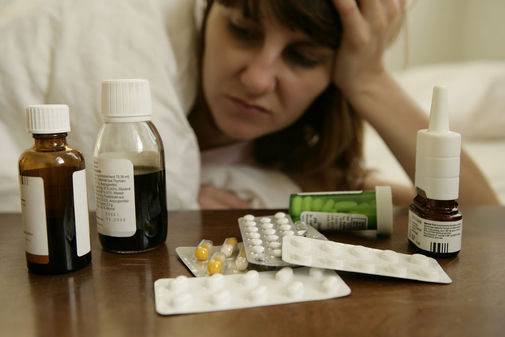
Psycho education components in addiction treatment
Psycho education

Psycho education also referred to as psycho educational instruction is a process of imparting knowledge about diseases, therapies

Psycho education components in addiction treatment

Psycho education also referred to as psycho educational instruction is a process of imparting knowledge about diseases, therapies, medications, communication styles, and related issues through participative lecture. This is very interesting and actually in line with the decision doctor Akoury made years ago. In her desire to help more effectively, doctor Akoury established a health facility (AWAREmed Health and Wellness Resource Center) whose main objective is to transform each individual’s life through increasing awareness about health and wellness and by empowering individuals to find their own inner healing power. This has been one of the leading facility in dealing with all addiction health related complications. Besides the formation of this facility, it will further interest you to appreciate that doctor Akoury’s practice focuses on personalized medicine through healthy lifestyle choices that deal with primary prevention and underlying causes instead of patching up symptoms. This is therefore the place to be for all your addiction problems. You may therefore want to start your journey of recovery by calling us on telephone number 843 213 1480 and we will certainly make a difference in your life and that of your family.

Teaching of patients and their loved ones

Simply put, the psycho educational component of residential treatment at AWAREmed Health and Wellness Resource Center under the able leadership of doctor Dalal Akoury, MD, this actually involves teaching patients and including family members about the nature of the issues and disorders with which they or their loved one is struggling with. And by the way, have you ever heard the common phrase that knowledge is power?

At AWAREmed Health and Wellness Resource Center, we have a deep appreciation for the power of education. In the broader sense, a commitment to lifelong learning is key to continued growth and development and in the specific case of residential treatment, education is a means of gaining a greater understanding of oneself and one’s challenges and regaining control over one’s life.

Psycho education is consistent with the disease model of addiction and addiction treatment. For example, a patient with diabetes may need insulin to stay alive but that patient also needs to understand the nature of his/her disease in order to effectively manage the disease and live a healthy life. The same is true of all patients no matter you location so long as you are struggling with addiction, a mood disorder, an eating disorder, or a behavior compulsion.

Psycho educational experiences

The following are examples of common psycho educational experiences during residential treatment:

  • Education is Empowerment
  • Learning about the disease model of education which leads to understanding that addiction is not a “moral failure” or a “lack of character,” but rather health real condition that requires professional treatment.
  • Learning about the nature of relapse and how to recognize potential triggers that can lead to relapse.
  • Learning about the ways that addiction and related disorders impact and are impacted by family and other loved ones.

Finally it may interest you to appreciate that, psycho education exists in conjunction with all treatment programs. Educated patients are empowered patients and empowered patients are best prepared for a successful pursuit of long-term recovery.

Psycho education components in addiction treatment

http://www.I-AM-I.com/wp-admin


Facebooktwitterpinterestlinkedin
stem cell tissues

Stem Cell Therapy versus Traditional Medicine

Organic regeneration and stem cell tissues in traditional medicine

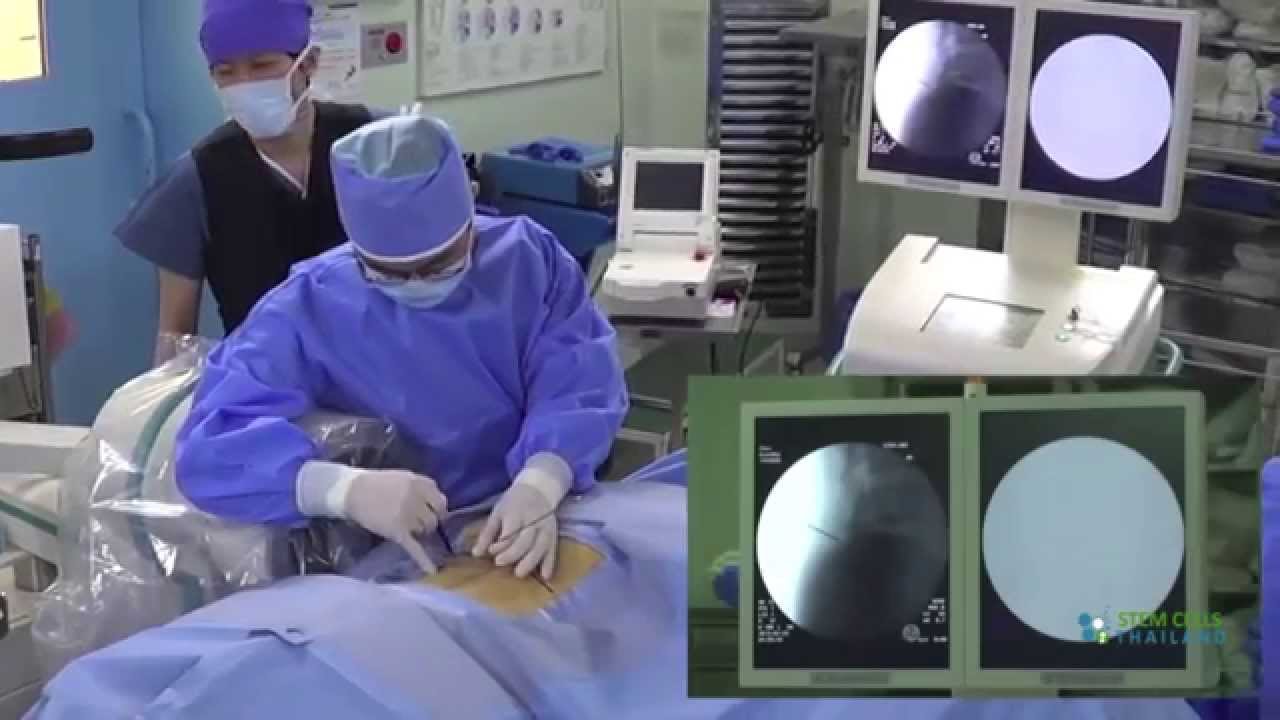
Studies have shown that stem cells can be harvested directly from the adipose tissue to regenerate diseased organs. According to traditional medicine, this practice is abnormal. It means that the human body can heal itself. According to Tibetan traditional medicine, these mechanism is based on energy meridian which is coordinated by the brain’s primordial energy.

Human brain controls each and every psychological process in the body, and this includes differentiation and specialisation of stem cells to regenerate and heal tissues of the affected organ.

The energy barriers are removed if the acupoints located along the meridians are stimulated. This action also sends signals to the brain informing it about the presence of a dysfunctional in the organ. The brain will then analyse the information submitted through energy impulse and then orders the repair system to harvest the required number of stem cells from your body.

This system will then specialise the stem cells as required and send them to the dysfunctional organ. Once they reach the sick body, they begin the regeneration process as well as the elimination of non-functioning cells.

This aspect is vital just because, whenever the organ gets an injury, the body reacts to send genetic information to the stem cells. So, it is important that the stem cells targeted are distinguished with proper genetic information.

stem cell tissues

Tissue regeneration process takes place throughout the body. Several acupoints that coordinate several body functions are stimulated by an acupuncture period. This enables removal of cell residues as well as toxins from the organs restoring their structures.

There are several applications of this stem cell procedure that includes aesthetic as well as medical. But the result depends on the capacity with which your body regenerates. For example, the rate at which an organ is cured depends on the functionality of the tissue involved.

Benefits of stem cell therapy in traditional medicine

This remedy is applicable for both adults, kids as well as pregnant women. Use of stem cell therapy in traditional medicine treatment comes with several benefits that include.

  1. It brings the cell activity to equilibrium and works well to detoxify the organic environment. Studies have shown that the cells obtained from the body of a sick person function best in an artificially made natural surroundings that are clean. When inserted in the body of a sick person, the processes of the cells decrease invariably.
  2. Regeneration and revitalization of the organs, blood as well as skin. The procedure applies to all sorts of chronic illnesses that includes anaemia, leukaemia, cancer, Benin tumours, diabetes mellitus, prostate adenoma, pituitary adenoma, hepatitis, fibroma, bone marrow diseases and more.
  3. It strengthens your osseous system and tones your muscles: This treatment work for muscular dystrophy and paralysis, backbone diseases and more.
  4. It also reduces the effects of ageing as well as prevention of particular illnesses such as osteoporosis and many others.

After a few findings on the limits involved in this therapy, it has been realised that stem cell therapy is applicable for both modern medicines as well as traditional medicine.


Call us today if you need help with these topics and more on 8432131480


Facebooktwitterpinterestlinkedin
Hangover IV Solution

Mindfulness the solution for stress

Mindfulness

Mindfulness the solution for stress. This will actually saves you fromfurther addiction to other substances

Mindfulness the solution for stress: Anxiety and Depression

The human brain is design in a way that certain actions are automated and we are therefore able to execute them without really thinking or planning for them. Take for example when you are driving, we have a tendency of auto piloting most of the driving assignments where tasks are often completed automatically without really giving them any thought. Like for instance do normally think about changing gears and steering, or are you mentally planning such activities the day ahead? These are perfect examples of mindlessness something many of us can relate to. And so in this article, and with the help of doctor Dalal Akoury MD, and founder of AWAREmed Health and Wellness Resource Center, we want to concentrate on “mindfulness” which has been considered as a solution to stress.

What is mindfulness?

Mindfulness aims to reconnect us with ourselves to alleviate stress. It also helps us to feel more attuned with our emotions and generally more aware of ourselves both mentally and physically. Going by the experts finding in various studies, it has been established that depression and anxiety are leading in mental health complications globally. And with the kind of life demands today where people are too busy making ends meet while multitasking and juggling commitments this actually does not surprise says doctor Akoury.

Mindfulness can therefore be defined as a specific way of paying attention to what is happening in our lives in the present moment exactly and as naked as it truly is. It must be noted that mindfulness may not eliminate life’s pressures but with practice it will certainly help us take notice of negative, habitual reactions to everyday stress.

Meditation

The most common way this technique is practiced is through mindfulness meditation. This usually involves practitioners focusing on sights, sounds and physical sensations while trying to reduce ‘brain chatter’. Some people struggle with mindfulness meditation at first, finding it hard to focus their attention, but this is to be expected and may require practice. Practicing the technique regularly can help people take a step back, acknowledge their ‘brain chatter’ and view it accurately and without judgment.

Other forms of mindfulness practice may involve physical movement. Exercises such as yoga and Tai Chi both involve meditative movements that can help improve physical self-awareness and quiet the mind.

While these types of mindfulness practices are useful for everyone, those with mental health concerns such as anxiety and depression may benefit from a more structured therapy that incorporates mindfulness, such as mindfulness-based stress reduction or mindfulness-based cognitive therapy.

Mindfulness-based stress reduction (MBSR)

In small doses, stress helps us rise to challenges and pushes us to act. In the long-term however, too much stress can be detrimental to our well-being as these feelings begin to internalize and impacts on us negatively. Symptoms of stress include loss of appetite, insomnia, anger, anxiety and even chest pains. Research has shown that people who are under prolonged stress are at a greater risk of developing health problems such as high blood pressure and heart attacks. The good thing about mindfulness is that it enabled people to cope with stress. This is good for all of us but then again seeking for professional help from doctor Dalal Akoury will be very necessary if this problem if to be effectively kicked out of our lives.

Mindfulness the solution for stress: Anxiety and Depression

http://www.I-AM-I.com/wp-admin

Facebooktwitterpinterestlinkedin
stem cell therapy

Stem Cell Therapy: Frequently Asked Questions

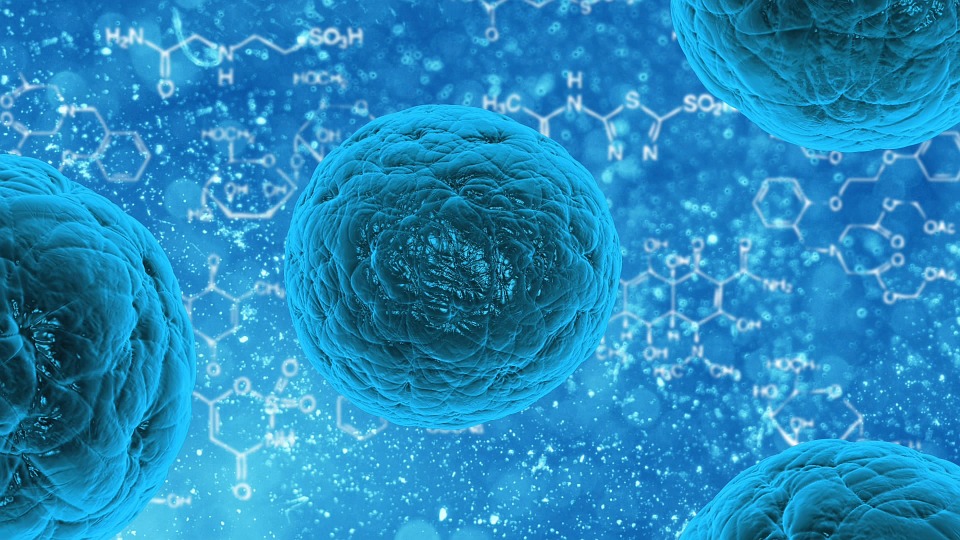
Stem Cell Therapy is characterised by controversies that emanate from several contra-findings. Currently influenced by political debates, it is hard to know what’s true and what is not. Here are some of the frequently asked questions about the topic.

1.    What is stem therapy?

Stem cell therapy is simply a procedure that involves the use of blank state cells to regenerate damaged tissues in both humans and animals. These empty state cells can change to other cells that include, bone, muscle, nerve as well as organ cells.

This gives them the ability to regenerate tissues that are damaged vital for treatments of several complications such as spinal cord injury, osteoarthritis, degenerative disc, motor neurone disease and many others.

2.    Is it legal to use embryonic cells?

Yes, it is legal. However, funding by federal governments only targets research that follows strict guidelines. It isn’t wrong to go beyond these guidelines, but doing this will be excluded from federal funding. President Obama tried to loosen these restrictions in 2009 without success.

According to law, research that involves creating new stem cell lines can receive federal funding. This means that carrying out the research outside the guidelines will require the organisation concerned to find its way of funding it.

3.    What is the response of proponents to embryonic stem cell criticism?

Proponents claim that destroying an embryo after extraction of stem cells isn’t unethical as it is claimed to be. This is because the embryo is often destroyed when the donor no longer needs them to reproduce.

When done with the embryos, the donors have an option of killing the ones left, donating them to other women in need of it or donating them to science. The embryos used in this procedure are the ones that were to be destroyed.

stem cell therapy

4.    Are there any other kinds of stem cell therapies?

Yes. There are other types of stem cell therapies that don’t use embryonic cells. Stem cells can also be obtained in other places that include, adult umbilical cords, bone marrow as well as blood. It has also been noticed that healthy human cells can also be engineered to function the same way.

  1. What is the reason of going on with the embryonic stem cell research that is controversial if the cells can be obtained from adults?

Unlike, adult cells, embryonic cells aren’t limited. Embryonic cells have the ability to become any other cells in the human body. Adult cells aren’t also dependable when it comes to creating new motor neurones. However, they can successfully work for replacing the spinal disc, bone tissue, cartilage or muscle.

6.    What are the risks associated with this therapy?

Currently, the research that has targeted the therapy is still shallow. However, it has been noticed that the practice can increase the risks of cancer in patients receiving the treatment. Cancer results from cells that multiply faster and cannot self-destruct even when something goes wrong.

Stem cells, on the other hand, stimulates rapid multiplication of cells, and they tend to be a little hesitant when it comes to self-destruction.


Call us today if you need help with these topics and more on 8432131480

Facebooktwitterpinterestlinkedin
stem cell therapy

Stem cell therapy for Liver Injury restoration

For patients suffering liver failures, nothing has helped more than Allogeneic liver transplantation. Unfortunately, the number of liver donors who are more than willing to help is decreasing. It is, therefore important to find another alternative approach to the problem. Hepatocytes transplantation from an adult as well as the foetal liver isn’t quite of a choice simply because the kind of stem cells derived here are currently limited to the human liver.

There have been recent claims that the hepatocyte lineage cells sources have proven quite useful in cell therapy. There are claims that the bone marrow, as well as embryonic stem cells, have the ability to differentiate to form several multi-lineage cells that include hepatocytes found in vitro as well as video models.

Unfortunately, it has also been realised that application of the procedure that includes obtaining embryonic cells from the fertilised eggs in humans has some potential health hazards in several countries. Use of the cells from the human bone marrow is also discouraged due to a limited number of healthy and willing donors.

According to findings, the blood from the umbilical cord has some ability to produce cells needed for treatment of the liver injury. Use of the blood from umbilical cord will also apply to clinical procedures involved in the cell transplantation. Just like embryonic and bone marrow stem cells, this process will be used to treat several liver failures in humans.

The blood from the human umbilical cord is quite beneficial to cell transplantation procedures simply because the new cells, unlike the adult cells, are immature. The transplantation makes it easier to exploit their advantageous nature to derive a good number of fully functional hepatocytes or hepatic stem cells needed to suffice the increasing number of liver failure in people. Transplantation will also help suffice the limited number of healthy embryonic stem cell donors.

stem cell therapy

A larger scale of hepatic stem cell transplantation is needed to help reduce the number of liver injuries affecting many people around the world. Unfortunately, the source of these vital cells is proving deficient. There is, however, some hope that the ability of the immature cells to suffice the requirements for allogeneic liver transplantation will save the situation.

According to recent reports, the stem cells that are obtained from the blood of an umbilical cord can repopulate bone marrow. However, it is not clear whether the same cells can work as mature hepatocytes needed for treatment of the liver injury.

The bottom line

Liver failure results from some chronic hepatic complications that may lead to several pathogenic processes including fibrosis, inflammation and necrosis of hepatocyte. If not dealt with in time, liver failure may result in death. Stem cell therapy for liver injury has brought back the hope of addressing the problem. However, a few debates are revolving around the shortage of healthy donors which influences the need to come up with new therapeutic strategies. According to recent studies, stem cell therapy has proven to help improve the functionality if hepatocytes as well as reduce the effects of liver injury such as inflammation and the rest.  But this will only work if the limit of obtaining the stem cells needed for liver injury is eliminated.

;

Call us today if you need help with these topics and more on 8432131480


Facebooktwitterpinterestlinkedin