Category Archives: addiction

Mitochondrial dysfunction and obesity

Mitochondrial dysfunction and obesity-In action
Mitochondrial

Mitochondrial diseases result from failures of the mitochondria, specialized compartments present in every cell of the body except red blood cells

Dysfunction means that something is not working or functioning in the correct way. Mitochondrial dysfunction refers to a situation in which the mitochondria are not working properly.

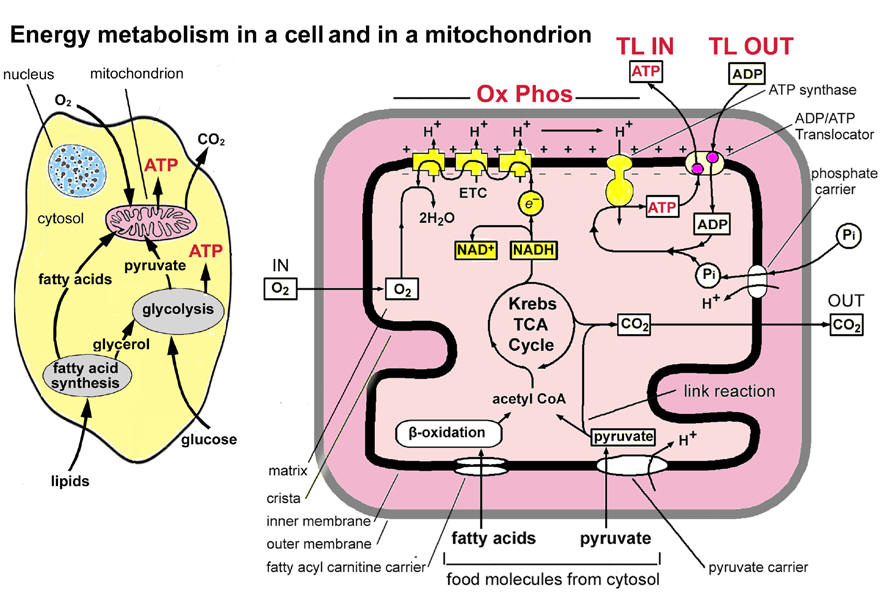
Mitochondrial diseases result from failures of the mitochondria, specialized compartments present in every cell of the body except red blood cells. Mitochondria are responsible for creating more than 90% of the energy needed by the body to sustain life and support growth.

When they fail, less and less energy is generated within the cell. Cell injury and even cell death follow. If this process is repeated throughout the body, whole systems begin to fail, and the life of the person in whom this is happening is severely compromised. The disease primarily affects children, but adult onset is becoming more and more common.

Depending on which cells are affected, symptoms may include loss of motor control, muscle weakness and pain, gastro-intestinal disorders and swallowing difficulties, poor growth, cardiac disease, liver disease, diabetes, respiratory complications, seizures, visual/hearing problems, lactic acidosis, developmental delays and susceptibility to infection

Mitochondrial dysfunction -Approaches to Resuscitate Aging Mitochondria

Understanding the proposed mechanisms by which mitochondrial dysfunction can contribute to aging and aging related diseases suggests several potential interventions. These include:

  • Maintenance of optimal Krebs cycle and respiratory chain efficiency.
  • Restoration of mitochondrial membrane fluidity.
  • Reduction in deleterious free radical activity.

CoQ10

Coenzyme Q10 is probably the most widely used cofactor for treating mitochondrial-related diseases. CoQ10 functions as the electron carrier in the inner mitochondrial membrane, transferring electrons from complexes I and II to complex III. In addition to increasing biosynthesis of ATP (the universal energy molecule), and acting as a potent free radical scavenger, CoQ10 also reduces lactic acid levels, improves muscle strength, and decreases muscle fatigability.1

 Mitochondrial dysfunction-restoration will cause weight loss

The role of your metabolism is to take the oxygen we breathe and the food we eat and process it to make energy, the fuel for life. (The fuel for your car is called gas. The fuel for your body is called ATP and it is produced from the combustion of food and oxygen.)

When they are not working properly, you suffer all the symptoms of low energy: fatigue, memory loss, pain, rapid aging, and more. Along the way, many things can go wrong that may impede your metabolism, make it run less efficiently, or practically shut it down.

Fatigue is the most common symptom of poorly functioning mitochondria. We need to keep them in top shape. The reason we poop out as we age is the constant insult and injury we give our mitochondria.

We have over 100,000 trillion of these powerhouses in our body, and each one contains 17,000 little assembly lines for making ATP, our major fuel. They use over ninety percent of the oxygen we breathe. They take up forty percent of the space inside the heart cells. The only problem is they are very sensitive to damage.

And the injury is from uncontrolled oxidative stress, which results from toxic insults, infections, allergens, stress, and just eating too much poor quality food.

Dr. Bruce Ames, the renowned scientist from the University of California at Berkeley, has spent the last decade discovering how we can give ourselves a metabolic tune up.

In one study he gave old rats who were tired, wouldn’t get on the treadmill anymore, and couldn’t find the cheese in the maze, or swim very far, two molecules that boost metabolism, that make the mitochondria run better. They are alpha lipoic acid and acetyl-L-carnitine.

Overnight these rats became young rats. They got up on the treadmill themselves, swam long distances without fatiguing and could easily find the cheese in the maze like young healthy rats. How could that happen?

Well, he simply gave the cells the raw materials they need for optimal function. As we age, our metabolism burns out from a lifetime of damage and insults. So again, the way to get healthy, the way to ultra-Wellness is very simple.

Mitochondrial

Depending on which cells are affected, symptoms may include loss of motor control, muscle weakness and pain, gastrointestinal disorders and swallowing difficulties…

Ultimately the goal of Ultra Wellness is to give everyone a metabolic tune up.

  • First, find the things that damage your metabolism and mitochondria.
  • Second, give your body the things that help the mitochondria function optimally.
  • Getting rid of toxins in the body will give you more energy. So here’s another reason to exercise: Exercise accelerates the detoxification process.
  • Exercise pushes the blood to circulate more efficiently through the body, allowing nutrients to move easily to reach all the organs and muscles.
  • Exercise helps lymph fluids circulate through the body, which removes toxins and other harmful materials. When you exercise, you naturally take in more oxygen; to make room for the added oxygen, your cells kick out toxins that are taking up space. When you exercise properly, your build up a sweat and toxins are released through the pores of the skin.
  • Playing at anaerobic levels is a great way to get in peak shape. It doesn’t do anything for longevity, or probably for overall health, but it’s great for vim, vigor and pure fitness.
  • Regular exercise is one of the most important things you can do for health. Participation in physical activity improves several body functions. These include: weight control, decreased risk of cardiovascular disease, decreased risk of diabetes, reduced risk of cancer, improved strength of bones and muscle, enhanced emotional status, decreases the natural degenerative changes that come with aging, and increases your chances to live longer.
  • That said, being consistently active can actually cause degeneration. Rest and recovery periods are essential as these periods allow the body to repair and rebuild itself.

Mitochondrial dysfunction –and exercise

It must be noted that consistent exercise can lead to overuse injury. Be sure to discern between consistently exercising and regular exercise.

 Mitochondrial dysfunction and obesity-In action


Facebooktwitterpinterestlinkedin

Neurotransmitters dysfunction and obesity

Neurotransmitters dysfunction

Neurotransmitters are the naturally occurring chemicals inside your body that transmit messages between nerve cells. In the brain alone there are 183 different neurotransmitters. Two major neurotransmitters are…..

Neurotransmitters

Neurotransmitters are naturally occurring chemicals that “transmit” electrical messages between nerve cells, called “neurons” hence the name neurotransmitters. They are produced in the body by amino acids with the help of vitamins and minerals. We get these amino acids, vitamins and minerals from the food we eat. However, if we are not getting enough of these or in an imbalanced ratio a deficiency occurs and over time can lead to the development of diseases and illnesses associated with low levels of neurotransmitters.

What diseases are associated with neurotransmitter dysfunction?

According to Neuro-Research a list of diseases or illnesses are caused by or associated with neurotransmitter dysfunction. Neurotransmitter dysfunction leads to obesity and the diseases resulting from obesity, as well as other diseases not associated with obesity. Causes of neurotransmitter dysfunction There are four known primary causes of neurotransmitter dysfunction. 1: Nutritional Deficiency 2: Prescription drugs 3: Damage to the neurons of the brain 4: Excess excretion of neurotransmitters by the kidneys

 Neurotransmitter dysfunction -Why is lab testing only used after starting amino acid therapy?

This is a common question. We are used to a medical community that runs tests first and then treats based on the test. However with neurotransmitters, hyper excretion is a common problem. Hyper excretion results when the kidneys are excreting excessive amounts of neurotransmitters so that the urinary values don’t match up with the systemic values. Once treatment starts with amino acids this problem doesn’t seem to occur. Therefore testing is NOT performed prior to supplementation with amino acids.

Neurotransmitter dysfunction -How many supplements are involved in treatment and what is each doing?

There are two different programs available for treatment. The first specifically treats neurotransmitter dysfunction resulting in the “conditions related to obesity and neurotransmitter deficiency” listed right. The second program treats neurotransmitter dysfunction as well as weight loss by incorporating an appetite suppressant in the formula. This will assist in controlling your appetite, however, calorie restriction is still necessary to accomplish long-term weight loss. This second program can also be used to treat symptoms associated with Parkinsonism. If only one neurotransmitter system is not functioning properly, why do I have to take supplements that affect both systems? The reason is simple, according to Neuro-Research’s extensive research, they have found that 5% of patients have only serotonin dysfunction, 5% of patients have only catecholamine dysfunction and 90% of patients are a mixture of both. Both systems must be functioning properly for the entire system to be healthy and free of neurotransmitter disease. After you have started the program we will monitor your symptoms and lab test results and adjust the supplements accordingly. So in the end you may take more of one supplement than another to achieve an appropriate “balance”. More about the Neurotransmitter Support Supplements available! Proteins, minerals, vitamins, carbohydrates, and fats are the essential nutrients that make up your body. Proteins are the essential components of muscle tissue, organs, blood, enzymes, antibodies, and neurotransmitters in the brain. Your brain needs the proper nutrients every day in order to manufacture proper levels of the neurotransmitters that regulate your mood. Neurotransmitter Effects:

  1. Control the appetite center of the brain.
  2. Stimulates Corticotrophin Releasing Factor, Adrenocorticotropic Hormone, & Cortisol.
  3. Regulate male and female sex hormone.
  4. Regulates sleep.
  5. Modulate mood and thought processes.
  6. Controls ability to focus, concentrate, and remember things.
  7. The Mind Body Connection.
  8. The chemistry of our bodies can alter, and be altered by our every thought and feeling. Our bodies and our minds are truly interconnected; the health of one depends on the health of the other.

There are many biochemical neurotransmitter imbalances that result in mental health symptoms such as:

  1. Adrenal dysfunction
  2. Blood sugar imbalance
  3. Food and Chemical allergy
  4. Heavy Metal Toxicity
  5. Hormone imbalance
  6. Nutritional Deficiency
  7. Serotonin/Dopamine/Noradrenalin imbalance
  8. Stimulant and drug intoxication
  9. Under or overactive thyroid

  Neurotransmitter Imbalances Disrupted communication between the brain and the body can have serious effects to one’s health both physically and mentally. Depression, anxiety and other mood disorders are thought to be directly related to imbalances with neurotransmitters. The four major neurotransmitters that regulate mood are Serotonin, Dopamine, GABA and Norepinephrine.

Neurotransmitter dysfunction -The Inhibitory System

Neurotransmitters dysfunction

Neurotransmitter system dysfunction may contribute to the borderline personality disorder traits of impulsive aggression and affective instability

This is the brains braking system, it prevents the signal from continuing. The inhibitory system slows things down. Serotonin and GABA are examples of inhibitory neurotransmitters. GABA (Gamma amino butyric acid) GABA is the major inhibitory neurotransmitter in the central nervous system. It helps the neurons recover after transmission, reduces anxiety and stress. It regulates norepinephrine, adrenaline, dopamine, and serotonin; it is a significant mood modulator. Serotonin imbalance This is one of the most common contributors to mood problems. Some feel it is a virtual epidemic in the United States. Serotonin is key to our feelings of happiness and very important for our emotions because it helps defend against both anxiety and depression. You may have a shortage of serotonin if you have a sad depressed mood, anxiety, panic attacks, low energy, migraines, sleeping problems, obsession or compulsions, feel tense and irritable, crave sweets, and have a reduced interest in sex. Additionally, your hormones and Estrogen levels can affect serotonin levels and this may explain why some women have pre-menstrual and menopausal mood problems. Moreover, daily stress can greatly reduce your serotonin supplies. The Excitatory Neurotransmitter System This can be related to your car’s accelerator. It allows the signal to go. When the excitatory neurotransmitter system is in drive your system gets all raved up for action. Without a functioning inhibitory system to put on the brakes, things (like your mood) can get out of control. Among other things, the following should be in place to restore neurotransmitters in attempt to achieve weight loss.   Epinephrine It’s also known as adrenaline is a neurotransmitter and hormone essential to metabolism. It regulates attention, mental focus, arousal, and cognition. It also inhibits insulin excretion and raises the amounts of fatty acids in the blood. Epinephrine is made from norepinephrine and is released from the adrenal glands. Low levels have been can result in fatigue, lack of focus, and difficulty losing weight. High levels have been linked to sleep problems, anxiety and ADHD.   Dopamine It’s responsible for motivation, interest, and drive. It is associated with positive stress states such as being in love, exercising, listening to music, and sex. When we don’t have enough of it we don’t feel alive, we have difficulty initiating or completing tasks, poor concentration, no energy, and lack of motivation. Dopamine also is involved in muscle control and function. Low Dopamine levels can drive us to use drugs (self-medicate), alcohol, smoke cigarettes, gamble, and/or overeat. High dopamine has been observed in patients with poor GI function, autism, mood swings, psychosis, and children with attention disorders. Glutamate It’s the major excitatory neurotransmitter in the brain. It is required for learning and memory. Low levels can lead to tiredness and poor brain activity. Increased levels of glutamate can cause death to the neurons (nerve cells) in the brain. Dysfunction in glutamate levels are involved in many neurodegenerative diseases such as Alzheimer’s disease, Parkinson’s, Huntington’s, and Tourette’s. High levels also contribute to Depression, OCD, and Autism. Neurotransmitter Levels Neurotransmitter levels can now be determined by a simple and convenient urine test collected at home. Knowing your neurotransmitter levels can help you correct a problem today or prevent problems from occurring in the future.

Neurotransmitters dysfunction and obesity-Exposition


Enhanced by Zemanta
Facebooktwitterpinterestlinkedin

Natural Addiction Recovery – A Solution for Your Addictions

Natural Addiction Recovery – A Solution for Your Addictions

Addiction recovery of the complicated process especially since there are so many products and services on the market today. But when you speak about natural addiction recovery this refers to the person that has chosen to completely stop using alcohol or drugs on their own without any medical treatment. This is often referred to as the best possible way to cure your addiction as this means that it is a mindset change that comes from the individual themselves. Although this requires a lot of willpower is definitely the way to make sure that you successfully treat your addiction in a natural and very healthy way.

Natural Addiction Recovery Disadvantages

While some people find the reading using to attempt this recovery method on their own and other people will definitely struggle as they do not have the willpower nor the knowledge to complete this on their own. Sometimes it is difficult for them to find the willpower is simply cannot remember how to live their lives without their addiction. There might also be in the company of friends and family who cannot support them the way that they should and this means that it will be harder for them to stay on track. This is what is often important to obtain treatment from a treatment center especially if you are not sure if natural addiction recovery will be ideal for you. You also need to know how to control your drug or alcohol intake when you’re on your own which can be difficult if you do not have the willpower or the knowledge to do so on your own.

Why You Should Try Natural Addiction Recovery

Natural Addiction Recovery – A Solution for Your Addictions

Natural Addiction Recovery – A Solution for Your Addictions

There are many benefits of natural addiction recovery is this something that you can do on your own you should definitely consider this as a treatment option. You need to know how to handle alcohol in moderation or preferably completely eliminated from your daily life. You need to be free of these addictions and for this to happen you need to find motivation and willpower from your daily life. This can be from friends and family and is also a great idea for you to realize just how much this is influenced your life. You can keep on with your daily work life and your social life if you want to beat this in a natural way which is definitely one of their best options for people who can do this on their own.


Making the Natural Choice

The people who choose to go with natural addiction recovery is often more successful than others because they have a high self-esteem and they know how to beat the addiction once they have chosen to do so. They know how to face their challenges and they don’t necessarily need medical assistance or programs. They are also not influenced by their peers in a negative way, which is definitely a great benefit as it will help them to be successful. Doing this on your own is the perfect choice to go with, if you are able to handle it successfully.

Natural Addiction Recovery Takes Time

It is important to understand that natural addiction recovery will also take time and is not simply something that you can achieve overnight. That the decision can be made instantly the effects will take a while to show. You should take a few necessary steps to make sure that you will be able to keep up your new lifestyle so that you do for the fuel habits. Recover from any form of abuse were always a common visa process, which is why she take this early but also make the decision to change and do not look back. Once you have completed your program you will definitely be able to enjoy life and live happier and healthier than before. However, if you feel that you cannot do this on your own, rather book yourself into a rehab facility so that you can do this with the help of professional and medical assistance.

Natural Addiction Recovery Facts

Although there aren’t a lot of studies that showed facts about natural addiction recovery, physicians agree that this is a great solution for people that are able to uphold their decision. Making such a big change in your life is definitely something that requires willpower and dedication but it is ultimately the best way to cure any addiction issues as you do so willingly and by choice. The decision to make a recovery so really a big step to take which is why doctors and even rehab facilities were always support this whenever it is seen as a viable solution.

Additional Recovery and Treatment Options

If you feel that natural addiction recovery is not quite something that you will be able to handle by yourself you can definitely opt to choose from one of many other treatment options. You can choose to check yourself into rehab this is one of the most popular options to go with especially when it comes to drug and alcohol abuse. Some people need to be in the right environment they also need the support of doctors and other medical professionals to help them overcome their addiction issues. Some addicts might also find it very helpful to take part in the detoxification program so that they committed their bodies of all the toxins that have built up during their time as an addict.

Natural Addiction Recovery – A Solution for Your Addictions

Enhanced by Zemanta
Facebooktwitterpinterestlinkedin

Sleep deprivation causes weight gain and obesity

Sleep deprivation can be avoided

Sleep deprivation is the condition of not having enough sleep it can be either chronic or acute


Sleep deprivation causes weight gain and obesity-Find out

Sleep deprivation is the condition of not having enough sleep it can be either chronic or acute

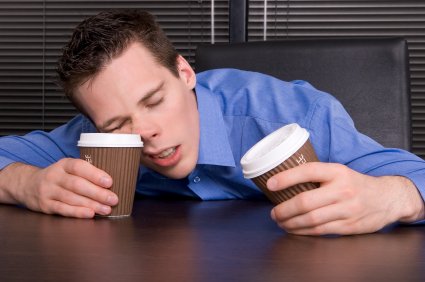
Think about it: If you’re feeling sleepy at work, you may be tempted to reach for a cup of coffee or may be more and a doughnut for a quick shot of energy. Later you may skip the gym and pick up take away on your way home to your family no time to cook. When you finally find yourself back in your bed, you are too wound up to sleep.

Sleep deprivation-Recommended Related Disorders

Narcolepsy Resources

Left untreated, narcolepsy may be devastating both psychologically and socially. However, with proper management and treatment, people with narcolepsy usually lead meaningful and productive personal and professional lives. If you are diagnosed with narcolepsy, consider joining a support group.

By becoming a member of a support group, you’ll get emotional support from people who are having similar problems. This will alleviate isolation and the feeling that you are the only one with this condition. The exchange of ideas with people of the same situation will go a long way in helping you make corrections and evaluate progress.

It’s important to note that it’s is a vicious cycle, and eventually this sleep deprivation can sabotage your waistline and your health.

It starts out innocently enough. “When you have sleep deprivation and are running on low energy, you automatically go for a bag of potato chips or other comfort foods according to experts. The immediate result you may be able to fight off sleepiness. However the ultimate result would be unwanted weight gain as poor food choices coupled with lack of exercise set the stage for obesity and further sleep loss.

Experts say sleep debt is like credit card debt. If you keep accumulating credit card debt, you will pay high interest rates or your account will be shut down until you pay it all off. If you accumulate too much sleep debt, your body will crash.

Not getting enough sleep is common and we talked about it with pride. We brag about an all-night out not knowing that we do pay a price for staying up late and getting up early,” says Mark Mahowald, MD, director of the Minnesota Regional Sleep Disorders Center in Hennepin County.

Sleep deprivation-Understanding the Sleep Diet Connection

The sleep-diet connection is regular fodder for diet books and magazine articles. Maybe you have even heard about the sleep diet, which suggests you can lose weight while you catch your ZZZs. And it’s true, sort of.

“It’s not so much that if you sleep, you will lose weight, but if you are sleep-deprived, meaning that you are not getting enough minutes of sleep or good quality sleep, your metabolism will not function properly,” explains Michael Breus, PhD, author of Beauty Sleep and the clinical director of the sleep division for Arrowhead Health in Glendale, Ariz.

On average, we need about 7.5 hours of quality sleep per night, he says. “If you are getting this already, another half hour will not help you lose 10 pounds, but if you are a five-hour sleeper and start to sleep for seven hours a night, you will start dropping weight.”

Exactly how lack of sleep affects our ability to lose weight has a lot to do with our nightly hormones, explains Breus.

The two most important hormones in this process are ghrelin and leptin. “Ghrelin is the ‘go’ hormone that tells you when to eat, and when you are sleep-deprived, you have more ghrelin,” Breus says. “Leptin is the hormone that tells you to stop eating, and when you are sleep deprived, you have less leptin.”

More ghrelin plus less leptin equals weight gain.

“You are eating more, plus your metabolism is slower when you are sleep-deprived,” Breus says.

The Sleep Deprivation-Weight Loss Solution

So what can you do about sleep deprivation?

A lot, says Breus. First, look at how much you sleep vs. how well you sleep. “Some people such as new moms may only get to sleep for a four-hour stretch. And there are some people who get 7.5 hours of sleep that is poor quality because of pain or an underlying sleep disorder, and this has the same effect  as if they got less sleep,” he says.

Trouble-shoot both with improved sleep hygiene, he says.

Sleep deprivation information including symptoms and causes

Not sleeping enough and not sleeping well is not OK. As a matter of fact, there is quite a price to pay. It may surprise you to learn that chronic sleep deprivation

For starters, avoid any caffeine in the afternoon because it will keep you in the lighter stages of sleep which are associated with poor sleep at night. Breus recommends only decaf from 2 p.m. on. Exercise also helps improve sleep quality.  How soon before bed should you exercise? It depends everyone is different. It’s more important that you exercise than it is when you exercise.  Breus says to be safe, don’t exercise right before going to bed. “But some people exercise better before bed and it doesn’t affect their sleep,” he says.

Watch what you eat before bedtime. “Pizza and beer before bedtime is not a good idea,” says Breus. “Neither is eating a big meal close to bedtime.” He suggests eating a few healthy snacks and then having a light meal like a bowl of cereal if you’re running close to bedtime. Heavy, rich meals before bed can also increase risk of heartburn, which will certainly keep you up all night.

What if you are getting enough hours of sleep but wake up and feel sleepy the next day? “Talk to your doctor about seeing a sleep specialist,” Breus says. After conducting a thorough evaluation and sleep study, in which you are monitored while sleeping, the sleep specialist can help identify any underlying problem. Together you can develop a treatment plan so that you get more high-quality sleep — and maybe even slim down.

Sleep deprivation causes weight gain and obesity-Find out


Enhanced by Zemanta
Facebooktwitterpinterestlinkedin

Female hormones and weight loss

Female hormones and weight loss-what you need to know

Female hormones and obesity

Female hormones and their sites

A quick observation at a male versus a female body tells you right away something is different. While we can certainly recognize the obvious, we ignore these differences when we talk about diet and exercise for fat loss. The standard health and fitness advice of eat less and exercise more often does not work once people get out of their twenties and into their thirties, forties and beyond, and women are especially impacted.

So what are the difference between men and women, what determines where women store fat, and what can women do to address the fitness and fat loss issues that are unique to them?

The differences between men and women:

Women usually have smaller waists and more fat storage on the hips, thighs, and breasts. Estrogen and progesterone have much to do with this.

Estrogen is largely responsible for greater fat storage around the hips and thighs while both estrogen and progesterone impact larger breasts.

Because wom en experience monthly hormone fluctuations through the menstrual cycle, they know from experience that hormones impact how they feel, function, and look. They seem to intuitively get the fact that hormones play a role in determining whether they store fat or burn fat and where on the body it is lost or gained. To understand why women are so different, you have to understand their hormones.

Brief review of the menstrual cycle.

No discussion of female fat loss can take place without understanding the normal female menstrual cycle. The first day of bleeding for a woman represents day one of the menstrual cycle.

The menstrual cycle can then be divided into two phases, the follicular phase (named for the maturing of the ovarian follicle) and the luteal phase (named for the corpeus luteum which ovarian follicles become after ovulation). Ovulation, the release of an egg from the ovaries separates these two parts of the cycle.

The follicular phase is associated with higher estrogen levels compared to progesterone, while the luteal phase is the reverse. The relative ratios of these two hormones can have an impact on female related fat loss and health.

Estrogen and progesterone balance

A key fat loss measure in women is the estrogen and progesterone balance and how those hormones interact with other hormones like cortisol or insulin. Bigger hips and thighs on a women suggest greater estrogen levels relative to progesterone. The reverse of that, larger breasts and smaller hips and thighs, MAY indicate the opposite balance of these hormones.

The menstrual cycle is another key indicator of hormone balance. Since the time just before menses is usually a progesterone dominant time, PMS is a strong indication there is a progesterone deficiency relative to estrogen.

A woman can have higher than normal progesterone levels but still have a relative deficiency if estrogen levels are much higher in comparison. Many women with low progesterone relative to estrogen will report feeling like a completely different person before ovulation (the first two weeks of cycle) vs. after ovulation (last two weeks of cycle), where they feel much worse. This ill feeling usually manifests as depression, breast tenderness, moodiness, fatigue, lack of motivation, bloating, and other complaints.

Female fat distributions

Progesterone & estrogen both play a role in keeping the waist of women smaller. This is because estrogen works against the action of insulin (and testosterone a belly fat storing hormone in women) while both estrogen and progesterone oppose the action of cortisol.  Insulin and cortisol, together with testosterone and low estrogen, are implicated in belly fat deposition in women.

Estrogen is the biggest factor in increasing fat storage at the hips and thighs providing the hour-glass shape. Progesterone with estrogen halts the storage of fat around the waist, but stress can have more of a negative impact on progesterone’s action. High stress has been shown to negatively impact progesterone, so women who see fat accumulating around the waist may want to work to reduce stress and raise progesterone.

Estrogen is a little different. Estrogen works to increase fat storage by up-regulating what is known as alpha-adrenergic receptors in female fat depots around the hips and thighs. Adrenergic receptors are like the gas and brake peddles on your car and work to accelerate or decrease fat usage. Beta-adrenergic receptors increase fat burning while alpha adrenergic receptors block it. The hips and thighs of a woman have higher amounts of alpha adrenergic receptors compared to men. This is also the major reason it is so difficult for some women to lose fat from the hips and thighs.

It is interesting to note here that one of the best ways to decrease the action of these alpha receptors is by using a low carb diet. This is why many women find fantastic results when they switch from the standard high carb diets and adopt more low carb eating patterns.

Many women have plenty of fat to spare in the hips and thighs but instead of burning it, they will become smaller in the torso and breast first and remain bigger on the bottom. This is a very frustrating scenario for many. Estrogen increases alpha-adrenergic receptor numbers while progesterone decreases it. Progesterone, like testosterone in men, MAY increase beta-adrenergic receptors. In this way, estrogen and progesterone work to influence the ability to burn fat and determine from which areas it will be taken from. This is an issue of hormone balance not calories.


Female hormone changes: age, lifestyle, and the environment

Female hormones and weight loss

Female hormones have a great contribution to loosing weight

Women are often duped into believing the low calorie diet and aerobic exercise myth. This approach to weight loss rarely works and often creates damage to their body as a consequence. As a woman ages, as a consequence of stress, or because of environmental estrogen mimicking compounds several things begin to occur. The ovaries decrease their production of estrogen and progesterone. This exacerbates estrogen and progesterone balance, further pushing the body more towards estrogen dominance.

There are also many estrogen mimickers in our food and environment. At the same time, fat cells continue to produce estrogen through an enzyme called aromatase present in fat cells. This also leads the estrogen/progesterone balance to shift more towards estrogen. At the same time slimming and muscle building hormones, like human growth hormone (HGH) and DHEA, decline. Together this creates the perfect storm for female related fat gain and most of it occurs in the mid-section.

DHEA, HGH and progesterone are all hormones that act to keep a woman lean and block the storage of fat in the middle of her body. The tricky part is that a low calorie diet and a focus on aerobic exercise makes this worse because they do nothing to restore these powerful hormones and may actually worsen the estrogen progesterone imbalance in the long run.

Solutions to the problem:

Women should be focused on eating more of the right things and exercising smarter. This means eating higher amounts of vegetables and “estrogen free protein as well as engaging in weight training over cardio. There are only three ways to reliably restore HGH in the body: sleep, adequate protein, and intense exercise using weights.

Weight training is perhaps the most important aspect of this and is critical for female health especially to stop the belly fat that accumulates during aging. HGH is to women what testosterone is to men. It keeps them looking young, lean, and firm. Once progesterone levels fall due to stress, menopause, or other factors, HGH is all that is left to keep belly fat in check

Women falsely believe less intense exercise like walking and yoga will give them the desired “look” of their younger years. While these activities are exceedingly healthy, they will not be adequate to generate the hormonal effect needed to raise HGH. However, they will work synergistically with more intense exercise to lower the negative impact of cortisol.

Female hormones and weight loss-what you need to know

Enhanced by Zemanta
Facebooktwitterpinterestlinkedin