Category Archives: addiction

addiction

2016 American Presidential Hopefuls Are All Talking About Addiction.

Years ago, politicians would not dare discussing addiction; Admitting that politicians relatives suffered from addiction would have been frowned upon.  Now in 2016 everybody from Donald Trump to Jeb Bush is addressing Addiction with personal tales of drug-addicted family members. 

Addiction in AmericaThe attention addiction has received has suddenly risen to the top of the list with almost all of the presidential candidates recalling and sharing their experiences. This is not about parties now because every candidate in both parties has had to speak about addiction one way or the other. What Americans are saying, however is, why is this happening now? Years ago, politicians would not even spend a minute talking about addiction let alone having them talk about how it has affected their relatives. It would have been frowned upon. All of a sudden in 2016, the song is now about it.

It first started with Jeb Bush who spoke about how his daughter recovered from addiction. Her name is Carly Fiorina and he recalled having to beg a judge not to send her daughter back to jail. Then Carly Fiorina had to recount her own struggles with families that had gone through addiction. Then it was New Jersey Governor Chris Christie who also spoke about how a close friend had an overdose of drugs and died. All these stories, as they come out, tend to strike chords that are powerful on drug abuse which had caused policy reviews and influx of proposals on how to combat the subtle but deadly epidemic.

Now that addiction has received the attention of the lawmakers and the powerful, what is going to be done about it? Stories will be fine but that’s not going to change anything. As a matter of fact, there will be more stories to tell if nothing concrete is done. Patrick Kennedy, a former US representative blurted out to the politicians “you are running to be storyteller-in-chief”. That is to say, it’s not about the stories, it’s about how we change the way addiction is treated in the health care system.

Governor Christie was firm enough to let everyone realize that addiction is a disease and should be seen as such. It is an epidemic and it is spreading. Advocates are of the opinion that more money needs to be put into combating addiction and this should also include monies for treatment and research on what best can be done to reduce the rate at which people get exposed to addiction.

The Democrats don’t really seem to have plans or maybe their plans are too weak. Last year December, in a debate in Manchester, New Hampshire, Senator Sanders iterated that addiction should be treated as a disease and not a criminal activity. But despite the outcry, he was not able to tell how he is going to combat the disease of addiction. So, talk is cheap.

Presidential candidate Hilary Clinton is the only one who seem to have a plan that comes with a price. She was at New Hampshire Union Leader in September and proposed a $10 billion plan to combat addiction. Even though she is the only one who seems to have a plan, some advocates don’t seem to take her 5-point agenda as very serious. Governor Christie is known for her infrequent visits to New Hampshire recovery centers when she was campaigning. One of her manifestos if she becomes president is that she will create drug courts in all 93 federal court districts. These courts will grant treatment instead of imprisonment to non-violent offenders. She said something that made a lot of sense. She said the money that would be saved by keeping more people out of prison can be diverted into researching into better addiction treatment plans. Her statement was however not without criticism as some of her critics say Christie has not been effective so far in treating addiction since she was a governor. Reports said since she took over office in 2010, there has been less investment in treatments in the state of New Jersey. Further, the reports said about three-quarters of drug addiction who needed help never got treatment in 2013 because the treatment centers were either full or shut down.

All these tends to point to one thing, these politicians don’t really know exactly what is to be done to really combat addiction. Yes, they now agree that it’s a problem that needs to be tackled but how they are going to tackle it is the issue. As for any result to come out of this, I believe they will have to work together. The past is past; the future has to be faced. It is not time to be witch-hunting one another. If a candidate has a good idea, let’s use it rather than tarnish their image like some are doing to Christie. Whether its Hilary’s plan, lets follow it and if it’s Christie’s, as long as it yields the required results. The most important thing is, addiction has destroyed too many lives in the US, and it’s time to put a stop to it.


 

Facebooktwitterpinterestlinkedin
Hospital Outpatient Entrance Sign

Counselor training using CBT approach

Counselor training using cognitive behavioral treatment approach: Solutions for cocaine addiction

Counselor training

Counselor training using cognitive behavioral treatment approach: Solutions for cocaine addiction

The addiction vice is wreaking havoc in our societies and no one is off the hook of addiction. Families are being broken, children are becoming rebellious to everyone and instances of stealing and vandalism are on the rise and the root cause of all this is substance abuse. The low enforcement agencies are complaining of the stretched accommodation in our recreational facilities thanks to the growing number of petty offenders under the influence of drugs and misuse of alcohol. With that overview, it is evident that we are living in a morally decaying society and unless corrective measures are taken immediately we are most likely sinking into destruction in the near future. To help in containing this vice, experts from AWAREmed Health and Wellness Resource Center under the able leadership of doctor Dalal Akoury are giving their contribution by offering counselor training using cognitive behavioral treatment approach to all health workers so that we are having well equipped personnel to handle the magnitude of the problem.

Investing in substance abuse counselor training using cognitive behavioral approach among other training modes is the way to go and the good news is that if you want to make a difference then you are at the right place because all these are available at this facility (AWAREmed Health and Wellness Resource Center) to help you give your contribution in the fight of the scourge of addiction. It is also important for the qualified experts to appreciate that the integrating cognitive behavioral treatment (CBT) and medication are very essential primarily because they are highly compatible with pharmacotherapy. Doctor Akoury reiterates that when applied alongside the medication, the range of CBT interventions expands to include a focus on enhancing medication compliance. Generally, medication response and compliance are monitored during the early part of each session and that is to say that the first third of each hour of the training session. Now even as we progress into the discussion, for a better understanding of these facts, the following strategies can be very useful:

Counselor training using cognitive behavioral treatment approach: Find out about the patients’ history with medication

History in all dimensions offers an opportunity for the physicians to make very appropriate medical opinion in addressing the present situation. Therefore means that when attending to a patient, it is important to make enquiries about this patient past with medication so that commencement of treatment can take place from a very informed position. The following are some of the questions that a physician or the therapist can ask:

  • Did they take the medication as prescribed faithfully to the last dose?
  • Therapists can also ask the patients about their prior history with pharmacotherapy for any psychiatric disorder or condition.
  • Under what conditions was it terminated?
  • Was it helpful?
  • Why was it prescribed?

Depending on the responses accruing from such interrogation, the therapist will be able to professionally point out areas of noncompliance and this will be very helpful in establishing the patients’ view as to why they did not comply previously and also to attempt to address those issues proactively.

Counselor training using cognitive behavioral treatment approach: Listen and address patients’ concerns about medication

Listening is very paramount in the treatment process. It is therefore important that therapist take time to listen to their clients carefully for any concerns, including any misunderstandings, or prejudices about taking medication and find ways of addressing them timely and assertively. These may include misconceptions about expected medication effects, time needed to experience the effect, side effects, dosing, and interactions with cocaine and other substances. It is important that therapists provide clarification in clear, familiar terms and frequently check back with patients to be sure that they have understood. Without counselor training, achieving this may not be practical because of the strong sense of denial that always comes with addiction. That is why counselor training is very important as it gives them the techniques and expertise of unlocking the stalemates that are always characterized with substance abuse.

Besides that, sometimes the effects of medication may not come immediately apparent, it is important to inform patients that it may take several weeks before therapeutic effects emerge; thus, patients should be encouraged to expect gradual rather than all-or-nothing change. Explaining the gradual emergence of medication effects provides an opportunity for the therapist to emphasize that patients should not expect to benefit from an entirely passive stance regarding CBT treatment simply because they are taking medication. Mastery and implementation of coping skills remain an essential and important part of treatment; medication may be an additional, useful adjunct or tool.

Assess medication compliance since last session

Close, consistent, and careful monitoring is one of the most effective strategies for enhancing compliance with medications. Thus, a portion of each session should be devoted to evaluating medication compliance and working through any difficulties that might arise. In general, until the patients’ compliance pattern is clearly established, therapists should, in every meeting, inquire about medication compliance, day by day, since the last session. This should include asking when patients take the medication, how they take the medication, and a thorough discussion of any deviation from the prescribed dose and schedule.

In her many years of service in this discipline, doctor Akoury has noted that compliance and retention are most difficult to achieve early and late in treatment – early if the patient is not receiving obvious benefit, and later if the patient, after obtaining a partial or full therapeutic response, does not appreciate the need to continue treatment. Thus, therapists should be particularly attentive to compliance and motivation issues during early and late sessions.

Counselor training using cognitive behavioral treatment approach: Appreciate medication compliance

Therapists should also convey confidence in the medication and inform patients of the likely benefits. Therapists should be strong on the side of compliance and praise patients’ compliance enthusiastically and genuinely. Like for instance you could appreciate your patient by saying that “I have seen you take your medication diligently since our last meeting and that’s really great. I know you may have had some doubts about whether the medication would work for you, and I’m glad you were willing to give it a try. And by the way have you noticed any positive changes you think might be related to the medication?” For a better assessment, doctor Akoury suggest that the patient improvement should be related to compliance and lack of improvement and luck of it to noncompliance.

Counselor training using cognitive behavioral treatment approach: Solutions for cocaine addiction

http://regenerativepotential.com/integrativeaddictionconference/


Facebooktwitterpinterestlinkedin
female sex addiction2

Simultaneous treatment of sex and drug addiction

Simultaneous treatment of sexual addiction and drug abuse: Multiple addictions solutions

Simultaneous treatment

Simultaneous treatment of sexual addiction and drug abuse is very fundamental if recovery is to be meaningful and sustainable.

The trend with which addiction is changing is one that needs all the stake holders to join hand together and fight the problem from one common front. For a very long time all we have known is the monolistic addiction where one could be seen to be struggling with only one kind of substance say being an alcoholic. Things are now changing and multiple addictions are becoming the order of the day. This has necessitated experts including those from AWAREmed Health and Wellness Resource Center under the leadership of doctor Dalal Akoury to think outside the box on the best treatment approach. In most cases multiple kind of addiction will involve substance abuse and sexual addiction. Therefore experts are now applying the simultaneous treatment where a number of addiction are treated all at the same time a patient enroll in addiction medical facility for treatment.

Looking at addiction critically, we have actually been brought up in the full knowledge that drugs whether illicit or prescription drugs are actually all candidates for abuse and because of this upbringing many people wallowing in that school of thought. The question that follows next is that really the true position of the understanding of what addiction is all about? Let’s get some expert opinion from AWAREmed Health and Wellness Resource Center. From the discussion with the experts from this facility, it is very obvious that there are different kinds of addictions. That is to say that one could be addicted to drugs and alcohol, or to certain behaviors (e.g. sex) or even both. And just for clarity it is important to note that behavioral addiction may be so many and that may include addiction to sexual activities, gaming from the computer devices, gambling and many others. We are therefore at risk of either becoming victims of either of them or even both and that is when simultaneous treatment becomes relevant. Simultaneous treatment is very important in the sense that while on the surface, different addictions seem to be associated with their own unique set of behaviors they are often fueled by the same underlying feelings of guilt, shame, avoidance and trauma. Addictions interact within the individual making it difficult to tease them apart.

Simultaneous treatment of sexual addiction and drug abuse: The trends of problematic substances

When examining the trends of problematic substance use in individuals seeking help for a sexual addiction, it becomes clear that the two are indistinctly linked together. The available statistics also indicate that majority of people who are struggling with sexual addiction also meet the criteria for alcohol or drug addiction. Studies have also established that many individuals who are struggling with sexual addiction problems have actually admitted to using substances mostly to help them in dealing with, or escaping from, the pain that is caused by their sexual behavior. Besides that it is also very common that many people are currently using substances to get over their inhibitions in order to engage in sexual behaviors that might be uncharacteristic for them if they were not drunk or high. This further explains the significance of multi addiction and the need for simultaneous treatment.

We must therefore seek for information by way of investigating how multiple addictions can feed into one another. This is very important because it is possible that individuals may use one of their addictions to mask or dismiss the other addiction and this could be influenced by various reasons including fear and shames especially those elements that are considered shameful addiction. Like for instance, an individual may deny having a problem with sexual addiction and insist completely that their problematic sexual behavior is only caused by intoxication. However, the truth of the matter in this case may be that the drugs or alcohol are merely concealing the pain and shameful acts that are associated with the sexual addiction thereby helping the person to be spared from the emotional consequences of his or her actions. By the same token, both addictions may work on intensifying one another in such a way that the person only engages in their sexual addiction under the influence of alcohol or drugs. These rituals then serve to protect the addiction and ensure that patterns of use are stable and predictable and this can be very dangerous if not dealt with expeditiously.

A major concern with treatment of substance use disorder alone is that any untreated sexual addiction often precipitates a relapse of substance use. Dealing with one addiction while ignoring the other may end up intensifying the problem that has not been addressed. A good example would be when a person in early recovery from a substance addiction turns to sexual performance enhancers in order to continue the ritualized sexual behavior that was previously enhanced by the substance use. This sexual behavior can continue to be problematic for the individual. The individual may continue to feel a sense of shame and pain. Therefore recovery is about addressing the entire addictive process, not just those associated with a particular substance or behavior. The addictive process, whether it be related to sexual behavior or substances is often characterized by a pattern of secrecy, cognitive distortions and rituals. Therefore recovery from addiction regardless of type, would involve embracing and attempting to live a life of honesty, authenticity and emotional growth.

Fortunately, many underlying similarities between multiple addictions mean that the underlying framework for concurrent treatment is quite effective. According to a recent study conducted at Bellwood Health Services confirms that individuals with a comorbid sexual addiction and substance use disorder attending the same treatment centre as those with only sexual addiction, have comparable treatment outcomes at six months follow-up. Both groups demonstrated substantial improvement not only on measures of substance use and sexual impulse control but also on self-reported measures of well-being and quality of life.

Simultaneous treatment of sexual addiction and drug abuse: Replacing the maladaptive coping strategies

Finally, looking at some of the past psychological trauma, sexual abuse, abandonment and neglect, doctor Akoury reiterates that these are some of the very important issues that need to be addressed in treatment. Therefore any recovering addict must commit to learning on how to identify the signs of being actively involved in the addictive process and work hard primarily at replacing all the maladaptive coping strategies with positive and affirming ones. Moreover the individual addict needs to be empowered and be given the necessary tools to be able to function effectively in their environment and successfully meet all life’s challenges without turning to substance use or problematic sexual behavior. We know that this can be very difficult to some of you and if you’re that person, then you need not to give up because there is help on the way upon calling doctor Dalal Akoury today to schedule for a one on one meeting with her and your life will never be the same again thereafter.

Simultaneous treatment of sexual addiction and drug abuse: Multiple addictions solutions

http://regenerativepotential.com/integrativeaddictionconference/

Facebooktwitterpinterestlinkedin
Withdrawal

Brain structures impairment prompted by addiction

Brain structures impairment prompted by addiction: The cerebral cortex

Brain structures

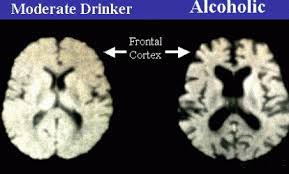
Brain structures impairment caused by drug addiction and misuse of alcohol

It is said that life stop the moment the brain stops functioning. The brain is therefore a very sensitive organ in the body that needs to be natured well for it to operate optimally. As we progress into the discussion, it is important to note that the brain is composed of many different parts otherwise known as regions and structures. Therefore the brain structures and regions main role is that of transmitting effective communications to various parts of the body. The transmission of communication enables the various regions and brain structures to coordinate their activities effectively say’s Doctor Dalal Akoury. Each of these regions and structures are independent and serves different purposes. One of the biggest enemies to these regions and structures is the problem of misuse of alcohol and drug addiction. This condition can alter these regions and structures.

Besides that, addictions can also alter the way brain regions function. And for that reason as we progress into this discussion, we are going to discuss the regions and structures which are affected by the addictive process. It is therefore very important to appreciate that complications of addiction can change the brain structures and their functions in very many ways. And for us to get these facts accurately, we are going to be speaking to the expert from AWAREmed Health and Wellness Resource Center under the able leadership of doctor Dalal Akoury to help us in reviewing the brain’s role in some of the commonly observed problems associated with addiction which may include the following: Drug-seeking and cravings, Habit formation, craving, withdrawal effects, and relapse triggers, Impaired decision-making, impulsivity, and compulsivity and Stress control and withdrawal.

Impaired Decision-making, Impulsivity, and Compulsivity

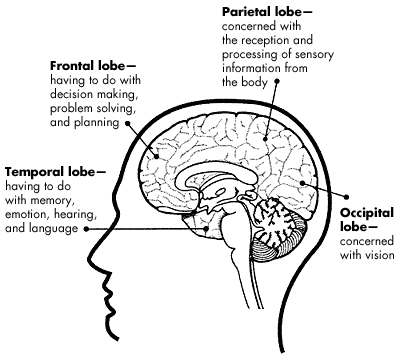
The cerebral cortex is the outer most layer of the brain. The cerebral cortex is further divided into four areas. These four areas are: the frontal lobe (or frontal cortex), parietal lobes (left and right), temporal lobes (left and right), and occipital lobes (left and right). Each area is associated with certain brain functions: One area of the frontal cortex is called the prefrontal cortex. It has a vital role in higher-order functions. These functions include language, spatial learning, conscious thought, judgment, and decision-making. The process of addiction can negatively affect this area and alter its proper functionalities.

 The prefrontal cortex

This enables us to make rational, sound decisions. It also helps us to override impulsive urges. If acted upon, these impulses urges can cause us to act without thinking. This is usually not in our best interest. For instance, suppose I’ve had a bad day at work. I may have an impulsive urge to tell my boss exactly what I think of her. To act on this impulse is not in my best interest. Fortunately, my prefrontal cortex is functioning quite well. I still have my job!

Obviously, this ability to inhibit impulses is very helpful. It enables us to function well in society. It protects us from harm by allowing us to consider the consequences of our actions. However, when the pre-frontal cortex is not functioning correctly, the opposite occurs. Addiction causes changes to the prefrontal cortex. These changes account for two characteristics of addiction: impulsivity and compulsivity.

Impulsivity is the inclination to act upon sudden urges or desires without considering potential consequences. Sometimes people describe impulsivity as living in the present moment without regard to the future. On the other hand, compulsivity is a behavior that an individual feels driven to perform to relieve anxiety. Once a person performs the compulsive behavior, the anxiety goes away and restores comfort. Thus, the presence of these behavioral characteristics in addicted persons indicates that changes to the prefrontal cortex have occurred. Unfortunately, these changes also make the discontinuation of drug use more difficult.

When we talk of addiction changes brain structure and their functions, the message being delivered is that an addiction is a process that coordinates the transition from impulsive to compulsive behavior. Impulsivity occurs during the early stages of addiction. During this phase, people impulsively act on powerful urges to experience the pleasure of their addiction. Anxiety is not associated with the urges during these early stages. Instead, addiction reflects acting on impulsive desire to receive immediate pleasure from the drug or activity. People are not considering the future consequences.

Brain structures impairment prompted by addiction: Shifting progress of addiction

As addiction progresses a shift begins to occur. At this point, the compulsive aspect of addiction takes hold. When this shift occurs, people are no longer pursuing their addiction solely for pleasure. The compulsions compel them to participate in their addiction to relieve anxious, uncomfortable feelings. These may arise at the mere thought of stopping the addiction for any reason. At this later compulsive stage, “pleasure” comes in the form of relief from these anxious, uncomfortable feelings. Thus, despite the negative consequences of addiction, the addictive behavior continues in a compulsive manner.

Another way to describe the pre-frontal cortex is to think of it as a braking system. The pre-frontal cortex acts as the brain’s brakes. It sends out signals to inhibit particular behaviors or actions. When addiction damages this brain area, it limits the brain’s ability to control other behavioral systems as well. Imagine how difficult it would be to operate a car without brakes. At this point, we might say the brain is “high-jacked” by the addiction. The prefrontal cortex also projects to other brain regions associated with addictive problems. These include the reward system; memory and emotion; and stress regulation centers of the brain. Therefore, damage to the prefrontal cortex may further interfere with the functioning of these other brain regions as well.

Although addiction damages the brain’s brakes (pre-frontal cortex) this is not to say there is a complete loss of control. We are not slaves to our biology. We have a tremendous amount of control over our actions. This is true even when impulsive and compulsive forces are operating. This recognition is vitally important if someone wishes to recover from addiction. When a person consciously decides the costs of addiction outweigh its benefits, they become motivated and are able to stop. This allows them to actively counter the effects of addiction on the frontal cortex and other brain regions. Therefore if this description suits your situation, then you are in the right path and calling doctor Akoury today will go a long way in helping you solve all the addiction problems you may be struggling with.

Brain structures impairment prompted by addiction: Cerebral Cortex

http://regenerativepotential.com/integrativeaddictionconference/


Facebooktwitterpinterestlinkedin
brain

Brain Coordination and The Reward System

Food, abused drugs and sexual interests share a common pathway within our brains’ survival and reward systems

Brain CoordinationStudies indicate that food, abused drugs and sexual interests share a common pathway within our brains’ survival and reward systems. This pathway leads into the area of the brain responsible for our higher thinking, rational thought and judgment. When an addict’s brain takes over that survival and reward pathway, it tells the person that having illicit sex and inappropriate thoughts are good for them the same way the brain tells a normal person that food is require when he is hungry. These changes in brain’s reward pathway translate into a sex addict’s obsession with sex and of other related activities such as obligatory sexual behavior despite understanding the ill effect of this behavior on oneself. This lack of sense of self harm is also followed my failed attempts to limit of completely terminated such sexual activities.

The idea that a person can be addicted to food has recently gotten more support from science. It is even perfectly fine to say that over eating and eating disorders are a form of addiction, obesity is not a life style, if it’s a food related obesity problem then it’s the outcome of addiction to over eating. Addiction plays weird games with our reward system; scientists have discovered that for some people the same reward system is activated through food (especially eatables rich in sugar and fat) which is generally activated by the consumption of addictive drugs such as heroin or cocaine. Like these addictive drugs, for these people certain foods trigger feel-good feelings resulting in the release a dopamine; a hormone that is associated with pleasure through reward system. The pleasures they get from high levels of dopamine make them feel the need to eat again and again to gain the same form of satisfaction.

Now comes drug addiction, many of us fail to understand how people get addicted to drugs, it’s a common misconception that drug addicts lack moral principles and will power because otherwise they could simply choose to change their behavior. That’s not how drug addiction works; drug addiction is a complex disease and quitting requires much more than a strong will power to change this behavior. In reality many of drug addicts really want to quit but they simply can’t. It is because of the change drugs have brought in their brain’s reward system that forces them to even commit compulsive drug abuse. It’s an established fact that the initial decision of taking drugs in most of the cases is voluntary but the later consequences and changes in brain that occur over period of time severely  compromises a person’s self control and hamper his ability to resist the strong urges of taking drugs.

Sexual addiction somehow follows the same patterns of addiction as food and drugs. It fools ones reward system into thinking that this is the ultimate pleasure and without this, survival is impossible. A sexual addict’s brain start making a person believe that sex is as important as food, just like a normal person have to eat three or more time a day, a sex addict has to do or plan such activities as many times to survive. What he fails to recognize is the lack of balance and control. Even eating more than necessary is detrimental to health, having sexual urges more than required are devastating for the addict as well as the society.

All of these forms of addictions manifest themselves in similar fashion however the mechanism and factor behind how a person gets addicted to food and sex and how the reward system is being changed are not very clear. In the case of drugs it’s comparatively easier to explain how our brain gets affected by drugs. Drugs contain certain chemicals that alter the brain’s communication system and interrupt the ways in which our nerve cells send, receive and process information signals. There are two major ways through which drugs can disrupt normal brain function. Firstly by mimicking the brain’s natural chemical messengers and secondly by over stimulation of our brain’s reward circuit.

Some drugs have similar structures like our chemical messengers called neurotransmitters. These neurotransmitters are naturally produced in the brain and are key role players in our chemical signaling pathways. The similarity of drugs allows them to fool brain receptors and stimulate nerve cells to send abnormal messages. Other drugs, such as cocaine have the ability to cause the nerve cells to release strangely hefty quantities of natural neurotransmitters such as dopamine. These signals also hinder the regular recycling of these brain chemicals, which is required to shut off the signaling between neurons. The result is a brain drenched in dopamine, which is present in those regions of brain that control movement, emotion, motivation, and feelings of pleasure. Due to the over activation of this reward system (normally responding to natural behaviors associated with survival such as eating and spending time with loved ones) certain euphoric effects are produced in response to psychoactive drugs. This reaction ensures a recurring pattern that teaches people to repeat the rewarding behavior of abusing drugs.

It is evident from the researches addictions apart from drugs, such as food and sexual, are caused by a greater tendency of impulsivity. Those individuals, who have been more impulsive easily fall prey to addiction. Once the addiction successfully alters the reward and survival pathways, the manifestation of addiction becomes exactly like someone is addicted to a substance. There is a pressing need of understanding these addictions and formulating integrated solutions that can counter addiction and related symptoms in more efficient way. For this purpose we are organizing a “Integrative Addiction Conference” whose sole focus is on addiction and its integrative solutions. If you are a health professional, a professor, a practicing psychologist or even a student, this conference is a great opportunity to contribute in these fields of knowledge. Our main topics deal with the same niche as of this article, so register right away and get maximum benefits through our link below

http://integrativeaddictionconference.com/


Facebooktwitterpinterestlinkedin