Category Archives: addiction

gut-brain-axis (1)

Hypothalamus area of the brain and drug addiction
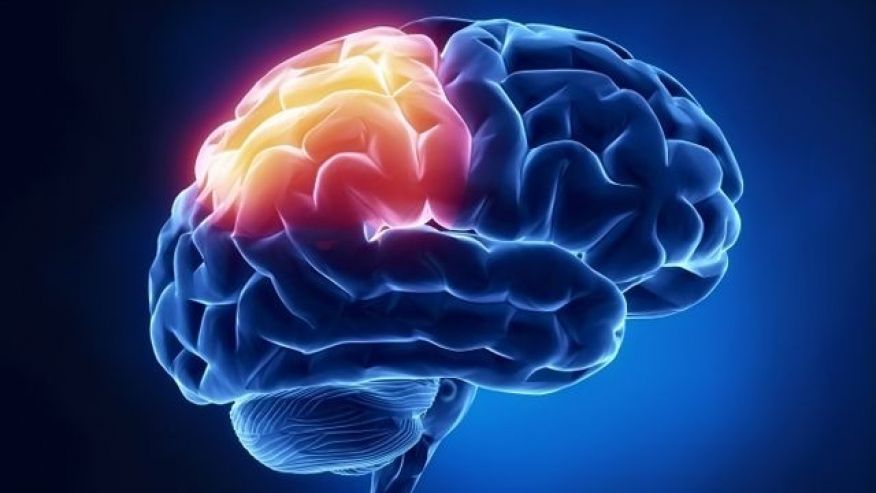
Hypothalamus

Hypothalamus area of the brain and drug addiction. This is the section of the brain that is most affected

Hypothalamus area of the brain and drug addiction: Stress management

Of the components of the brain, the hypothalamus area often bears the greater risk of attack by substance abuse. This is actually the part of the brain that is responsible for several functions including body temperature regulations, hunger, thirst and sleep. Besides these functions, the hypothalamus is also task a key role of the interpretation of how we respond to stress. According to the experts at AWAREmed Health and Wellness Resource Center which is one of the leading pioneers in natural and holistic addiction treatment, we cannot effectively talk about addiction without the mention of stress. Doctor Dalal Akoury MD and also the founder of this facility agree that stress regulation is highly relevant to our understanding of addiction. And that is why we want to explore further into details the effects of addiction on the hypothalamus area of the brain alongside the regulation of stress and withdrawal.

Because of these facts, it is important to note that when an individual is stress, the hypothalamus releases chemicals known as hormones. It is these hormones that allows’ the brain and the body to respond to that stress. Unlike neurotransmitters (which are chemicals limited to the brain) hormones travel throughout the body via the blood system. It therefore means that hormones can exert an effect on other body systems as well. When these chemical hormones operate in the brain, we refer to them as neuromodulators. These hormones (neuromodulators) can act just like neurotransmitters in the brain. Like neurotransmitters, they have their own receptors associated with them.

Stress the relapse trigger

From our studies, it is obvious that stress is a well-known relapse trigger to all users of drugs. It capable of prompt powerful cravings in addicted persons I can therefore say almost with certainty that majority of us in one way or another have come across someone who struggled with an addiction and tried to quitting but ultimately relapsed when they became stressed out. Doctor Akoury says that under normal circumstances, at the beginning periods of recovery withdrawal symptoms often create stress and the vicious cycle continues. It is however very important to appreciate that stress will always prompts the addictive use, while efforts to discontinue use prompt stress.

During withdrawal, these stress hormones are elevated. Even though stress levels are high, the brain’s anti-stress neuromodulators appear to decrease, as do dopamine and serotonin in the nucleus accumbens. This suggests that withdrawal affected the reward system (evidenced by decreasing dopamine and serotonin). At the same time, withdrawal activates the stress and anxiety systems. This “1-2 punch” heightens the negative experience of withdrawal. This prompts people to seek relief via the addictive substance or activity (i.e., relapse).

In summary, the neurotransmitter pathways associated with the amygdala and the hypothalamus play a crucial role in sustaining the addiction process and this occurs thorough:

  • The negative emotional memory that is associated with drug withdrawal
  • The positive emotional memory that is associated with drug cues
  • The disruption that occurs to stress regulation
  • The pleasurable relief from withdrawal symptoms that occurs by resuming drug use or addictive activities

Hypothalamus area of the brain and drug addiction: Stress management

http://www.awaremednetwork.com/

Facebooktwitterpinterestlinkedin
master cells

Addiction rage on the brain system

Addiction rage

Addiction rage on the brain system with all substances causing serious damage to the brain

Addiction rage on the brain system: Significant reversal of drug addiction

There’s no doubt that the addiction rage on the brain is continually getting out of proportion. The naked truth is that drug addiction is causing significant chemical, structural and molecular changes that has literally hijacked the operations of the brain. However, as painful as it may appear, doctor Dalal Akoury MD and a veteran addiction expert who also founded AWAREmed Health and Wellness Resource Center to primarily help all people struggling with addiction related problems says that with goo and professional treatment this can be reversed. Besides, as the recovery process proceeds, the brain continues to heal. Nonetheless even though it is true that many changes do occur in the brain after addiction takes hold, it is also very important to remember that the brain is very dynamic with ever-changing system. That is to say that changes to the brain’s neuronal circuits, chemistry, and structures powerfully drive the addiction forward. However, a strong motivation to change, can just as powerfully counter these changes. It therefore means that people can learn new coping skills on how to counter the addiction rage. Like for instance, they can practice behavioral modification techniques and all these efforts put together will actually counter those damaging changes.

Addiction rage on the brain system: Practicing abstinence

Abstinence from addictive substances or activities can lead to a reversal of many physical changes that occurred during addiction. Combination of therapies like for instance medications and psychotherapy can also help the recovery process by managing the physiological effects of addiction rage as well as the withdrawal symptoms. Cognitive-behavioral treatments work to mend and repair the psychological impact of addiction. Doctor Akoury says that from this discussion, it should come out clearly that the brain is quite amazing. Like for instance it has the capacity to control its own physiology and is highly adaptive. Each behavioral step we make forward has a beneficial physiological effect on the brain. Therefore a sincere effort to change behavior is a powerful tool that mends the damaged brain.

What that communicates is that when we change our behaviors by finding new healthy outlets for satisfying cravings, we succeed in correcting the damaged brain functions. These positive changes form new memory and behavioral circuits in the brain that strengthen and reinforce recovery efforts. Yes, the brain has changed because of the addictive process. Nevertheless, even people with severe addiction problems succeed in overcoming their addiction rage when the rights are done. It is disturbing that many often do so without any professional help and that is why motivation is one of the key we want to give to you should you chose to contact us for help today.

Addiction rage on the brain system: Significant reversal of drug addiction

http://www.integrativeaddictionconference.com/wp-admin


Facebooktwitterpinterestlinkedin
heroin addiction

Defeating addictive habits and formations

Defeating addictive habits

Defeating addictive habits and formations is broad and wide including very essential foods can also be very dangerous

Defeating addictive habits and formations: Craving, withdrawal, relapse and triggers

It may be true that defeating addictive habits and formations can be very difficult once allowed to settles in an individual’s life. This school of thought is supported by several factors including denial and relapse among many others. But all the same this is one theory that needs not to be encouraged because defeating addictive habits is possible and with the right experts like doctor Dalal Akoury MD, President and founder of AWAREmed Health and Wellness Resource Center, this can even be achieved in relatively shorter time.

If you have been there, you will agree with me that besides relapse and denial, withdrawal is such an unpleasant experience that one wouldn’t want to repeat since it serves as a serious influence and a motivation to get back to your old habits. When this finally happens (getting back to your addiction), it becomes much more pleasurable to the victim even as the consequences of addiction sink further. And because of its pleasurable nature, it even becomes more rewarding and therefore it is bound to be repeated again and again.

Some drugs substances like alcohol and opiates, have withdrawal effects that are both physical and emotional. Other drugs or addictive activities may primarily involve around emotional symptoms. This characteristic of addiction occurs because of several changes in the brain meaning that we must do all it takes to ensure that defeating addictive habits and formations including craving, withdrawal, relapse, triggers of addiction are won. And with the help coming from doctor Dalal Akoury MD a veteran expert in addiction and her team of experts from AWAREmed Health and Wellness Resource Center this journey and mission is attained.

Doctor Akoury explains that as drug use or the addictive activities escalates the involvement of various brain regions associated with our emotional state also increases. Therefore the brain region that is most often associated with our emotional state is the extended amygdala. Experts are of the opinion that, this area of the brain plays an important role in addiction because of its association with emotions and stress. And like we had mentioned previously that addiction and stress are closely related, we are going to be looking at the two progressively as we progressed into the discussion.

Defeating addictive habits and formations: Amygdala

We all have memories about various events in our lives which can either be bad or good. These memories and emotions can be affected by amygdala. They can also be can be categorized as good or bad depending on the emotional states that happen during those events we are remembering. It is therefore very important to appreciate that these memories are formed from the brain and up on their formation, they are kept still within the brain along with the emotional attachment that occurred during those events.

In the same way an addicted person may only need to visualize about engaging in his addiction and that will be enough for him to experience pleasure. In that case, the memory of engaging in the addiction is stored with a pleasant emotional state and hence the pleasing memories of engaging with an addiction can lead to repeating those behaviors and eventually forms a habit. That explains why defeating addictive habits and formation is very important. And to effectively do that all you have to do is to call doctor Akoury to schedule for your appointment and your life will never be the same again.

Defeating addictive habits and formations: Craving, withdrawal, relapse and triggers

http://www.awaremednetwork.com/


Facebooktwitterpinterestlinkedin
porn addiction

Psychological factors that affects addiction

Psychological factors

Psychological factors that affects addiction in very many ways

Psychological factors that affects addiction: The brain and drug addiction

With the introduction of the Bio-Psycho-Social-Spiritual (BPSS) model of addiction, responding to the question of how people get addicted to their drugs of choice becomes easy. So far, the psychological factors alongside the biological reasons are some of the pathways through which many people can get addicted to drugs. The biological portion of the bio–psycho–social-spiritual BPSS model considers addiction a brain disease with biological, chemical, and genetic roots.

We now turn our attention to the psychological portion of the BPSS model. The psychological portion of the BPSS model views addiction in different ways. It is important to note that people may get addicted to whatever they are addicted to through various means including the following:

  • It could be as a result of learning the habit from others
  • People may find recovery difficult because of the way they think about things.
  • They may also lack good problem-solving skills.
  • Addiction may occur as a means of coping with uncomfortable feelings.
  • Addiction could also develop because of a personality defect or mental disorder.
  • Addiction may be due to developmental immaturity.

We will explore the psychological factors that affect addiction and recovery in due course however, even if addiction originated because of some biological process, it is important to note that recovery from addiction requires people to become motivated to make significant changes. Psychology is a science that studies what motivates people to behave in certain ways. Therefore people can improve the quality of their lives by learning new behaviors and changing old thought patterns. People can also benefit from increasing their maturity, and improving their copings skills.

Finally to get these full benefits, it is only fair for you to consult with the experts at AWAREmed Health and Wellness Resource Center under the professional guidance of doctor Dalal Akoury. It is worth noting that doctor Dalal Akoury passionately established this facility to primarily transform each individual’s life through increasing awareness about health and wellness and by empowering individuals to find their own inner healing power. The best part of it is that doctor Akoury’s practice are tailored to meet the individual patient’s treatment needs by focuses on personalized medicine through healthy lifestyle choices that deal with primary prevention and underlying causes instead of patching up symptoms.

The primary prevention is very fundamental and when achieved all other complications will be easy to address and contain. That is our desire and that is why speaking to us should be your starting point. And for more information and treatment, you can therefore call us at AWAREmed Health and Wellness Resource Center on telephone number 843 213 1480 today to mark the beginning of freeing yourself from all the psychological factors and effects of addiction on the hypothalamus area of your brain and all other organs of your body today.

Psychological factors that affects addiction: The brain and drug addiction

http://www.awaremednetwork.com/


Facebooktwitterpinterestlinkedin
drug abuse

Family participation in solving addiction complications

Family participation

Family participation in solving addiction complications is very fundamental in delivering timely healing

Family participation in solving addiction complications: Drug addiction recovery

The family participation in solving drug addiction complications is not only essential but also timely. When the whole family is involved, the end product will be loaded with a lot more than just healing from addiction. With this kind of therapy where everyone is taking part all the loose ends will be tied up and weak relationship made stronger, unity is restored and the common family agendum is given a chance once more. The best part of it is that children born in this new relationship will not have wrong mentors and parents will equally have the moral authority to instill discipline in their children as they grow up.

Besides the aforementioned, experts from AWAREmed Health and Wellness Resource Center registers that being a family disease, those who have been affected by addiction may take years to recover, as they rebuild and stabilize their lives, independent of what the alcohol and drug addicted family member does. Without question, it can seem overwhelming, but as we have already stated that commitment to the recovery process is also a commitment to the overall well-being of the whole family. Therefore very constructive and active family participation in the recovery process is essential if the family is to heal from the destructive impact of addiction. To keep hopes alive, the whole family needs a variety of supports, information and skills including the following:

Family participation in solving addiction complications: End the isolation and connect

By discouraging all kinds of isolation and willingly coming out to face the problem is a step in the right direction. Through this the victim is able to associate with the right kinds of people either by joining an education or support group. Under such environments understanding how addiction affects the whole family as well as the direct victim becomes easier. The family participation will enable them to learn new communication skills towards restoring any communication link that may have been destroyed by this act of addiction in the first place.

Family participation in solving addiction complications: Detachment and responsibility

Drug addiction often creates room for neglect of responsibilities. Learning on how to make progress on the detachment with love of the substance is very key to the restoration of one’s self. The success of this through the family participation will enable the patient to refocus on assuming responsibility for our own behavior. They will be able to quit their old habits which are full of denial and blame game and re-energize on keeping the new found life free from addiction and make it work for prosperity. The best part of it all is that with the family participation, they will be able to adequately prepare for any eventuality of relapse and deal with it effectively for the good of the victim and the whole family.

Finally as we settle on solutions to this problem, we must all appreciate that family recovery is very ideal and realistic for millions across the globe, and because of this hope, help, and healing of family recovery has become the most powerful way to break the intergenerational cycle of alcoholism and addiction in the family thereby bringing restoration to where hope was dying and discouragement was thriving. You can speak to us at AWAREmed Health and Wellness Resource Center about all concerns you may have in relation to alcoholism and addiction as potential factors of family pain and we will gladly come to your aide.

Family participation in solving addiction complications: Drug addiction recovery

http://www.awaremednetwork.com/



Facebooktwitterpinterestlinkedin