Category Archives: addiction

addiction

Heroin overdose and drug abuse management

Heroin overdose

Heroin overdose and drug abuse management. Heroin accessibility and affordability hindering treatment to the deserving communities

Heroin overdose and drug abuse management: Why do people Abuse Drugs

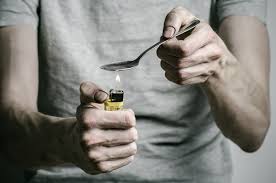
It is worrying the rate at which substance abuse is becoming a daily routine in most societies. Today heroin overdose is on the rise and managing drug abuse is becoming very difficult due to very many factors including the easy accessibility of these drugs in our streets. With the help of experts from AWAREmed Health and Wellness Resource Center, we want to share with you some points you need to know about the impact of heroin overdose in our societies today. And as we turn our focus on this, we are going to primarily look at the heroin overdose and drug abuse management, what are the available options we have in the fight a against drug abuse. Doctor Dalal Akoury MD is going to highlight on what we need to know about this problem. The following are some of the points for consideration:

  • Majority of new users get to heroin as a result of addiction to prescription drugs.
  • Quitting heroin is the easy part the hard part is staying off.
  • The users trying to quit for good run the greatest risk of overdose.
  • We could stop people from dying of overdose, except we can’t find them.

Heroin overdose and drug abuse management: Majority of new users get to heroin as a result of addiction to prescription drugs

Heroin users like any other drug abuser are not really copying this practice from their favorite rock musicians. Currently the available statistics indicates that about 80% of new heroin users are lured into the drug after becoming addicted to the prescription pain medication. Due to a new medical focus on treating pain alongside false advertising by pharmaceutical companies, opiate painkiller prescriptions exploded from 76 million in 1991 to 219 million in 2011. The translation of this is that almost one for every American adult. This has necessitated the authorities to begin responding to the growing addiction and heroin overdose among other drugs by cracking down on prescription excess and fraudulent pill mills. With the intervention of the authorities, those patients who found themselves addicted when their prescriptions ran out of supply, resorted for the cheap accessible pills on the street. Many switched from $50 Oxycontin pills to $10 doses of heroin. That is why it is very essential that government agencies and medical professionals keep working together to reduce our reliance on opiate painkillers.

Finally with this kind of stringent regulation, many opiate-addicted patients are cut off from their legal supply, and will certainly turn to heroin further complicating the drug abuse management. It is time to address our society’s heroin problem from the front line collectively and individually. Expert experiences will be very vital along the way and should you be in need, doctor Dalal Akoury will be waiting to help you professionally.

Heroin overdose and drug abuse management: Why do people Abuse Drugs


Facebooktwitterpinterestlinkedin
cocaine-addiction1

Addressing heroin overdose and drug abuse complications

Addressing heroin overdose

Addressing heroin overdose and drug abuse complications. Heroin long term effects on the body organs. The drug abuse development into addiction complications often begins little by little and grows in to serious health complication.

Addressing heroin overdose and drug abuse complications: Why do people Abuse Drugs

In one of the drug addiction forum, doctor Dalal Akoury MD and founder of AWAREmed Health and Wellness Resource Center while addressing heroin overdose indicated that quitting heroin is no problem, the real problem is staying off the addiction. This is true because a serious heroin user who misses a dose or two suffers the painful withdrawal symptoms. Worse than the physical symptoms are the debilitating depression and the knowledge that just one dose would make all the pains go away. In a few days, withdrawal ends but the cravings do not. Long-term heroin use causes users to hunger for heroin just in the same way we often hunger for food. Most users today have been through treatment multiple times, and only five to fifteen percent stay off for good. It is not a question of low self-control, cravings never ends, it may not show for a while but when triggered, it may not matter how long you have been off the drugs you are still able to relapse.

The society is not helping either. We often feel adamant in accepting the rehabilitated addicts or those who have served their jail terms. Take for example many organizations are not willing to absorb former convicts in job positions. Actually very few if will hire someone with a criminal record, especially for heroin. Just when users need help rebuilding a stable life, their criminal records cripple their job applications and bar them from college loans, assistance programs and professional licenses.

Addressing heroin overdose and drug abuse complications: The users trying to quit for good run the greatest risk of overdose.

Regular heroin users know how much of the drug their bodies can take. They increase their habit slowly, building up a high opiate tolerance. But when they quit, their bodies rapidly lose this tolerance. If they stay clean for a few weeks and then inject their usual dose, the dose may be fatal. If you followed the story of the young boy who only after two weeks of freedom from jail term, borrowing his friend’s car, his tolerance dropped enough that the usual dose killed him.

Others die from taking heroin with cocaine and alcohol, or from bad batches that the dealer mixed poorly or blended with toxic substances. Bad batches are par for the course, since the dealer’s only qualification as a pharmacist is his willingness to risk his life and the lives of others. But the most common reason for overdose is relapse use. In fact, studies show that people who die of heroin overdose actually have on average lower levels of heroin in their bodies than living users. This means that it is the people trying hardest to quit who are at the greatest risk of dying.

Addressing heroin overdose and drug abuse complications: We could stop people from dying of overdose, except we can’t find them.

Many are surprised to learn that heroin overdose deaths are entirely preventable. Naloxone which is administered by injection or nasal spray reverses overdose within seconds by dislodging the drug from the brain’s opiate receptor sites. Naloxone is available in hospitals and is often carried by paramedics and some police officers. In a small number of cities, community-based overdose programs train users, family and friends to administer naloxone. All this in an attempt of addressing heroin overdose and drug abuse complications. You can also seek for more clarity from doctor Dalal Akoury at your convenience.

Addressing heroin overdose and drug abuse complications


Facebooktwitterpinterestlinkedin
Group of people doing stretching exercises.

Detoxification therapies healing techniques

Detoxification therapies

Detoxification therapies healing techniques made simple

Detoxification therapies healing techniques

Detoxification therapies applies a variety of healing techniques after a diagnosis is made. The first step is to eliminate a patient’s exposure to all toxic or allergenic substances. These include heavy metals, chemicals, radiation (from x-rays, power lines, cell phones, computer screens, and microwaves), smog, polluted water, foods, drugs, caffeine, alcohol, perfume, excess noise, and stress. If mercury poisoning has been determined, the patient will be advised to have mercury fillings from the teeth removed, preferably by a holistic dentist. Besides that doctor Akoury registers that during the detox process several activities take place which may include the following:

  • Specific treatments are used to stimulate and assist the body’s detoxification process. Dietary change is immediately enacted, eliminating allergic and unhealthy foods, and emphasizing foods that assist detoxification and support healing.
  • Detoxification diets are generally low in fat, high in fiber, and vegetarian with a raw food emphasis. Processed foods, alcohol, and caffeine are avoided.
  • Nutritional supplements such as vitamins, minerals, antioxidants, amino acids, and essential fatty acids are often prescribed.
  • Spirulina is a sea alga that is frequently given to assist in eliminating heavy metals.
  • Lipotropic agents are certain vitamins and nutrients that promote the flow of bile and fat from the liver.
  • Many herbal supplements are used in detoxification therapies as well. Milk thistle extract, called silymarin, is one of the more potent herbs for detoxifying the liver.
  • Naturopathy, Ayurvedic medicine, and traditional Chinese medicine (TCM) recommend numerous herbal formulas for detoxification and immune strengthening. If infections or parasites have been found, these are treated with herbal formulas and, in difficult cases, antibiotics.
  • For toxic bowel syndrome and digestive tract disorders, herbal laxatives and high fiber foods such as psyllium seeds may be given to cleanse the digestive tract and promote elimination.
  • Colonics are used to cleanse the lower intestines. Digestive enzymes are prescribed to improve digestion, and acidophilus and other friendly bacteria are reintroduced into the system with nutritional supplements.

Chelation therapy is used by detoxification specialists to rid the body of heavy metals. These are particular substances that bind to heavy metals and speed their elimination.

Sweating therapies can also detoxify the body because the skin is a major organ of elimination. Sweating helps release those toxins that are stored in the subcutaneous (under the skin) fat cells. Saunas, therapeutic baths, and exercise are some of these treatments. Body therapies may also be prescribed, including massage therapy, acupressure, shiatsu, manual lymph drainage, and polarity therapy. These body therapies seek to improve circulatory and structural problems, reduce stress, and promote healing responses in the body. Mind/body therapies such as psychotherapy, counseling, and stress management techniques may be used to heal the psychological components of illness and to help patients overcome their negative patterns contributing to illness.

Detoxification therapies healing techniques: Side effects

Finally according to the experts from AWAREmed Health and Wellness Resource Center, doctor Dalal Akoury MD, says that during the detoxification process, patients may experience side effects of fatigue, malaise, aches and pains, emotional duress, acne, headaches, allergies, and symptoms of colds and flu. This should not worry you much as they are often seen as part of the healing process. Sometimes these reactions are also referred to us healing crises, which are caused by temporarily increased levels of toxins in the body due to elimination and cleansing. If you have further concerns you may want to share with doctor Akoury, you can call today on telephone number 843 213 1480 for a one on one deliberations.

Detoxification therapies healing techniques


Facebooktwitterpinterestlinkedin
Drug administaration

Toxic substance testing and detoxification

Toxic substance testing

Toxic substance testing and detoxification that delivers victims from their addiction complications

Toxic substance testing and detoxification: The liver functions

Detoxification specialists use a variety of tests to determine the causes contributing to toxic conditions. These causes include infections, allergies, addictions, toxic chemicals, and digestive and organ dysfunction. Blood, urine, stool, and hair analyses, as well as allergy tests, are used to measure a variety of bodily functions that may indicate problems. Detoxification therapists usually have access to laboratories that specialize in sophisticated diagnostic tests for toxic conditions which is very helpful in toxic substance testing and detoxification therapies thereafter. People who have toxemia are often vulnerable to infection because their immune systems are weakened. Infections can be caused by parasites, bacteria, viruses, and common yeast. Therapists will screen patients for underlying infections that may be contributing to illness.

Doctor Dalal Akoury says that for good result, the liver function must be studied closely with blood and urine tests because the liver is the principle organ in the body responsible for removing toxic compounds. When the liver detoxifies a substance from the body, it does so in two phases. Tests are performed that indicate where problems may be occurring in these phases, which may point to specific types of toxins. Blood and urine tests can also be completed that screen for toxic chemicals such as PCBs (environmental poisons), formaldehyde (a common preservative), pesticides, and heavy metals.

Another useful blood test is a test for zinc deficiency, which may reveal heavy metal poisoning. Hair analysis is used to test for heavy metal levels in the body. Blood and urine tests check immune system activity, and hormone levels can also indicate specific toxic compounds. A 24-hour urine analysis, where samples are taken around the clock, allows therapists to determine the efficiency of the digestive tract and kidneys. Together with stool analysis, these tests may indicate toxic bowel syndrome and digestive system disorders. Certain blood and urine tests may point to nutritional deficiencies and proper recovery diets can be designed for patients as well.

Detoxification therapists may also perform extensive allergy and hypersensitivity tests. Intradermal (between layers of the skin) and sublingual (under the tongue) allergy tests are used to determine a patient’s sensitivity to a variety of common substances, including formaldehyde, auto exhaust, perfume, tobacco, chlorine, jet fuel, and other chemicals.

Food allergies require additional tests because these allergies often cause reactions that are delayed for several days after the food is eaten. The RAST (radio allegro sorbent test) is a blood test that determines the level of antibodies (immune-globulins) in the blood after specific foods are eaten. The cytotoxic test is a blood test that determines if certain substances affect blood cells, including foods and chemicals. The ELISA-ACT (enzyme-linked immune-serological assay activated cell test) is considered to be one of the most accurate tests for allergies and hypersensitivity to foods, chemicals, and other agents. Other tests for food allergies are the elimination and rotation diets, in which foods are systematically evaluated to determine the ones that are causing problems.

Before the therapist could do anything on the patient, it is important that they first carry out an evaluation on the patient and counsel patients closely to determine and correct lifestyle, occupational, psychological, and emotional factors that may also be contributing to illness. Up on establishing this, then treatment can commence. We at the home of solution (AWAREmed Health and Wellness Resource Center under the able leadership of doctor Dalal Akoury we will do that professionally to make sure that not stone is left unturned.  We understand what is happening to you and toxic substance testing and detoxification therapies are very powerful tools of reinstating your health to perfection. You can talk to us today by scheduling for an appointment with doctor Dalal Akoury and we will not disappoint.

Toxic substance testing and detoxification: The liver functions


Facebooktwitterpinterestlinkedin
Autoimmune diseases no more

Conventional medication and cancer management

Conventional medication

Conventional medication and cancer management work essentially well if substance abuse is eliminated completely

Conventional medication and cancer management

The pain that comes from cancer often starts with the disease cancer itself. Did you know that tumors can put pressure on bones or organs, or even nerves? The pain we feel often doesn’t originate from the presence of cancer alone. Instead the chemicals produced by a tumor can also create a lot of pain. This is a case where you want a root-cause solution, not just something to mask the problem. And besides, it must be said that conventional medication or treatment often causes additional pain. Take for example surgery is very painful, radiation can cause burning sensations and chemotherapy automatically introduces a host of painful side effects including the nerve damage and mouth sores. As if that is not enough many doctors often give opioid prescriptions like codeine and morphine. The truth under these circumstances such opioids only succeed in suppressing the pain for a while and not addressing the root cause of the problem. The most painful thing is that such medications will cause severe side effects to the patient.

Understanding painkillers as they are

To get the clear picture let us look at the common opioid painkillers. What do you know about them? They cause constipation, sedation, and possible addiction. Typically, it takes larger and larger doses to do the job as the patient develops a tolerance for the drug. NSAIDs like aspirin and ibuprofen carry the danger of gastrointestinal bleeding. They are, in fact, a leading cause of ulcers and death. Acetaminophen (the active ingredient in Tylenol) damages the liver. Acetaminophen is not an anti-inflammatory and in my view is the least satisfactory solution to pain. It’s of no benefit at all in treating the underlying condition, whether it is cancer, arthritis, allergies or something else.

If you we given a chance to make a choice between addressing the root cause of the problem and finding a quick solution for the pain you are going through, like many other people you will opt for pain relief. This is where all of us go wrong and doctor Dalal Akoury is one of the medical professionals who is standing out to bring a positive difference in the life of people. Realizing that patients across the globe including cancer patients are causing more problems by opting for the short term solutions, she made a decision to create a medical center (AWAREmed Health and Wellness Resource Center) whose main objective is to transform each individual’s life through increasing awareness about health and wellness and by empowering people both the direct and indirect victims into finding their own inner healing power. The purpose of this is to create awareness to people so that instead of going for the short cut, they can have a little endurance and have the real issue addressed.

For over two decades now doctor Dalal Akoury has been offering solutions to people across the globe and your condition will not be an exemption. Therefore if you or anyone you know is painfully struggling with cancer pain or even cancer disease, then you can be that good ambassador for healthy change that will deliver health and comfort for all the suffering communities. All you need to do is to schedule for an appointment with the institution of experts (AWAREmed Health and Wellness Resource Center) and doctor Dalal Akoury will be there to help you in great confidence and professionally. Finally management of cancer pain using herbs is very essential for all cancer patients. We have covered the first portion and in our next article we are going to take time into understanding how herbs can be of benefits in solving the problem of chronic pain that is associated with cancer. I encourage you to stay on the link to continue getting more informative health information with the real experts.

Conventional medication and cancer management


Facebooktwitterpinterestlinkedin