Category Archives: natural addiction recovery

Alcoholism malnutrition effect

Alcoholism malnutrition effect

Alcoholism malnutrition effect are real and can knock on your doorstep at any time if you don’t stop using alcohol

Alcoholism malnutrition effect: Liver toxicity: Liver toxicity

Being malnourished deprives the body of essential nutrients for health and body comfort. We must ensure that the body gets all the food nutrients it needs. In doing so, we’ll meet some obstacle along the way one of them being the element of substance abuse. For a better understanding, we want to focus on the topic alcoholism malnutrition effects progressively. We are doing this as a way of supporting the noble assignment of defeating the scourge of addiction from our societies. In that respect doctor, Dalal Akoury who is also the founder of AWAREmed Health and Wellness Resource Center is going to take us through the discussion and we want to appeal to you to keep on the link and invite a friend so that we can have a healthy learning experience together. Meanwhile, if this is causing you any problem, you can always consult with the experts from AWAREmed Health Center for further professional direction.

Alcoholism malnutrition effect: Why does alcohol addiction cause malnutrition?

By all standards, alcohol is the world’s most abused substance. Ironically, it is also the biggest revenue earner to the authorities in terms of tax levies. In other words am simply saying that despite the serious health consequences, it is legally allowed for consumption. I have always appreciated that most authorities have put certain restrictions as controlling measures to minimize its consumption, but the truth is, these has not yielded any positive result. This is because the effects of alcohol consumption can be felt in all our families whether directly or indirectly.

Our learning institutions are not spared either. Young boys and girls are drinking disorderly to the amazement and deterioration of our morals. Now to the question “why do we say that alcohol addiction causes malnutrition”? It will surprise you to note that in this generation many alcoholics across the globe are malnourished for various reasons.

Take, for example, victims of alcohol abuse suffers high risk of being malnourished either because they take in very little of essential nutrients like carbohydrates, proteins, and vitamins, or because alcohol and its metabolism inhibit their body from performing its duty of properly absorbing, digesting and using those nutrients as effective as it should. This, therefore, brings in the significance of alcohol addiction in malnutrition in the picture. It is no wonder majority of alcohol consumers and particularly the alcoholics frequently experience deficiencies in vital food nutrients including proteins and vitamins, particularly vitamin A. the danger of these deficiencies is that if not addressed in good time, the victims risk being affected by serious and chronic liver disease and other serious alcohol–related disorders.

A complex relationship exists between a person’s alcohol consumption and nutritional status. Many people, including light to moderate drinkers who consume one to two glasses or less of alcoholic beverage per day, consider those beverages a part of their normal diet and acquire a certain number of calories from them. When consumed in excess, alcohol can cause diseases by interfering with the nutritional status of the drinker. For example, alcohol can alter the intake, absorption into the body, and utilization of various nutrients. In addition, alcohol exerts some harmful effects through its breakdown (i.e., metabolism) and the resulting toxic compounds, particularly in the liver, where most of the alcohol metabolism occurs. This explains why you need to schedule an appointment with doctor Akoury now for help.

Alcoholism malnutrition effect: Liver toxicity

http://www.integrativeaddictionconference.com/wp-admin


Facebooktwitterpinterestlinkedin
neurotransmitters-and-mood-symptoms

Mesolimbic pathways and drug seeking

Mesolimbic pathways

Mesolimbic pathways and drug seeking. We’ve got to clean our mind from all intoxication of drug addiction

Mesolimbic pathways and drug seeking: Drug cravings to the brain

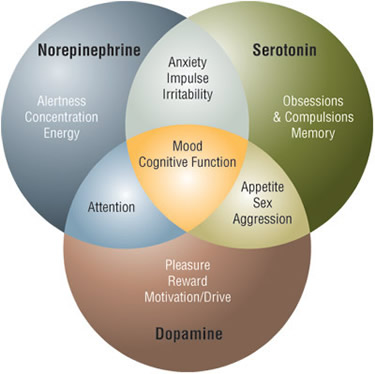
From our basic understanding of the purpose and functioning of the brain’s reward system in the previous postings, we can interrogate it a little bit further in several ways. The circuit most associated with pleasure and reward is the mesolimbic pathways which are located in the brainstem. The objective of this area of the brain is primarily concerned with basic survival. Within the mesolimbic pathways is an area called the ventral tegmental area (VTA). The VTA projects to the nucleus accumbens (thought to be the reward center). The neurotransmitter most commonly linked with the mesolimbic system is dopamine. Many people consider dopamine to be the driving force behind the human pursuit of pleasure. The release of dopamine is a pleasurable sensation. The release of dopamine motivates us to repeat behaviors or activities that prompted this release. This system’s purpose was to promote survival by rewarding life-sustaining behaviors such eating and procreation.

All addictive drugs and activities release varying amounts of dopamine into the nucleus accumbens with stimulant drugs like cocaine and methamphetamine releasing the most. However, when it comes to drugs like alcohol or heroin, the brain’s own opiate system (endorphins) also gets involved. Doctor Akoury further says that even though different forms of addictions have different effects in the nucleus accumbens, they share one common denominator that they all activate the reward system which in turn motivates us to repeat those behaviors, even though they may be harmful. Besides what we have discussed about the concepts of reward, pleasure, and craving together, it is however very important to appreciate that there is a distinction between pleasure-seeking and drug seeking. Note that pleasure-seeking is all about the pleasurable, rewarding aspect of addiction while drug-seeking refer to the craving aspect of addiction. Dopamine may be more involved in drug-seeking (craving) component of addiction. The opiate (endorphin), GABA, or glutamatergic systems may be more involved in a pleasure-seeking aspect of addiction too.

Mesolimbic pathways and drug seeking: Keeping the brain free from all attacks

Pleasure-seeking and drug-seeking (cravings) are interrelated, yet distinct. Research has established that natural rewards (food, water, sex) typically lessen their influence on the reward system over time. As a behavior occurs more often, dopamine levels tend to decrease in the process. Psychologists call this habituation. This makes sense. Once you’ve eaten enough food, you don’t need to be rewarded for eating more food. Then you would be eating too much, or too much of one type of food. Therefore everyone needs to take heed of keeping the brain free from all attacks be it from substances or otherwise. Talking to the experts at AWAREmed Health and Wellness Resource Center under the able leadership of doctor Dalal Akoury should be your starting point. Call and make that appointment today for the commencement of your journey to full recovery from your addiction.

Mesolimbic pathways and drug seeking: Drug cravings to the brain

http://www.integrativeaddictionconference.com/wp-admin



Facebooktwitterpinterestlinkedin
Tools of addiction

Drug use cravings and the brain

Drug use cravings

Drug use cravings and the brain have nothing in common

Drug use cravings and the brain: Addictions effect on the brain’s reward system

The delicate functions of the brain demand that at no given time must we have an unhealthy brain. The problem of drug use cravings will, however, not allow this to be. And because the brain is the brain’s reward system which is part of the survival system, in many instances we often experience an urgent need for food whenever we are starving and generally have a powerful desire for sex too. According to doctor Dalal Akoury, MD President and founder of AWAREmed Health and Wellness Resource Center, the brain’s reward system rewards food and sex because they ensure our survival. Unfortunately, drugs of abuse operate within these reward systems which leads people to experience an urgent need or powerful desire for drugs or addictive activities.

The brain’s reward system has ensured our species survival. You may not have known but food, water, and sex are some of the elements that activate the reward system. Therefore when the brain’s reward center is activated, it releases dopamine which then creates a pleasing, enjoyable sensation to motivate us into repeating these behaviors necessary for our survival. That is happening because dopamine has rewarded us with a pleasurable feeling. Doctor Akoury recommends that from an evolutionary standpoint, it is helpful to have a reward system that works.

For example, when there is very little food and you’re wandering around looking for food, and when you finally find something to eat, this triggers your reward system. This pleasing feeling (dopamine “reward”) will become associated with whatever behavior that led you to that food. This causes you to want to repeat that behavior. Moreover, the reward system is closely tied to emotional and subjective memories. If you were successful and found food in a particular place for instance, in the future you will want to look for food in the same location. This reward system increases the likelihood that you will be successful in finding food there the next time. This is because your brain chemicals are rewarding you with a pleasing sensation. It also helps you to remember how and where this pleasant feeling occurred.

Drug use cravings and the brain: Negative dopamine reward sensation

It will come to you as a surprise that the element that motives your survival is the very same reward system that ensures your survival and also rewards drug use. Doctor Akoury reiterates that all addictive substances and activities will trigger the release of dopamine which rewards us with a pleasant sensation thereby succeeding in motivating us to continuously indulge in these harmful behaviors. It is nowadays common knowledge that peoples with addiction problems will all it takes to get their drug of choice and in the same way, they continue with their addiction despite the harm it causes to themselves or their loved ones. It is therefore very important to note that all these characteristic of addictive behaviors arise from the brain’s pleasure and rewards centers. Therefore seeking for lasting solutions becomes a must to do for all victims. This may not be a very popular thing owing to the addictiveness of some of these drugs, but nonetheless, it is the best option if you want to have a healthy life that is free from all sorts of addiction. You can schedule an appointment with doctor Dalal Akoury for the commencement of your journey to recovery.

Drug use cravings and the brain: Addictions effect on the brain’s reward system

http://regenerativepotential.com/wp-admin


Facebooktwitterpinterestlinkedin
over the counter drug abuse

Relapse prevention obstructions

Relapse prevention obstructions

Relapse prevention obstructions will always be there but you can change that by being positive and active

Relapse prevention obstructions: Threatening signs and coping skills

One of the big impediments in dealing with substance abuse is relapse prevention obstructions. Relapse itself is an obstacle and its triggers are even making the already delicate situation more disturbing. This is a serious drawback to many recovering addicts across the globe. We must stand out in addressing this problem to succeed in the fight against drug addiction. It is important to understand the relapse threatening signs and coping skills to have a good starting point in defeating drug addiction. According to the experts at AWAREmed Health and Wellness Resource Center, relapse is a process that comes in different stages and that is going to be our starting point in this discussion. Doctor Dalal Akoury is going to take us through the discussion and therefore I want to ask you to stay on the link and be empowered in your individual fight against the scourge of addiction today.

Relapse prevention obstructions: Stages of Relapse

Relapse is a process, it’s not an event – Doctor Akoury says that in order to understand relapse prevention you have to understand the sequences of relapse. Being a process and not an event, relapse often starts weeks or even months before the event of physical relapse. In this page, you will learn how to use specific relapse prevention techniques for each stage of relapse. There are three stages of relapse and they may include:

  • Emotional relapse
  • Mental relapse
  • Physical relapse

Relapse prevention obstructions: Emotional Relapse

In emotional relapse, you’re not thinking about using – But your emotions and behaviors are setting you up for a possible relapse in the future unless something is done today and now. This is not a joke for it hit hard your health and can be very fatal. It’s important that treatment is sought in good time. For timely treatment, you can schedule an appointment with doctor Dalal Akoury for her professional touch on your situation. In the meantime, the following are some of the signs of emotional relapse you need to be wary of:

  • Anxiety
  • Intolerance
  • Anger
  • Defensiveness
  • Mood swings
  • Isolation
  • Not asking for help
  • Not going to meetings
  • Poor eating habits
  • Poor sleep habits

Relapse prevention obstructions: Emotional relapse signs and post-acute withdrawal symptoms

If you understand what post-acute withdrawal is, then it will become easier to avoid relapse, because the early stage of relapse is easiest to pull back from. In the later stages, the pull of relapse will get stronger and the sequence of events moves faster thereby confirming the important phrase of prevention being better than cure. Before we get into the discussion about the early relapse prevention, it is important to note that dealing with relapse is not an easy assignment. Many people often fall along the way because they do not have the skills or techniques of dealing with this problem. Nevertheless, there is hope with doctor Akoury MD who is also the founder of AWAREmed Health and Wellness Resource Center whom can be reached through that telephone number 843 213 1480 for any appointment needs.

Relapse prevention obstructions: Threatening signs and coping skills


Facebooktwitterpinterestlinkedin
drug addiction treatment

Fake drug use urges and relapse

Fake drug use urges

Fake drug use urges and relapse must be resisted for the true restoration of health to take effect

Fake drug use urges and relapse: Dealing with mental urges

When going through drug addiction rehabilitation, you will need a lot of support from everybody. This is important because it is during this time that fake drug use urges will be very persistent. If you have been in the recovery program and you are almost succeeding, temptations will become and fake drug use urges will multiply. But in all these, be on the lookout for the mental relapse solutions techniques for dealing such urges. You can’t come this far to allow any urge to take you back, but you must learn to say no. It will not be easy and lots of disappointments will be there but be still, remain focus even if you are alone away from your support team reiterates doctor Dalal Akoury MD and founder of AWAREmed Health and Wellness Resource Center.

Remember that relapse is a good skimmer. It comes when the surrounding is conducive. When your spouse who has been helping you keep off drugs is away for the weekend or on a trip. At this point when you’re vulnerable relapse strikes harder but whatever the case, do not be deceived that you don’t have a problem because you’re not on this journey for of recovery for your spouse or your work. Remain focus because that urge is fake. Remind yourself of the negative consequences you’ve already suffered, and the potential consequences around the corner if you relapse again.

Fake drug use urges and relapse: Tell someone that you’re having urges to use

Call a friend, a support, or someone in recovery. Share with them what you’re going through. The magic of sharing is that the minute you start to talk about what you’re thinking and feeling, your urges begin to disappear. When you think about drugs, try to occupy yourself with something to distract you from that feeling. You could call a friend, go to a meeting, get up and go for a walk. Do something productive. Remember that most urges usually last for less than 15 to 30 minutes. When you’re in an urge, it feels like an eternity. But if you can keep yourself busy and do other things you’re supposed to do, it’ll quickly be gone.

Fake drug use urges and relapse: Take your recovery gradually and relax

Don’t think about whether you can stay abstinent forever. That’s a paralyzing thought. It’s overwhelming even for people who’ve been in recovery for a long time. One day at a time means you should match your goals to your emotional strength. When you feel strong and you’re motivated to not use, then tell yourself that you won’t use for the next week or the next month. But when you’re struggling and having lots of urges, and those times will happen often, tell yourself that you won’t use for today or for the next 30 minutes. Do your recovery in bite-sized chunks and don’t sabotage yourself by thinking too far ahead. Relaxation is an important part of relapse prevention because when you’re tense you tend to do what’s familiar and wrong, instead of what’s new and right. When you’re tense you tend to repeat the same mistakes you made before. When you’re relaxed you are more open to change. For more call us on telephone number 843 213 148 and we will help you out professionally.

Fake drug use urges and relapse: Dealing with mental urges


Facebooktwitterpinterestlinkedin