Category Archives: natural addiction recovery

Drug-Abuse

Chemical manipulation and dependence

Chemical manipulation

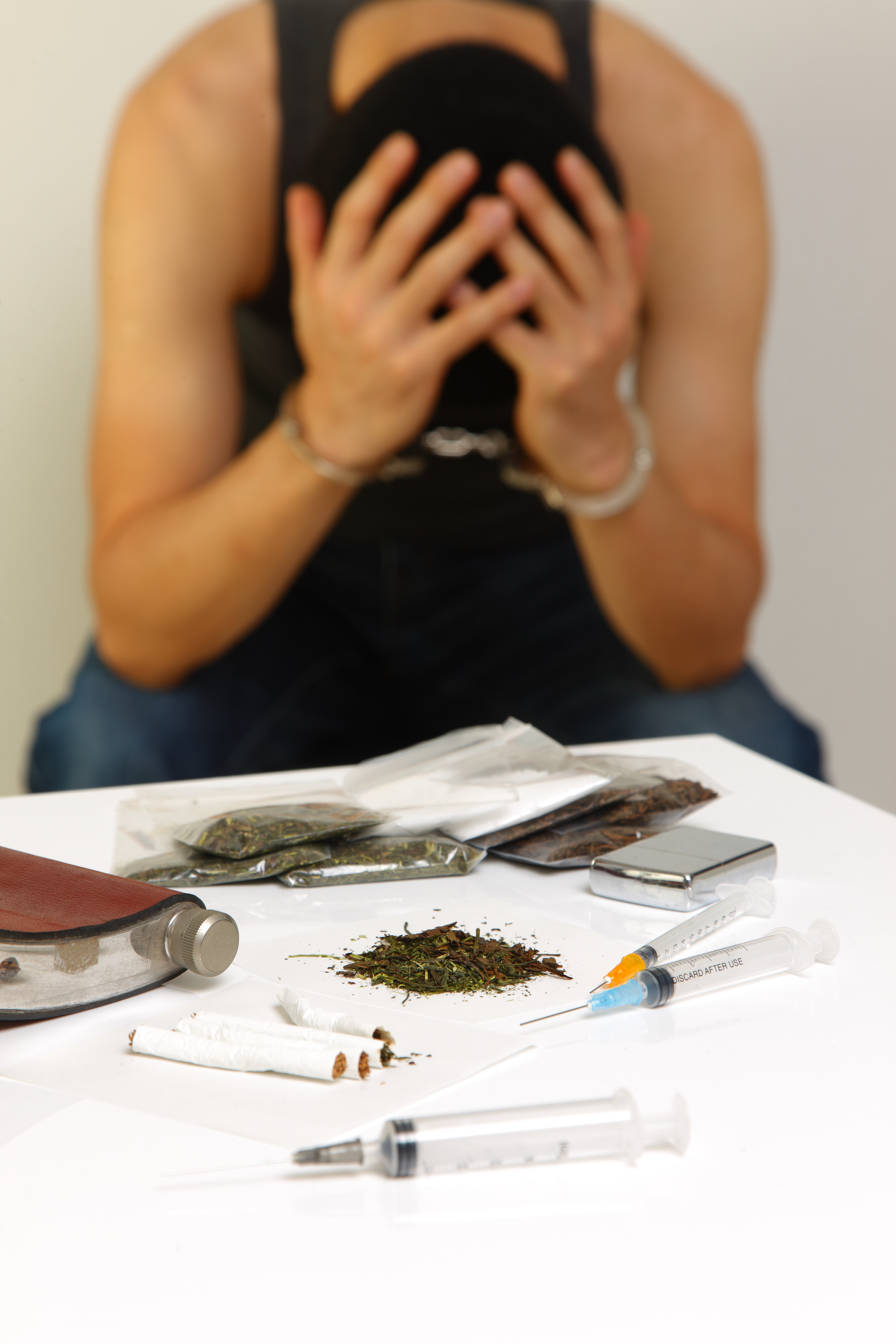
Chemical manipulation and dependence are the worse enemies of addiction treatment

Chemical manipulation and dependence: Addiction Treatment?

While substance abuse is giving everyone sleepless nights, drug users are not helping in any way. Instead, they’re graduating from this addiction to chemical manipulation which is also very dangerous health wise. Understanding this would be very key in unlocking the stalemate that comes with drug addiction complications. It is true that so many people these days are not using alcohol or other drugs instead they are trying the use of chemicals in order to achieve their desired goals. In the process, some will rarely experience any negative consequences while others will. However, many people and this is very common, drink or use drugs problematically and disorderly thereby landing themselves in serious health and social problems. According to the experts at AWAREmed Health and Wellness Resource Center under the able leadership of doctor Dalal Akoury, those who use chemicals and experience negative consequences are scientifically known as “chemical abusers.” Some of these people are able to stop abusing by modifying their own behavior and using community supports, allowing them to eliminate the negative consequences. However, for those who are unable to effectively modify their behavior and whose use continues to be problematic, formal treatment interventions are recommended says doctor Akoury.

Chemical dependence is a complex disease. It is often characterized by compulsive which may be very difficult to manage. Take for instance the problem of uncontrollable – craving, seeking and use that persist even in the face of extremely negative consequences. This disorder is a chronic condition with a high probability of relapse; it affects both the physical and mental health of the dependent individual. It also negatively affects interpersonal relationships with family members, relatives, and friends of the addicted person. As such, the disease results in both physical and behavioral manifestations.

The addiction and resultant compulsion for alcohol or drugs can take over the individual’s life, leading to a wide range of dysfunctional behaviors that interfere with the family, workplace and broader community interactions. The problem is further magnified by the fact that most chemical dependents live in denial and fail to admit that they have a problem. They may show poor judgment, lack impulse control, and show marked mood swings. Persons with addiction can become preoccupied with alcohol or drugs and can be extremely careful in protecting their supply. Glamorizing the use of chemicals along with joyous memories of being “high” is also frequently associated with addiction.

Chemical manipulation and dependence: Associating drug addiction with other chronic health conditions

Expert at AWAREmed Health and Wellness Resource Center are very categorical that people get into the addiction for various specific reasons that are unique to those individuals. Besides that, it is also important to note that addiction is a chronic and progressive medical condition with genetic, physical and behavioral components. It is closely associated with other chronic medical conditions like hypertension, diabetes, and asthma, all of which can be treated effectively says doctor Dalal Akoury.

Finally, for you to effectively get this treatment, your choice of treatment facility matters the most. That is why doctor Dalal Akoury founded AWAREmed Health and Wellness Resource Center to primarily offer treatment for all patients suffering from all kinds of drug addiction and all other chronic conditions associated with addiction. You can become part of the many beneficiaries by scheduling an appointment with doctor Akoury today for the commencement of your recovery process.

Chemical manipulation and dependence: Addiction Treatment?


Facebooktwitterpinterestlinkedin
stem cells

Smokers quitting nightmare

Smokers quitting nightmare

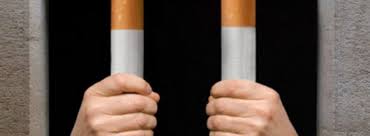
Smokers quitting nightmare is like a small prison for addicts

Smokers quitting nightmare: Is there anything I do about depression?

Quitting smoking is actually the best thing to do for your health. However, if you didn’t know, smokers quitting nightmare is how to go about it. In one of the forums doctor, Dalal Akoury MD was addressing patients, when one patient, asked “what can I do about depression?” this is a good question. Ideally, it’s normal to feel sad for a period of time after you first quit smoking. Remember that you are losing something that you originally loved so much. She adds that progressively this mild depression will occur and normally it will start within the first day of quitting and may progress for a couple of weeks, and disappear within a month. However, if you have a history of depression which is associated with a more severe withdrawal symptoms including more severe depression then such depressions need to be treated in isolation as it may be an indicator of a more serious problem. Many people have a strong urge to smoke when they feel depressed. The following tips may be helpful for you in depression management:

  • Breathe deeply.
  • Call a friend and plan to have lunch or go to a movie, concert, or other pleasurable events.
  • Identify your specific feelings at the time that you seem depressed. Are you actually feeling tired, lonely, bored, or hungry? Focus on and address these specific needs.
  • If depression continues for more than 1 month, see your doctor. Ask your doctor about prescription medications that may help you with depression. Studies show that bupropion and nortriptyline can help people with a past history of depression who tries to quit smoking.
  • Increase physical activities. This will help to improve your mood and lift your depression.
  • Make a list of things that are upsetting to you and write down solutions for them one by one.

Smokers quitting nightmare: What can I do about weight gain?

Gaining weight is common after quitting. Studies have shown that, on average, people who have never smoked weigh a few pounds more than smokers, and, when smokers quit, they attain the weight they would have had if they had never smoked. Although most smokers gain fewer than 10 pounds after they quit smoking, the weight gain can be troublesome for some people. However, the health benefits of quitting far outweigh the health risks of a small amount of extra weight. Here are some tips for managing weight gain:

  • Ask your doctor about the medication bupropion. Studies show that it helps counter weight gain.
  • Studies also show that nicotine replacement products, especially nicotine gum and lozenges, can help counter weight gain. Because some people who quit smoking increase their food intake, regular physical activity and healthy food choices can help you maintain a healthy weight.

Finally, if weight gain is a problem, you may want to consult a nutritionist or diet counselor. And by the way, this is one of the areas of strength of doctor Dalal Akoury and consulting with her will give you a clear head start on your way to recovery right way.

Smokers quitting nightmare: Is there anything I do about depression?


Facebooktwitterpinterestlinkedin
Drunk young man resting head on bar counter

Elaborate addiction treatment care

Elaborate addiction treatment

Elaborate addiction treatment care is what will help in bringing solutions we all need

Elaborate addiction treatment care: Where does treatment occur?

There are different elaborate addiction treatment care which often occurs in various categories and settings. These categories can be diversified and every individual patient has a choice to settle on any depending on the intensity of their addiction levels. Many people with addictions start their initial treatment at one level like for instance at the crisis services for detoxification and then move through the system until they can function as a productive and independent member of society. These treatment stages are not cast in stone and therefore can be changed according to convenience. Nonetheless, when one is through with treatment and has attained the maximum benefits from the treatment experience, he or she can be discharged says doctor Dalal Akoury (MD) who is a veteran addiction expert of many decades has been of great help to many people across the globe. Doctor Akoury reiterates the importance of appreciating that each category of care provides a different intensity of treatment meaning that the expert’s opinion will be very vital in settling in any of the categories of treatment.

In the recent consolidation of alcohol treatment services and substance abuse treatment services into chemical dependence treatment services has resulted in four broad categories of care. We will be focusing our discussion on the four categories of treatment taking into consideration that currently even private licensed practitioners also provide alcohol and substance abuse treatment even though they are not reflected in the four categories. Now let us take a look at the summary of the four categories as follows:

  • Crisis Services (detoxification and withdrawal)
  • Inpatient rehabilitation
  • Residential Services
  • Outpatient Services

Elaborate addiction treatment care: Crisis services, detoxification, and withdrawal

According to the professional explanations given by the experts from AWAREmed Health and Wellness Resource Center under the able leadership of doctor Dalal Akoury, chemical dependence crisis services manage the treatment of alcohol or substance withdrawal, as well as acute disorders associated with alcohol or substance use. These services are often provided early in a person’s course of recovery and are relatively short in duration, and to be more specific, the process takes approximately three to five days, although some chemicals may require up to 30 days of managed withdrawal. It is also important to note that when administering crisis services it is most likely to lead to a referral for a continued care in a longer-term treatment setting.

Crisis services may include medically managed detoxification in a hospital, medically supervised withdrawal in either an inpatient/residential or outpatient setting and medically monitored withdrawal in community-based settings. Doctor Akoury further says that while services will vary with the patient and the setting, in many instances such services may include:

  • Medical management of acute intoxication and withdrawal
  • Assessment
  • Stabilization of medical and psychiatric problems
  • Counseling
  • Pharmacological services
  • Determination of appropriate long-term care and
  • Referrals for other services.

Finally, all these are efforts being made to ensure the broad addiction treatment is achieved. You too can become part of this worthy course by scheduling an appointment with doctor Dalal Akoury and experts from AWAREmed Health and Wellness Resource Center to professionally get firsthand the knowledge you need to be safe from all elements of addiction.

Elaborate addiction treatment care: Where does treatment occur?

http://regenerativepotential.com/wp-admin


Facebooktwitterpinterestlinkedin
Holistic treatment

Addiction treatment requirements

Addiction treatment requirements

Addiction treatment requirements include acknowledging that you have a problem and seeking help

Addiction treatment requirements: Chemical abuse and dependence

Because chemical dependence is a complex disorder, effective treatment requires interventions that address the physical health, mental health, and interpersonal relationships of the affected individual. Therefore, the addiction treatment requirements must be comprehensive to address the multiple and complex needs of addicted individuals and their families. Essential elements of comprehensive treatment for addictive disorders consist of many components, some of which should be employed for every person and some only for certain individuals. Besides, it is important that the individual’s family be engaged in part of the treatment process. And the good news is, all these components we are making reference to, are all available at AWAREmed Health and Wellness Resource Center. The components may include:

  • A comprehensive evaluation of the nature of use, and strengths and needs of the individual which results in a diagnosis;
  • An individualized treatment plan which is developed with the patient and is modified as the individual progresses;
  • Clinical case management;
  • Cognitive and behavioral therapy;
  • Continuing care;
  • Detoxification and medical management of withdrawal symptoms;
  • Monitoring of continued abstinence from alcohol and other substances;
  • Pharmacological therapy, when appropriate;
  • Self-help or peer support as a complement to professional treatment.
  • Vocational and educational assistance;

Doctor Akoury reiterates that for an effective result to be realized, the evaluation, diagnosis and resulting treatment plan must be developed by qualified and experienced professionals in the addiction field and must address the multiple aspects of the disease. Although addiction treatment provider need not provide all services directly, quality care then demands that services be planned for and provided through referral linkages with other appropriately qualified providers.

Addiction treatment requirements: Education and awareness of addiction treatment

The process of treatment begins with educating the individual and his or her family about the disease of addiction and assuring that each individual recognizes the signs and symptoms of the disease in his or her own life. Motivational enhancement may be the first step since many patients may not accept that their addiction is not normal. Teaching the individual to both recognize the triggers of relapse and use preventive responses to these triggers is critical during the treatment process. The outcome of appropriate, comprehensive treatment should strive toward helping the persons receiving services to accomplish the following:

  • Develop and sustain a social support network that will foster and reinforce ongoing recovery.
  • Develop the capacity or potential to practice normal life activities with responsibility;
  • Learn and practice the mechanisms, attitudes, skills and behaviors necessary to sustain the positive effects of treatment;
  • Recognize the personal signs, symptoms, circumstances, and triggers of relapse and know how to respond;
  • Understand the physical impact of chemicals and the implications of addiction on brain functioning;
  • Understand the relevant issues associated with the disease as it affects their lives and the lives of those around them;

Finally, with all these teachings done the individual patient must always keep in close touch with their physicians during and after the treatment process. Therefore if you are considering this worthy course and you are at the crossroad not knowing who to turn to for professional help, doctor Dalal Akoury’s office is ever open for you and you can schedule an appointment with her so that you can have all your concerns professionally addressed.

Addiction treatment requirements: Chemical abuse and dependence


Facebooktwitterpinterestlinkedin
Drug-Abuse

Handling drug addiction at home

Handling drug addiction

Handling drug addiction at home is essential in finding lasting solution

Handling drug addiction at home: Is your loved one struggling with addiction?

Drug addiction is a disease and its entrance in the family will be loaded with not just the known physical pain, but also emotional and psychological pain too. Though both direct and indirect victims suffer this pain, loved ones of addicts will still have a duty to play in seeing that their loved ones are treated well. And that explains why handling drug addiction t home is important. We sought certain clarity from the home of experts at AWAREmed Health and Wellness Resource Center under the leadership of a veteran addiction expert doctor Dalal Akoury MD. She reiterates that though this problem is treatable, it must be noted that it is not easy and patients’ needs to be ready to endure the many challenges along the way.

When a loved one is struggling with a drug related problem, they are bound to deny and sometimes may take offense with those trying to help. This often makes it difficult to offer the much-needed help. Nonetheless, the primary reason why doctor Dalal Akoury established this facility (AWAREmed Health and Wellness Resource Center) is to help you and pull off your shoulder this burden.

The primary reason for this establishment is to help in the transformation of each individual’s life through increasing awareness about health and wellness. Denial is a serious stumbling block in addiction recovery. But even with these challenges doctor, Akoury is professionally empowering individuals into finding their own inner healing power an activity that has proven effective. It will interest you to further appreciate that doctor Akoury’s practice focuses on personalized medicine through healthy lifestyle choices that deal with primary prevention and underlying causes instead of patching up symptoms. Take immediate action now and scheduling an appointment with the experts by calling her on telephone number 843 213 1480 for the commencement of your recovery process. Back to handling drug addiction at home! You could consider the following.

Handling drug addiction at home: Communication

On realizing the struggle of your loved one with substances, communication becomes very important. There is no harm in sharing your concern with them even if they will deny. The simple fact that you’re communicating with them is help already. And remember, in your conversation with them always ensure you are not judgmental. Communication needs to be immediate. The earlier treatments are administered the better. Any delay in addressing the addiction complication the difficult and longer it will take to have the problem effectively addressed.

Taking care of yourself

The consequences of addiction are dangerous especially when the victim is showing signs of becoming violent. Because you’re the sober one and in doing your best to help do not get hurt in the process. When one is under the influence of a substance they do not know what they are doing. That means they can cause you physical injury, rape, assault, theft and many other illegal acts of violence. In all you do, you should not subject yourself to any danger instead identify people you can talk to for advice. And always ensure that your safety is safeguarded.

Don’t blame yourself for any failures

In the process of helping, always appreciate that at times you will succeed and the opposite is also true. When you experience challenges never put that weight on your shoulder. Yours is to offer to support the best way you can by encouraging your loved one to consent to seek for treatment. You can never force them to change neither can you control their decisions.

Handling drug addiction at home: Is your loved one struggling with addiction?


Facebooktwitterpinterestlinkedin