Category Archives: Drugs

drug addiction treatment

Alternative medications for drug addiction

Alternative medications

Alternative medications for drug addiction is being embraced by many alongside the scientific medications

Alternative medications for drug addiction: Alcoholism

The economic benefits of alcohol for most nations are becoming a thorn in the flesh of like-minded people seeing the dangers associated with alcohol consumption. It is becoming difficult daily to totally convince the revenue collectors on the adverse effects of alcohol in human life. Currently, respective governments are using poor selective methods to attempt in controlling the consumption of this drug. Why am I saying this, the authorities are using taxes as a bite in controlling alcohol use. Heavy taxes are levied on this drug to discourage many from using it begging the question that “is it alright for those who can afford to pay for the heavy cost of alcohol to suffer the consequences of alcohol addiction”? Think about that, Addiction to alcohol or other drugs be it barbiturates or cocaine, is a physical and emotional dependence on that substance and the effects it produces. It involves total or partial loss of control and often causing devastating effects on all aspects of the individual’s life of the addict, including colleagues, family, health, and the society. Because of this, we want to look at how effecting alternative medications for drug addiction can be as we progress in this discussion.

It is because of this unwillingness of the authorities to put proper measures in containing alcohol abuse, that like-minded society is working round the clock to correct the damage caused by drug abuse. For example today we have many alternative therapists asserting that conventional medicine’s treatment program for addiction fails to support the body adequately as it withdraws from the once-steady presence of alcohol or other drugs. The following therapies attempt to offer that support. They are often used in combination with counseling and other support programs that address any underlying psychological causes of addiction.

Alternative medications for drug addiction: Nutritional therapy

Speaking to the experts at AWAREmed Health Center lead by doctor Dalal Akoury MD, there is no doubt that alcoholism and drug addiction causes malnutrition because when under the influence of drugs, the person loses the ability to reason well and often become weak even to eat let alone feeding healthily. An addict under the influence of the drug may sleep on an empty stomach and when this happens the toxic element in his system wreaks havoc rendering the person being malnourish. The effect of this can cause serious damage to the body and especially to the liver. Doctor Akoury agrees that nutritional therapy will help in ensuring that the addict gets proper nutrition to eliminate toxins associated with drug and alcohol abuse. The ultimate goal is to make dietary changes that will increase the proper nutrients within the addict’s body.

Noting that many addicts are often depleted of key and vital food nutrients, it is necessary that speedy effort is made to bridge the deficit and that is why supplements such as zinc and vitamin C are administered to help aid in this process, speeding up detoxification and get them balanced. Finally, in most cases, many alcoholics will be vitamin B deficient and this may require injections of this vitamin during the beginning stages of treatment. Low blood sugar and hypoglycemia will also be in shortage further requiring nutritional treatment to stabilize. In all these, you can always schedule an appointment with the experts at AWAREmed health for a more professional touch.

Alternative medications for drug addiction: Alcoholism


Facebooktwitterpinterestlinkedin
addiction training solutions

Detecting alcoholism manifestations

Detecting alcoholism manifestations

Detecting alcoholism manifestations in one’s life is essential and will help solve many domestic problems

Detecting alcoholism manifestations: Self-Testing

Am I an alcoholic? This is a very good question tailored towards preventing, treating and detecting alcoholism manifestations in one’s life. It is by asking such question and getting the right responses that will help in finding a permanent solution to the scourge of alcoholism. Speaking to the experts from AWAREmed Health and Wellness Resource Center under the leadership of Doctor Dalal Akoury MD, it is evident that sometimes it can be hard to draw the line between safe alcohol use and alcohol abuse or dependence. Professionally doctor Akoury registers that there are several ways of detecting alcoholism presence in life. She suggests that you can carry out a self-testing method to ascertain whether you are alcoholic or not. Professionally, you may have a problem with alcohol if you answer “yes” to some of the following questions:

  • Do you need to drink a lot more for you to feel the effects of alcohol?
  • Do you suffer guilty about your drinking?
  • Do you become short-tempered or violent when you’re drinking?
  • Do you have problems at school or work because of drinking?
  • Do you think it might be better if you cut back on your drinking?

Depending on how you respond to the above, a yes answer could point to the direction of alcoholism. Besides the self-testing, the National Council on Alcoholism and Drug Dependence also offers more comprehensive self-tests which can help you assess whether you have a problem with alcohol. Away from the test doctor Akoury advice that you can also consult with your physician in very many ways for a professional diagnosis.

Detecting alcoholism manifestations: Professional diagnosis

Your doctor or healthcare provider can diagnose alcoholism by carrying out a physical exam and ask you questions about your drinking habits. Like for instance, your doctor may ask if you:

  • Drive when you’re drunk
  • Have experienced blackouts as a result of your drinking
  • Have missed work or have lost a job as a result of your drinking
  • Have tried to cut back on your drinking but could not
  • Need more alcohol to feel “drunk” when you drink

Typically, a diagnosis of alcoholism does not require any other type of diagnostic test. Chance are that your doctor may order for a blood test to check your liver function if you show signs or symptoms of liver disease. This is because alcohol abuse can cause serious and lasting damage to your liver. Remember that it is your liver which is responsible for removing toxins from your blood and so when you drink too much, your liver will have difficulties in filtering the alcohol and other toxins from your bloodstream which can lead to liver disease and other complications.

Detecting alcoholism manifestations: How is alcoholism treated?

Treatment for alcoholism varies, but each method is meant to help you stop drinking altogether (abstinence). Treatment may occur in stages and can include the following:

  • Counseling to solve emotional complications
  • Detoxification or withdrawal for the elimination of alcohol in the body
  • Medical treatment for alcoholism-related health complications
  • Medications to help control addiction
  • Rehabilitation to learn new coping skills and behaviors
  • Support groups, including 12-step programs such as Alcoholics Anonymous (AA)

Finally, you can prevent alcoholism by limiting your alcohol intake. This may not be easy (detecting alcoholism presence) but consulting with doctor Dalal Akoury will make it much easier for you. Your health is more important than anything else and therefore scheduling that appointment will be a good start towards your recovery process.

Detecting alcoholism manifestations: Self-Testing


Facebooktwitterpinterestlinkedin
Behavioral Addiction and Brain Function

Dopamine effects and addiction

Dopamine effects

Dopamine effects and addiction are very active in the brain malfunctions

Dopamine effects and addiction: The brain

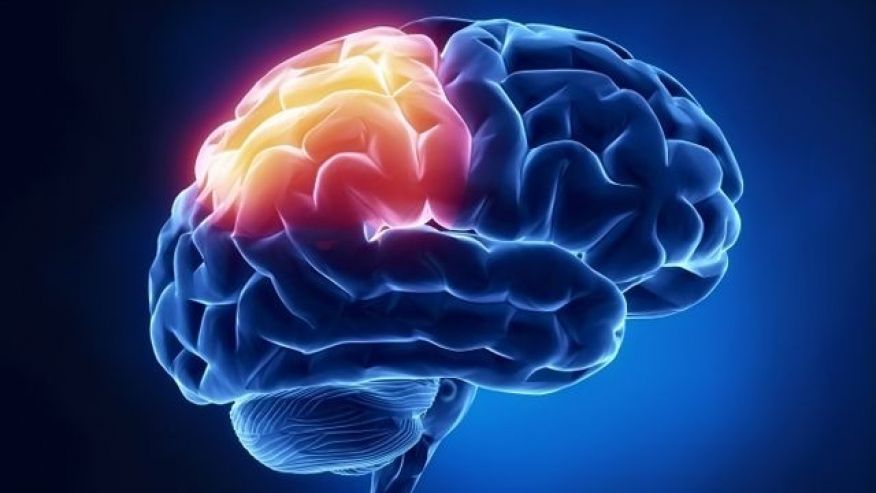
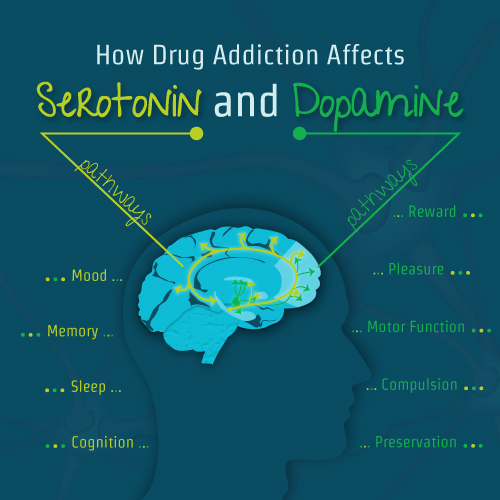
Dopamine is an inhibitory neurotransmitter, meaning that when it finds its way to its receptor sites, it blocks the tendency of that neuron to fire. We have noted that it’s associated with reward mechanisms in the brain. That aside, speaking to doctor Dalal Akoury MD, President, and founder of AWAREmed health center, new research on the brain is showing that addiction is a matter of memories, and recovery is a slow process in which the influence of those memories is diminished. That notwithstanding, further studies have also shown that addictive drugs stimulate a reward circuit in the brain. The circuit provides incentives for action by registering the value of important experiences. Rewarding experiences trigger the release of the brain chemical dopamine effects, telling the brain “do it again.” What makes permanent recovery difficult is the drug-induced change that creates lasting memories linking the drug to a pleasurable reward.

Dopamine effects and addiction: Brain circuits

Addiction involves many of the same brain circuits that govern learning and memory. Long-term memories are formed by the activity of brain substances called transcription factors. All perceived rewards, including drugs, increase the concentration of transcription factors. So repeatedly taking drugs can change the brain cells and make the memory of the pleasurable effects very strong. Even after transcription factor levels return to normal, addicts may remain hypersensitive to the drug and the cues that predict its presence. This can heighten the risk of relapse in addicts long after they stop taking the drug.

Knowing more about how addiction works in the brain has not yet given us any effective new treatments, but it has suggested new possibilities while providing a better understanding of how the available treatments work. The hardest job will be finding substances that lower the risk of addiction but do not interfere with responses to natural rewards. So far there is little evidence that any one type of therapy works better for addiction than another.

Dopamine effects and addiction: Brain Chemistry

It has been demonstrated times and again that drug addiction is a powerful force that can take control of the lives of users. In the past, addiction was thought to be a weakness of character or just misbehavior, but in recent decades research has increasingly found that addiction to drugs like cocaine, heroin, and methamphetamine is a matter of brain chemistry.

Experts at the National Institute on Drug Abuse, says that the way a brain becomes addicted to a drug is related to how a drug increases levels of the naturally-occurring neurotransmitter dopamine, which modulates the brain’s ability to perceive reward reinforcement. The pleasure sensation that the brain gets when dopamine levels are elevated creates the motivation for us to proactively perform actions that are indispensable to our survival for example eating or procreation. Dopamine is what conditions us to do the things we need to do. Having understood the power of addiction and what it can do to your health, it would be unwise to let drugs bring you down because of ignorance. Doctor Dalal Akoury founded this facility to help you have your life back and live it to the fullest. Waste no time and schedule an appointment with today for the commencement of your recovery process.

Dopamine effects and addiction: The brain


Facebooktwitterpinterestlinkedin
drug abuse

Drug addiction instigation

Drug addiction instigation

Drug addiction instigation will always be there but how you address them will matter a lot in escalating or terminating the problem

Drug addiction instigation: Common Signs and Symptoms

In most cases, drug addiction instigation is irregular and gradual with the casual or social use of a drug. For some people, using the drug becomes a habit, and its use becomes more and more frequent. As time passes, you may need larger doses of the drug to get high. Soon you may need the drug just to feel good. As your drug use increases, you may find that it becomes increasingly difficult to go without the drug. Stopping may cause intense cravings and make you feel physically ill what we call withdrawal symptoms. And speaking to doctor Dalal Akoury MD, President, and founder of AWAREmed Health Center, the following are some of the drug addiction symptoms or behaviors:

  • Feeling that you have to use the drug regularly this can be daily or even several times a day
  • Failing in your attempts to stop using the drug
  • Making certain that you maintain a supply of the drug
  • Spending money on the drug, even though you can’t afford it
  • Doing things to obtain the drug that you normally wouldn’t do, such as stealing
  • Feeling that you need the drug to deal with your problems
  • Driving or doing other risky activities when you’re under the influence of the drug
  • Focusing more and more time and energy on getting and using the drug

Drug addiction instigation: Identifying drug addiction in teenagers

It can sometimes be difficult to distinguish normal teenage moodiness from signs of drug use. This kind of knowledge is very important for all parents and guardians as it will help them make timely informed decisions in caring for their children. And as experts from AWAREmed health center we want to share with you some possible indications that your teenager is may be using drugs:

Problems at school – Frequently missing classes or missing school, a sudden disinterest in school or school activities, or a drop in grades may be indicators of drug use.

Physical health issues – Lack of energy and motivation may indicate your child is using certain drugs.

Neglected appearance – Teenagers are generally concerned about how they look. A lack of interest in clothing, grooming or looks may be a warning sign of drug use.

Changes in behavior – Teenagers enjoy privacy, but exaggerated efforts to bar family members from entering their rooms or knowing where they go with their friends might indicate drug use. Also, drastic changes in behavior and in relationships with family and friends may be linked to drug use.

Spending money – Sudden requests for money without a reasonable explanation for its use may be a sign of drug use. You may also discover money stolen from previously safe places at home. Items may disappear from your home because they’re being sold to support a drug habit.

Finally, the above list may not be conclusive, however, if you happen to sport any of them, it could be a serious indicator of emerging substance abuse. Remember that early treatment would help you and your teens prevent serious health complications. And that is why doctor Akoury made a decision of creating a medical center whose main objective is to transform each individual’s life through increasing awareness about health and wellness and by empowering individuals to find their own inner healing power. You can reach her on telephone number 843 213 1480 for any concerns you may have in all matters relating to substance abuse.

Drug addiction instigation: Common Signs and Symptoms

Facebooktwitterpinterestlinkedin
ted-cruz

Ethanol contents in alcohol and cancer

Ethanol contents

Ethanol contents in alcohol and cancer can be a very bad combination for quick recovery

Ethanol contents in alcohol and cancer: Drug addiction disorders

In dealing with drug addiction disorders and cancer disease one patient one asked “does the type of drink matter?” in responds doctor, Dalal Akoury says that it is important to appreciate that ethanol is the type of alcohol found in alcoholic drinks, whether they are beers, wines, or liquors (distilled spirits). The ethanol content in these drinks differs in percentages, but in general, a standard size drink of any type 12 ounces of beer, 5 ounces of wine, or 1.5 ounces of 80-proof liquor contains about the same amount of ethanol (about half an ounce). Of course, larger or ‘stronger’ drinks can contain more ethanol than this. Overall, it is all about the amount of alcohol consumed over time, not the type of alcoholic beverage, seems to be the most important factor in raising cancer risk. Most evidence suggests that it is the ethanol that increases the risk, not other things in the drink.

Ethanol contents in alcohol and cancer: How alcohol raise cancer risk

From the experts’ point of view, doctor Dalal Akoury having been in this practice for well over two decades reiterates that, as things stand now, the exact way alcohol affects cancer risk isn’t completely understood. In fact, there might be several different ways it can raise risk, and this might depend on the type of cancer complication in question as we are going to see following. And as we make that progress, it will interest you to note that in order to effectively help addicts recover from their difficulties, Dr. Akoury made a decision to create a medical center whose main objective is to transform each individual’s life through increasing awareness about health and wellness and by empowering individuals to find their own inner healing power. Matters of this magnitude needs serious and professionalism in treatment and that is why doctor Akoury’s practice focuses on personalized medicine through healthy lifestyle choices that deal with primary prevention and underlying causes instead of patching up symptoms. You can reach her on telephone number 843 213 1480 for an appointment and any other concerns you may be having.

Ethanol contents in alcohol and cancer: Damage to body tissues

Finally, alcohol can act as an irritant, especially in the mouth and throat. Cells that are damaged may try to repair themselves, which could lead to DNA changes in the cells that can be a step toward cancer. In the colon and rectum, bacteria can convert alcohol into large amounts of acetaldehyde which is a chemical that has been shown to cause cancer in lab animals. Alcohol and its byproducts can also damage the liver, leading to inflammation and scarring. As liver cells try to repair the damage, they can end up with mistakes in their DNA, which could lead to cancer. We are going to continue this discussion in our subsequent postings and we want to take this opportunity to encourage you to stay with us on the link and learn with the experts.

Ethanol contents in alcohol and cancer: Drug addiction disorders


Facebooktwitterpinterestlinkedin